Shrinking the Doctor to 20 Nanometers: How Synthetic Biologists Are Redefining the Fight Against Alzheimer’s Disease


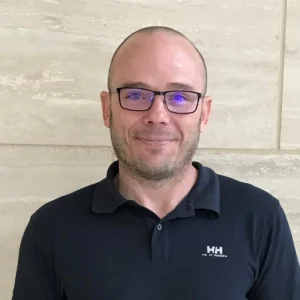
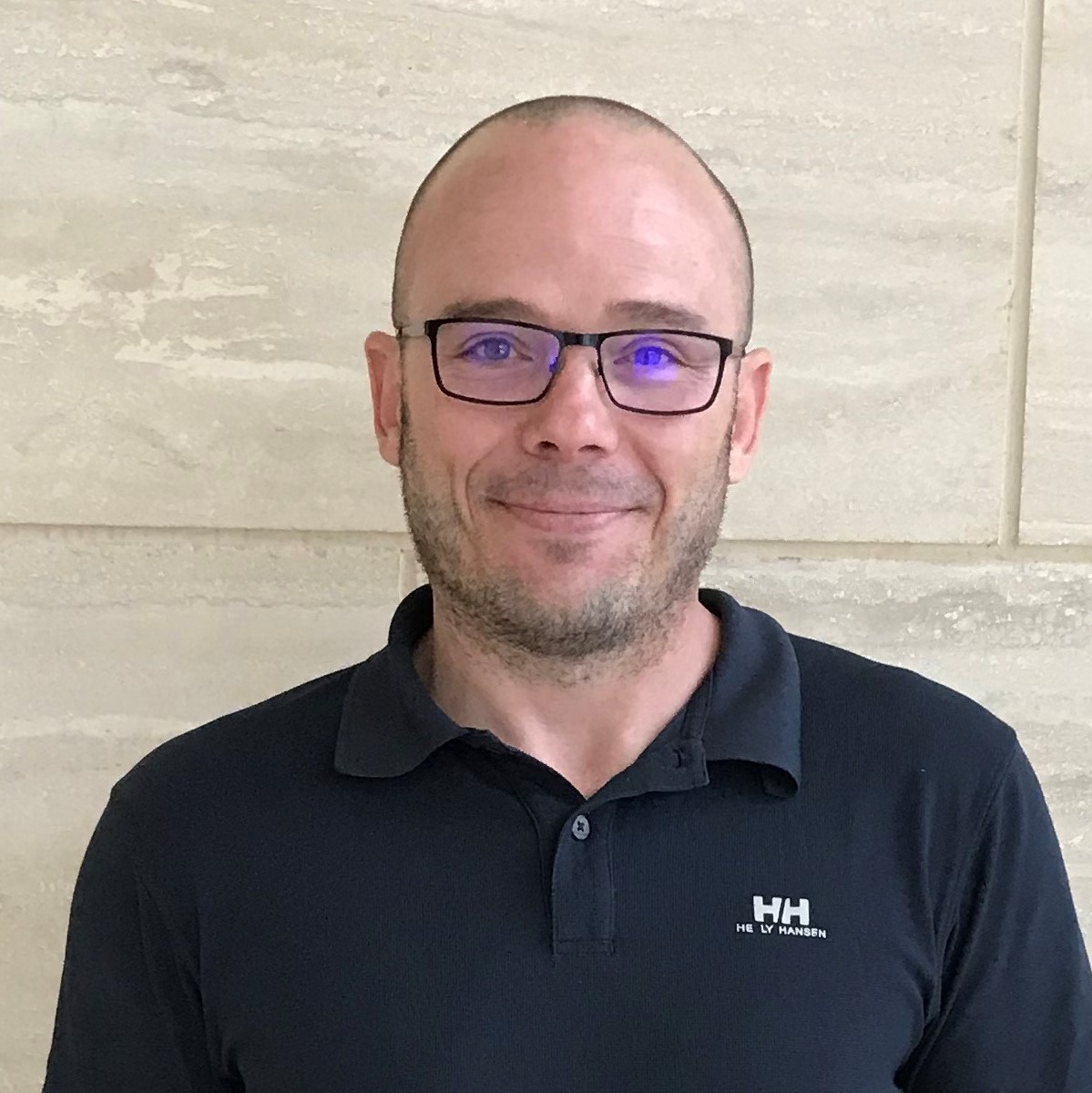
The landscape of modern neurodegenerative medicine is undergoing a profound philosophical and technological shift, moving away from reactive pharmacology toward proactive, microscopic engineering. At the forefront of this revolution is Dr. Chaska Walton, a molecular bioscience researcher at the prestigious Buck Institute for Research on Aging. Recipient of a highly competitive and exclusive $2.4 million National Institutes of Health (NIH) Transformative Research Award—an honor bestowed upon only nine researchers nationwide in its cycle—Walton is spearheading the development of smart, living delivery systems designed to tackle the multifaceted pathologies of Alzheimer’s disease. Working within the laboratory of Dr. Julie Andersen, Walton’s research bridges the gap between fundamental neuroscience, synthetic biology, and translational medicine, offering a radical departure from traditional drug development paradigms that have long struggled to alter the trajectory of cognitive decline.
Tracing the Scientific Evolution: From Barcelona to the Buck Institute
Dr. Walton’s journey to the cutting edge of synthetic immunology is marked by a steady evolution from traditional neurobiology to advanced cellular engineering. The academic trajectory began with foundational studies in psychology and neuroscience at the Autonomous University of Barcelona. Seeking to deepen a lifelong fascination with the human brain, Walton pursued doctoral research at the esteemed Cajal Institute in Madrid, operating under the structural umbrella of the Spanish National Research Council (CSIC) and the Autonomous University of Madrid.
During these formative doctoral years, Walton challenged deeply ingrained neurobiological dogma. By demonstrating that mature neurons possess the capacity to re-enter the cell cycle, Walton’s findings echoed the visionary philosophy of Santiago Ramón y Cajal himself—who famously postulated that the science of the future might one day overturn even the most rigid historical decrees of neurobiology. This willingness to question established biological limits eventually brought Walton to the Buck Institute in California. Initially focusing on the mechanics of neuronal vulnerability and aging, the research scope rapidly expanded. Today, Walton’s team is designing synthetic immune-cell therapies, programmable CAR-Treg platforms, and autonomous smart-delivery vehicles. Operating under the guiding premise that neurodegeneration is not an inevitable consequence of chronological aging, but rather a malleable biological process, Walton views the boundaries of current medicine as constraints waiting to be dismantled.

The Breakthrough: Engineering Living Microscopic Physicians
Traditional pharmaceutical interventions for neurodegenerative disorders face a fundamental logistical challenge: systemic distribution. When a patient receives a conventional therapeutic drug via oral ingestion or intravenous infusion, the molecule circulates indiscriminately throughout the entire body. This widespread distribution frequently triggers systemic side effects while delivering only a fraction of the active pharmaceutical ingredient to the primary site of pathology within the central nervous system. Furthermore, human clinicians are inherently limited by diagnostic timelines; they must wait for overt clinical symptoms to manifest before initiating diagnostic imaging or cognitive assessments. By the time a patient presents with clinical signs of Alzheimer’s disease, the underlying neuropathology—characterized by the accumulation of amyloid-beta plaques and neurofibrillary tangles—has typically been progressing silently for years or even decades.
Walton’s laboratory has achieved a critical proof-of-concept that upends this traditional framework. Through sophisticated genetic engineering, the research team has successfully modified immune cells to act as autonomous biological sentinels. These engineered cells are programmed to continuously scrutinize the microenvironment, detect the early formation of amyloid-beta senile plaques, and, in direct response, synthesize and secrete Leqembi—an FDA-approved amyloid-beta-clearing monoclonal antibody.
Describing this paradigm shift with characteristic clarity, Walton characterizes the technology as shrinking a physician down to approximately 20 nanometers and equipping them with molecular superpowers. Unlike human clinicians, who must wait for macroscopic disease progression, engineered living cells monitor microscopic environments in real time. They do not wait for systemic failure; instead, they identify biochemical anomalies at their inception and release targeted therapeutics locally, precisely at the site of lesions, and strictly on an as-needed basis.
A Secondary Immune System: Redefining Everyday Health and Proactive Care
The long-term implications of cellular engineering extend far beyond the specialized treatment of Alzheimer’s disease, pointing toward a fundamental restructuring of human healthcare. In a future shaped by this technology, the human body may effectively host a permanent, synthetic secondary immune system. Much like the body’s native immune architecture, these engineered cellular sentinels would persist throughout a person’s lifespan, undergoing self-renewal, adaptation, and continuous patrol.
This approach shifts the locus of protection from external clinical visits to internal biological maintenance. Rather than requiring periodic hospital admissions, frequent neuroimaging, routine blood draws, and repeated administration of expensive systemic drugs, patients would rely on endogenous cellular factories. Therapeutic molecules would be manufactured directly on-demand within the tissue matrix, eliminating the financial and physical burdens associated with chronic pharmaceutical management.
Public health economists and medical analysts suggest that the widespread implementation of self-regulating living therapies could alleviate mounting pressures on global healthcare infrastructure. By intercepting neurodegenerative cascades years before cognitive symptoms emerge, health systems could transition from expensive, reactive disease management models to sustainable, proactive wellness preservation. Patients could effectively experience the onset and resolution of microscopic pathological threats without ever entering a clinical state of overt disease.
Anticipating the Next Decade: Bridging Innovation and Mainstream Acceptance
As Walton’s laboratory and other pioneering institutions push these technologies closer to translational human clinical trials, the next five to ten years are expected to serve as a critical crucible for synthetic biology. The primary hurdle in the coming decade is not merely technical optimization, but cultural and conceptual paradigm shifts within mainstream medicine and regulatory frameworks.
The broader scientific community views the integration of living cells as therapeutic delivery systems as a monumental leap akin to the advent of recombinant DNA technology or monoclonal antibody therapy in the late 20th century. However, regulatory bodies such as the U.S. Food and Drug Administration (FDA) will need to adapt evaluation frameworks to accommodate therapies that are dynamic, self-renewing, and autonomous, contrasting sharply with static, inert chemical compounds.

For Walton, the true measure of success over the coming decade extends beyond laboratory benchmarks and peer-reviewed publications. The ultimate objective is to alter public and scientific consciousness, establishing the foundational understanding that the human body can be engineered to maintain its own neural integrity. By proving that complex, multi-pathology diseases can be managed by internal biological repair crews, Walton and the team at the Buck Institute are laying the groundwork for an era where conditions currently deemed incurable become relics of medical history.