Digital Twins of Life: How Buck Institute Researchers Are Using Whole-Cell Simulations to Rewrite the Rules of Human Aging


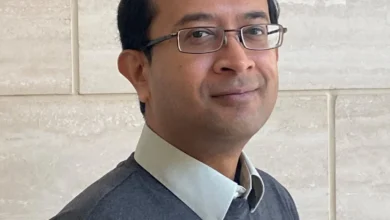
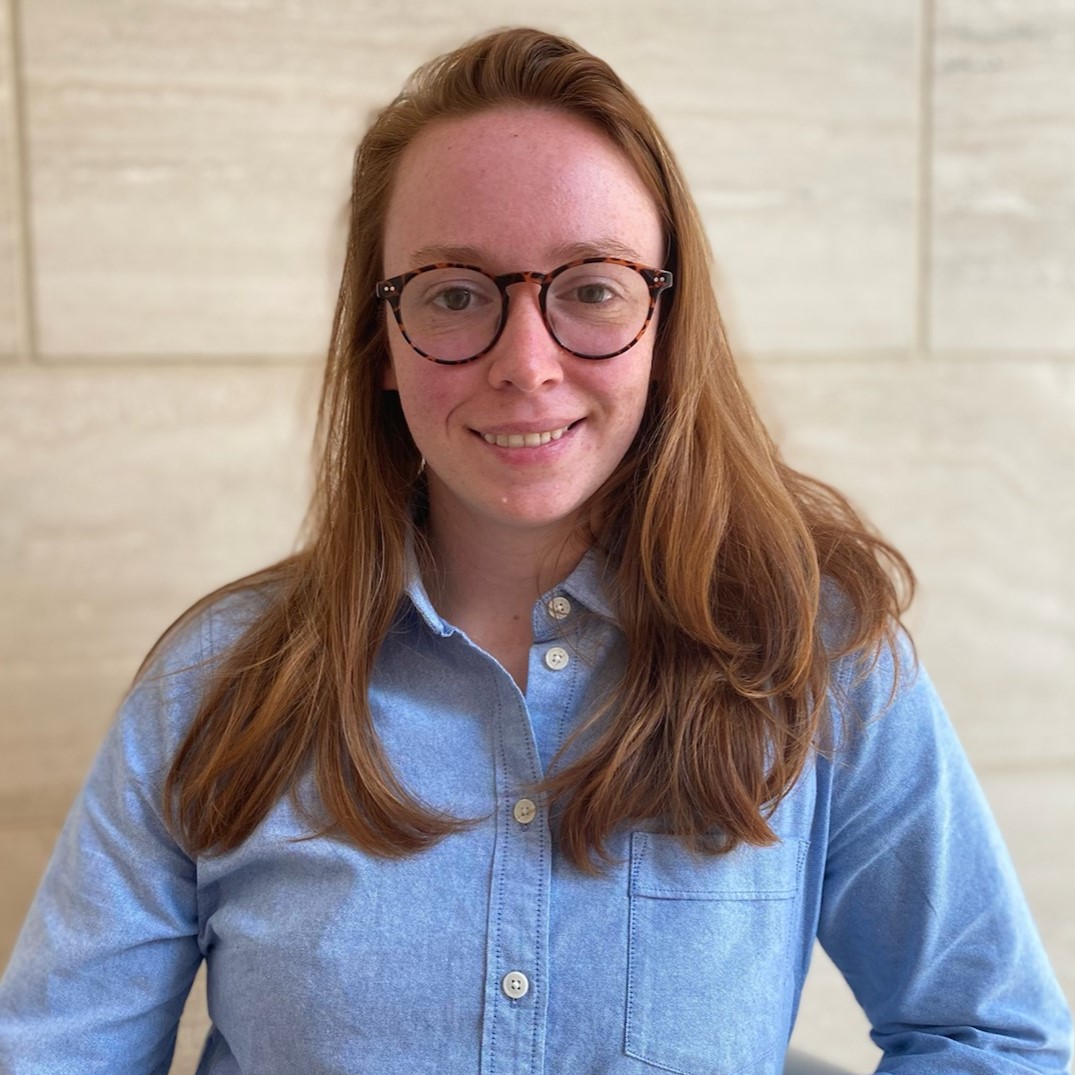
The pursuit of human longevity has entered a radically digital era, transitioning from traditional wet-lab experimentation to advanced computational modeling that could fundamentally reshape modern medicine. At the forefront of this transformation is the Buck Institute for Research on Aging, an independent, non-profit biomedical research facility located in Novato, California. Within the institute’s laboratories, interdisciplinary teams are marrying the precision of applied mathematics with the complexities of cellular biology to build functional, whole-cell computer simulations. Among the prominent scientists driving this initiative is Dr. Emma Glass, a research scientist in the laboratory of James Yurkovich, whose work is laying the foundational architecture for predicting cellular behavior, treating infections, and ultimately understanding the mechanisms of human aging.
Main Facts and the Rise of Computational Longevity
The core of Dr. Glass’s current research involves the development of sophisticated whole-cell simulation software and comprehensive data analysis, critical components supporting both the broader mission of the Buck Institute and specialized initiatives such as the TIME clinical trial. Backed by funding from the Defense Advanced Research Projects Agency (DARPA), Glass and her colleagues are focused on creating computational models capable of predicting the exact behavioral responses of organisms—such as E. coli—when subjected to varied environmental pressures.
Unlike conventional biological research, which relies heavily on physical trial and error using petri dishes and physical assays, whole-cell simulations allow researchers to test hypotheses virtually. By simulating metabolic pathways, genetic mutations, and drug interactions within a digital framework, scientists can calculate precise metrics, such as the exact concentration of an antimicrobial agent required to halt bacterial growth, without ever physically mixing compounds in a laboratory setting. While these initial applications target microbial behavior and infection management, the ultimate trajectory of this technology points toward human cellular modeling, offering a digital blueprint to observe, analyze, and eventually counteract the cellular degradation associated with aging.
Chronology and Academic Background
The journey toward computational longevity science requires a rare convergence of mathematical rigor and biological insight. Dr. Glass’s trajectory reflects this specialized multidisciplinary training. A native of Virginia, Glass pursued her undergraduate studies at the College of William & Mary, where she earned a Bachelor of Science degree in Applied Mathematics. Recognizing the vast potential for mathematical models to solve complex biological puzzles, she continued her education at the University of Virginia, completing her Doctor of Philosophy in Biomedical Engineering.
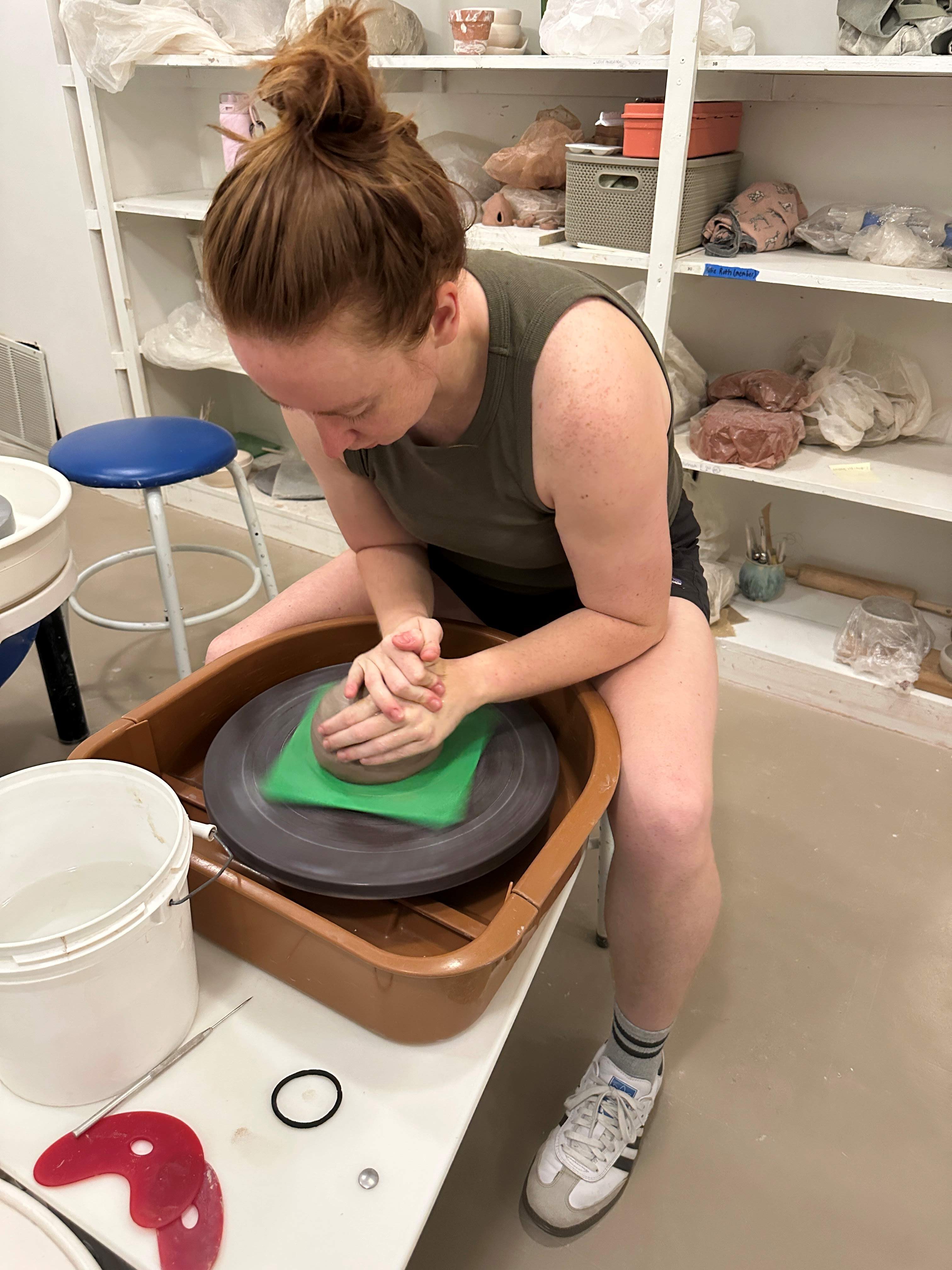
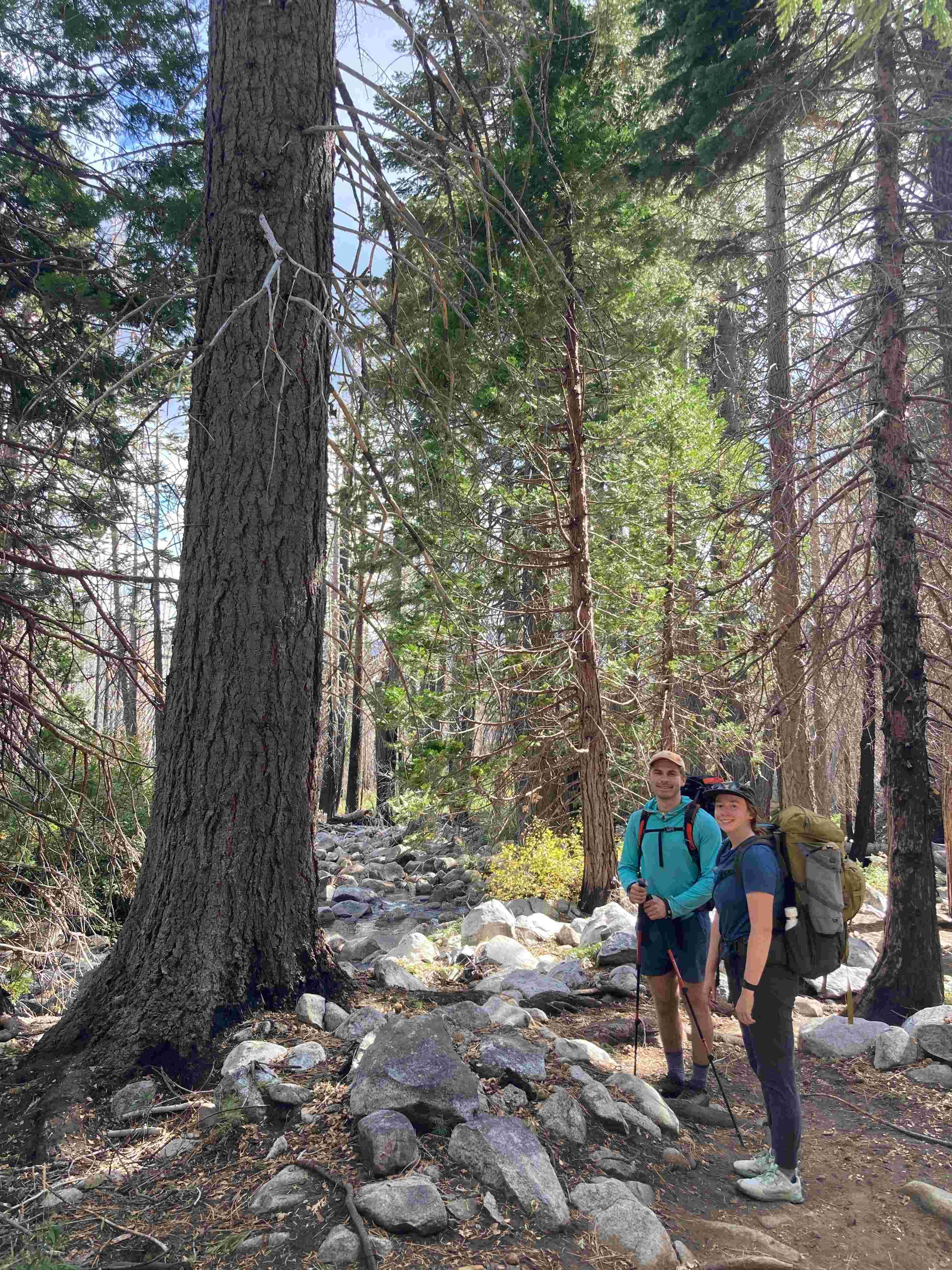
Her academic focus on computational microbiology served as a direct bridge to her current role at the Buck Institute, which she joined in late 2023. Over the past year, Glass has integrated her expertise in data-driven modeling with the institute’s overarching mission to extend human healthspan—the period of life spent in good health, free from chronic disease and disability. Outside of her computational work, Glass maintains a balanced life in the San Francisco Bay Area, engaging in activities such as exploring local nature trails, reading, knitting, playing ultimate frisbee, and crafting pottery—interests that complement the precise, analytical nature of her daily research.
Supporting Data and the Mechanics of DARPA-Funded Research
The financial and operational backing for this research is rooted in large-scale federal initiatives. The DARPA-funded programs in which the Yurkovich lab participates are structured around two foundational operational pillars: "Measure and Inform," which encompasses the high-throughput generation of biological data, and "Simulate and Predict," which focuses on translating that empirical data into predictive mathematical models.
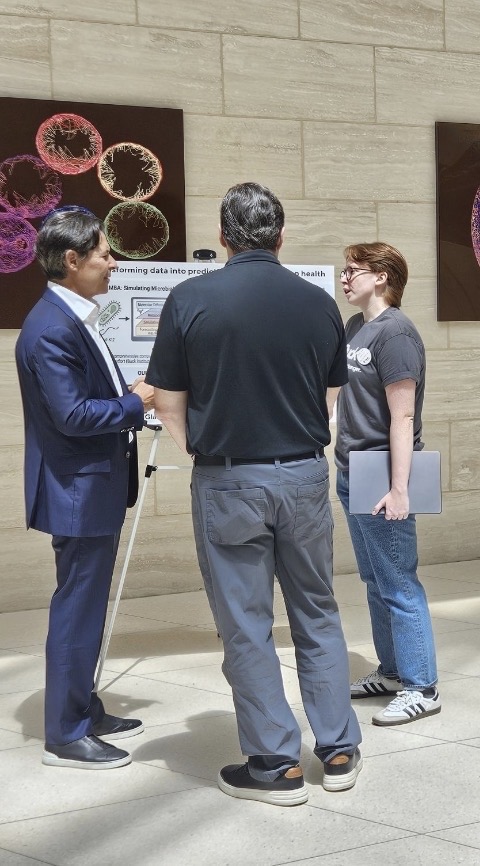
To successfully bridge these pillars, the Buck Institute fosters a deeply collaborative "team science" environment. Generating the massive datasets required to ground digital models in biological reality demands seamless integration between wet-lab biologists, who produce the physical data, and computational scientists, who construct the algorithms. Furthermore, external partnerships with industry leaders provide the scalable infrastructure necessary to process complex biological big data. This convergence of artificial intelligence, machine learning, and high-performance computing allows researchers to simulate cellular dynamics at unprecedented scales.
In layman’s terms, the technology functions similarly to computer-aided engineering used in aerospace or architecture, where physical structures are thoroughly stress-tested in digital environments before physical construction begins. By digitizing the molecular interactions of a cell, researchers can run thousands of pharmacological simulations simultaneously, compressing months of physical laboratory work into mere minutes of computing time.
Official Responses and the Collaborative Ecosystem
The leadership and scientific community at the Buck Institute have consistently emphasized that modern breakthroughs in geroscience cannot be achieved in isolation. The institute’s strategic emphasis on artificial intelligence and big data analytics has established a specialized ecosystem designed to attract top-tier computational talent from across the globe.
According to institutional stakeholders, the integration of computational modeling into aging research represents a paradigm shift for the field. Historically, biogerontology focused on observing the phenotypic markers of decline—such as cellular senescence, mitochondrial dysfunction, and genomic instability—after they had already manifested. By contrast, the computational approach championed by researchers like Glass aims to establish predictive control over these biological processes.
Collaborators within the institute note that the methodologies developed under DARPA funding are inherently scalable. The mathematical frameworks used to model relatively simple prokaryotic cells like E. coli possess the structural extensibility required to model eukaryotic cells, and eventually, complex human tissues and organ systems. This scalability is viewed by institutional leadership as the most promising pathway to transitioning geroscience from observational biology to predictive, preventative medicine.
Broader Impact and Implications for the Future
The implications of whole-cell simulation extend far beyond academic laboratories, carrying transformative potential for clinical medicine, pharmacology, and everyday human health.
In the near term, the immediate applications of this research lie in precision infectious disease management. By accurately predicting antimicrobial efficacy through computer simulations, clinicians could eventually tailor antibiotic regimens to specific pathogenic strains with absolute precision, potentially mitigating the global crisis of antimicrobial resistance.
However, the long-term horizon holds even greater significance for the aging population. As researchers scale these models from single bacteria to human cells, the medical community moves closer to the realization of personalized longevity simulations. In a future shaped by this technology, healthcare providers could utilize digital cellular twins of individual patients to test how specific dietary modifications, lifestyle interventions, or pharmacological treatments would impact their unique cellular aging trajectory. Such capabilities would effectively transition medicine from a reactive, one-size-fits-all model to a proactive, mathematically precise discipline.
Looking toward the next five to ten years, the scientific consensus within the computational biology community is that the field is poised on the brink of unprecedented expansion. Programs like the DARPA SMS (Smart Mehmet/Multiscale Simulation) initiatives are actively pushing researchers to design systems ten times more complex than those currently feasible. As high-fidelity digital models of human cells become a reality, scientists at institutions like the Buck will gain the unprecedented ability to interrogate the root mechanisms of biological aging in real-time.
By shifting the scientific paradigm from merely observing the biological decline associated with age to actively predicting and preventing it, researchers are laying the groundwork for a future where human healthspan can be systematically extended, transforming the fundamental nature of aging in human society.