
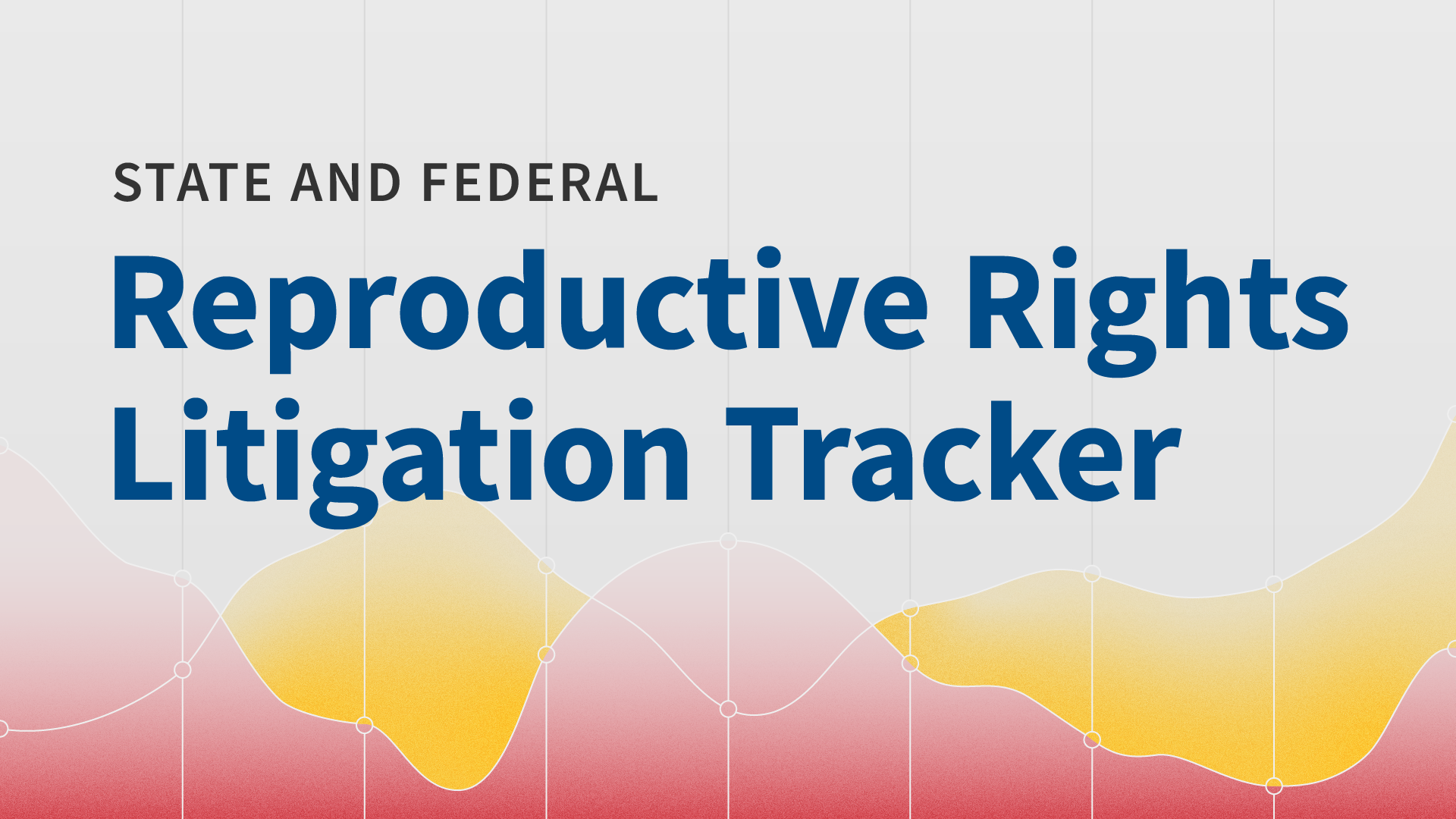
The landscape of reproductive rights in the United States, particularly concerning abortion and contraception, remains in a state of profound flux as of July 16, 2026. Two years after the Supreme Court’s landmark Dobbs v. Jackson Women’s Health Organization ruling, which overturned the nearly 50-year precedent set by Roe v. Wade, the authority to regulate or prohibit abortion has been unequivocally returned to individual states. This seismic shift has unleashed an unprecedented torrent of legal challenges, creating a fragmented and often contradictory legal environment across the nation. Abortion providers, advocacy organizations, and even federal agencies are locked in complex litigation, primarily contending that state-level bans violate state constitutions or other state statutes. Concurrently, new and intricate questions have emerged regarding the delineation of federal and state authority, particularly when it impacts access to critical reproductive healthcare services, including both abortion and contraception.
This dynamic legal battlefield is continuously evolving, necessitating ongoing monitoring of court proceedings at both state and federal levels. The litigation tracker, last updated on July 16, 2026, categorizes these multifaceted legal battles into several key areas: Pregnancy and Work, Emergency Care, Family Planning, Privacy, Medication Abortion, Minors Access, and State Abortion Bans. Each category represents a distinct front in the broader struggle over reproductive autonomy and healthcare access, with implications reaching far beyond the courtroom into the daily lives of millions of Americans.
A Seismic Shift: The Overturning of Roe v. Wade and Its Aftermath
To fully grasp the current litigation maelstrom, it is essential to revisit the foundational legal framework that existed for nearly five decades and the subsequent legal earthquake that dismantled it. Prior to June 24, 2022, Roe v. Wade (1973), affirmed by Planned Parenthood v. Casey (1992), established a constitutional right to abortion based on the right to privacy under the Fourteenth Amendment. This framework generally prohibited states from banning abortions before fetal viability, typically around 24 weeks of gestation, while allowing increasing state regulation as pregnancy progressed. Casey further introduced the "undue burden" standard, prohibiting states from enacting laws that placed a substantial obstacle in the path of a woman seeking an abortion before viability.
The Dobbs decision obliterated this established precedent. In a 6-3 ruling, the conservative majority on the Supreme Court asserted that the Constitution does not confer a right to abortion, effectively returning the authority to regulate or prohibit the procedure to individual states. Justice Samuel Alito, writing for the majority, stated that "Roe and Casey must be overruled" because they were "egregiously wrong from the start" and "deeply damaging." The immediate consequence was a legal and healthcare crisis, as over a dozen states had "trigger laws" designed to immediately ban or severely restrict abortion upon the overturning of Roe. Within weeks, more than half of U.S. states moved to implement new restrictions or activate dormant pre-Roe bans, creating a stark geographic divide in abortion access.
The Dobbs ruling did not merely end a constitutional right; it ignited a nationwide legal scramble. Pro-choice advocates and abortion providers immediately pivoted to challenging state bans in state courts, often invoking state constitutional rights to privacy, equal protection, or due process, which in some jurisdictions are interpreted more broadly than their federal counterparts. Concurrently, anti-abortion organizations and conservative state legislatures embarked on efforts to further solidify and expand restrictions, often leading to proactive legislative measures that preemptively address potential legal loopholes. This dual-track legal strategy, with both sides leveraging every available avenue, has produced a complex and often contradictory legal landscape.
Chronology of Legal Challenges: From Dobbs to July 2026
The period following the Dobbs decision has been marked by rapid-fire legal developments, each shaping the current litigation environment:
- June 2022: The Dobbs decision is issued, immediately triggering bans or severe restrictions in approximately 13 states. Within days, lawsuits are filed in numerous states (e.g., Texas, Mississippi, Kentucky, Louisiana, Utah) seeking to block these trigger bans on state constitutional grounds. Some initial injunctions are granted, offering temporary relief in certain states, while others see immediate implementation of bans.
- Late 2022: The first wave of post-Dobbs litigation intensifies. State supreme courts begin to weigh in, with mixed results. For instance, some state courts, like in South Carolina and Arizona, initially uphold bans, while others, such as in Michigan and Kansas, issue rulings that protect abortion access based on state constitutional interpretations or voter-approved amendments. Federal agencies, including the Department of Justice (DOJ) and the Department of Health and Human Services (HHS), begin to issue guidance and file lawsuits aimed at preserving access, particularly regarding emergency medical care.
- 2023: Litigation increasingly focuses on specific aspects of abortion access. Challenges to medication abortion restrictions become prominent, including the multi-state lawsuit filed against the FDA’s approval and regulation of mifepristone. The federal government asserts its authority under the Emergency Medical Treatment and Labor Act (EMTALA) in states with abortion bans, leading to direct clashes in federal courts. Cases regarding interstate travel for abortion services also begin to emerge, exploring the reach of state bans across state lines.
- 2024: The legal battles mature, with appellate courts at both state and federal levels issuing significant rulings. Some states see their bans permanently upheld, while others secure long-term injunctions. Focus expands to include the implications of abortion bans on employer-provided healthcare benefits, data privacy related to reproductive health, and the increasingly complex issue of minors seeking abortion care without parental consent, particularly if they must travel out of state. Ballot initiatives play a crucial role, with several states holding referendums that either enshrine or restrict abortion rights, significantly influencing the legal landscape.
- 2025: The Supreme Court is asked to weigh in on several of the more complex federal-state conflicts, though it often declines to take up cases, allowing lower court rulings to stand, or issues narrow decisions that leave broader questions unanswered. The legality of "personhood" amendments, which seek to define life from conception, becomes a new frontier for litigation, potentially impacting not only abortion but also certain forms of contraception and fertility treatments. The intersection of religious freedom claims and reproductive healthcare mandates also leads to new legal challenges.
- Early 2026: The current state of litigation reflects a deeply entrenched legal battle. State supreme courts continue to be pivotal, with new interpretations of state constitutional rights constantly being tested. The federal government maintains its stance on preserving access where possible, leading to ongoing clashes with states determined to enforce stringent bans. The focus of new cases shifts towards the practicalities and unintended consequences of existing laws, such as medical necessity exceptions, the definition of fetal viability in an era of advanced medical technology, and the criminalization of providing or assisting with abortion care.
The Battlegrounds: Key Areas of Ongoing Litigation
The litigation tracker identifies several critical areas where legal battles are currently concentrated:
State Abortion Bans
This category represents the largest volume of ongoing litigation. As of July 2026, approximately 14 states have near-total abortion bans in effect, with limited exceptions (often only to save the life of the pregnant person, and sometimes not even for rape or incest). Another 7-10 states have significant restrictions, such as bans after 6-12 weeks of pregnancy. Lawsuits in these states primarily argue that these bans violate state constitutional rights to privacy, bodily autonomy, equal protection, or due process. Outcomes vary widely:
- Successful Challenges: In states like Montana, Alaska, and New Mexico, state courts have issued permanent injunctions against restrictive laws, citing strong state constitutional protections for privacy.
- Unsuccessful Challenges: Courts in states such as Texas, Idaho, and Alabama have largely upheld severe restrictions, interpreting their state constitutions differently or deferring to legislative authority.
- Ongoing Appeals: Many cases are still navigating appellate courts, with state supreme courts often having the final say on the interpretation of their respective constitutions.
Medication Abortion
The legality and accessibility of medication abortion, which accounts for over half of all abortions in the U.S., has become a central battleground. Federal litigation, such as hypothetical continuations of Alliance for Hippocratic Medicine v. FDA, challenges the FDA’s regulatory authority over mifepristone, arguing that its approval was unlawful or that current access protocols are unsafe.
- Federal vs. State: States with abortion bans have also enacted their own restrictions on medication abortion, including prohibiting telemedicine prescriptions, requiring in-person dispensing, or banning mailing the pills. This creates a direct conflict with federal regulations and the interstate commerce clause, leading to complex legal questions about federal preemption.
- Access Barriers: Even in states where abortion remains legal, restrictions on medication abortion can severely limit access, particularly for rural populations.
Emergency Care (EMTALA)
The Emergency Medical Treatment and Labor Act (EMTALA) is a federal law requiring hospitals that accept Medicare to provide stabilizing treatment to patients in emergency situations, including abortions if necessary to stabilize a pregnant person. The Biden administration, through HHS, issued guidance in 2022 asserting that EMTALA preempts state abortion bans when an abortion is medically necessary to save a patient’s life or health.
- State Opposition: Several states with abortion bans have challenged this guidance, arguing that EMTALA does not require abortions and that the federal government is overstepping its authority.
- Ongoing Cases: Federal courts are grappling with these cases, with some initial rulings temporarily blocking the federal guidance in certain states, leading to confusion for emergency room physicians about their legal obligations and potential liability.
Family Planning
While Dobbs explicitly stated it did not address contraception, concerns persist that the legal reasoning could eventually be extended to other reproductive health services. Litigation in this area is less direct but involves:
- "Personhood" Laws: Challenges to state laws or constitutional amendments that define life from conception, which could theoretically implicate certain forms of contraception (e.g., IUDs, emergency contraception) by reclassifying them as abortifacients.
- Funding Restrictions: Lawsuits challenging state efforts to defund organizations that provide family planning services, including contraception, if they also offer abortion referrals or services.
- Religious Freedom: Cases where employers or individuals claim religious exemptions from providing or covering certain types of contraception, revisiting precedents like Burwell v. Hobby Lobby.
Privacy
The Dobbs decision explicitly overturned the right to privacy as it pertained to abortion, but the broader implications for digital and medical privacy are a growing area of concern and litigation.
- Data Tracking: Lawsuits are emerging over the collection and use of reproductive health data by apps, tech companies, and law enforcement, particularly in states where abortion is illegal. This includes geofencing data, search histories, and period tracking apps.
- Interstate Surveillance: Legal challenges address the potential for states to access medical records or digital data of individuals who travel out of state for abortion care, raising questions about jurisdiction and the scope of state investigative powers.
Minors Access
Access to abortion for minors has always been subject to parental consent or notification laws in many states. Post-Dobbs, this issue has become significantly more complex.
- Judicial Bypass: Litigation focuses on the effectiveness and accessibility of judicial bypass procedures, which allow minors to seek court approval for an abortion without parental involvement.
- Interstate Travel: Cases are expected to arise where states attempt to prevent minors from traveling out of state for abortion care without parental consent, or where they seek to prosecute individuals who assist such minors. This involves complex questions of parental rights, state sovereignty, and the right to travel.
Pregnancy and Work
The ramifications of abortion bans extend into the workplace, prompting new legal challenges:
- Workplace Accommodations: Lawsuits concerning employers’ obligations to provide reasonable accommodations for pregnant employees, particularly those facing pregnancy complications in states with restrictive abortion laws.
- Employer-Provided Healthcare: Challenges related to employers’ health insurance plans that cover out-of-state abortion travel or services, particularly for companies operating in multiple states with conflicting laws.
- Discrimination: Potential for increased litigation related to pregnancy discrimination if employees are penalized for seeking or obtaining legal out-of-state abortion care.
Supporting Data and Statistics (as of July 16, 2026)
The data reflects a profoundly fractured nation regarding reproductive healthcare:
- State Access: As of mid-2026, an estimated 14 states enforce near-total bans on abortion, affecting over 20 million women of reproductive age. Another 8 states have bans after 6-12 weeks, severely restricting access. Conversely, 21 states and the District of Columbia have enacted measures to protect or expand abortion access, including codifying the right to abortion into state law.
- Litigation Volume: Over 200 significant lawsuits challenging or defending abortion restrictions have been filed across state and federal courts since the Dobbs decision. This includes over 150 cases at the state level invoking state constitutional rights, and approximately 50 federal cases primarily concerning medication abortion, EMTALA, and interstate issues.
- Clinic Closures: In states with bans, over 90% of abortion clinics have ceased providing abortion services, leading to the closure of dozens of facilities and creating vast "abortion deserts." The average travel distance to the nearest abortion provider has increased by an estimated 300 miles in affected regions.
- Medication Abortion Trends: Despite legal challenges, medication abortion now accounts for an estimated 65% of all abortions nationwide, up from around 53% pre-Dobbs, largely due to its relative accessibility via mail in states where it remains legal. However, 19 states have enacted or are litigating bans or severe restrictions on medication abortion.
- Patient Impact: Studies indicate a disproportionate impact on low-income individuals, people of color, and rural communities, who face insurmountable financial and logistical barriers to accessing care, often leading to forced continuation of unwanted pregnancies.
Statements and Reactions from Related Parties
The ongoing legal battles elicit strong and often polarized reactions from various stakeholders:
- Pro-Choice Advocates (e.g., ACLU, Planned Parenthood, Center for Reproductive Rights): Consistently emphasize the erosion of fundamental human rights, the creation of a public health crisis, and the disproportionate impact on marginalized communities. They assert that state bans are medically unsound, ethically indefensible, and violate patients’ bodily autonomy. "We will continue to fight these cruel and unconstitutional bans in every court, in every state, and at the ballot box," stated a spokesperson for a leading reproductive rights organization. They highlight the danger to maternal health and the chilling effect on medical practice.
- Pro-Life Advocates (e.g., National Right to Life Committee, Alliance Defending Freedom): Celebrate the Dobbs decision as a victory for unborn life and states’ rights. They advocate for stronger enforcement of existing bans and the passage of further protective legislation. "Every human life is precious and deserves protection. States have the moral and legal authority to defend life, and we will support them against federal overreach," commented a representative from a prominent anti-abortion group. They often emphasize the availability of crisis pregnancy centers and adoption services.
- Medical Associations (e.g., American Medical Association, American College of Obstetricians and Gynecologists): Express profound concern over the legal ambiguities and ethical dilemmas faced by healthcare providers. They highlight the chilling effect of criminalization fears on medical decision-making, leading to delays in necessary care and a potential exodus of medical professionals from states with severe bans. "Physicians must be able to provide evidence-based care without fear of legal reprisal. These laws interfere with the patient-physician relationship and compromise patient safety," stated a representative of a major medical society.
- Legal Scholars and Constitutional Experts: Offer diverse analyses, with some arguing that the current patchwork of laws creates legal instability and undermines the concept of equal protection, while others defend states’ rights to self-determination on moral issues. There is widespread acknowledgment of the unprecedented legal complexity and the ongoing tension between federal and state powers.
- Government Officials: State Attorneys General are at the forefront of this litigation, either defending their states’ bans or challenging those of neighboring states. Federal agencies like the DOJ and HHS continue to assert federal interests, particularly regarding EMTALA and medication access, often leading to direct legal confrontations with states.
Broader Impact and Implications
The post-Dobbs legal landscape has profound and far-reaching implications:
- Legal Fragmentation and Inequity: The most immediate impact is the creation of a legally fragmented nation where access to reproductive healthcare is determined by zip code. This "patchwork quilt" of laws creates immense confusion for patients and providers alike, forcing many to navigate a complex and costly system of interstate travel for care. It exacerbates existing health disparities, disproportionately affecting low-income individuals, women of color, and those in rural areas who lack the resources to travel.
- Healthcare System Strain: The closures of clinics and the fear of legal repercussions for providers are straining healthcare systems. Physicians in states with bans face difficult choices, sometimes delaying or denying medically necessary care due to ambiguous legal exceptions, leading to worse health outcomes for pregnant individuals. The lack of abortion training in some states also threatens the future generation of obstetricians and gynecologists.
- Economic Consequences: Restricted abortion access has significant economic consequences. Studies have shown that women denied abortions face increased poverty, lower educational attainment, and reduced labor force participation. Employers in states with bans may struggle to attract and retain talent, particularly women, who may seek to relocate to states with greater reproductive freedoms. The cost of travel, childcare, and lost wages for those seeking out-of-state care further burdens families.
- Political Ramifications: Reproductive rights remain a potent political issue, fueling voter engagement in state and federal elections. Ballot initiatives to protect or ban abortion continue to be critical battlegrounds, reflecting direct public sentiment. The issue heavily influences judicial appointments at all levels, as well as legislative efforts to either codify abortion rights nationally or implement federal bans.
- Future of Rights and Privacy: The Dobbs decision’s legal reasoning has raised concerns about the future of other unenumerated rights previously protected under the right to privacy, such as access to contraception and same-sex marriage. While the Supreme Court explicitly stated Dobbs was limited to abortion, the legal principles invoked could be applied more broadly, leading to ongoing anxiety and defensive legal strategies from advocates for various civil liberties. Digital privacy also remains a significant concern, with the potential for legal precedent allowing states to monitor and prosecute individuals based on their digital footprint related to reproductive healthcare.
- International Standing: The United States stands as an outlier among developed nations in its restriction of abortion access. The Dobbs decision has been widely criticized internationally, impacting the country’s standing as a champion of human rights and gender equality, and potentially influencing global reproductive health policy and funding.
As of July 16, 2026, the legal battles surrounding reproductive rights are far from over. Each court ruling, legislative act, and ballot initiative further refines the contours of access, ensuring that this remains one of the most contentious and legally active areas of American jurisprudence for the foreseeable future. The ongoing litigation tracker serves as an essential tool for navigating this complex and rapidly changing legal terrain, reflecting the continuous efforts to define the boundaries of reproductive freedom in the United States.
Related posts: