New Comprehensive Study Challenges Longstanding Beliefs About Moderate Drinking and Reveals Hidden Lifetime Health Risks


The landscape of public health and dietary advice is facing a significant reckoning following the publication of a major new study in the Journal of Studies on Alcohol and Drugs. For decades, conventional wisdom and popular culture have embraced the notion that moderate alcohol consumption—frequently defined as a glass of wine with dinner or a couple of beers on the weekend—is not only harmless but potentially beneficial for the cardiovascular system. However, this comprehensive binational research project paints a starkly different picture, concluding that even modest amounts of alcohol carry substantial, long-term health consequences. The findings suggest that the risks of premature death, disability, cancer, and heart disease begin at much lower levels of consumption than previously accepted by the general public, calling into question the social norms surrounding everyday drinking habits.
Methodology and Scope of the Comprehensive Scientific Review
To arrive at these conclusions, an investigative team composed of prominent researchers from the United States and Canada embarked on an exhaustive, methodical review of existing scientific literature. The scale of the project was immense, requiring medical experts to critically evaluate more than 7,200 peer-reviewed scientific articles. These studies spanned decades of epidemiological research, focusing specifically on diseases, chronic conditions, and physical injuries that have a proven causal relationship with alcohol consumption.
The research team did not merely rely on isolated studies; instead, they synthesized this vast body of evidence to determine how varying volumes of alcohol influence the specific risk of developing individual health conditions. By integrating these relative risk calculations with large, representative national health data sets, the investigators applied advanced statistical modeling techniques. This sophisticated approach allowed them to project how different lifetime drinking trajectories alter an individual’s likelihood of contracting serious illnesses or facing premature mortality.
Rather than isolating individual diseases, the analysis accounted for the cumulative toll of a wide spectrum of alcohol-attributable conditions. The evaluated spectrum included chronic liver disease, severe accidental injuries, cardiovascular disorders, and multiple forms of cancer, including malignancies of the esophagus, oral cavity, and breast. By assessing these conditions simultaneously, the researchers successfully mapped out alcohol’s comprehensive lifetime health burden, offering a holistic view that has been notably absent from many previous public health evaluations.
Challenging the Myth of Cardiovascular Protection
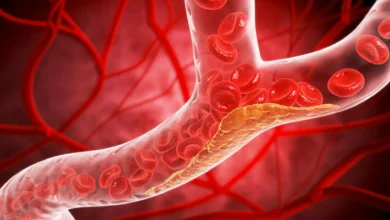
One of the most disruptive aspects of the new study is its direct challenge to the widely accepted belief that moderate drinking offers a protective effect against heart disease. For years, observational studies have pointed to a statistical correlation between light-to-moderate drinking—often defined as up to seven drinks per week for women and fourteen for men—and lower rates of ischemic heart disease. Ischemic heart disease occurs when narrowed or blocked arteries restrict blood flow, depriving the heart muscle of necessary oxygen.
While the authors of the current study acknowledged that low-level alcohol intake may indeed show a statistical association with a reduced risk of certain ischemic events, they stressed that viewing this single metric in isolation is misleading. When the researchers calculated the net health effects across all associated conditions—including the elevated risks of various cancers, liver pathologies, and traumatic injuries—the supposed cardiovascular benefits were entirely neutralized.
The statistical models demonstrated that no overall protective effect of alcohol exists when evaluating total health outcomes. Even among individuals consuming modest amounts, such as an average of one drink per day, the heightened risk of developing cancer and other fatal conditions outweighed any localized benefits to the vascular system. This crucial nuance explains why a drinking habit that appears advantageous when examining a single disease can still drive up overall morbidity and mortality rates across a lifetime.
The Reality of Everyday Drinking Thresholds and U.S. Dietary Guidelines
The implications of the study hit particularly close to home for millions of Americans whose regular social habits fall well within what is traditionally considered moderate. The research indicates that consuming two alcoholic drinks per day—a level socially acceptable and common in many households—is associated with a substantially elevated risk of premature death and lifelong disability attributable to alcohol.
This finding brings sharp focus to the ongoing debate surrounding official federal nutrition and health policy. The latest edition of the U.S. Dietary Guidelines advises Americans to "limit alcoholic beverages," a qualitative recommendation that advises caution but intentionally avoids specifying a precise numerical threshold for safe consumption. This current stance represents a notable shift from historical guidelines, which explicitly established daily maximum limits of two drinks for men and one drink for women.
Standard drink measurements in the United States generally correspond to 12 ounces of regular beer (roughly 5 percent alcohol), 5 ounces of wine (roughly 12 percent alcohol), or 1.5 ounces of distilled spirits (roughly 40 percent alcohol). However, critics and researchers alike argue that broad admonitions to "limit" consumption lack the quantitative clarity required for individuals to make truly informed health choices. The authors of the study designed their analysis specifically to bridge this gap, providing concrete risk estimates across a sliding scale of consumption to demonstrate precisely how danger escalates as drinking increases.
Expert Perspectives and Population-Level Implications
The gravity of the study’s findings has drawn commentary from leading epidemiologists and addiction science experts on both sides of the northern border. Dr. Katherine M. Keyes, a professor of epidemiology at the Columbia University Mailman School of Public Health and a co-author of the study, emphasized the unprecedented scope of the population-level estimates.
"This study provides the most comprehensive U.S. estimates to date of lifetime risks of alcohol-attributable mortality and morbidity, showing that even moderate levels of consumption increase the risk of premature death and disability," Dr. Keyes stated. She reinforced the core finding regarding cardiovascular health, adding, "No protective effect of drinking was observed even at low levels."
Echoing these concerns, lead study author Dr. Kevin Shield—an associate professor at the University of Toronto and senior scientist who leads the World Health Organization and Pan American Health Organization Collaborating Centre in Addiction and Mental Health—pointed to the continuous, dose-dependent nature of alcohol-related harm.
"Even low levels of alcohol use come with health risks," Dr. Shield noted. "And that risk continues to increase the more someone drinks." Both researchers underscored that while these statistical models utilize the highest-quality available data to map population trends, individual health outcomes will naturally vary based on personal genetics, baseline lifestyle factors, and specific patterns of consumption. Nevertheless, the overarching epidemiological threshold remains clear: consumption exceeding the equivalent of one drink per day begins to measurably tip the scales toward net physical harm.
Controversy and Sidelining in Federal Policy Formation
Beyond its epidemiological conclusions, the study has sparked a secondary controversy regarding how scientific data is integrated into public policy. In an accompanying editorial published alongside the research, Robert M. Vincent, a former associate administrator for the U.S. Substance Abuse and Mental Health Services Administration, shed light on the turbulent administrative backdrop of the project.
According to Vincent, the comprehensive review—formally titled the Alcohol Intake and Health report—was explicitly commissioned and invited by federal authorities to directly inform alcohol-related guidance during the formulation of the Dietary Guidelines for Americans. Despite the research team strictly adhering to their scientific mandate and producing exhaustive data, Vincent asserts that the final findings were sidelined during the policy-making process.
This revelation has amplified existing criticisms from public health advocates who argue that political and economic pressures frequently dilute federal health advisories, preventing clear, evidence-based warnings from reaching the American public. By keeping specific risk numbers out of official literature, critics contend that consumers are left unequipped to accurately weigh the long-term consequences of casual alcohol consumption.
Chronology of Evolving Alcohol Research and Public Policy
To understand the weight of the current study, it is helpful to examine the historical trajectory of alcohol research and dietary policy over the past several decades:
- 1990s – Early 2000s: Observational studies gain widespread media attention for suggesting a "U-shaped curve" in alcohol health risks, famously popularizing the idea that a glass of red wine daily protects against heart disease.
- 2010s: Public health agencies worldwide begin re-examining the methodological flaws in early observational studies, noting that many non-drinkers used in comparison groups had quit alcohol due to pre-existing health conditions, skewing the data.
- 2018: A landmark global study published in The Lancet analyzes alcohol use across 195 countries and concludes that the safest level of drinking is zero, initiating a major paradigm shift in global addiction science.
- 2020-2025: The U.S. Dietary Guidelines advisory committee evaluates emerging evidence on alcohol, transitioning away from distinct gender-based drink limits toward a generalized "limit consumption" advisory, though specific quantitative risks remain absent from final text.
- Current Publication: The Journal of Studies on Alcohol and Drugs releases the most comprehensive U.S. lifetime risk assessment to date, demonstrating that moderate intake elevates the risk of cancer, premature death, and disability without offering net cardiovascular protection.
Broader Economic, Social, and Public Health Impact
The publication of this research arrives at a time when public health agencies are grappling with shifting drinking patterns, particularly in the wake of the COVID-19 pandemic, during which alcohol consumption and alcohol-related mortality notably surged across the United States. The financial and societal costs of alcohol-attributable diseases—ranging from emergency room visits for injuries to long-term cancer treatments and lost workforce productivity—cost billions of dollars annually.
From an economic perspective, widespread societal acceptance of moderate drinking has long shielded the alcohol beverage industry from the type of stringent public health messaging routinely applied to tobacco products. If federal agencies and medical boards begin adopting the "less-is-best" framework supported by Dr. Keyes, Dr. Shield, and their colleagues, it could fundamentally alter public perception, marketing regulations, and corporate liability.
Furthermore, the medical community faces the challenge of communicating these nuanced statistical risks without inducing panic or paralysis among patients. Because individual vulnerability to alcohol-related diseases varies significantly based on genetic predisposition, family medical history, and personal habits, public health messaging must evolve from blanket assertions into personalized risk assessment. Physicians may increasingly need to discuss alcohol intake with patients during routine check-ups in the same manner they discuss cholesterol levels, blood pressure, and physical activity.
Ultimately, the new study bridges a critical gap in contemporary health literature by synthesizing decades of complex data into actionable, population-wide insights. By dismantling the long-standing myth of the health-protecting drink and quantifying the cumulative toll of everyday consumption, the research empowers individuals to make genuinely informed choices about their health, while applying mounting pressure on policymakers to align national dietary advice with modern scientific reality.
Related posts: