The Simple Daily Habit Backed by Science: How Eating Nuts Can Significantly Boost Longevity and Heart Health


The pursuit of longevity and optimal health often conjures images of restrictive regimens, grueling fitness routines, and complex dietary protocols. For many, the prospect of altering one’s health trajectory feels daunting, typically accompanied by the expectation of an arduous list of culinary dos and don’ts. However, contemporary nutritional science increasingly points to interventions that are remarkably straightforward. Among the most robustly supported habits in modern preventive medicine is an ancient and accessible dietary staple: tree nuts and peanuts. Accumulating evidence indicates that consuming a modest daily serving of nuts can profoundly impact overall health, mitigate chronic disease risks, and extend life expectancy.
Far from being a fleeting wellness trend supported by anecdotal evidence, the health benefits of nuts are anchored in decades of rigorous epidemiological and clinical research. Major scientific reviews, including landmark meta-analyses published in peer-reviewed journals such as BMC Medicine, have synthesized data from massive, long-term prospective cohorts. These studies have followed hundreds of thousands of participants across diverse geographical regions and socioeconomic backgrounds over extended periods, consistently revealing a compelling inverse relationship between regular nut consumption and all-cause mortality.
Main Facts and Epidemiological Findings
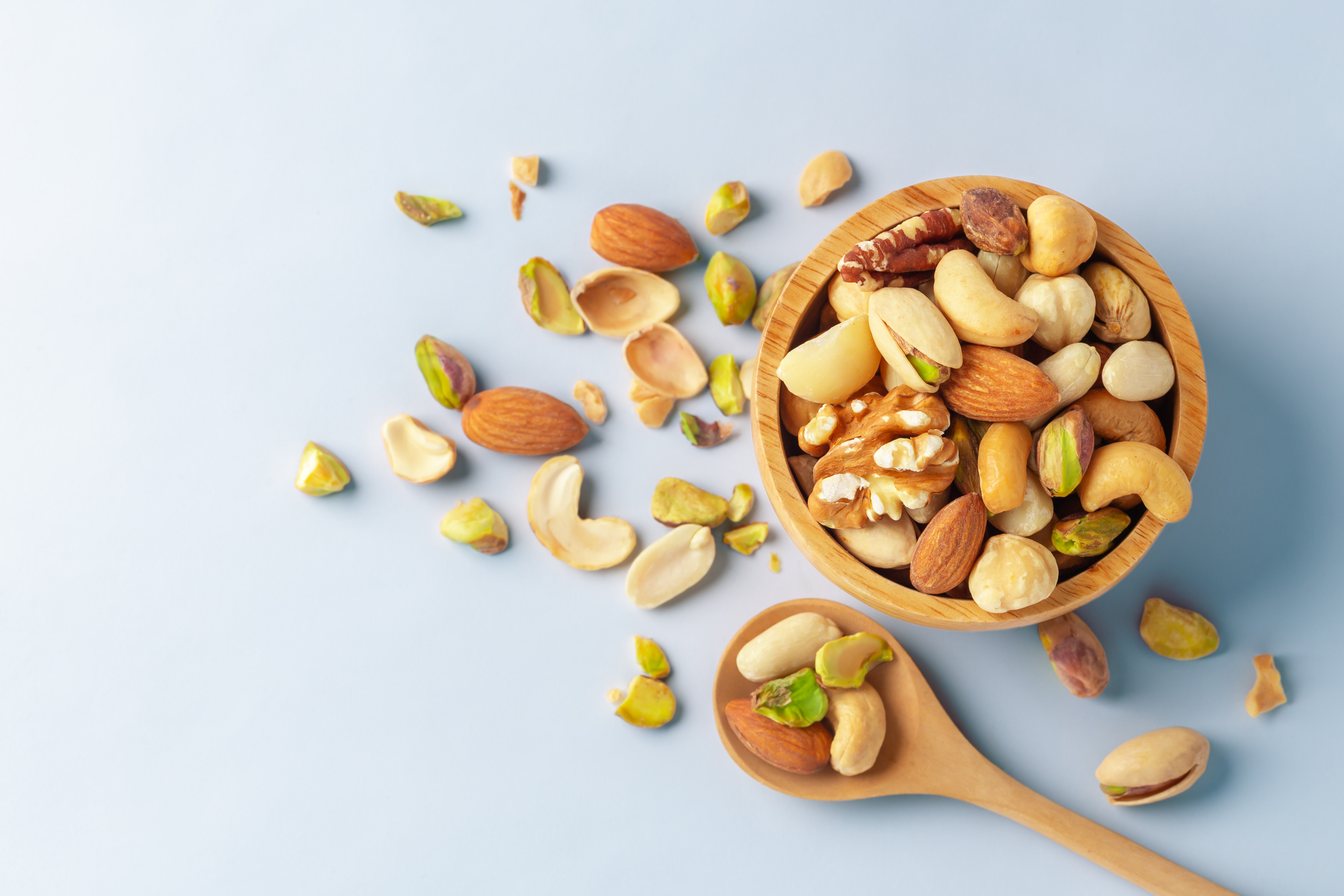
At the core of this scientific consensus is a quantifiable metric of health longevity. Research demonstrates that individuals who consume approximately one ounce of nuts per day—roughly equivalent to a golf ball-sized portion or a small handful—experience a 22 percent lower risk of dying from any cause compared to those who rarely or never consume nuts. This longevity dividend remains consistent across varying populations, age brackets, and underlying dietary patterns, suggesting that the physiological advantages of nuts are fundamental and universally applicable.
The protective mechanisms of nuts lie in their complex and nutrient-dense biochemical profile. Although nuts are calorie-dense, their caloric energy is bundled with a synergistic matrix of macronutrients and micronutrients. They are exceptionally rich in monounsaturated and polyunsaturated fats, which are critical for maintaining cardiovascular integrity and supporting cognitive function. Furthermore, nuts provide high-quality plant-based protein, dietary fiber that supports a healthy gastrointestinal microbiome, and essential minerals including magnesium, potassium, and selenium. Beyond basic nutrition, nuts are powerhouses of bioactive compounds, particularly polyphenols and other antioxidants. These molecules play a vital role in neutralizing free radicals, suppressing systemic inflammation, and mitigating oxidative stress—two foundational pathological drivers that accelerate biological aging and foster the development of chronic diseases over time.
Chronology and Evolution of Nutritional Science on Nuts
The scientific journey toward understanding the health value of nuts has evolved significantly over the last several decades, shifting public perception from fear of dietary fats to an appreciation of functional foods.
During the low-fat diet craze of the late 20th century, high-calorie foods like nuts were frequently demonized and discouraged by mainstream nutritional guidelines due to their fat content. However, the paradigm began to shift in the early 1990s as epidemiological studies, most notably the Nurses’ Health Study and the Health Professionals Follow-up Study, began to report unexpected inverse associations between nut consumption and the incidence of fatal and non-fatal coronary heart disease.
By the early 2000s, the U.S. Food and Drug Administration (FDA) issued a qualified health claim acknowledging that eating 1.5 ounces per day of most nuts, as part of a diet low in saturated fat and cholesterol, may reduce the risk of heart disease. This regulatory milestone marked a turning point in nutritional policy.
The ensuing decades saw a surge in high-tier clinical investigations. The publication of the PREDIMED (PREvención con DIeta MEDiterránea) trial results in the 2010s provided the gold standard of evidence: randomized controlled trial data demonstrating that adding nuts to a Mediterranean diet actively caused a reduction in cardiovascular events. Concurrently, comprehensive meta-analyses, such as the prominent 2016 review in BMC Medicine, solidified the global scientific consensus, elevating nuts from a casual snack to an evidence-based preventative therapeutic.
Cardiovascular Health and Clinical Trial Data
The impact of regular nut consumption is most pronounced within the cardiovascular system. The BMC Medicine meta-analysis revealed that daily nut eaters enjoyed a 21 percent lower risk of developing cardiovascular disease overall. More specifically, their risk of coronary heart disease—the primary pathological precursor to myocardial infarctions—was reduced by 25 to 29 percent. Because these findings represent an aggregation of numerous independent cohort studies, their statistical power and reliability are exceptionally high.
To establish true causality rather than mere correlation, researchers turned to randomized controlled trials. The PREDIMED trial stands as the definitive investigation in this regard. Conducted across multiple clinical centers in Spain, the study evaluated individuals at high risk for cardiovascular disease who were assigned to follow a Mediterranean diet supplemented either with extra-virgin olive oil or a daily mixture of walnuts, almonds, and hazelnuts.
The results were striking. Participants receiving the nut-supplemented Mediterranean diet experienced approximately a 30 percent reduction in major cardiovascular events, including heart attacks and strokes. Notably, a specific arm of the study demonstrated nearly a 50 percent reduction in the risk of stroke alone. Because randomized trials control for confounding variables far more effectively than observational studies, these findings transformed cardiological guidelines globally, positioning nuts as a formidable tool in primary prevention.
Oncology, Chronic Disease Prevention, and Longevity
The physiological benefits of nuts extend far beyond the heart, offering protective effects against neoplastic and inflammatory conditions. The same broad-scale analyses that tracked cardiovascular markers also uncovered notable associations with cancer mortality. Regular consumers of nuts exhibited an 11 percent lower risk of dying from cancer.
Certain malignancies demonstrated even stronger inverse correlations. For instance, the incidence of colorectal cancer was found to be significantly lower among frequent nut eaters. Oncologists and nutritional biochemists attribute this protection to the multifaceted biochemical action of nut components. Dietary fiber promotes healthy bowel transit and fosters a robust microbiome capable of producing short-chain fatty acids with anti-tumorigenic properties, while polyphenols and antioxidants protect cellular DNA from oxidative damage and inhibit aberrant cellular proliferation.
Furthermore, the anti-inflammatory properties of nuts help regulate metabolic pathways. Chronic, low-grade systemic inflammation is implicated not only in heart disease and cancer but also in neurodegenerative disorders and type 2 diabetes. By modulating inflammatory cytokines and improving endothelial function, regular nut intake helps maintain systemic physiological homeostasis.
Addressing the Calorie Misconception and Weight Management

A primary psychological barrier preventing many individuals from incorporating nuts into their diets is the fear of weight gain. Given that nuts are energy-dense, conventional wisdom once suggested they would contribute to obesity. However, modern nutritional science has repeatedly dismantled this assumption.
Extensive clinical research demonstrates that incorporating nuts into a daily regimen does not lead to weight gain. In fact, studies frequently show the opposite: moderate nut consumers often exhibit lower body mass indices (BMIs) and may even experience spontaneous reductions in overall caloric intake. This phenomenon is explained by several physiological mechanisms. First, the combination of healthy fats, protein, and viscous fiber induces prolonged satiety, effectively suppressing appetite and delaying gastric emptying. Second, human studies utilizing fecal analysis have revealed that not all the fat content within nuts is completely absorbed by the digestive tract; a portion of the lipid content remains entrapped within the rigid plant cell walls and is excreted. Finally, chewing nuts thoroughly requires active mechanical processing, which triggers neural satiety signals that help individuals regulate their intake more mindfully.
Broader Economic and Public Health Implications
From a public health perspective, the widespread promotion of simple, cost-effective dietary interventions like daily nut consumption holds profound economic and societal implications. Chronic non-communicable diseases—primarily cardiovascular conditions, cancers, and metabolic disorders—account for the vast majority of global healthcare expenditures and premature mortality.
Public health economists note that while pharmaceutical interventions are vital for disease management, primary lifestyle prevention offers the highest return on investment. If a population-wide shift toward incorporating a daily serving of nuts could yield even a fraction of the 20 to 30 percent risk reductions observed in clinical literature, the reduction in healthcare burdens would be immense. Millions of dollars in averted hospitalizations, pharmacotherapy costs, and lost productivity could be saved.
Moreover, unlike complex lifestyle overhauls that require sustained behavioral counseling or expensive infrastructure, eating a handful of nuts is an accessible habit that requires minimal behavioral modification. It requires no refrigeration, preparation, or specialized culinary skill, making it uniquely viable across diverse socioeconomic demographics.
Conclusion and Future Directions in Nutritional Research
The convergence of historical epidemiological data, modern clinical trials, and biochemical analysis establishes nut consumption as one of the most reliable and scientifically validated dietary habits available. As nutritional science continues to advance—with ongoing investigations into how nut-derived metabolites interact with individual human genomes and microbiomes—the fundamental advice remains remarkably consistent.
Integrating a small, daily portion of nuts into one’s diet bridges the gap between scientific discovery and everyday health practice. It represents a rare intersection where rigorous clinical evidence, ease of adoption, and culinary enjoyment align, offering a clear, accessible pathway toward enhanced longevity and long-term wellness.