For decades, sauna bathing has been regarded primarily as a cultural ritual or a method of relaxation, particularly in Northern European nations like Finland, where the practice is deeply woven into the fabric of daily life. However, recent scientific investigations have begun to peel back the layers of this tradition, revealing that the intense thermal environment of a sauna does far more than soothe aching muscles or reduce psychological stress. A landmark study published in the scientific journal Temperature has provided compelling evidence that a single 30-minute sauna session, punctuated by a brief cold-water immersion, acts as a physiological catalyst that mobilizes the body’s immune defenses.
The study, which examined a cohort of 51 adults with an average age of 50, found that this thermal routine triggers a rapid, temporary surge of white blood cells into the bloodstream. This discovery sheds new light on the interplay between environmental stressors and human physiology, suggesting that the sauna may function as a form of "passive exercise" for the immune system.
The Mechanism of Immune Surveillance
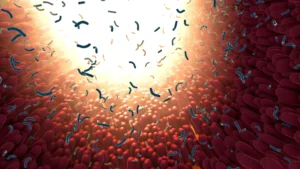
To understand the significance of these findings, one must first consider the nature of immune surveillance. Under normal conditions, a significant portion of the body’s white blood cells—the specialized "sentinels" of the immune system—reside within tissues, lymph nodes, and the spleen. They are not always actively patrolling the peripheral circulation. However, the study conducted by researchers at the University of Eastern Finland and the University of Turku demonstrates that the combined heat-and-cold stress of a sauna session forces these cells out of their storage sites and into the bloodstream.
By increasing the density of circulating neutrophils and lymphocytes, the body effectively heightens its state of alert. Neutrophils, which are among the first responders to bacterial invasions, and lymphocytes, which are responsible for recognizing specific antigens and coordinating the adaptive immune response, were both found to be significantly elevated following the sauna protocol.
"This may indicate that sauna bathing mobilizes additional white blood cells into the bloodstream from tissues, where they are then redeposited after the session," explains Ilkka Heinonen, an Academy Research Fellow at the University of Turku. "This kind of periodic release of white blood cells into the bloodstream is beneficial, as once they leave their storage sites, they are better able to patrol the body and respond to pathogens."
Chronology of the Physiological Response
The researchers documented a highly dynamic timeline regarding these immune shifts. During the study, participants underwent a standardized protocol: a 30-minute sauna session interrupted midway by a brief cold shower. The blood analysis revealed a sharp spike in white blood cell counts immediately upon exiting the thermal environment.
Crucially, this response was ephemeral. Within 30 minutes of completing the session, the levels of neutrophils and lymphocytes returned to their baseline state. This rapid return to equilibrium highlights the transient nature of the response, distinguishing it from the prolonged immune activation seen during an actual infection.
The researchers noted that while the white blood cell count normalized quickly, other markers—specifically cytokines—showed a more nuanced pattern. Cytokines are small proteins that act as chemical messengers between immune cells, facilitating communication and directing inflammatory responses. While the average levels of cytokines remained relatively stable across the group, the researchers discovered a direct correlation between individual body temperature increases and fluctuations in specific cytokine levels. This suggests that while white blood cell mobilization is a broad, systemic reaction to thermal stress, the signaling pathways controlled by cytokines are more sensitive to the magnitude of the heat exposure itself.
Comparative Physiology: Sauna vs. Exercise
The study’s findings invite a direct comparison between sauna bathing and physical exertion. It is well-documented in sports science that cardiovascular exercise triggers a similar mobilization of immune cells into the bloodstream. This is widely considered an evolutionary adaptation: during physical activity, the body anticipates potential injury or exposure to environmental pathogens and prepares its defense systems accordingly.
The Finnish researchers suggest that sauna bathing mimics this "stress response" without the mechanical load of physical activity. By inducing a state of hyperthermia—a controlled increase in core body temperature—the sauna forces the cardiovascular and endocrine systems to work harder, triggering a "fight or flight" adjacent response. However, the scientists are careful to note that while the outcomes regarding white blood cell movement are comparable, the underlying physiological pathways are not identical. The sauna experience involves passive heat transfer and subsequent cooling, which lacks the muscle-fiber micro-trauma and metabolic demands associated with intense exercise.
Limitations and Clinical Context
While the findings are promising, they do not yet establish a causal link between sauna usage and reduced susceptibility to infectious diseases. The study was narrow in its scope, focusing on the acute, immediate reactions of the immune system rather than long-term health outcomes.
Professor Jari Laukkanen, who led the study, emphasized that caution is required when interpreting these results. "The study examined only the immediate effects of one sauna session, and the observed changes in white blood cells were short-lived," he noted.
Furthermore, the integration of a cold shower into the sauna routine adds another variable to the mix. It is currently unclear whether the immune response is driven primarily by the heat, the cooling, or the dramatic contrast between the two. The "thermal shock" of moving from a hot environment to a cold one is a staple of traditional Nordic sauna culture, but from a strictly clinical perspective, it complicates the task of isolating the specific physiological trigger.
Implications for Public Health
Despite the need for further research, the study provides a vital piece of the puzzle regarding why regular sauna users often report better health outcomes in epidemiological studies. For years, observational data has suggested that frequent sauna use is associated with lower risks of cardiovascular disease and respiratory infections. By identifying a mechanism—the rapid mobilization of immune cells—the current research offers a plausible biological explanation for these associations.
If regular, periodic mobilization of immune cells via sauna bathing helps maintain a more "alert" immune system, it could have significant implications for how we view preventative healthcare. In an era where individuals are increasingly looking for non-pharmacological methods to support immune function, these findings offer a compelling, science-backed justification for a practice that has been cherished for centuries.
The research also opens the door to further study on how heat therapy might be used in clinical settings, particularly for populations who are unable to engage in strenuous exercise but could benefit from the "passive" mobilization of immune cells. Whether this could eventually lead to standardized "thermal protocols" for therapeutic use remains a subject for future investigation.
Summary of Scientific Significance
The University of Eastern Finland’s research does not claim that a sauna visit serves as a substitute for vaccinations or standard medical care. Rather, it underscores the remarkable adaptability of the human body in response to environmental stimuli. The ability of the immune system to pivot so rapidly—increasing its patrol strength within minutes of heat exposure—demonstrates a high level of physiological plasticity.
As the scientific community continues to explore the intersections of temperature, inflammation, and immune regulation, this study stands as a foundational reference. It moves the conversation surrounding saunas from the realm of anecdotal wellness into the domain of measurable, evidence-based physiology. For the millions of people who enjoy a weekly sauna session, the news is a validation of what their bodies have been telling them all along: the heat is not just a way to relax; it is a sophisticated, albeit temporary, activation of the body’s most essential defense mechanism.
Future longitudinal studies will likely seek to determine if these transient spikes in immune cell circulation translate into a measurable reduction in illness over time. Until then, the Finnish research serves as a reminder that the human body is a dynamic system, constantly adjusting its internal environment to meet the challenges posed by the external world.
Related posts: