A Breakthrough in Bone Health: Leipzig Researchers Identify GPR133 as a Potential Therapeutic Target for Osteoporosis

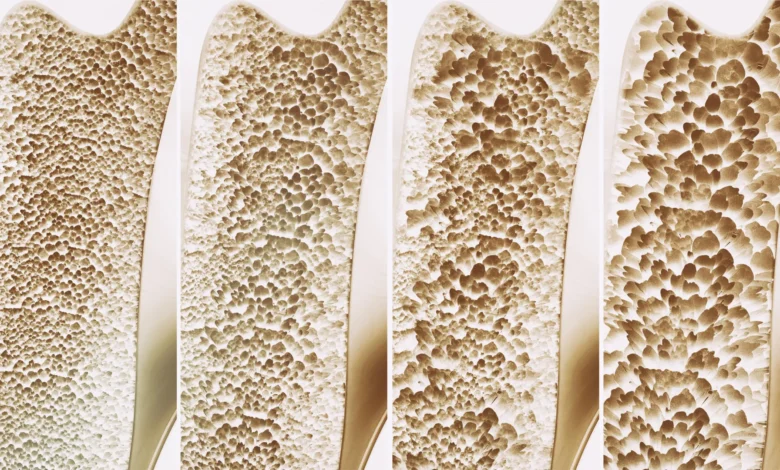
Osteoporosis remains one of the most pervasive and challenging conditions in modern geriatric medicine, characterized by the systemic deterioration of bone microarchitecture and a consequent increase in fragility fractures. In Germany alone, approximately six million individuals suffer from the condition, with a disproportionate burden falling on postmenopausal women. As the global population ages, the clinical urgency to move beyond existing pharmacological interventions—which often carry limitations regarding long-term safety and efficacy—has become a priority for international biomedical research. A significant stride toward this goal has been achieved by a research team at Leipzig University, which has identified a previously obscure biological receptor, GPR133, as a pivotal regulator of skeletal integrity.
The discovery, stemming from years of dedicated study at the Rudolf Schönheimer Institute of Biochemistry, offers a potential paradigm shift in how clinicians might preserve or rebuild bone density. By targeting the GPR133 receptor, researchers believe they have uncovered a mechanism that could simultaneously bolster bone mass and muscle strength, addressing the dual decline in musculoskeletal health that frequently leads to loss of mobility and independence in the elderly.
A New Biological Target in the Adhesion GPCR Family
GPR133 belongs to the adhesion G protein-coupled receptor (aGPCR) family, a complex group of proteins embedded in the cell membrane that act as biological sensors, translating environmental stimuli into intracellular signaling cascades. Despite their prevalence and functional importance, aGPCRs have historically been difficult to study due to their complex structural dynamics and the specialized nature of their activation.
The Leipzig study, led by Professor Ines Liebscher, utilized advanced computational modeling to screen for substances capable of modulating this receptor. Their findings suggest that GPR133 is not merely a passive structural component but a master regulator of bone homeostasis. The research team observed that when GPR133 is genetically impaired in murine models, the subjects exhibit early-onset bone density loss, mimicking the clinical presentation of human osteoporosis. This causal link established the receptor as a primary candidate for therapeutic intervention.
The Mechanism of Action: Rebalancing Bone Remodeling
Bone health is maintained through a delicate, lifelong process of remodeling, governed by two primary cell types: osteoblasts, which synthesize and mineralize new bone tissue, and osteoclasts, which perform the essential function of bone resorption. In a healthy skeletal system, these processes exist in a state of dynamic equilibrium. In osteoporosis, this balance is disrupted, typically manifesting as an overactive resorption phase or an insufficient bone-forming response.
The activation of GPR133 via the newly identified stimulator compound, AP503, appears to restore this equilibrium. Experimental results indicate that stimulating the receptor triggers signaling pathways that simultaneously upregulate the activity of osteoblasts while suppressing the destructive capacity of osteoclasts. By shifting the cellular environment toward an anabolic, or bone-building, state, the treatment effectively increases bone strength. Crucially, this effect was observed not only in healthy mice but also in those already manifesting osteoporosis-like bone loss, suggesting that the therapeutic approach could be used both as a preventative measure and as a restorative treatment for existing fractures or advanced mineral density loss.
Chronology and the Evolution of Leipzig’s GPCR Research
The identification of GPR133 is not an isolated event but the culmination of over a decade of systematic inquiry at Leipzig University. The institution has long prioritized the study of adhesion GPCRs, establishing the Collaborative Research Center (CRC) 1423, titled "Structural Dynamics of GPCR Activation and Signaling."
The timeline of this discovery reflects the methodical nature of modern molecular biology:
- 2010–2015: Leipzig University builds infrastructure for deep-dive structural analysis of GPCRs, positioning itself as an international hub for the field.
- 2016–2020: The team begins focusing on the specific signaling pathways of the adhesion subgroup, identifying GPR133 as a receptor of interest due to its high expression in specific tissue types.
- 2021–2023: Researchers employ computer-assisted screening—a process involving the virtual testing of millions of chemical compounds—to identify AP503 as a potent and selective agonist for GPR133.
- 2024: The team publishes findings regarding the role of GPR133 in muscle maintenance, providing evidence that the receptor is a cross-tissue regulator.
- 2025: The current study establishes the parallel benefit of AP503 in bone tissue, confirming the receptor’s role in skeletal health.
Implications for the Aging Population
The potential dual-action of AP503—simultaneously strengthening bone and skeletal muscle—represents a significant innovation. Clinical research has long noted the phenomenon of "osteosarcopenia," a condition where the combined loss of bone and muscle mass exacerbates the risk of falls and fractures. Traditional osteoporosis medications, such as bisphosphonates or monoclonal antibodies, primarily focus on the skeletal system, leaving the associated decline in muscle mass unaddressed.
Dr. Juliane Lehmann, the lead author of the study, notes that the parallel strengthening of these tissues highlights the therapeutic potential of the receptor for an aging society. By treating both systems through a single mechanism, clinicians might one day provide a more comprehensive solution that preserves mobility, reduces the incidence of hip and vertebral fractures, and improves the overall quality of life for geriatric patients.
Broader Impact and Future Directions
The implications of this research extend beyond the laboratory. By identifying a druggable target, the Leipzig team has opened the door for pharmaceutical development. However, the path from successful murine studies to human clinical trials is rigorous and lengthy. The next phase of research will likely focus on pharmacokinetic profiling—determining how the human body metabolizes AP503—and assessing long-term safety profiles to ensure that the modulation of GPR133 does not result in off-target effects elsewhere in the body.
Furthermore, the research into GPR133 is expanding. The team is currently exploring whether the receptor’s activation might offer benefits for other degenerative diseases. Given the receptor’s role in sensing physical forces and environmental signaling, the researchers are investigating its presence in other physiological systems, such as the cardiovascular or immune systems.
A Global Perspective on Osteoporosis Treatment
To understand the significance of this discovery, one must consider the limitations of current treatments. Currently, patients with osteoporosis are often treated with anti-resorptive agents, which slow down the removal of bone but do not necessarily stimulate new growth, or anabolic agents, which can be expensive and often require daily injections or specialized monitoring.
If AP503 or a derivative can be developed into a therapeutic agent, it could provide a distinct advantage. If it functions as a small molecule, it might eventually be developed into an oral medication, offering greater patient compliance compared to current injectable therapies. Moreover, the targeted nature of GPR133 activation could potentially minimize the systemic side effects that plague current hormone-based or long-term anti-resorptive treatments.
Conclusion
The research conducted at the Rudolf Schönheimer Institute of Biochemistry underscores the vital importance of fundamental research in addressing the challenges of an aging world. By deciphering the role of GPR133, the Leipzig team has not only contributed to our understanding of human physiology but has also provided a concrete roadmap for future drug development. While the road to clinical availability is still in its early stages, the evidence presented by Professor Liebscher and Dr. Lehmann offers a compelling new frontier in the fight against osteoporosis, suggesting that the key to stronger bones may lie in the complex, hidden signaling networks of our own cells. As the team continues its follow-up projects, the medical community will be watching closely to see if this molecular target can translate its early promise into a tangible benefit for millions of patients worldwide.