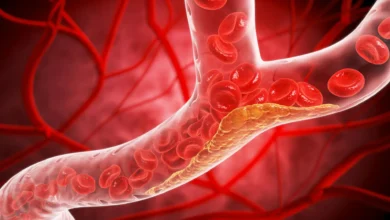
Silent Heart Damage: How Chronic Everyday Stress and Inflammation Threaten Cardiovascular Health


The toll of modern life extends far beyond fleeting moments of anxiety or temporary exhaustion, reaching deep into the physical architecture of the human body. According to a landmark study involving nearly half a million adults in the United Kingdom, the chronic stress and systemic strain tied to everyday life can leave a lasting, detrimental physical mark on the heart. Conducted by researchers at the Medical Research Council (MRC) Laboratory of Medical Sciences (LMS) and Imperial College London, this extensive investigation stands as the largest of its kind to date, offering profound insights into the complex relationship between societal pressures, persistent immune activation, and long-term cardiovascular deterioration.
The findings demonstrate that chronic inflammation—driven heavily by a convergence of lifestyle choices, socioeconomic pressures, and psychological distress—acts as a biological bridge translating external hardships into physical cardiac damage. Most alarmingly, this destructive process often unfolds silently over many years, eroding cardiovascular health long before an individual experiences any outward symptoms, ultimately elevating the risk of severe medical emergencies such as heart attacks and strokes.
The Genesis of the Study and the UK Biobank Resource
To comprehend the scale and significance of this research, one must examine the foundation upon which it was built. The research team turned to the UK Biobank, an expansive, globally recognized biomedical database containing comprehensive genetic, lifestyle, and health information from approximately half a million volunteer participants. By harnessing this vast repository, the scientists were able to conduct an epidemiological evaluation of unprecedented statistical power.
The investigation centered on glycoprotein acetyls (GlycA), a robust blood biomarker of systemic inflammation. Unlike standard inflammatory markers that fluctuate rapidly in response to acute infections like the common cold, GlycA provides a stable measure of chronic, low-grade immune activation over longer periods. The researchers integrated these blood measurements with advanced cardiac magnetic resonance (CMR) imaging data and detailed genetic profiles from the cohort.
By cross-referencing these datasets, the team sought to map out how persistent, low-level inflammation interacts with genetic predispositions and environmental factors to reshape the heart over time. The results paint a stark picture of how social inequalities and daily psychological burdens manifest biologically within vital organs.
Quantifying the Risk: A 43 Percent Surge in Cardiac Events
The statistical correlations uncovered by the research team leave little room for ambiguity regarding the dangers of sustained high inflammation. When researchers stratified the participants based on their GlycA levels, those individuals falling into the top 20 percent—indicating the highest levels of chronic inflammation—faced a staggering 43 percent higher risk of experiencing a heart attack or stroke compared to the 20 percent of participants with the lowest inflammation levels.
Crucially, this elevated risk persisted even after researchers controlled for pre-existing cardiovascular conditions, demonstrating that chronic inflammation independently drives cardiovascular vulnerability. Furthermore, cardiac imaging revealed tangible physical alterations in the hearts of individuals with high inflammatory markers. These participants frequently exhibited structural remodeling, characterized by thickening of the heart walls, diminished internal chamber volumes, and impaired ventricular filling capabilities.
In clinical cardiology, these structural abnormalities are recognized as precursors to heart failure. Because these changes develop insidiously and without early warning signs, millions of individuals may walk around entirely unaware that their cardiovascular systems are undergoing progressive, degenerative transformation.
Unraveling the Roots: Socioeconomic Disadvantage and Psychological Distress
One of the most compelling dimensions of the study is its exploration of the socio-environmental determinants of health. While traditional cardiovascular risk factors—such as cigarette smoking, physical inactivity, and excessive body fat—remained robustly linked to elevated inflammation, the research revealed an equally potent connection to socioeconomic status and psychological well-being.
Poverty, financial instability, demanding work environments, chronic anxiety, and depression emerged as powerful catalysts for systemic immune activation. The human body, it appears, registers the trials of socioeconomic adversity and mental strain as physiological threats. When these stressors are perpetual rather than episodic, the immune system remains locked in a state of mild, unresolved activation.
This persistent immune response triggers the continuous release of inflammatory cytokines, which over time degrade vascular health and remodel myocardial tissue. Thus, the study provides a concrete biological mechanism explaining long-standing epidemiological observations that individuals from disadvantaged socioeconomic backgrounds suffer from disproportionately higher rates of cardiovascular disease.
Genetics, Resilience, and Individual Susceptibility
While environmental and social pressures play a monumental role in shaping inflammatory responses, the study underscores that destiny is not entirely written by one’s surroundings. Genetic analyses conducted by the research team revealed a strong hereditary component influencing how individuals react to lifestyle and societal stressors.
Certain genetic profiles confer natural resilience, shielding individuals from the worst inflammatory consequences of stress or poor lifestyle habits, while other genetic variations heighten susceptibility. However, the researchers emphasize that neither genetic vulnerability nor a difficult socioeconomic background renders heart disease an inevitability.
Instead, these insights provide a roadmap for precision medicine. By combining inflammation blood tests with polygenic risk scores—which calculate an individual’s cumulative genetic risk for specific conditions—healthcare providers could theoretically identify vulnerable individuals long before symptoms manifest. This proactive approach would allow for targeted lifestyle interventions and early medical monitoring for those most at risk.
The Horizon of Anti-Inflammatory Therapeutics
Beyond lifestyle modifications and socioeconomic reform, the study’s deep dive into molecular mechanisms points toward novel pharmacological interventions. The researchers identified specific inflammatory proteins belonging to the interleukin-1 and tumor necrosis factor (TNF) families as primary drivers of the observed cardiac damage.
Significantly, several of these exact inflammatory pathways are already the focus of active pharmacological investigation in ongoing clinical trials. Drugs designed to selectively inhibit these specific proteins are currently being evaluated for various inflammatory and cardiovascular indications. The new findings elevate the prospect that anti-inflammatory medications could eventually serve as a cornerstone in the primary prevention of cardiovascular disease, safely neutralizing hidden inflammation before it has the opportunity to structurally compromise the heart.
Expert Perspectives and the Call for Comprehensive Action
The publication of these findings has drawn widespread attention and commentary from leading cardiovascular scientists and medical institutions, who view the study as a transformative milestone in preventive cardiology.
Professor Declan O’Regan, British Heart Foundation (BHF) Chair of Cardiovascular AI at Imperial College London and Head of the Computational Cardiac Imaging Group at the LMS, articulated the gravity of the discoveries. "Our study, which is the largest of its kind, suggests that millions of people could be living with hidden inflammation, which is slowly changing their heart and causing long-term damage—increasing the risk of heart attack and stroke," Professor O’Regan stated. He noted that while addressing broader systemic health inequalities remains an immense societal challenge, individuals still possess actionable pathways to mitigate risk, such as eliminating smoking and managing weight. "The surprising thing was how much social factors and mental health are linked to inflammation and damage to the heart—as well as more well-known risk factors like smoking and inactivity," he added.
Echoing these sentiments, Professor Bryan Williams, Chief Scientific and Medical Officer at the British Heart Foundation, emphasized the dual nature of the body’s immune responses. "Inflammation is part of the body’s healing process, but there is also a darker side to it," Professor Williams remarked. He highlighted that the research bridges the gap between genetics, lifestyle, mental health, and socioeconomic status, demonstrating how these disparate elements converge to trigger silent cardiac remodeling. "It is to be hoped that anti-inflammatory medicines could become an important tool in preventing cardiovascular disease," he concluded, while reiterating the continued necessity of promoting healthy lifestyle choices and addressing the root environmental causes of chronic stress.
Broader Implications for Public Health and Policy
The implications of this extensive research extend far into the realms of public health policy and clinical practice. Traditionally, cardiovascular screening programs have focused heavily on conventional metrics such as blood pressure, cholesterol panels, and blood glucose levels. The integration of inflammatory biomarkers like GlycA into routine assessments could fundamentally reshape how physicians evaluate cardiovascular risk, shifting the paradigm from reactive treatment to proactive, early-stage prevention.
Furthermore, the undeniable link between socioeconomic adversity, psychological distress, and physical heart damage reinforces the argument that cardiovascular health policy cannot be divorced from social policy. Addressing housing stability, economic inequality, and mental health support infrastructure is, by extension, a form of preventative cardiology.
As the medical community continues to digest the wealth of data provided by the UK Biobank cohort, the overarching message remains clear: protecting the human heart requires a holistic strategy that looks beyond the confines of the clinic. By recognizing chronic everyday stress and hidden inflammation as legitimate physiological threats, modern medicine moves one step closer to intercepting cardiovascular disease at its very inception, offering renewed hope for longer, healthier lives across diverse populations.