Beyond the Spice Rack: Evaluating the Therapeutic Potential of Culinary Herbs and Antioxidants

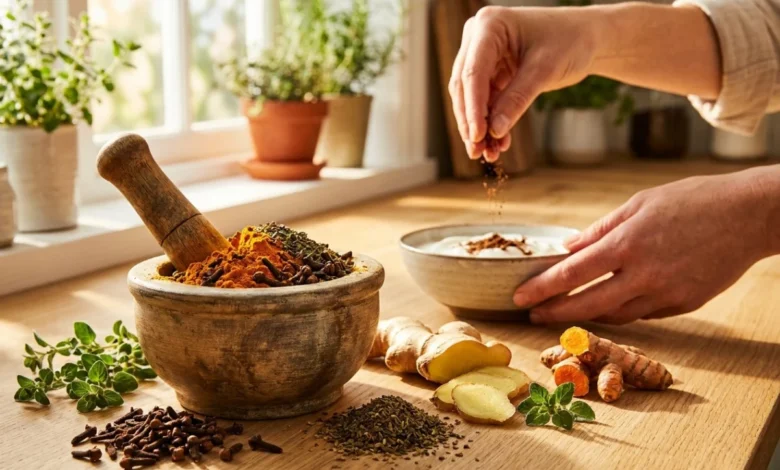
While cinnamon has long occupied the spotlight as a premier antioxidant-rich spice, a growing body of clinical research suggests that the true "kitchen pharmacy" extends far beyond this singular ingredient. A pooled analysis of 21 meta-analyses, comprising 139 placebo-controlled comparisons, has solidified the clinical case for cinnamon, linking regular supplementation to significant reductions in HbA1c, total cholesterol, LDL cholesterol, and blood pressure. However, registered dietitians Seema Shah, Amanda Crowe, and Jennifer Bianchini emphasize that other household staples—specifically cloves, ginger, oregano, and turmeric—possess equally potent, if not superior, profiles of bioactive compounds capable of neutralizing free radicals and curbing systemic inflammation.
The Role of Antioxidants in Cellular Health
At the heart of the nutritional debate is the concept of oxidative stress. Antioxidants are chemical compounds that neutralize free radicals, unstable molecules that cause cellular damage, weaken the immune system, and contribute to the pathogenesis of chronic diseases such as cancer, heart disease, and neurodegenerative disorders. The U.S. Department of Agriculture (USDA) historically utilized the Oxygen Radical Absorbance Capacity (ORAC) database to quantify this potential in a laboratory setting. While the USDA eventually deprecated the database due to concerns that in-vitro measurements do not accurately reflect human bioavailability, ORAC scores remain a standard reference point for comparing the density of phytonutrients in food.
On a per-gram fresh-weight basis, common herbs often outrank fruits and vegetables in antioxidant activity. This high concentration of bioactive compounds—including flavonoids, polyphenols, and essential oils—endows these spices with antibacterial, antifungal, and antiviral properties that have been recognized in both ancient medical traditions and modern clinical investigations.
Cloves: The High-Potency Contender
Cloves stand out as one of the most antioxidant-dense foods on the planet, often eclipsing cinnamon in ORAC testing. Ground cloves contain a high concentration of eugenol, a potent phenolic compound, alongside flavonoids and gallic acid. Research into clove pod antioxidants has suggested that they may remain effective at relatively low dosages. A 2005 study published in the Journal of Applied Toxicology highlighted the protective effects of clove and black cumin against aflatoxicosis in animal models, reinforcing the potential for these spices to act as natural detoxification agents.
Despite their potency, dietitians advise caution. Because cloves are so concentrated, consumption of more than one-fourth teaspoon of ground cloves per day may place undue stress on the liver. The practical application of cloves is best realized through culinary integration—a small pinch added to oatmeal, yogurt, or baked goods, or the use of whole cloves in simmered beverages—which provides a steady, manageable dose of antioxidants without the risks associated with isolated, concentrated oils.
Ginger: An Ancient Anti-Inflammatory
Ginger’s medicinal history spans millennia, from its use in ancient Egyptian and Asian healing practices to its role as a food preservative in ancient Rome and Greece. Modern science has identified gingerol as the primary bioactive compound in fresh ginger, which, upon drying, converts into shogaols. Both compounds exhibit significant anti-inflammatory and anti-tumor potential.
A 2020 research review demonstrated that ginger effectively modulates inflammatory cytokines, reducing pro-inflammatory markers while triggering beneficial ones. Furthermore, a study published in the journal Nutrients revealed that ginger consumption may enhance the diversity of the gut microbiome, a critical factor in immune system regulation. Unlike some supplements, culinary-grade ginger is generally considered safe, though dietitians note that individuals on specific medications or those using highly concentrated extracts should be wary of digestive interactions.
Oregano: More Than a Culinary Staple
While often relegated to savory Italian dishes, oregano contains a robust profile of thymol, carvacrol, and phenolic acids. According to Seema Shah, oregano ranks near the top of the ORAC scale, providing essential support for immune function. Beyond its antioxidant capacity, oregano oil has demonstrated significant antimicrobial and antifungal properties in various laboratory studies.
The complexity of oregano’s benefits lies in its synergy. Flavonoids found in the herb may act as pro-oxidants under specific physiological conditions, effectively signaling for the apoptosis (programmed cell death) of damaged cells, thereby preventing tumor growth. However, experts like Bianchini emphasize that while dried oregano is a safe and beneficial kitchen staple, oregano oil is a potent concentrate that should only be utilized under medical supervision for short-term applications.
Turmeric: The Curcumin Challenge
Turmeric is perhaps the most widely recognized "superfood" spice, revered in Ayurvedic and Traditional Chinese Medicine. Its active compound, curcumin, has been linked to improvements in metabolic syndrome, arthritis, and anxiety. A 2007 study in the Journal of Cellular Biochemistry highlighted curcumin’s role in preventing muscle mass loss by inhibiting specific protein degradation pathways, such as the upregulation of atrogin-1/MAFbx.
Despite these benefits, turmeric presents a unique pharmacological challenge: bioavailability. Culinary turmeric typically contains only 2% to 9% curcumin, and even then, the body struggles to absorb the compound efficiently. To maximize therapeutic value, dietitians recommend pairing turmeric with black pepper (which contains piperine) and a healthy fat source. Furthermore, because curcumin can act as a blood thinner, individuals currently taking anticoagulants must exercise caution to avoid adverse drug interactions.
Chronology of Nutritional Science and the "Kitchen Pharmacy"
The shift in perspective toward spices as therapeutic agents has evolved over the last two decades. In the early 2000s, the focus was largely on the laboratory-based ORAC database, which provided the first numerical evidence of the massive antioxidant density in dried herbs. By 2010, the conversation shifted toward the "Kitchen Pharmacy" model, popularized by integrative medicine practitioners who argued that chronic diseases—such as coronary heart disease—could be mitigated by addressing the lack of dietary antioxidants that protect circulating lipids from oxidation.
By 2015, the focus moved toward bioavailability and gut health, with studies in journals like Nutrients examining how spices specifically alter the gut microbiome. The 2025 landscape, characterized by the comprehensive meta-analysis of cinnamon and the growing focus on anti-inflammatory cytokines, represents a more nuanced understanding: one that values the synergy of whole foods over the singular pursuit of "miracle" supplements.
Implications for Daily Health
The overarching consensus among health experts is that the most effective way to incorporate these antioxidants is through culinary usage rather than concentrated supplementation. While high-dose supplements may offer a rapid infusion of bioactive compounds, they also carry the risk of toxicity, organ stress, and negative interactions with prescription medications.
The "Kitchen Pharmacy" approach advocates for a consistent, moderate intake of these spices as part of a balanced diet. This method ensures that the body receives a steady supply of phytonutrients—including zinc, selenium, iron, copper, and various vitamins—that collectively support detoxification and immune resilience. As Dr. Daniel Amen and other health experts have noted, the foundation of a disease-fighting immune system is rooted in the variety of plant-based nutrients consumed daily.
In summary, while cinnamon remains a well-documented aid for metabolic health, it is merely one component of a broader spectrum of powerful spices. Cloves, ginger, oregano, and turmeric offer a diverse array of benefits, from gut health improvement to potent anti-inflammatory signaling. However, the move toward these spices should be tempered by an understanding of their potency. As dietitians Shah, Crowe, and Bianchini conclude, the goal is not to treat the kitchen as a laboratory for potent chemical extracts, but to utilize the synergistic power of whole herbs to fortify the body’s natural defenses through daily, mindful consumption. For those with specific health conditions or those considering high-dose supplementation, consultation with a healthcare provider remains the essential final step in integrating these powerful natural agents safely into one’s lifestyle.
Related posts: