Unlocking the Biological Clock: How Midlife Genomic Remodeling Shapes Brain Aging and Neurodegenerative Disease Risk


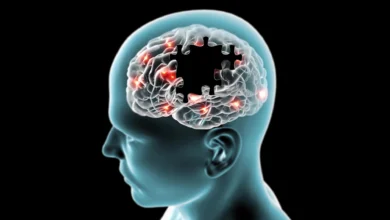
Researchers have uncovered a critical turning point in the human lifespan, identifying that the brain begins to undergo broad, systemic changes in genome regulation during midlife. This discovery, detailed in a new study published in the journal Science, provides a potential explanation for why advancing age remains the most significant risk factor for neurodegenerative conditions, including Alzheimer’s disease and other forms of dementia. By leveraging cutting-edge single-cell technology, the research team has mapped the complex ways in which the brain’s molecular architecture shifts as individuals transition from adulthood into their senior years.
The study, which examined individual cells from the human hippocampus—the brain region primarily responsible for memory formation and spatial navigation—offers one of the most granular views of cellular aging to date. By analyzing samples across a broad demographic spectrum, the scientists were able to track the erosion of genomic stability, revealing that aging is not a linear, passive decline, but rather a dynamic and coordinated transformation of the brain’s internal environment.
A Paradigm Shift in Microglial Biology
Perhaps the most startling finding involves the brain’s immune system. Historically, the prevailing scientific consensus held that microglia—the specialized immune cells responsible for "housekeeping" tasks such as clearing cellular debris and maintaining synaptic health—were established during embryonic development and remained largely static throughout a person’s life.
The new data fundamentally challenges this assumption. Between the ages of 50 and 75, researchers observed a significant, sharp decline in these long-lived, embryo-derived microglia. In their place, the brain increasingly hosts a population of immune cells that possess molecular signatures more closely aligned with immune cells circulating in the blood.
This replacement process is not merely a change in cell identity; it appears to have functional consequences. These "replacement" cells demonstrate stronger inflammatory markers, suggesting that as the brain ages, its internal immune profile shifts toward a state of chronic, low-grade inflammation. This phenomenon, often referred to as "inflammaging," is widely believed to be a contributing factor to the toxic buildup that characterizes neurodegenerative disorders. When microglia deviate from their primary maintenance roles, the accumulation of metabolic waste and toxic proteins can create a toxic microenvironment that impairs neuronal function and promotes disease progression.
The Erosion of 3D Genome Architecture
Beyond the immune system, the research highlights a broad deterioration in the three-dimensional architecture of the genome across multiple cell types. Inside the nucleus of a cell, DNA is not organized in a chaotic tangle. It is folded into a precise, three-dimensional structure that dictates which genes are expressed and which remain silenced. This organizational structure is essential for cellular identity and function.
The study revealed that this "genomic scaffolding" becomes increasingly disorganized with age. As the structural integrity of the genome erodes, the regulatory switches that control gene expression lose their fidelity. This loss of order suggests that the physical deterioration of the genome’s spatial arrangement is a fundamental, perhaps universal, feature of the aging process in brain tissue. The implications are profound: if a cell cannot effectively regulate its genetic output, it loses its ability to respond to physiological stress, repair damage, or maintain the delicate chemical balance required for healthy cognition.
Coordinated Remodeling: A Systems-Level View
The researchers emphasize that these observations point toward a highly coordinated systemic change rather than isolated cellular failures. The study identified that the decline of the blood-brain barrier—the vital filter that prevents blood-borne toxins from entering the brain—occurs in tandem with the shifts in microglial populations and the degradation of genomic structure.
"Importantly, this study reveals that aging is not simply a gradual decline, but involves coordinated and dynamic remodeling of immune, vascular, and neuronal systems," stated Dr. Xiangmin Xu, Chancellor’s Professor and Director of the Center for Neural Circuit Mapping at the University of California, Irvine, and a co-corresponding author of the study. This systems-level perspective suggests that future therapeutic interventions must move beyond targeting a single protein or pathway. Instead, there is a clear, critical need for strategies that aim to preserve the integrity of these integrated circuits throughout the human lifespan.
Contextualizing the 4D Nucleome Program
This breakthrough is the culmination of a decade-long research initiative funded by the National Institutes of Health (NIH). The 4D Nucleome (4DN) Common Fund program, active from 2015 to 2025, was established to address a major gap in modern biology: understanding how the genome’s structure in space and time influences health and disease.
By assembling interdisciplinary teams of geneticists, neuroscientists, and computational biologists, the 4DN program has successfully mapped the spatial organization of the genome across various cell types. This study, published alongside five others in the same issue of Science, represents a cornerstone of the program’s output. Dr. Bing Ren, Scientific Director and CEO of the New York Genome Center and a key figure in the project, noted that the data generated serves as a vital new resource for the global scientific community. By providing a map of how the genome is organized in healthy versus aging tissue, the 4DN initiative has created a roadmap for future investigations into the underlying mechanisms of human development and age-related pathologies.
Clinical Implications and Future Therapeutic Avenues
The clinical implications of these findings are substantial. If researchers can pinpoint the exact molecular triggers that initiate the midlife shift in microglial populations or the structural breakdown of the genome, they may be able to develop interventions that slow, halt, or even reverse these trends.
Currently, treatments for Alzheimer’s and other neurodegenerative diseases are often administered after significant cognitive decline has already occurred. This study suggests that the "window of opportunity" for intervention may open much earlier—likely during midlife, when these regulatory shifts first become detectable.
By identifying specific therapeutic targets aimed at stabilizing the blood-brain barrier, modulating the inflammatory response of replacement microglia, or preserving the 3D integrity of the genome, scientists may shift the paradigm from reactive disease management to proactive, preventative care.
Conclusion: The Path Forward
The research confirms that brain aging is a complex, multifaceted biological process that begins earlier than previously appreciated. The discovery of midlife genomic remodeling provides a new framework for understanding the biological vulnerabilities that pave the way for neurodegeneration. As Dr. Nathan Zemke of the UC San Diego Center for Epigenomics remarked, "These findings demonstrate a critical need for studying gene regulation and genome organization to gain a mechanistic understanding of the aging process."
As the scientific community continues to digest the vast datasets produced by the 4D Nucleome program, the focus will likely turn toward translating these insights into human trials. While the journey from genomic mapping to clinical therapy is lengthy, this study marks a decisive shift in how we perceive the aging brain—moving away from a view of inevitable decline toward one of complex, systemic biology that may, with the right tools, eventually be managed to preserve health and cognition into our later years. The decade-long effort of the 4DN initiative has not only illuminated the complexity of our genetic architecture but has provided the foundation for a new era in neuroscience and geriatric medicine.