The scientific community is mourning the loss of Thomas “Tom” E. Johnson, a visionary geneticist who fundamentally reshaped modern biology by proving that lifespan is not an unalterable biological constant, but a malleable trait subject to genetic intervention. Johnson, whose groundbreaking work in the mid-1980s transformed the study of aging from an obscure observational pursuit into a rigorous, mechanistic science, passed away last month. Today, his legacy lives on as the bedrock of geroscience and serves as the foundational intellectual pillar for institutions such as the Buck Institute for Research on Aging.
To understand the magnitude of Johnson’s contributions, one must look back at the scientific landscape of the late 20th century. Before his pioneering experiments, aging was widely regarded by mainstream biologists as an intractable, messy byproduct of life. Because thousands of genes were thought to be indiscriminately involved in the gradual decay of an organism, manipulating lifespan was dismissed as a biological impossibility. Established academics frequently cautioned young, ambitious researchers against entering the field, warning that pursuing the genetics of aging was tantamount to career suicide. Yet, through tenacity and a radical adherence to genetic principles, Johnson dismantled these dogmas piece by piece.
The Paradigm-Shifting Discoveries of the 1980s
Johnson’s scientific revolution unfolded through a series of four landmark publications during the 1980s. Working primarily with the nematode worm Caenorhabditis elegans (C. elegans)—a microscopic organism that would subsequently become the premier model system for aging research—Johnson set out to test whether longevity could be selectively bred.
In his initial breakthrough, he demonstrated that selectively breeding nematode worms could indeed produce pronounced effects on longevity. Building upon foundational insights previously advanced by researcher Mike Klass, Johnson pushed the inquiry further into molecular genetics. In three subsequent papers, he achieved what many deemed impossible: he isolated mutations in a single gene that were capable of extending the lifespan of C. elegans by more than 50 percent.
This revelation sent shockwaves through the scientific establishment. At a time when aging was viewed as an irreversible, multifactorial decline, the idea that a single genetic mutation could drastically alter the lifespan of an organism was met with profound skepticism, and in many cases, outright disbelief.
Navigating Academic Skepticism and Finding Allies
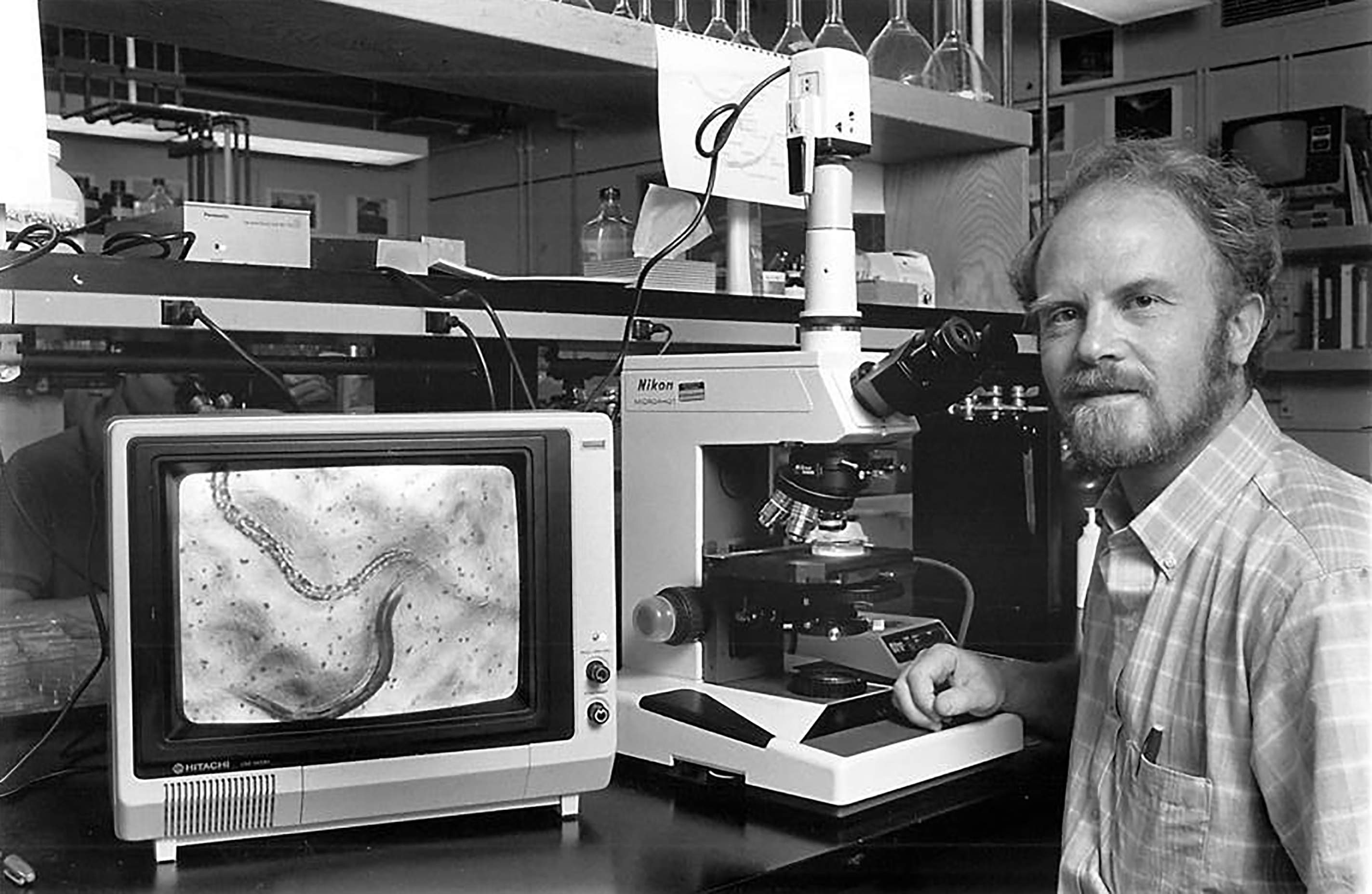
The path of a scientific pioneer is rarely smooth, and Johnson’s early years were characterized by an uphill battle against institutional resistance. Young researchers who recognized the brilliance of his work often faced severe pushback from established mentors.
Dr. Simon Melov, now a prominent figure in the field, recalls his early days as a graduate student in the early 1990s when he was actively searching for a laboratory to study the biology of aging. When he sought career advice from established academics, he was routinely told that studying aging was “junk science” and that he would be “throwing his life away” if he pursued it.
Undeterred by the warnings, Dr. Melov spent long hours scouring scientific journals in the library until he stumbled upon Johnson’s laboratory at the University of Colorado at Boulder. It stood out as a rare beacon of empirical rigor, conducting direct, mechanistic experiments on aging in model organisms. Seeking validation, Dr. Melov even consulted a future Nobel Prize winner about the prospect of joining Johnson’s lab. The advice was blunt: Johnson was described as “crazy,” and the young student was advised to work on something respectable, such as developmental biology.
Rather than extinguishing his ambition, the dismissal served as a catalyst. Dr. Melov wrote directly to Johnson to inquire about postdoctoral opportunities from overseas. Johnson’s receptive and prompt response launched Melov’s career in the biology of aging. Similarly, researcher Gordon Lithgow recognized the profound implications of Johnson’s work and made his way to Boulder, eventually anchoring their academic journeys alongside Johnson. Both Lithgow and Melov would later become foundational pillars of the Buck Institute, carrying Johnson’s rigorous methodology forward.
The Birth of Geroscience and the Buck Institute Connection
The paradigm established by Johnson’s laboratory effectively birthed the modern discipline of geroscience—an interdisciplinary field dedicated to understanding the genetic, molecular, and cellular mechanisms of aging to prevent or delay age-related chronic diseases.
Before Johnson, interventions in health were predominantly reactive, treating pathologies such as cardiovascular disease, neurodegeneration, and cancer individually after they manifested. Johnson’s work introduced a proactive paradigm: if aging itself is the primary risk factor for these chronic conditions, slowing the aging process at the genetic level could simultaneously delay or prevent multiple age-related diseases.
This philosophy became the explicit mission of the Buck Institute for Research on Aging, located in Novato, California. Established as the nation’s first independent research organization dedicated solely to extending the healthy years of human life, the Buck Institute’s intellectual framework directly traces its lineage to the pioneering worm models and single-gene mutations discovered in Johnson’s University of Colorado laboratory.
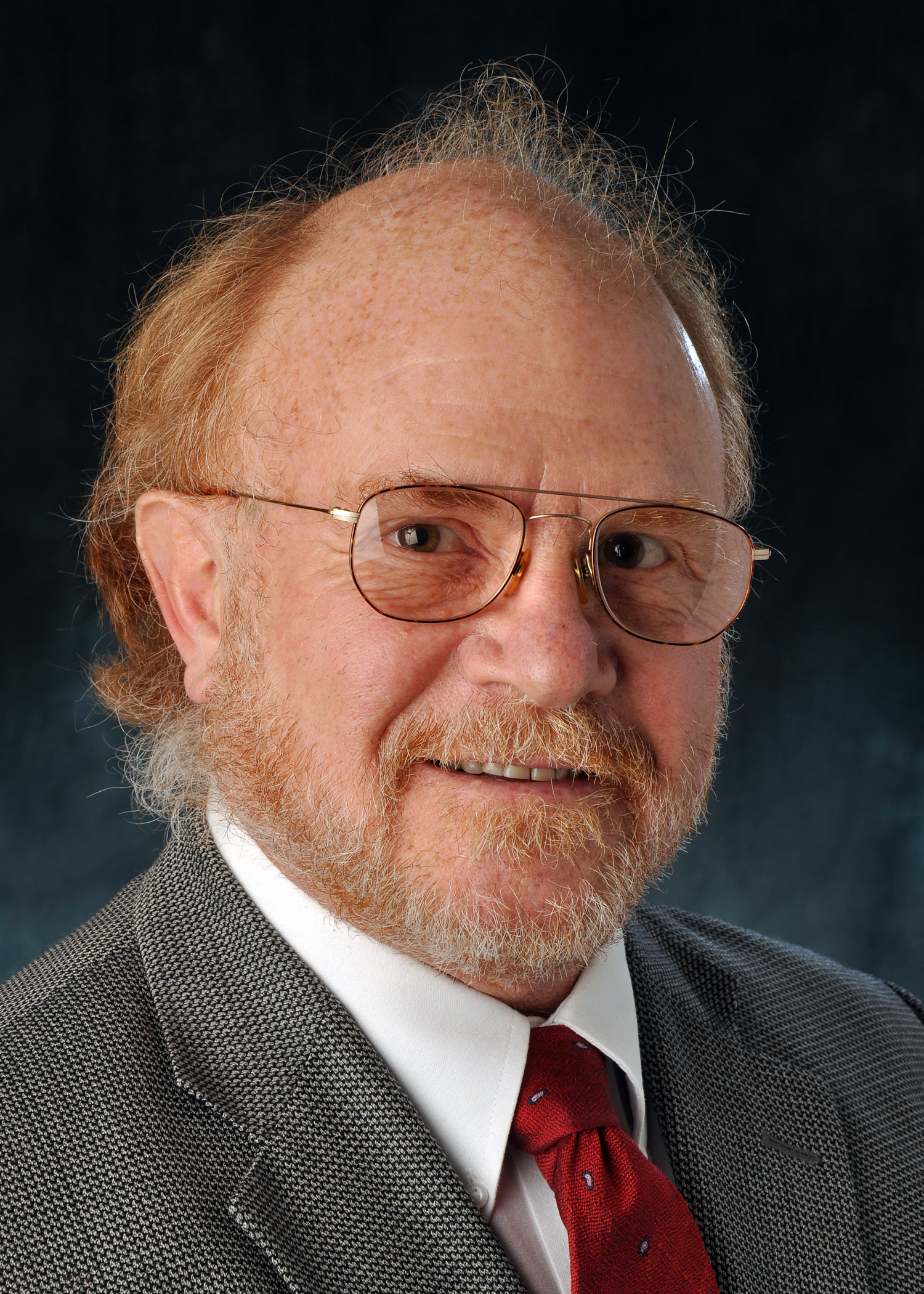
Reflections on a Lifelong Legacy of Mentorship and Rigor
Beyond his monumental publications, Johnson was remembered by his peers and trainees as an open-minded mentor who fostered an environment of uncompromising scientific rigor. His laboratory was a crucible where young scientists were encouraged to challenge existing biological paradigms and rely on empirical evidence over prevailing academic consensus.
Dr. Melov reflects on this mentorship, noting that Johnson’s commitment to careful experimentation set a standard that has guided his own scientific approach for decades. The nearly forty years of research that followed in the biology of aging stand as a testament to the doors Johnson unlocked.
Broader Implications and the Future of Aging Research
As the global population ages and the socioeconomic burdens of chronic age-related diseases mount, the foresight of researchers like Thomas E. Johnson becomes ever more apparent. What began as a lonely, skeptical niche in the mid-1980s has blossomed into a vibrant, multi-billion-dollar global research enterprise involving biotechnology firms, pharmaceutical giants, and academic institutions worldwide, all striving to translate findings from C. elegans, mice, and other model organisms into human therapeutics.
Clinical trials targeting cellular senescence, metabolic pathways, and genetic regulators of longevity are now commonplace, drawing heavily on the foundational principles that Johnson fought so hard to establish.
The passing of Thomas E. Johnson marks the end of an era, but his imprint on science remains indelible. By refusing to accept that aging was beyond human control, he fundamentally altered humanity’s relationship with time, mortality, and disease. His legacy endures in every gene discovered, every model organism studied, and every scientist inspired to ask the questions that others were too afraid to pursue.