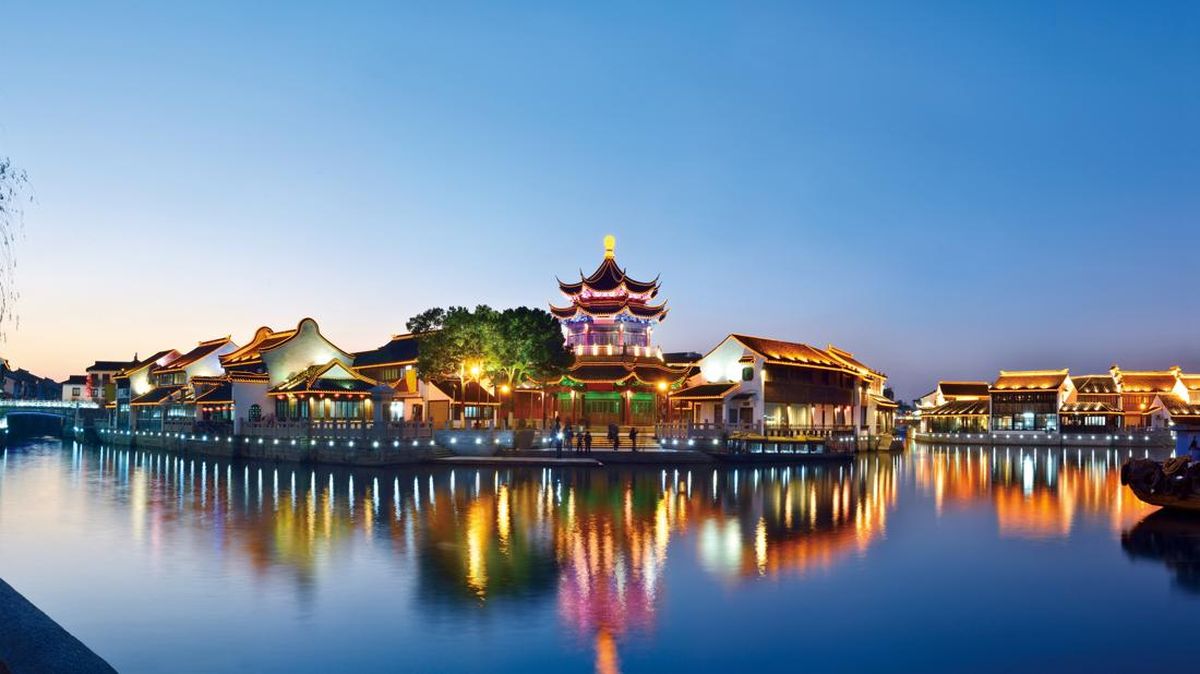
In the shadow of Shanghai’s glittering skyscrapers and the hum of its ceaseless modernity, China holds a portal to the past, a tranquil water town that offers a poetic escape from the urban rush. Just a mere 1.5-hour journey by road from the sprawling metropolis, Zhouzhuang emerges in Jiangsu Province, an ancient water village celebrated globally as the ‘Venice of the East’. This picturesque locale, with its intricate network of canals, historic bridges, and traditional Ming and Qing dynasty architecture, presents an authentic landscape of rural China, drawing visitors into a bygone era of serene beauty and cultural richness.
A Glimpse into History: The Ancient Water Town’s Origins
Zhouzhuang’s history stretches back over 900 years, with its origins rooted in the Northern Song Dynasty (960-1127 AD). Founded in 1086, it was initially known as Zhenfengli, a name that evokes its auspicious beginnings. Its transformation into a significant trading hub began in the Yuan Dynasty (1271-1368 AD) when the wealthy Shen family, particularly Shen Wansan, one of the richest men in the Jiangnan region, invested heavily in the town’s development. This investment, coupled with its strategic location on the Wusong River, allowed Zhouzhuang to flourish as a vital center for grain, silk, and ceramic trade. The intricate canal system, initially designed for irrigation and transportation, became the lifeblood of the town, connecting it to larger cities and facilitating its economic prosperity.
During the Ming and Qing dynasties (1368-1912 AD), Zhouzhuang reached its zenith. Many of the elegant residences, stone bridges, and cultural institutions that stand today were constructed during this period, bearing witness to centuries of architectural evolution and social transformation. The town’s unique blend of natural waterways and human-made structures, meticulously preserved over generations, has earned it a revered status among China’s ancient water towns. Unlike many historical sites that have succumbed to modernization, Zhouzhuang has largely retained its original character, offering an unparalleled glimpse into traditional Chinese village life. Its enduring charm lies not just in its physical beauty but also in its deep historical roots, which resonate through every cobblestone and every reflection on the water.
Architectural Marvels and Waterways: Navigating Zhouzhuang’s Core
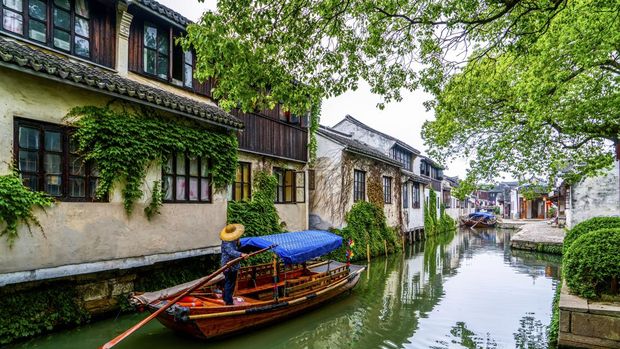
Exploring Zhouzhuang is an experience imbued with a poetic sensibility, an immersion into a landscape where time seems to slow. The tranquil canals, which crisscross the town like veins, mirror the elegant wooden houses with their distinctive black-tiled roofs, a hallmark of Ming and Qing dynasty design. Red lanterns, softly glowing under whitewashed walls weathered by time, cast a romantic, classical ambiance. For travelers seeking a respite from the incessant rhythm of megacities, a day tour to Zhouzhuang is an ideal choice to absorb the authentic charm of China’s rural scenery.
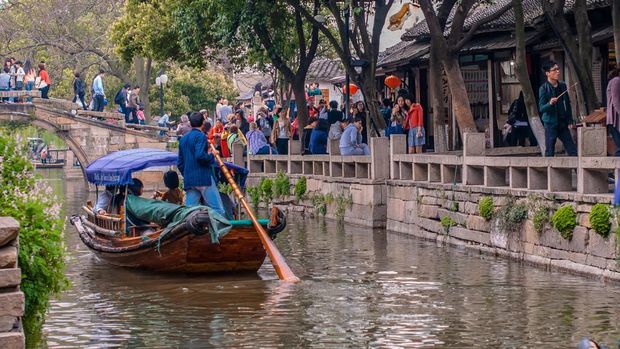
Ye Xin, General Manager of Kunshan Water Town Zouzhuang Cultural Tourism Development Group, highlights the most enchanting aspect of a visit: the traditional wooden boat ride. Guided by local oarsmen, often serenading passengers with traditional Chinese folk songs, visitors glide gently through narrow waterways and beneath legendary stone bridges. This intimate journey offers unique perspectives of the town, revealing hidden courtyards and intricate architectural details otherwise unseen.
A pivotal landmark, frequently captured by photographers and artists worldwide, is Shuangqiao, or the Twin Bridges. These two stone bridges, Shide Bridge and Yongan Bridge, are ingeniously connected, forming a structure resembling an ancient key. Their iconic appearance, immortalized in paintings by the renowned artist Chen Yifei, has made them a symbol of Zhouzhuang’s enduring beauty and a magnet for visitors seeking to capture its quintessential essence. The bridges, built during the Ming dynasty, exemplify the sophisticated engineering and aesthetic sensibilities of the era, providing both practical crossings and picturesque viewpoints.
Beyond the enchanting canal views, the town’s terrestrial corners unfold stories of past glories. Two magnificent residences, the Shen House and the Zhang House, once home to ancient noble families, are indispensable stops. The Shen House, built in 1742 by Shen Benren, a descendant of Shen Wansan, is a sprawling complex encompassing over 100 rooms across seven courtyards. Its design meticulously blends residential, commercial, and ceremonial spaces, showcasing the wealth and influence of its former inhabitants. Visitors can admire the intricate wood carvings, elegant furniture, and the grand tea hall, which once hosted important guests.
The Zhang House, dating back to the Ming Dynasty (around 1450), is another architectural masterpiece. Owned by the Xu family before being purchased by the Zhang family, it features more than 70 rooms and a vast internal garden known as Yuyan Hall. A unique feature is the Ruojing River, which flows through the house, allowing boats to dock directly within its confines – a testament to the town’s integrated water-based lifestyle. Both houses serve as living museums, preserving the architectural styles, domestic arrangements, and artistic tastes of China’s prosperous gentry, offering a profound appreciation for classical Chinese design and the history of its inhabitants. The labyrinthine stone pathways, hidden gardens, and meticulously crafted interiors captivate enthusiasts of history and architectural art, providing a tactile connection to the past.
The Cultural Tapestry: Traditions and Local Life
Zhouzhuang is not merely a collection of ancient buildings and waterways; it is a vibrant repository of traditional Chinese culture. The daily rhythm of life here continues much as it has for centuries, offering visitors a window into a lifestyle deeply connected to the water. Local residents, many of whom have lived in the town for generations, contribute to its authentic charm. Their livelihoods often revolve around tourism, but also maintain traditional crafts and culinary practices.
The town is renowned for its local delicacies, which are an integral part of the visitor experience. Wansan Pork Hock, a dish named after the wealthy Ming Dynasty merchant Shen Wansan, is a must-try. Slow-cooked to perfection, it is tender, flavorful, and symbolizes the town’s rich culinary heritage. Other popular dishes include Aozao Noodles, a hearty broth-based noodle dish with various toppings, and Green Glutinous Rice Balls (Qingtuan), a seasonal delicacy particularly popular during the Qingming Festival. These culinary traditions reflect the agricultural abundance of the Jiangnan region and the ingenuity of its people.
Handicrafts are another significant aspect of Zhouzhuang’s cultural identity. Local artisans continue to produce traditional items such as woven straw products, intricate embroidery, and clay sculptures. These crafts, passed down through generations, not only serve as cherished souvenirs but also represent the enduring artistic skills of the community. The melodic chants of the boatmen, often heard echoing across the canals, are a living tradition, adding an auditory layer to the town’s picturesque scenery. These folk songs, many of which tell stories of local life, love, and history, are a captivating element of the boat ride, enhancing the immersive cultural experience. Zhouzhuang also hosts various traditional festivals throughout the year, such as the Water Town Tourist Festival, which showcases local customs, performances, and gastronomic delights, drawing both domestic and international visitors.
Strategic Location and Accessibility: Planning Your Journey
Zhouzhuang’s appeal is significantly amplified by its convenient proximity to Shanghai, one of Asia’s most dynamic global hubs. This strategic location makes it an ideal destination for a day trip or a weekend getaway for both local and international tourists. The ease of access ensures that visitors can transition from the bustling urban landscape to the serene water town without extensive travel time or logistical complexities.
To ensure a seamless and enjoyable visit, careful planning is recommended.
- Optimal Visiting Times: The spring (April to May) and autumn (September to November) seasons are widely regarded as the best times to visit Zhouzhuang. During these periods, the weather is pleasantly mild and comfortable, avoiding the intense heat of summer and the chill of winter. The natural landscape is also at its most vibrant, with lush greenery in spring and rich autumnal hues, enhancing the town’s scenic beauty and photographic opportunities.
- Avoiding Peak Crowds: As one of China’s most popular tourist attractions, Zhouzhuang can become exceptionally crowded, particularly during weekends, Chinese national holidays (such as Golden Week in October and the Spring Festival), and other public holidays. For a more tranquil and photogenic experience, it is highly advisable to schedule your visit on weekdays. The calmer atmosphere allows for a deeper appreciation of the town’s historical nuances and provides better opportunities for photography without the distraction of large crowds.
- Transportation:
- From Shanghai: The most common and convenient way to reach Zhouzhuang from Shanghai is by direct tourist bus. These buses typically depart from various central locations in Shanghai, such as Shanghai Stadium or People’s Square, offering round-trip services that include the Zhouzhuang entrance ticket. The journey usually takes about 1.5 to 2 hours, depending on traffic.
- From Suzhou or Hangzhou: Zhouzhuang is also easily accessible from other major cities in the Jiangnan region. Regular bus services connect Zhouzhuang with Suzhou and Hangzhou, both popular tourist destinations themselves. For those preferring more flexibility, hiring a private car or taxi is an option, though it will be more expensive.
- Local Transport: Once in Zhouzhuang, the town is best explored on foot or by traditional gondola. The ancient stone pathways are not suitable for vehicles, reinforcing the pedestrian-friendly and serene atmosphere.
- Physical Preparation and Essentials: Given that exploring Zhouzhuang involves considerable walking over ancient stone paths and numerous bridges, comfortable walking shoes are an absolute necessity. Essential items to pack include a camera to capture the stunning scenery, appropriate clothing for the prevailing weather conditions, and sun protection such as a hat or sunscreen, especially during sunnier days. Carrying a reusable water bottle is also recommended to stay hydrated. Many local shops offer refreshments, but having your own ensures convenience.
- Accommodation: While Zhouzhuang is popular for day trips, staying overnight offers a different perspective, allowing visitors to experience the town’s tranquility after the day-trippers depart. Options range from traditional guesthouses (minshu) that offer an authentic stay in historic buildings, to more modern hotels just outside the ancient core. Booking in advance, especially during peak seasons, is highly recommended.
Preservation and Progress: Balancing Heritage with Tourism
The immense popularity of Zhouzhuang, while a boon for the local economy, presents significant challenges in balancing heritage preservation with the demands of modern tourism. The sheer volume of visitors, especially during peak seasons, puts considerable strain on the ancient infrastructure and the delicate ecosystem of the water town. Concerns include the erosion of historical structures, potential pollution of the canals, and the commodification of local culture.
Recognizing these challenges, local authorities and cultural heritage groups have implemented various strategies to ensure the sustainable development of Zhouzhuang. These include strict regulations on new constructions within the historical core, ongoing restoration projects for ancient buildings and bridges, and efforts to manage tourist flow. For instance, designated walking routes, timed entry for certain attractions, and promotion of off-peak visits are measures aimed at distributing the visitor impact. There’s a concerted effort to educate both tourists and residents about the importance of preserving Zhouzhuang’s unique character.
Economically, tourism has revitalized Zhouzhuang, providing employment opportunities for local residents in hospitality, retail, and traditional crafts. Many families have converted their historic homes into guesthouses or small businesses, directly benefiting from the influx of visitors. However, this economic dependence also creates pressure to adapt to tourist expectations, sometimes at the risk of diluting the town’s authenticity. The local government and cultural tourism development groups like the one managed by Ye Xin are tasked with navigating this complex balance, striving to maintain the town’s historical integrity while ensuring its economic viability and continued appeal.
Comparison with Other Water Towns: Zhouzhuang’s Unique Standing
The Jiangnan region is famous for its numerous water towns, each possessing its distinct charm. While destinations like Tongli, Wuzhen, and Xitang also offer picturesque canals, ancient architecture, and rich cultural heritage, Zhouzhuang holds a special place. It is often considered one of the oldest and best-preserved, having been among the first to gain widespread recognition and develop into a major tourist destination.
Zhouzhuang’s unique appeal lies in several factors. Its history, dating back over nine centuries, is more deeply embedded and visibly manifested in its structures and layout. The Shen House and Zhang House, in particular, are exceptional examples of grand Ming and Qing dynasty residences that provide an unparalleled insight into the life of affluent families. Furthermore, the iconic Twin Bridges (Shuangqiao) have become a global symbol, drawing artists and photographers for decades, imbuing the town with an artistic mystique. While other water towns like Wuzhen have undergone more extensive modernization and commercialization in certain areas, Zhouzhuang has largely maintained a more ‘untouched’ feel, offering a journey further back in time. Its network of interconnected waterways is perhaps more intricate and central to its identity than some of its counterparts, reinforcing its ‘Venice of the East’ moniker. This combination of deep history, exceptional preservation, iconic landmarks, and a genuinely immersive cultural experience ensures Zhouzhuang remains a premier destination among China’s water towns.
Future Outlook: Sustaining the ‘Venice of the East’
As Zhouzhuang looks to the future, the ongoing commitment to sustainable tourism and heritage preservation remains paramount. The challenge will be to adapt to evolving tourist expectations and global travel trends while steadfastly protecting its ancient essence. Initiatives may include leveraging digital technologies for virtual tours and improved visitor management, promoting lesser-known areas within the town to disperse crowds, and fostering deeper cultural exchanges rather than purely transactional tourism.
The success of Zhouzhuang in maintaining its allure will depend on continued collaboration between local government, tourism operators, and the resident community. Educating younger generations about their heritage and empowering them to become custodians of the town’s traditions will be crucial. By carefully balancing economic development with ecological and cultural preservation, Zhouzhuang can ensure that its canals continue to flow with history, its bridges continue to tell tales of old, and its lanterns continue to glow, inviting future generations to savor the timeless charm of Shanghai’s ‘Venice of the East’ for centuries to come.