WHO Celebrates 25 Years of Research4Life: A Quarter-Century of Bridging the Global Knowledge Gap for Equitable Science

The World Health Organization (WHO) today commemorates the 25th anniversary of Research4Life, a pivotal public-private partnership that has fundamentally reshaped access to scientific knowledge for researchers, educators, health professionals, and policymakers in low- and middle-income countries (LMICs). This significant milestone marks a quarter-century of dedicated efforts to dismantle barriers to information, providing affordable or free access to critical scientific literature across more than 120 nations. What began as an ambitious three-year pilot initiative, formally established in 2001 under the leadership of the WHO, has burgeoned into one of the most enduring and impactful collaborations globally, championed for its commitment to research equity.
The Genesis of a Global Movement: Addressing the Information Divide
Prior to the inception of Research4Life, the landscape of scientific research was starkly divided. Institutions and researchers in LMICs faced insurmountable challenges in accessing up-to-date scientific literature, a predicament often referred to as the "knowledge gap" or "digital divide." The prohibitive costs of subscriptions to academic journals and databases, coupled with limited institutional budgets, meant that vital research findings, medical advancements, and public health data remained largely out of reach for those who could most benefit from and contribute to them. This systemic barrier hindered local research capacity, impeded evidence-informed policy-making, and ultimately constrained efforts to improve health outcomes and foster sustainable development in these regions. Researchers in LMICs, despite often working on challenges of immense global significance, found themselves isolated from the global scientific discourse, unable to access the foundational work necessary to advance their own studies or disseminate their findings effectively.
Recognizing this critical disparity, the concept of a partnership to democratize access to scientific information began to take shape, culminating in the formal establishment of Research4Life in 2001. The initial vision was clear: to leverage a collaborative model involving intergovernmental organizations, academic institutions, and leading scientific publishers to provide a lifeline of knowledge to underserved communities. The WHO, with its global mandate for public health, was instrumental in spearheading this audacious endeavor, understanding that equitable access to health research was not merely an academic luxury but a fundamental prerequisite for global health equity.
A Decade-Spanning Evolution: From Pilot to Pillar
Research4Life’s journey from a nascent pilot to a formidable global partnership is a testament to sustained commitment and adaptive growth. When it first launched, the initiative enlisted just six pioneering publishing partners, demonstrating an early belief in the model. Over the ensuing decades, this number has expanded exponentially, now encompassing more than 185 publishers and partner organizations. This growth has allowed the partnership to dramatically broaden its scope and deepen its impact, moving beyond an initial focus on biomedical and health research to encompass a wider array of scientific disciplines crucial for comprehensive development.
Today, Research4Life provides access to an unparalleled wealth of information: over 250,000 journals, books, and databases from many of the world’s leading publishers and research organizations. This vast repository of knowledge is now accessible to more than 12,000 institutions across over 120 low- and middle-income countries. The expansion of content and the growing network of partners reflect a continuous effort to meet the evolving information needs of its diverse user base. The inclusion of organizations like the World Intellectual Property Organization (WIPO), the Food and Agriculture Organization of the United Nations (FAO), the International Labour Organization (ILO), and the United Nations Environment Programme (UNEP) underscores the partnership’s holistic approach, recognizing that health is inextricably linked to agriculture, labor, intellectual property, and environmental sustainability. These additions ensured that researchers could access not only medical breakthroughs but also critical data on food security, climate change, socio-economic development, and innovation, enabling a more integrated approach to addressing complex global challenges.
Tangible Impact: Quantifying the Research Revolution
The profound impact of Research4Life is not merely anecdotal; it is substantiated by robust independent studies that highlight its transformative effects on the research landscape in LMICs. The program has been credited with dramatically increasing research output from these regions, with studies indicating an increase in research publishing by up to 75%. This surge in publication rates signifies a greater voice for researchers from LMICs on the global stage, contributing diverse perspectives and locally relevant solutions to worldwide scientific discourse.
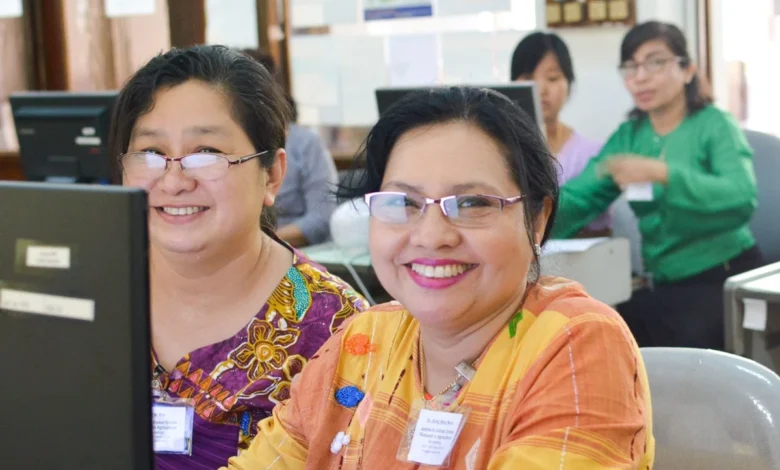
Beyond academic output, Research4Life has played a crucial role in enhancing practical research engagement. Participation in international clinical trials has seen a boost of more than 20%, indicating a stronger integration of LMIC researchers into global health initiatives. This increased involvement is vital for ensuring that clinical trials are culturally relevant, geographically diverse, and address the specific health burdens faced by populations in these countries. Furthermore, the partnership has been a significant catalyst for gender equity in science, strengthening opportunities for women researchers, with publication rates increasing by up to 30% in countries facing the greatest barriers. This focus on empowering women in science is critical for fostering inclusive research environments and harnessing the full spectrum of intellectual talent.
The enhanced access to high-quality scientific literature has directly strengthened research capacity within LMICs, enabling local scientists to conduct more rigorous studies, adopt best practices, and contribute meaningfully to their fields. This capacity building is a cornerstone of sustainable development, empowering countries to generate their own evidence base, inform national health policies, and develop localized solutions to pressing issues.
Voices from the Partnership: Acknowledging Collective Commitment
The enduring success of Research4Life is a testament to the collaborative spirit and unwavering commitment of its diverse partners. Dr. Sylvie Briand, Chief Scientist at the World Health Organization, articulated this sentiment, stating, "What began as an effort to close the knowledge gap in health has grown into a global movement for research equity. For 25 years, Research4Life has helped ensure that researchers, educators, health professionals and policy-makers everywhere can access the evidence they need to improve lives and advance sustainable development." Her words underscore the journey from a targeted health initiative to a broader movement for global scientific justice.
The participation of other key partners further illustrates the comprehensive nature of the initiative. The World Intellectual Property Organization (WIPO), hosting the current Research4Life Partners Meeting, emphasizes the critical link between intellectual property rights and equitable access to knowledge, fostering innovation for development. The Food and Agriculture Organization (FAO) highlights the importance of agricultural research in achieving food security and sustainable rural development. The International Labour Organization (ILO) recognizes the need for research-informed policies on labor standards, social protection, and decent work. Similarly, the United Nations Environment Programme (UNEP) contributes vital environmental science to address climate change and promote ecological sustainability.
Leading academic institutions like Cornell University and Yale University provide invaluable academic expertise and training resources, while the International Association of Scientific, Technical and Medical Publishers (STM) and hundreds of individual publishing partners are fundamental to the program’s existence. Their commitment to providing affordable or free access, often at significant cost to themselves, exemplifies a powerful model of corporate social responsibility and a shared belief in the global public good of scientific knowledge. These varied partners, each bringing unique expertise and resources, collectively form the backbone of Research4Life, transforming a short-term initiative into a lasting global movement.
Beyond Access: Fostering Research Capacity and Global Participation
Research4Life’s evolution has extended far beyond merely providing passive access to scientific publications. Recognizing that true equity in research requires active participation, the partnership has increasingly focused on fostering meaningful engagement within the global research community. Through targeted training programs, researchers in LMICs are equipped with essential skills in scientific writing, research methodology, data analysis, and ethical publishing. These initiatives empower them not only to consume but also to produce high-quality research that meets international standards.
The partnership also offers crucial publishing support, guiding researchers through the often-complex process of submitting their work to peer-reviewed journals. This support is vital for increasing the visibility and impact of research originating from LMICs, ensuring that local insights and innovations reach a broader global audience. Collaborative initiatives facilitated by Research4Life further connect researchers from different regions, fostering networks and opening doors for joint projects that address shared global challenges. By developing these skills, networks, and opportunities, Research4Life actively dismantles systemic barriers that have historically marginalized researchers in LMICs, enabling them to become active contributors and leaders in the global scientific dialogue. This proactive approach to capacity building is essential for creating self-sustaining research ecosystems within these countries, moving beyond dependency on external knowledge towards generating and disseminating their own.
Navigating the Future: The Research4Life 2030 Strategy and Open Science
As the global research landscape continues to evolve at an unprecedented pace, Research4Life remains committed to adapting and innovating through its ambitious 2030 Strategy. The rise of the open science movement, advocating for research to be freely accessible to all, presents both opportunities and challenges for the partnership. While open science has indeed increased access to research, new barriers have emerged, particularly in the form of Article Processing Charges (APCs). These fees, often substantial, are levied on authors to publish their work in open-access journals, effectively shifting the financial burden from readers to creators. For researchers in LMICs, these APCs can be as prohibitive as traditional subscription costs, preventing them from disseminating their findings in open-access venues.
Addressing these persistent barriers is paramount to Research4Life’s future mission. The partnership is actively exploring innovative models to mitigate the impact of APCs and ensure that financial constraints do not preclude researchers from contributing to the global body of scientific knowledge. This includes advocating for waivers or discounts for authors from eligible countries and exploring alternative publishing models that prioritize equity. The ultimate goal is to safeguard the principle that scientific knowledge remains a global public good, accessible for both consumption and contribution by researchers everywhere. The 2030 Strategy also looks towards harnessing emerging technologies like artificial intelligence and big data analytics to further enhance access, discoverability, and the utility of scientific information, while ensuring that LMIC researchers are not left behind in these advancements.
A Model for Global Equity: Broader Implications for Sustainable Development
The quarter-century journey of Research4Life offers a compelling model for international cooperation and equitable resource distribution, with far-reaching implications for global sustainable development. Its success directly contributes to several United Nations Sustainable Development Goals (SDGs). By enhancing access to health research, it bolsters SDG 3 (Good Health and Well-being). Through strengthening research capacity and educational resources, it supports SDG 4 (Quality Education). By fostering innovation and evidence-informed policy, it contributes to SDG 9 (Industry, Innovation, and Infrastructure). Crucially, by addressing the knowledge gap, it directly tackles SDG 10 (Reduced Inequalities) and embodies the spirit of SDG 17 (Partnerships for the Goals).
The economic and societal benefits derived from Research4Life’s work are profound. Empowering researchers and policymakers in LMICs with access to the latest scientific evidence leads to more effective public health interventions, improved agricultural practices, better environmental management, and stronger economic development policies. This, in turn, translates into healthier populations, more resilient communities, and sustainable growth trajectories. The partnership’s emphasis on local research not only addresses immediate challenges but also cultivates a self-reliant scientific ecosystem, capable of generating context-specific solutions and driving indigenous innovation.
Conclusion: A Lasting Legacy of Collaboration
As Research4Life marks its 25th anniversary with a Partners Meeting hosted by WIPO, members reflect on a quarter-century of remarkable achievements and collectively shape priorities for the strategic direction towards 2030. The World Health Organization, along with all its partners, past and present, extends its profound gratitude for the unwavering commitment that has transformed a visionary pilot initiative into a lasting global movement.
This enduring partnership exemplifies the power of collaboration in addressing complex global inequalities. By continuing to strengthen research capacity, advance research equity, and facilitate the translation of knowledge into tangible improvements, Research4Life remains a beacon of hope, ensuring that the pursuit of scientific understanding serves as a universal tool for better health and sustainable development worldwide. Its legacy is not just one of access, but of empowerment, fostering a truly inclusive global scientific community where every voice can contribute, and every life can benefit from the collective wisdom of humanity.
Related posts: