Contrary to widespread expectations following the landmark 2022 Supreme Court ruling in Dobbs v. Jackson Women’s Health Organization, which overturned Roe v. Wade, the overall volume of abortions in the United States has shown a slight increase in the three years since the decision. This surprising trajectory, detailed in updated data from July 22, 2026, reflects a complex interplay of evolving healthcare access mechanisms, state-level policy responses, and shifting patient behaviors. While 13 states rapidly adopted outright abortion bans and six implemented early gestational restrictions post-Dobbs, making access significantly more challenging or impossible for residents in those areas, national figures suggest a resilience in the provision and seeking of abortion care, largely driven by the expansion of telehealth, reduced costs for virtual services, increased legal protections in certain states, and a rise in interstate travel for care.
However, this national stability masks dramatic state-level variations and remains precarious. The landscape of reproductive healthcare is subject to ongoing legal challenges that seek to further restrict access, alongside the potential for future federal actions that could profoundly limit abortion availability, even in states that have enshrined reproductive rights. The possibility of regulatory revisions by agencies like the Food and Drug Administration (FDA) or the reinterpretation of laws such as the Comstock Act under a future administration could significantly alter the current trends, particularly concerning medication abortion pills and telehealth services.

The Overturn of Roe v. Wade and its Immediate Aftermath
The Supreme Court’s decision in Dobbs v. Jackson Women’s Health Organization on June 24, 2022, marked a monumental shift in American jurisprudence and public health. For nearly five decades, Roe v. Wade (1973) had established a constitutional right to abortion, protecting it up to the point of fetal viability, typically around 24 weeks of pregnancy. The Dobbs ruling effectively eliminated this federal protection, returning the authority to regulate or ban abortion to individual states. This created an immediate and fragmented legal landscape, with some states moving swiftly to ban or severely restrict abortion, while others acted to protect and expand access.
The immediate aftermath saw a rapid "trigger law" implementation in many conservative states, leading to clinic closures and a precipitous drop in abortion services within those jurisdictions. Medical professionals and reproductive rights advocates braced for a substantial national decline in abortion rates, anticipating that the barriers imposed by bans and travel requirements would drastically reduce access. This expectation was rooted in the understanding that financial, logistical, and time constraints disproportionately affect marginalized communities, who would face the greatest hurdles in navigating a post-Roe environment. Yet, the data now reveal a more nuanced reality, highlighting the adaptability of both providers and patients in navigating these new constraints.
Tracking Abortion in a Fragmented Landscape: Key Data Sources
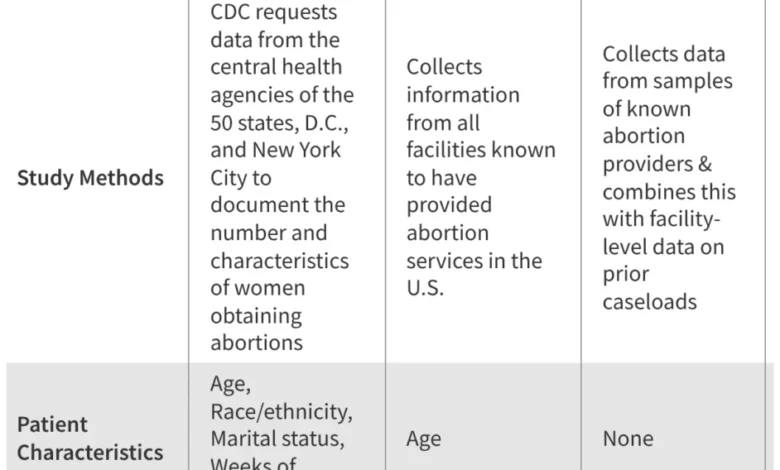
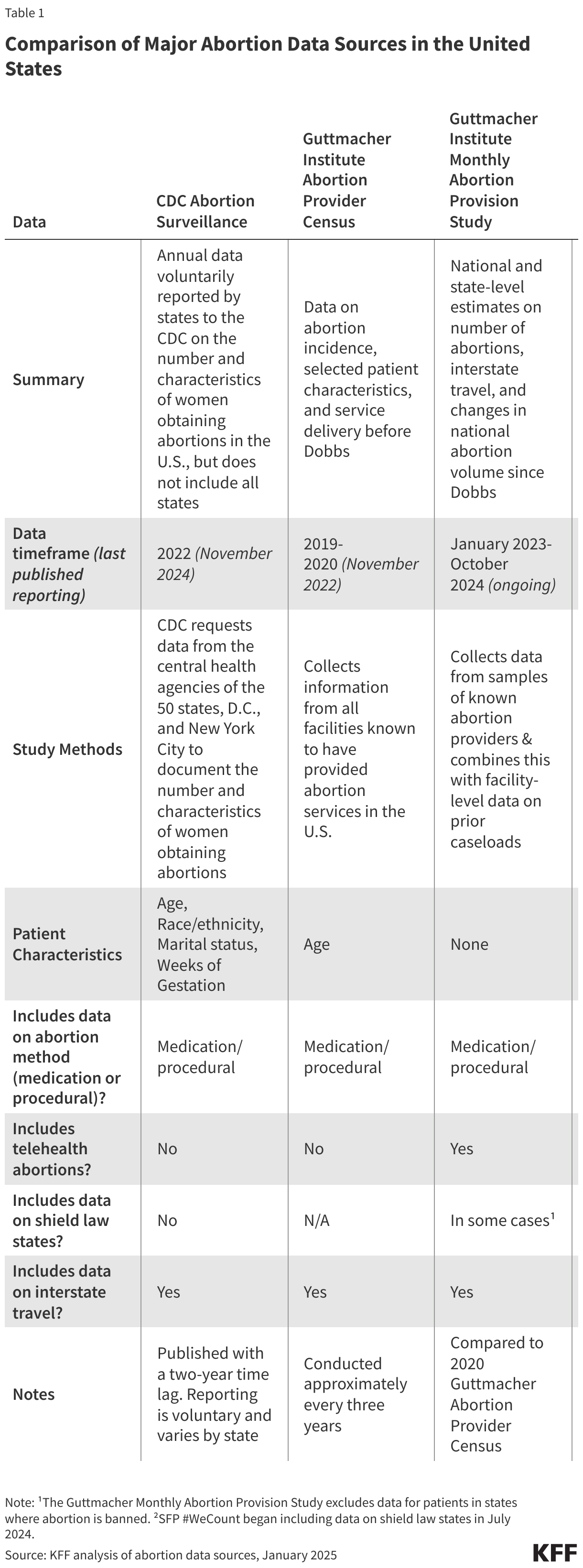
Accurate and timely tracking of abortion volume and rates in the U.S. is a complex endeavor, relying on several key organizations, each with distinct methodologies and reporting scopes. These sources are crucial for understanding the evolving reproductive health landscape:
- The Centers for Disease Control and Prevention (CDC) Abortion Surveillance System: For decades, the CDC has collected voluntary data from state and local health agencies. While a foundational source, its limitations include voluntary reporting (with notable omissions like California, Maryland, and New Hampshire for years) and a significant reporting lag. The most recent CDC data for 2022 was published with a two-year delay, and concerns have been raised about the agency’s capacity for future reporting, particularly after staff reductions in its Reproductive Health Division.
- The Guttmacher Institute: An independent research and advocacy organization, Guttmacher historically conducted the Abortion Provider Census (APC), providing comprehensive data on incidence, facilities, and patient characteristics. Following Dobbs, Guttmacher launched the Monthly Abortion Provision Study to track abortion volume within the formal healthcare system more frequently, offering national and state-level estimates and monitoring changes since 2020. Guttmacher’s continuous reporting from all states often results in higher reported abortion volumes compared to the CDC.
- The Society of Family Planning (SFP) #WeCount Project: This newer initiative emerged specifically to measure post-Dobbs changes, providing semiannual reports on monthly abortion numbers by state. Critically, #WeCount distinguishes between in-person and telehealth abortions, offering a more granular view of service provision in the post-Roe era. It began collecting data in April 2022 and has published three full years of post-Dobbs abortion data.
While these sources may differ in their absolute numbers due to varying methodologies and completeness, they largely concur on the overarching trends, particularly the recent unexpected uptick in national abortion volume.
Pre-Dobbs Trends: A Decade of Decline Followed by a Slight Rise
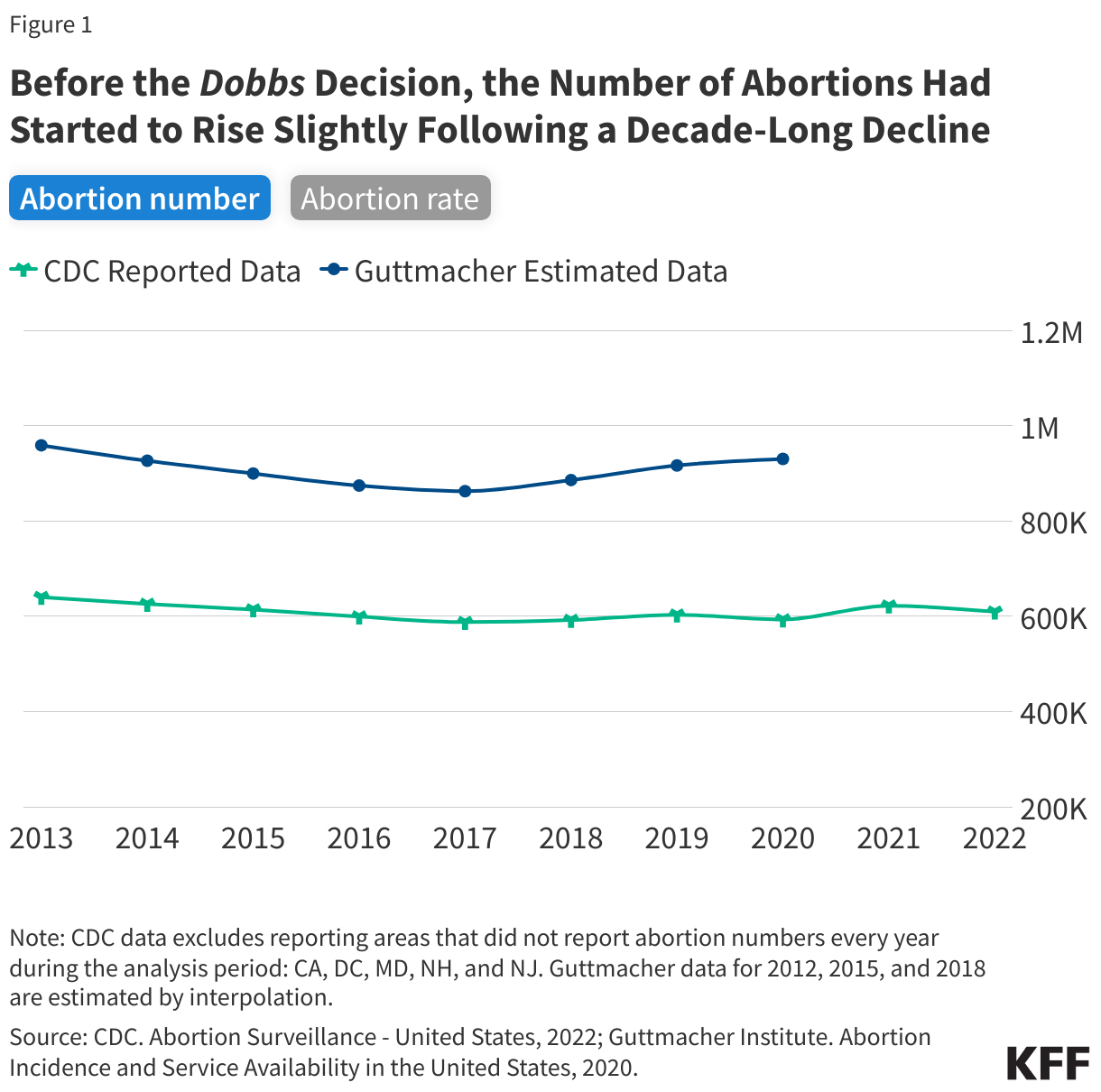
Before the Dobbs decision, the U.S. experienced a general long-term decline in abortion rates nationally, a trend largely attributed to increased access to and more effective methods of contraception. This decline was consistent for much of the decade leading up to the ruling. For instance, CDC data from 2022 (reflecting the year of the Dobbs decision) showed rates declining from 2013 through 2017, then stabilizing. The CDC reported 609,360 abortions in 2022, with a rate of 11.2 abortions per 1,000 women (excluding California, DC, Maryland, New Hampshire, and New Jersey).
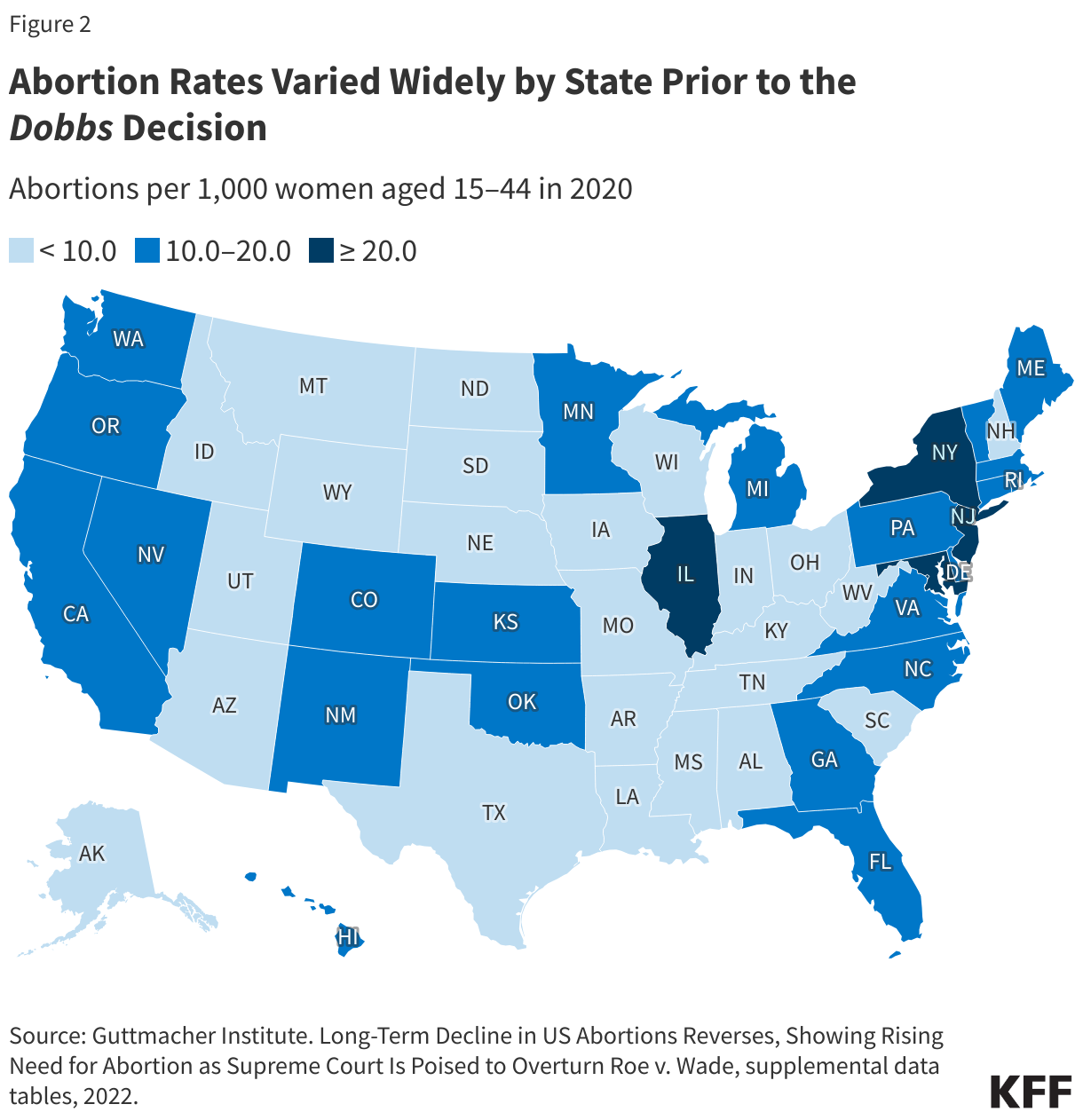
In contrast, the Guttmacher Institute reported 930,160 abortions in 2020, with a rate of 14.4 abortions per 1,000 women. Guttmacher’s data uniquely showed a slight upward trend in abortion incidence from 2017 to 2020, while CDC data showed relative stability with minor fluctuations. Experts suggest that this slight increase in the years immediately preceding Dobbs might have been influenced by factors such as expanded state-level Medicaid coverage in some jurisdictions, making abortion care more affordable, and increased financial support from abortion funds. Even before Dobbs, abortion rates varied significantly across states, reflecting diverse state policies, ranging from targeted regulations of abortion providers (TRAP laws) to mandatory waiting periods and multiple visit requirements, which historically constrained access in certain regions.
Post-Dobbs Reality: A National Increase Amidst State-Level Disparities
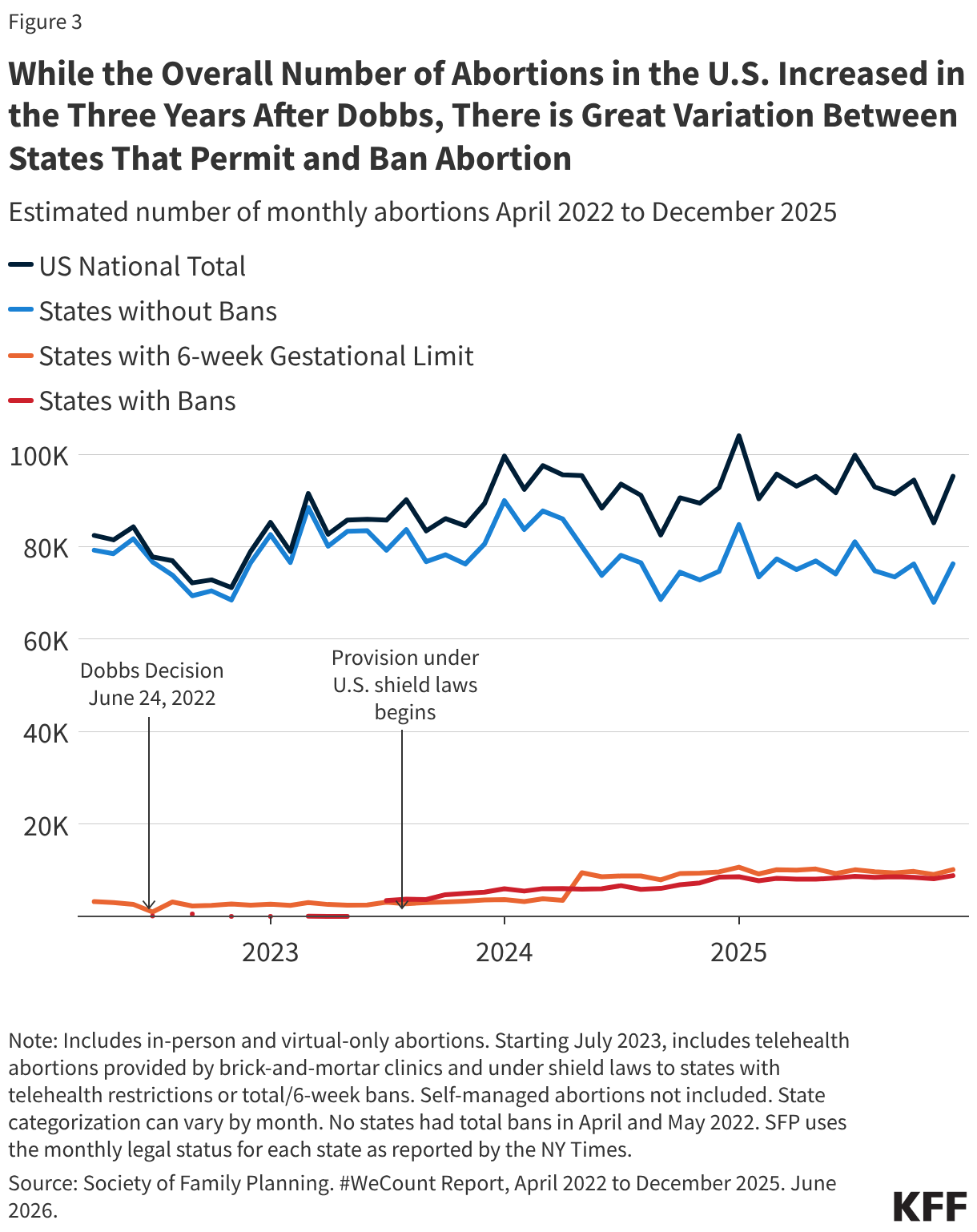
Despite the initial expectation of a national decline, both SFP and Guttmacher data confirm that after an immediate drop in abortion numbers following Dobbs, the total volume of abortions nationally has increased over the three full years since the ruling. The SFP #WeCount data indicates approximately 1.05 million abortions in 2023, rising to 1.11 million in 2024, and further to 1.13 million in 2025. This translates to a steady increase in the monthly average, from 85,780 abortions per month in 2023 to 92,400 in 2024 and 93,900 in 2025.
This national increase, however, conceals stark contrasts at the state level. States with abortion bans and early gestational restrictions experienced sharp declines in abortion volume, often approaching zero. Conversely, states where abortion remains legal saw a significant influx of patients, compensating for the decline in restricted states.
Factors Driving the Unexpected Increase
The complex factors contributing to this unexpected national increase highlight the adaptability of the reproductive healthcare ecosystem and the determination of individuals seeking care:
-
The Rise of Medication Abortion, Telehealth, and Virtual Clinics:
Medication abortion, which now accounts for approximately 65% of all abortions nationally, has become a cornerstone of post-Dobbs access. Unlike procedural abortions, medication abortion can be provided remotely via telehealth. The U.S. Food and Drug Administration (FDA) played a pivotal role in expanding this access. Historically, the FDA’s Risk Evaluation and Mitigation Strategy (REMS) policy restricted mifepristone, one of the two drugs used for medication abortion, to in-person dispensing by physicians in healthcare settings.
In December 2021, the FDA revised this policy, lifting the in-person dispensing requirement, partly to ease burdens during the COVID-19 pandemic. Further, in January 2023, the FDA finalized a policy allowing retail pharmacies to dispense medication abortion pills with a prescription. These changes dramatically opened the door for greater telehealth use. Consequently, virtual clinics have proliferated, now comprising about 24% of facilities offering medication abortion services.
By 2025, telehealth abortions constituted 28% of all abortions. Critically, over half (56%) of these telehealth abortions were provided under state "shield laws" protecting clinicians who offer care to residents of ban states. Another 40% came from virtual-only clinics, and 7% from online services of traditional brick-and-mortar clinics. This expansion of virtual care has been a lifeline, particularly for those in restrictive states.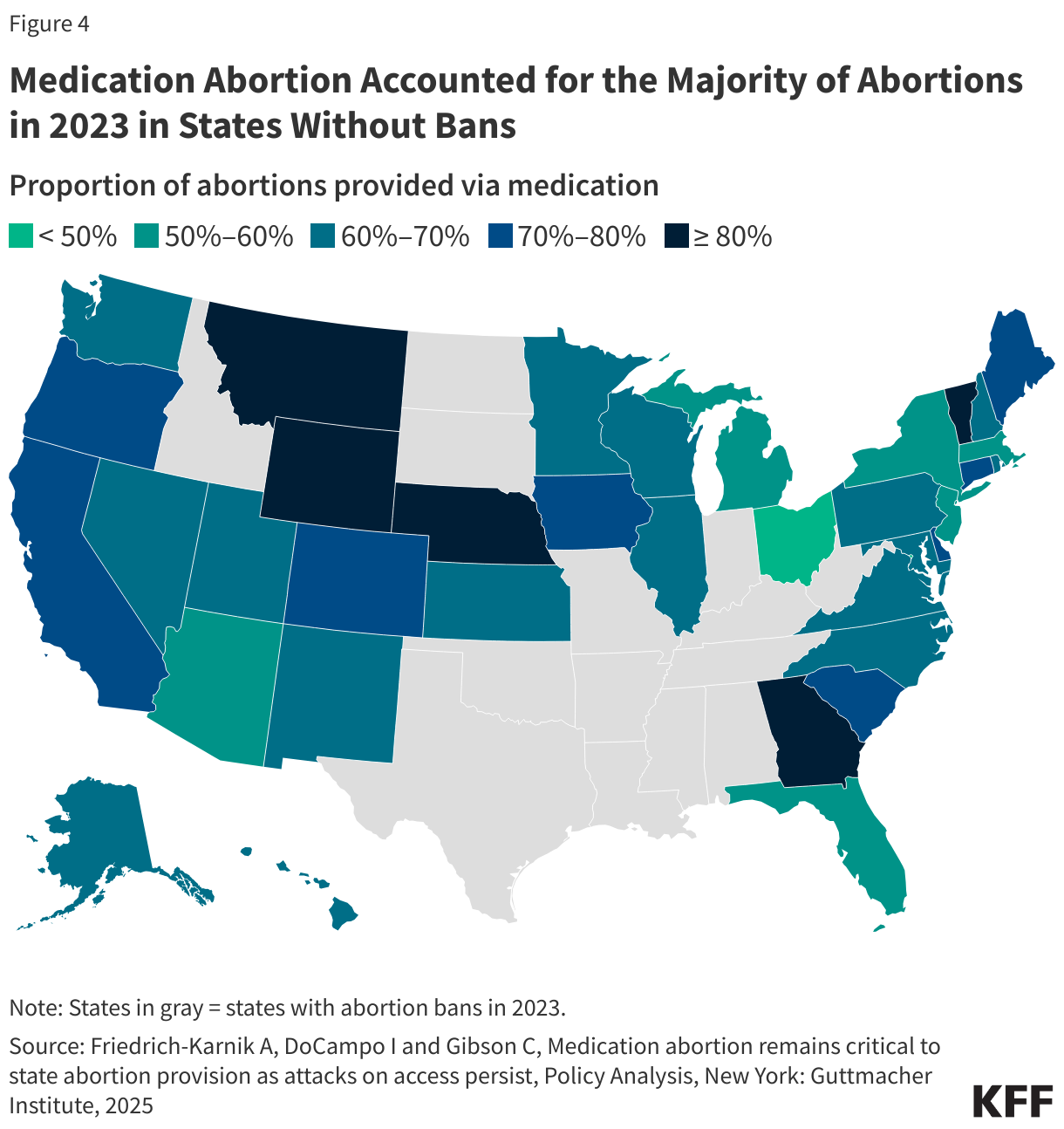
-
Reduced Costs for Telemedicine Abortions:
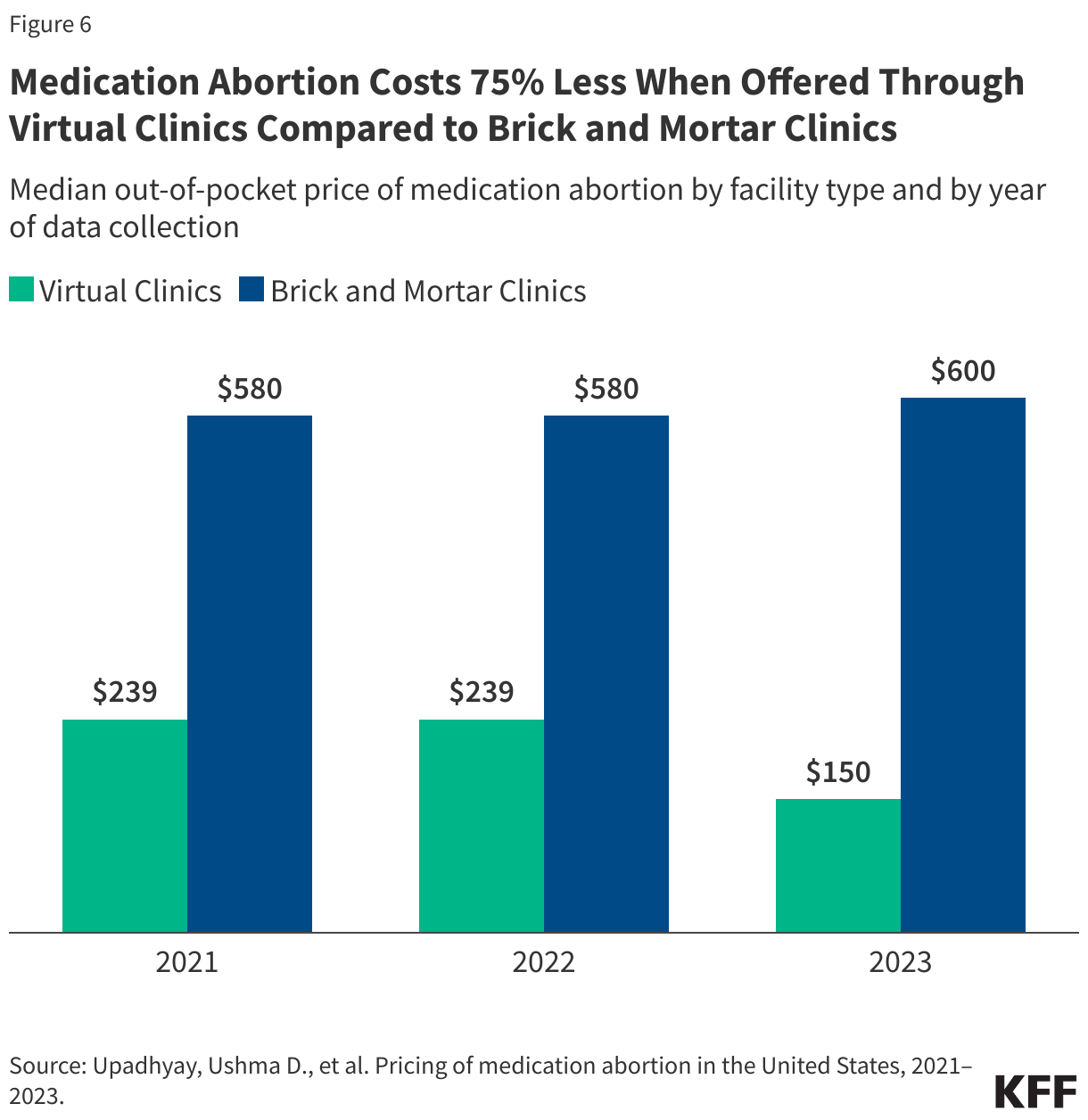
The financial accessibility of abortion care has also improved through telehealth. While the median price for medication abortion at traditional clinics increased from $580 in 2021 to $600 in 2023, the median price for virtual clinic medication abortions decreased from $239 in 2021 to $150 in 2023. This 75% cost reduction is significant, as virtual clinics avoid many overhead expenses associated with physical facilities, such as building maintenance, surgical center regulations, and security against protestors. This lower cost, combined with increased financial assistance from national and local abortion funds—which reported a 39% increase in support requests and aided over 100,000 individuals post-Roe—has significantly mitigated financial barriers to access. -
Robust State-Level Protections and Expansion Efforts:
In response to Dobbs, many states where abortion remains legal proactively passed laws to protect and expand access for their residents and for those traveling from other states. These "sanctuary states" have implemented a range of policies:- Medicaid Coverage: While the federal Hyde Amendment prohibits federal funds for abortion in most cases, 20 states now use their own revenues to cover abortions under Medicaid beyond federal limitations.
- Private Insurance Mandates: Twelve states currently require state-regulated private insurance plans to cover abortion, with some even eliminating cost-sharing requirements.
- Shield Laws: A growing number of states have enacted shield laws designed to reduce legal risks for clinicians providing abortion care to patients residing in states with bans or restrictions. As of July 2026, 22 states and Washington D.C. have such laws, with eight explicitly extending protections to clinicians regardless of patient location or state of residence. These laws protect providers from professional discipline and shield them from civil and criminal consequences initiated by other states, especially for prescribing and mailing abortion pills via telehealth.
-
Increased Interstate Travel for Abortion Care:
The Guttmacher Institute’s Monthly Abortion Provision Study highlights the dramatic increase in interstate travel for abortion. Prior to Dobbs, approximately one in ten people traveled across state lines for abortion care in 2020 (around 81,000 patients). By 2025, this number surged to 142,000 patients, despite a slight drop from 2024. States bordering at least one abortion-ban state have become primary destinations. Illinois, for example, received 32,560 inbound patients in 2025, followed by North Carolina (17,870), Kansas (13,630), and New Mexico (10,180). This reliance on interstate travel underscores the geographic disparity in access and the determination of individuals to overcome barriers.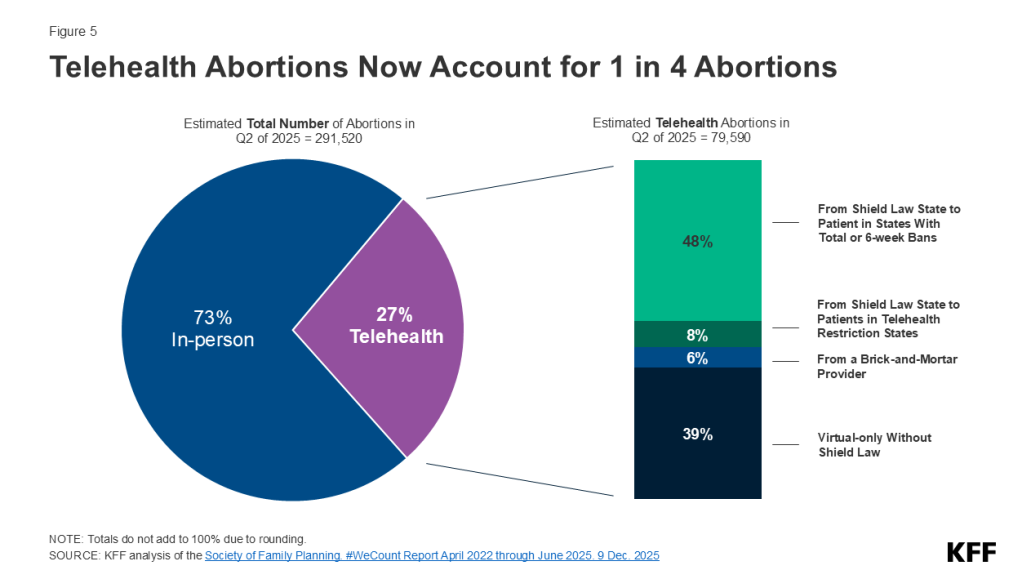
Inferred Reactions and Stakeholder Perspectives
The unexpected rise in abortion volume post-Dobbs has elicited varied reactions across the political and social spectrum.
- Reproductive Rights Advocates have lauded the expansion of telehealth and the proactive measures taken by sanctuary states as critical lifelines. Organizations like the Guttmacher Institute and the Society of Family Planning, while acknowledging the severe restrictions in ban states, emphasize the resilience of the healthcare system and the ingenuity of providers and support networks in maintaining access. They view the data as evidence of persistent demand for abortion care and the effectiveness of harm reduction strategies, even under immense pressure.
- Anti-Abortion Organizations and Legislators have expressed concern and disappointment over the rising numbers, interpreting them as a failure of current state-level bans to adequately protect unborn life. They reiterate calls for stricter enforcement of existing laws, increased funding for crisis pregnancy centers, and advocate for further federal intervention, such as a national abortion ban or more stringent regulation of medication abortion. The increase in telehealth abortions, in particular, is a focal point for their efforts to restrict access.
- Medical Associations in states protecting abortion access have often highlighted the importance of shield laws and expanded services for maintaining continuity of care and protecting healthcare professionals. They emphasize the medical necessity of abortion and the ethical imperative to provide comprehensive reproductive health services. Conversely, associations in restrictive states may face ethical dilemmas and legal challenges, navigating the tension between patient care and state mandates.
Broader Implications and Future Outlook
The post-Dobbs reproductive healthcare landscape is not static, and the current trends, while surprising, are subject to significant future shifts. Ongoing legal challenges and potential executive actions could profoundly alter access.
- Legal Battles Over Medication Abortion: The legal status of mifepristone, the primary medication abortion drug, remains a key battleground. Challenges to the FDA’s regulatory authority and attempts to restrict its distribution could severely impact the availability of medication abortion, including through telehealth.
- The Comstock Act: This 19th-century anti-obscenity law, which prohibits the mailing of "articles intended for illegal use," is increasingly being cited by anti-abortion advocates as a potential tool for a future presidential administration to ban the interstate shipment of abortion pills, even into states where abortion is legal. Such an interpretation would be a dramatic federal intervention with far-reaching consequences.
- Future Administrations and Regulatory Revisions: A future Trump administration, for instance, could pursue federal restrictions on abortion access even in states that have enshrined the right to abortion. This could involve direct federal bans, regulatory changes at the FDA targeting telehealth abortion provision, or aggressive enforcement of the Comstock Act. Republican majorities in Congress and a conservative federal judiciary would likely support such measures, creating an even more challenging environment for reproductive rights.
Beyond abortion counts, the policy changes have broader societal and public health implications. A recent JAMA study found that fertility rates have increased in states with complete or 6-week abortion bans, particularly among populations facing the greatest structural disadvantages and barriers to obtaining abortion care. This suggests that restricted abortion access disproportionately affects vulnerable communities, potentially leading to unintended pregnancies and births among those least equipped to support them. A concurrent JAMA study revealed a concerning rise in infant mortality rates in these same states, many of which already experience some of the worst maternal, infant, and child health outcomes in the U.S. These findings underscore the interconnectedness of reproductive health policies with broader public health, socio-economic equity, and maternal and child well-being, highlighting the widespread repercussions of efforts aimed at restricting abortion access. The future of reproductive healthcare in the United States remains a dynamic and politically charged arena, with profound consequences for millions of individuals.
Related posts: