Unlocking Coffee’s Longevity Secrets: New Research Identifies Key Receptor in Cellular Defense


Coffee has long been a cherished morning ritual for billions worldwide, and its association with enhanced longevity and a reduced risk of numerous chronic diseases has been a subject of persistent scientific inquiry. While observational studies have consistently pointed to these benefits, the underlying biological mechanisms have remained largely elusive. Now, groundbreaking research from the Texas A&M University College of Veterinary Medicine and Biomedical Sciences (VMBS) offers a compelling potential explanation, identifying a crucial receptor that may be at the heart of coffee’s health-promoting properties.
The study, recently published in the esteemed journal Nutrients, reveals that specific compounds found in coffee can activate NR4A1, a nuclear receptor that is increasingly recognized for its pivotal role in aging processes, cellular stress responses, and the development of various diseases. This research represents one of the first direct scientific links between the complex chemical composition of coffee and the activity of this vital cellular protector.
"Coffee has well-known health-promoting properties," stated Dr. Stephen Safe, a distinguished professor and the Sid Kyle Endowed Chair in Veterinary Toxicology within VMBS’s Department of Veterinary Physiology and Pharmacology. "What we’ve shown is that some of those effects may be linked to how coffee compounds interact with this receptor, which is involved in protecting the body from stress-induced damage."
The Crucial Role of NR4A1 in Cellular Resilience
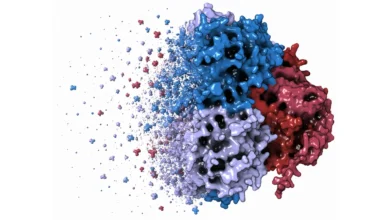
NR4A1, also known as Nur77, belongs to a family of nuclear receptors that act as critical regulators of gene expression. These receptors play a fundamental role in orchestrating the body’s response to a variety of stimuli, including physiological stress, tissue injury, and exposure to specific dietary compounds.
In prior investigations, Dr. Safe and his research team had characterized NR4A1 as a "nutrient sensor." This designation highlights its capacity to detect and respond to molecules derived from our diet, thereby contributing to the maintenance of health and the mitigation of age-related decline.
"If you damage almost any tissue, NR4A1 responds to bring that damage down," Dr. Safe explained. "If you take that receptor away, the damage is worse." This underscores the receptor’s essential function in initiating and coordinating repair mechanisms at the cellular level.
The significance of NR4A1 extends to several key physiological processes implicated in aging and disease. Research has established its involvement in regulating inflammation, a fundamental biological response that, when chronic or dysregulated, contributes to a vast array of age-related ailments. Furthermore, NR4A1 plays a role in metabolism, the complex set of chemical processes that convert food into energy and sustain life, and in tissue repair, the body’s ability to mend itself after injury. These interconnected functions make NR4A1 a critical player in the prevention and management of conditions such as cancer, neurodegenerative disorders like Alzheimer’s and Parkinson’s diseases, and various metabolic disorders.
A Molecular Pathway Illuminating Coffee’s Health Benefits
Large-scale observational studies, which have tracked the health outcomes of thousands of individuals over extended periods, have repeatedly demonstrated a correlation between regular coffee consumption and a reduced incidence of serious health conditions. Notably, these studies have linked coffee drinking to a lower risk of Alzheimer’s disease, Parkinson’s disease, and metabolic disorders such as type 2 diabetes. However, these epidemiological findings, while significant, have primarily established associations rather than elucidating the precise biological mechanisms through which coffee might exert its protective effects.
The new findings from the Texas A&M team propose that NR4A1 could represent a key component of this long-sought explanation. Their comprehensive research project involved a multidisciplinary team from across Texas A&M, including distinguished researchers like Dr. Robert Chapkin, Dr. Roger Norton, Dr. James Cai, and Dr. Shoshana Eitan. Their collaborative efforts were instrumental in demonstrating coffee’s potential protective effects, particularly within neurological models.
Through meticulous laboratory analysis, the researchers identified that several chemical compounds present in coffee possess the ability to bind to the NR4A1 receptor and modulate its activity. Among the most potent activators identified were polyhydroxy and polyphenolic compounds, with caffeic acid emerging as a particularly significant player.
"What we’re saying is that at least part of coffee’s health benefits may come through binding and activating this receptor," Dr. Safe reiterated, emphasizing the direct molecular interaction.
Further experiments conducted in controlled laboratory settings provided compelling evidence of these compounds’ efficacy. When exposed to these coffee-derived molecules, cells exhibited altered behavior consistent with disease protection. Specifically, the compounds were observed to reduce cellular damage, a hallmark of aging and disease progression, and to significantly slow the proliferation of cancer cells.
To solidify the role of NR4A1, the researchers conducted a critical control experiment. When the NR4A1 receptor was experimentally removed from the cells, the observed protective effects – the reduction in cellular damage and the slowing of cancer cell growth – vanished. This crucial observation provided robust evidence that the NR4A1 receptor is indeed instrumental in mediating at least some of the beneficial biological effects attributed to coffee.
Beyond Caffeine: The Power of Diverse Coffee Compounds
For decades, caffeine has been widely considered the primary active ingredient responsible for coffee’s stimulant effects and, by extension, its potential health benefits. However, the findings from this latest study suggest a more nuanced picture, indicating that the benefits may extend significantly beyond caffeine.
The research points to naturally occurring compounds, many of which are also abundant in a variety of fruits and vegetables, as having a more profound influence on NR4A1 activity compared to caffeine. These polyhydroxy and polyphenolic compounds, known for their antioxidant and anti-inflammatory properties, appear to be the key modulators of this vital receptor.
"Caffeine binds the receptor, but it doesn’t do much in our models," Dr. Safe clarified. "The polyhydroxy and polyphenolic compounds are much more active." This revelation offers a plausible explanation for why large population studies have observed similar health benefits associated with both caffeinated and decaffeinated coffee, a phenomenon that has previously puzzled researchers. The common denominator, it now appears, is the presence of these non-caffeine bioactives.
A Multifaceted Mechanism for a Complex Beverage
Dr. Safe was quick to emphasize that coffee is an exceptionally complex beverage, boasting a rich tapestry of hundreds of distinct chemical compounds. Consequently, it is highly probable that coffee exerts its broad health effects through multiple interconnected biological pathways, rather than relying on a single mechanism.
"There are many receptors and many mechanisms involved," he stated. "What we’re showing is that this could be one of the important pathways." This perspective acknowledges the need for continued exploration into the intricate interplay of coffee’s components and the body’s physiological systems.
It is important to note that the study was designed to investigate the underlying biological mechanisms in controlled laboratory settings. As such, it does not establish direct cause-and-effect relationships in human populations or definitively prove that drinking coffee prevents specific diseases.
"There’s still a lot of work to be done," Dr. Safe cautioned. "We’ve made the connection, but we need to better understand how important that connection is." Future research will be essential to quantify the precise contribution of NR4A1 activation to the overall health benefits observed in human coffee drinkers.
Broader Implications for Health and Therapeutics
The findings from the Texas A&M VMBS research align with a growing body of scientific evidence that underscores the profound impact of diet, particularly plant-derived compounds, on fundamental biological pathways governing aging and disease. This study adds another layer of understanding to the complex relationship between what we consume and our long-term health trajectory.
Beyond understanding the benefits of dietary staples like coffee, these discoveries hold significant promise for the future of drug development. Given NR4A1’s established role in a variety of medical conditions, including cancer and inflammatory diseases, the identification of compounds that can effectively target and modulate its activity opens new avenues for therapeutic intervention. Dr. Safe’s team is actively engaged in exploring synthetic compounds that exhibit even greater efficacy in targeting the NR4A1 receptor, with the ultimate goal of developing novel treatments for a range of diseases.
Moreover, this research serves as a powerful reminder of the potential impact of everyday dietary choices on our well-being. "Coffee is a very complex mixture of compounds," Dr. Safe concluded. "It’s a very potent combination." This complexity, it appears, contributes to its potent health effects.
What the Findings Mean for Coffee Enthusiasts
For the millions who enjoy their daily cup of coffee, the current recommendations for moderate consumption remain unchanged. Individual responses to coffee can vary significantly based on factors such as overall health status, sensitivity to caffeine, genetic predispositions, and other lifestyle elements.
However, this research provides a tangible, scientifically grounded explanation for the long-observed association between coffee consumption and enhanced health and longevity. It moves beyond mere observation to offer a compelling glimpse into the intricate biological mechanisms at play.
"I think it helps explain why coffee has the effects that it does," Dr. Safe stated, reflecting on the significance of the discovery. "It’s not just an observation — there’s a mechanism behind it." This scientific validation offers a deeper appreciation for the humble coffee bean and its potential to contribute to a healthier, longer life. The ongoing exploration of these molecular pathways promises to unlock further insights into both the benefits of our dietary choices and the development of future medical interventions.