Unlocking the Hidden Mechanisms of Leukemia Treatment: How NUDT5 Rewrites the Rules of Drug Response

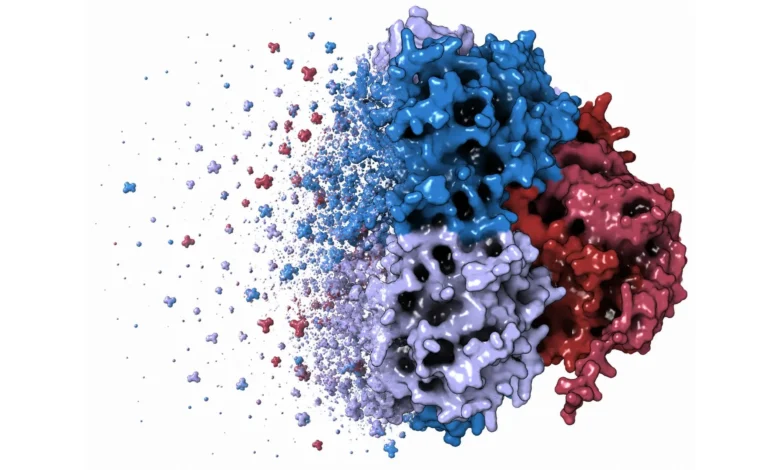
For more than seven decades, the drug 6-thioguanine (6-TG) has served as a cornerstone in the pharmacological arsenal against leukemia, yet the molecular nuances governing why certain cancer cells succumb to the treatment while others thrive have remained an enduring clinical mystery. A collaborative international study, involving the CeMM Research Center for Molecular Medicine of the Austrian Academy of Sciences, the University of Oxford, the Weizmann Institute of Science, and the University of Dundee, has recently unveiled a critical, previously unrecognized factor: the protein NUDT5. This breakthrough not only sheds light on the biological resilience of leukemia cells but also highlights a paradigm shift in how scientists evaluate the interaction between drugs and their protein targets.
The Evolution of Thiopurine Therapy
The clinical application of thiopurines, including 6-TG and its counterparts like 6-mercaptopurine, dates back to the early 1950s. Initially pioneered by Nobel laureate Gertrude Elion and George Hitchings, these antimetabolites revolutionized pediatric acute lymphoblastic leukemia (ALL) treatment. By mimicking the structure of natural purines—the building blocks of DNA—these drugs effectively "trick" cancer cells into incorporating them into their genetic material, ultimately leading to cell cycle arrest and apoptosis.
Despite the drug’s long-standing success, clinical outcomes remain inconsistent. Physicians have long observed a significant variance in patient sensitivity, often attributed to genetic polymorphisms in enzymes such as TPMT and NUDT15. However, these known markers do not account for every case of drug resistance. The recent findings, published in the journal Science (2025), suggest that the landscape of drug resistance is far more complex than previously assumed, involving proteins that function through non-catalytic mechanisms.
Beyond the Catalytic Site: The Scaffold Hypothesis
Historically, pharmaceutical research has focused on the enzymatic activity of proteins—the ability of a protein to catalyze a specific chemical reaction. Drug development strategies have typically prioritized the creation of inhibitors designed to occupy the active site of an enzyme, effectively "turning off" its catalytic function.
However, the research team at CeMM, led by Principal Investigator Stefan Kubicek, began to suspect that NUDT5’s role in leukemia was not merely chemical, but structural. Following earlier investigations into NUDT5, researchers identified that the protein frequently acts as a "molecular scaffold." In this capacity, NUDT5 does not necessarily need to perform a chemical reaction to influence cellular metabolism; rather, it physically organizes and stabilizes other protein complexes within the cell.
"We initially expected that NUDT5 would influence 6-TG through its enzymatic activity," says co-first author Tuan-Anh Nguyen. "Instead, we found that inhibiting the enzyme had little effect. What mattered was whether the protein itself was present."
The Methodology: Targeted Protein Degradation
To test the hypothesis that the physical presence of NUDT5, rather than its enzymatic activity, was the key driver of 6-TG response, the researchers moved beyond traditional inhibition. They utilized an emerging biotechnology known as Targeted Protein Degradation (TPD).
Unlike inhibitors, which leave the target protein intact in the cell, TPD utilizes specialized molecules—often referred to as PROTACs or degraders—to hijack the cell’s own internal waste-disposal system (the ubiquitin-proteasome pathway). This process marks the specific protein for total elimination.
A medicinal chemistry program, spearheaded by Professor Kilian Huber and his team at the University of Oxford’s Centre for Medicines Discovery, developed a suite of highly selective NUDT5 degraders. The most potent of these, dubbed dNUDT5, provided the researchers with the unique ability to remove NUDT5 entirely from the cellular environment. Simultaneously, they developed "control compounds" that were chemically similar but lacked the ability to induce degradation, allowing for a precise comparison between protein presence and protein absence.
Chronology of Discovery
The path to these findings was marked by a series of rigorous investigative stages:
- 2020–2023: Initial mapping of the NUDT5 protein structure and its role as a potential metabolic regulator.
- 2024: The development of the cell-based platform for screening high-affinity degraders.
- Early 2025: The realization that NUDT5 degradation effectively conferred resistance to 6-TG in leukemia cell lines, while chemical inhibition of the enzyme remained ineffective.
- Mid-2025: Validation through genetic knock-out experiments confirmed that the physical absence of NUDT5, regardless of the method, altered the drug response.
The NUDT5 and NUDT15 Dichotomy
Perhaps the most intriguing facet of the study is the opposing relationship between NUDT5 and NUDT15. While NUDT15 is a well-established regulator of thiopurine sensitivity—where its loss renders cells hypersensitive to the drug—the loss of NUDT5 yields the exact opposite effect: increased resistance.
This "push-pull" dynamic suggests that these proteins operate in different biological pathways, potentially acting as opposing "brakes" or "accelerators" in the cell’s metabolic processing of 6-TG. Ludwig Bauer, a first author of the study, described the realization as an "incredibly exciting moment," noting that the dNUDT5 molecule provided dose-dependent protection against the toxicity of 6-TG. This clearly indicates that NUDT5 is a critical node in the pathway that decides whether a leukemia cell survives or dies upon exposure to the chemotherapy agent.
Implications for Future Drug Discovery
The study holds profound implications for the future of oncology and pharmacology. By demonstrating that a protein’s biological function can exist independently of its enzymatic activity, the researchers have exposed a "hidden layer" of cellular biology. This suggests that thousands of proteins currently considered "undruggable" or irrelevant because they lack clear enzymatic targets may, in fact, play vital roles in disease progression through their structural or scaffolding properties.
"Chemical degraders give us a way to separate what a protein does as an enzyme from what it does as a physical presence in the cell," says Professor Kilian Huber. "In this case, that distinction was decisive: removing NUDT5 revealed biology that conventional inhibitors missed."
For clinicians, this research provides a new lens through which to view patient variability in chemotherapy. While it is not yet a diagnostic tool, the identification of NUDT5 as a mediator of 6-TG response could eventually lead to better patient stratification. If a patient’s leukemia cells exhibit specific NUDT5 profiles, clinicians might one day be able to predict resistance patterns before treatment begins.
A New Era of Precision Medicine
The collaboration between the European institutions—supported by major research grants including the European Research Council (ERC), the Austrian Science Fund (FWF), and the Wellcome Trust—underscores the necessity of multidisciplinary efforts in solving complex biological problems.
As the scientific community moves further into the age of targeted protein degradation, the focus is shifting away from simple "lock and key" enzyme inhibition toward a more holistic understanding of protein interactomes. By proving that NUDT5’s structural presence is the primary driver of 6-TG response, the researchers have effectively opened a new window into leukemia treatment, one that emphasizes the importance of looking beyond the active site.
While the road from laboratory discovery to clinical bedside application is long, this research represents a critical step forward. It transforms our understanding of how cancer cells adapt to therapy and provides the tools—the degraders—necessary to explore the vast, previously invisible landscape of non-catalytic protein functions. Future studies will now be tasked with mapping these pathways in vivo, potentially identifying new therapeutic targets that can overcome the persistent challenge of drug resistance in leukemia and beyond.