The phrase "bio age testing" has become increasingly prevalent, particularly in circles influenced by figures like billionaire Bryan Johnson. Johnson, the subject of the Netflix documentary Don’t Die, has publicly embarked on a highly publicized quest to achieve the lowest possible "biological age," a metric he asserts is paramount to extending human lifespan. His regimen, a meticulously controlled daily routine, reportedly costs millions annually and encompasses a wide array of anti-aging treatments. These include dozens of daily supplements, weekly acid peels, collagen-boosting injections, hyperbaric oxygen therapy, and even plasma infusions sourced from his 17-year-old son.
To track the efficacy of these interventions, Johnson frequently undergoes various bio age assessments. He claims these tests indicate his biological age has decreased by 5.1 years since he began his ambitious journey, implying a reversal of the aging process. However, this narrative is not without its detractors. A New York Times exposé, for instance, presented a conflicting account, suggesting that Johnson’s biological age had, in fact, increased by a decade. Despite such skepticism, Johnson’s "don’t die" crusade has garnered significant attention, propelling the concept of biological age into mainstream discourse.
The discussion around bio age tests is a frequent topic on popular health and wellness podcasts hosted by figures such as Peter Attia, Joe Rogan, and Andrew Huberman. A simple online search for "bio age testing" reveals a plethora of advertisements for mail-order blood or urine testing kits, promising to reveal one’s biological age, the pace of aging, and other personalized health insights. With the perceived affordability of some of these services, it is natural for individuals and health professionals alike to question the utility and reliability of such tests.
Understanding Biological Age: Beyond Chronology
Biological age, often referred to as bio age, is a measure of how effectively an individual’s cells and physiological systems function, diverging from their chronological age (the actual number of years lived). While chronological age simply counts time, biological age reflects the cumulative impact of genetics, lifestyle choices, and environmental factors on the body’s tissues and organs.
Consider two 50-year-old men: Chang and Jabari. Chang works a sedentary desk job, spends his leisure time in front of a television, resides in a highly polluted urban environment, regularly consumes unhealthy foods, and smokes. Jabari, in contrast, exercises several times a week, lives in a less polluted area, avoids smoking, prioritizes a diet rich in vegetables, practices meditation, and engages in gardening. While both share the same chronological age, it is reasonable to infer that Jabari’s biological age is likely younger than Chang’s, primarily due to their disparate lifestyle choices impacting cellular health and systemic resilience.
The Science of Bio Age Measurement: Biomarkers of Aging
Bio age testing kits aim to quantify one or more biological markers of aging, known as biomarkers. These markers provide insights into cellular health and the functional capacity of various bodily systems.
One common approach involves assessing the length of telomeres, the protective caps located at the ends of chromosomes. Telomeres naturally shorten with each cell division, and their length is considered an indicator of cellular aging and replication capacity. Shorter telomeres are often associated with increased cellular senescence and a higher risk of age-related diseases.
Another prominent method focuses on DNA methylation, a physiological process where methyl groups are added to DNA molecules, influencing gene expression without altering the underlying genetic sequence. The patterns and rates of DNA methylation change predictably with age, forming the basis for "epigenetic clocks" like the Horvath Clock and DunedinPACE. These clocks analyze specific methylation sites across the genome to estimate biological age and even the pace of aging.
Once these biomarkers are isolated and measured from biological samples (typically blood or urine), specialized algorithms and formulas are applied to calculate an individual’s estimated biological age. However, it is important to note that many standard medical tests routinely performed by doctors already track established biomarkers of aging. For instance, blood pressure, cholesterol levels (LDL, HDL, triglycerides, Apo B, Lp(a)), and blood glucose (fasting glucose, Hemoglobin A1C) are all critical indicators that predict the risk of cardiovascular disease and type 2 diabetes, two leading causes of premature mortality. C-reactive protein (CRP) levels also offer insights into systemic inflammation, another key factor in the aging process.
The Purpose and Pitfalls of Biomarker Testing
Biomarker testing offers several potential benefits. It can empower individuals to monitor their wellness proactively, rather than waiting for the onset of disease symptoms. For many, receiving objective data about their biological health can serve as a powerful motivator for lifestyle changes. Learning that one’s bones are akin to someone 20 years older, for example, might provide the necessary impetus to begin a consistent strength training regimen. Furthermore, biomarkers offer quantitative data, allowing individuals to track and evaluate the impact of various health interventions. Monitoring blood pressure, for instance, might reveal that regular exercise is beneficial, while consistent consumption of late-afternoon energy drinks has an adverse effect.
However, the proliferation of commercial bio age tests also presents challenges. The scientific community often expresses caution regarding the widespread clinical utility of many direct-to-consumer tests, particularly those lacking robust independent validation. Issues such as variability between different tests, the limited scope of what a single test can measure (e.g., blood methylation doesn’t reflect all organs), and the potential for misinterpretation of results are significant concerns. Moreover, the commercial landscape sometimes sees companies pairing test results with aggressive sales pitches for proprietary and often expensive supplement protocols, which may lack scientific backing. Experts advise discussing any test results with a trusted healthcare professional rather than relying on advice from profit-driven online vendors.
Accessible Biomarkers: Free and Doctor-Approved Assessments
It is not necessary to be a billionaire to gain valuable insights into one’s biological age. Long before the advent of high-tech blood-based tests, researchers utilized a range of simple, scientifically validated assessments to understand the pace of aging.
1. Functional Movement and Strength Tests:
- The Sitting-Rising Test (SRT): This test assesses both strength and balance. Individuals lower themselves to the floor into a crisscross leg position and then stand back up, noting how many body parts (hands, knees, shins) they use for leverage. A score of 10 points is assigned initially, with deductions for each body part used and a half-point deduction for unsteadiness. Studies, such as a 12-year investigation of 4,200 adults, have linked lower SRT scores to a higher risk of mortality from cardiovascular disease. The ability to perform this test without support indicates good balance, coordination, muscle strength, and mobility, all crucial for healthy aging.
- Grip Strength: A simple yet powerful indicator of overall fitness. Weakness in hand muscles often correlates with generalized muscle weakness throughout the body. Poor grip strength is a strong predictor of future muscle weakness, mobility issues, and has been associated with cardiovascular disease, type 2 diabetes, stroke, cognitive decline, and increased risk of falls. Some research suggests grip strength can be a better indicator of longevity than blood pressure. A basic test involves squeezing a standard tennis ball for as long as possible; 15-30 seconds is average, while over 90 seconds is excellent. More precise measurements can be obtained using a hand-held dynamometer, often available at physical therapy clinics or some gyms.
- One-Leg Stand Test: The ability to balance on one foot for an extended period is a marker of neurological and musculoskeletal health. It requires the coordinated effort of the eyes, inner ear, skeletal muscles, and brain. Inability to maintain balance can signal eroding health and fitness, potentially linked to conditions like diabetes, heart disease, and cancer. A study of 1,700 individuals found that middle-aged or older adults unable to stand on one foot for at least 10 seconds had double the risk of dying within the next seven years. Normative data exists, with typical balance times decreasing with age.
2. Subjective Wellbeing Assessment:
- Fatigue Levels (Pittsburgh Fatigability Scale): While temporary tiredness is common, persistent and unexplained exhaustion (fatigue) that interferes with daily life can be an early warning sign of underlying health issues. After ruling out common causes like lack of sleep, dehydration, or excessive caffeine, persistent fatigue can indicate sleep disorders or developing health problems such as anemia, obesity, depression, cancer, or diabetes. For individuals aged 60 or older, fatiguability – how worn out one feels after an activity – is a predictor of longevity. Higher fatiguability scores have been linked to an increased risk of future death and declines in physical fitness tests. The Pittsburgh Fatigability Scale allows individuals to rate their perceived fatigue after various activities, with scores above 25 indicating severe fatiguability warranting medical consultation.
3. Body Composition Analysis:
- Tape Measure Measurements: While gold-standard methods like DEXA scans or Bod Pod are costly, a simple tape measure can provide a surprisingly accurate estimate of body composition. Both excessive body fat and insufficient muscle mass negatively impact health. High body fat increases the risk of heart disease, high blood pressure, cancer, type 2 diabetes, and inflammation. Conversely, low muscle mass raises the risk for many of the same conditions, plus stroke, faster cellular aging, depression, anxiety, and falls. By measuring waist, hip, and neck circumference, along with age, sex, height, and weight, online calculators can estimate body fat percentage, providing valuable insights into one’s muscle-to-fat ratio.
Doctor-Approved Biomarker Tests (Often Insurance Covered):
These tests are typically part of routine preventative care and are crucial for monitoring long-term health.
- Comprehensive Blood Panel: Annual blood work is a cornerstone of preventative medicine. It tracks key markers indicative of cardiovascular and metabolic health. Optimal ranges for total cholesterol, LDL, HDL, triglycerides, Apo B, Lp(a), C-reactive protein, fasting glucose, and Hemoglobin A1C provide insights into risk for type 2 diabetes and heart disease. Many of these markers can be positively influenced within weeks or months through lifestyle changes or medication, making them excellent tools for monitoring interventions.
- Bone Density (DEXA Scan): Strong bones are a hallmark of healthy aging, often observed in "super-agers" living past 90. Bones are active organs that secrete hormones like osteocalcin, which may play roles in energy metabolism, muscle function, and cognitive health. Loss of bone density, leading to osteopenia or osteoporosis, significantly increases the risk of fractures, which can elevate mortality risk for up to a decade post-break. DEXA scans measure bone mineral density, providing a T-score that compares an individual’s density to that of a healthy young adult. Regular monitoring is especially important for those in high-risk categories, such as post-menopausal women, individuals with a family history of osteoporosis, those on certain medications (e.g., corticosteroids), or those with low body weight.
Commercial Bio Age Tests: A Deeper Dive into the High-Tech Options
For those willing to invest financially, several advanced commercial tests offer more detailed biological insights. However, it’s crucial to approach these with a critical perspective.
- DNA Methylation Clocks (Horvath Clock, DunedinPACE): These tests analyze specific methylation patterns in DNA to estimate biological age and the rate of aging. While invaluable tools for scientific research into aging mechanisms and the impact of various factors, their direct clinical utility for guiding personalized interventions in healthy individuals is still under investigation. A key caveat is that aging can occur at different rates across various organs and tissues. A blood-based DNA methylation test provides information about the methylation status in blood cells, not necessarily a comprehensive picture of every organ’s biological age. These tests typically cost around $300. They are not a substitute for routine medical check-ups.
- Telomere Analysis (Flow-FISH vs. qPCR): Telomeres, the protective caps on chromosomes, shorten with age and cell division. The flow-FISH test is a clinically recognized method used by physicians to diagnose specific genetic diseases associated with abnormally short telomeres. However, the qPCR telomere test, commonly marketed to the public for about $100, is not widely used in research or clinical medicine due to questions about its reliability and predictive value for general aging in healthy individuals. While interesting for curiosity, health and fitness decisions should not be solely based on these commercial qPCR results.
- VO2 Max Testing: VO2 max, representing the maximum amount of oxygen the body can utilize during exercise, has long been a benchmark for elite athletes. Increasingly, it is recognized as a powerful biomarker for overall health and the rate of aging for the general population. Higher VO2 max correlates with greater physical fitness and a reduced risk of heart disease, diabetes, cancer, and stroke. Observational studies have linked higher VO2 max in middle age to several years of increased longevity. The decline in VO2 max with age (roughly 10% per decade after age 30) reflects age-related physiological changes in the lungs, heart, and muscles.
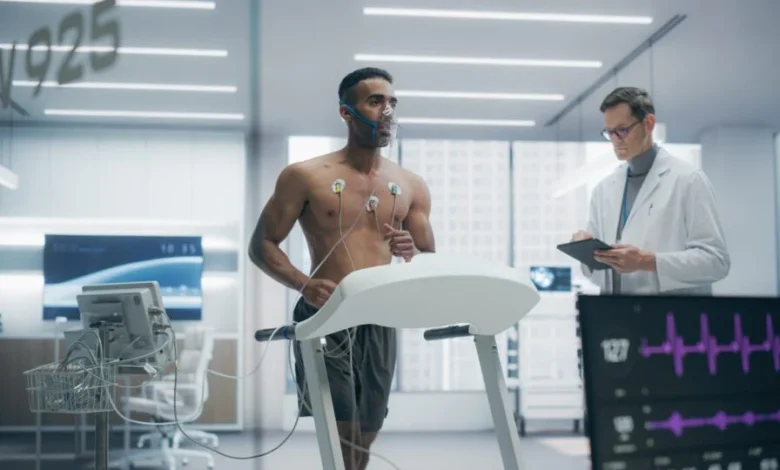
- Lab-based VO2 Max: The most accurate method involves exercising to exhaustion while wearing a metabolic mask and heart monitor in a fitness lab, measuring expired gases. This also provides data on anaerobic threshold and fat/carb utilization. Costs typically around $150.
- 1-Mile Walk Test: A more accessible estimation involves walking one mile at a brisk pace, recording heart rate and time, and plugging these into a specific formula or online calculator.
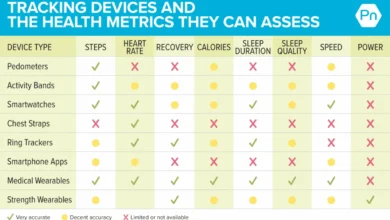
- Smartwatch Estimates: Many smartwatches provide VO2 max estimates based on workout data, age, and sex. While not as precise as lab tests, they can be useful for tracking trends over time.
- The Cooper Test (12-Minute Run): A validated field test where individuals run as far as possible in 12 minutes. The distance covered can be used in a formula or online calculator to estimate VO2 max, showing about a 90% correlation with lab measurements.
Translating Data into Action: Strategies for a Younger Biological Age
The information gleaned from biomarker tests, whether free or commercial, serves as a valuable dataset. However, data alone does not equate to improved health or a longer life. The true value lies in how this information is used to inform and motivate behavior change.
1. Embrace Evergreen, High-Impact Strategies:
Many people are drawn to novel "bio-hacks" or expensive supplements, often overlooking the foundational strategies that have been consistently proven by thousands of studies to significantly impact health and longevity. These "big rock" strategies, while perhaps perceived as "boring," are the most effective:
- Nutrient-dense diet: Emphasizing whole foods, fruits, vegetables, lean proteins, and healthy fats.
- Regular physical activity: Including cardiovascular exercise, strength training, and flexibility work.
- Adequate, high-quality sleep: Prioritizing 7-9 hours of restorative sleep per night.
- Effective stress management: Implementing techniques like meditation, mindfulness, or spending time in nature.
- Maintaining a healthy body composition: Focusing on a favorable muscle-to-fat ratio.
- Strong social connections: Engaging with community and loved ones.
- Avoiding harmful substances: Such as smoking and excessive alcohol consumption.
- Regular preventative medical care: Including vaccinations and screenings.
Individuals who consistently integrate these practices not only tend to live longer but also experience a higher quality of life, marked by greater strength, happiness, and reduced incidence of age-related disability and pain. The challenge lies in the consistent implementation of these behavioral changes, which often requires sustained effort and support, such as that provided by certified health coaches trained in the science of behavior change.
2. Turn Data into Meaningful Behavior Change:
Collecting biomarker data without altering behavior is akin to identifying a problem without taking steps to resolve it. The data should serve as a baseline, a starting point from which to measure progress. It allows individuals to objectively assess whether specific lifestyle modifications, dietary changes, exercise regimens, or medical interventions are effectively moving them closer to their goals of living a longer, healthier life. By using biomarker data to inform and track progress, individuals can make empowered, evidence-based decisions that genuinely contribute to reversing the tide of biological aging.