Breakthrough Research from Lund University Identifies Genetic Variants Significantly Increasing Venous Blood Clot Risks

Medical researchers at Lund University in Sweden have unveiled a significant scientific breakthrough in the field of hematology, identifying three specific genetic variants that dramatically elevate the risk of developing venous blood clots. The study, which analyzed decades of data from the Malmö Diet and Cancer study, suggests that individuals carrying a combination of these variants face up to a 180 percent increased risk of venous thromboembolism (VTE). This discovery marks a pivotal shift in how clinicians understand the hereditary nature of blood clots, particularly in the legs, and paves the way for more personalized approaches to anticoagulant therapy.
Venous thrombosis, characterized by the formation of blood clots within the veins, remains one of the leading causes of mortality and morbidity worldwide. Despite its prevalence, it has historically received less public attention than arterial thrombosis, which leads to heart attacks and strokes. However, as the global population ages and sedentary lifestyles become more common, the incidence of venous clots is rising, prompting urgent calls for better diagnostic tools and preventative measures.
The Mechanical Distinction Between Arterial and Venous Clots
To understand the implications of the Lund University study, it is essential to distinguish between the two primary types of blood clots. Arterial clots and venous clots form under different physiological conditions and carry distinct risks.
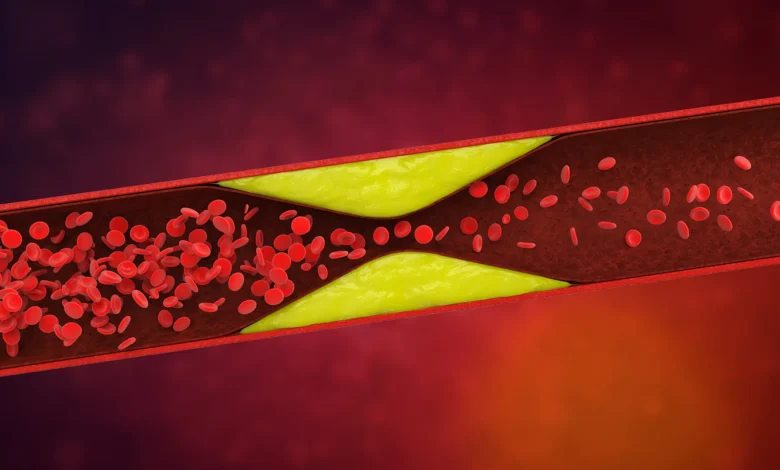
Arterial blood clots typically occur in high-pressure environments where oxygen-rich blood is pumped away from the heart. These clots are usually the result of atherosclerosis, a condition where fatty deposits known as plaque build up on the inner walls of the arteries. When these plaques rupture, the body’s immune system perceives the event as an injury, triggering the activation of platelets. These platelets clump together to form a clot, which can lead to a sudden blockage. If this occurs in the coronary arteries, it results in a myocardial infarction (heart attack); if it occurs in the brain, it causes an ischemic stroke.
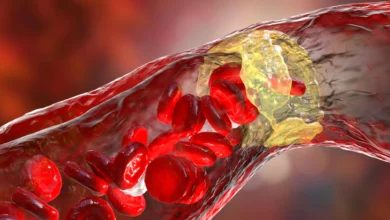
In contrast, venous thrombosis—the focus of the Lund research—generally occurs in the low-pressure system of the veins, most commonly in the lower extremities. Because the heart does not pump blood through the veins with the same force it uses for arteries, venous blood flow relies heavily on the "muscle pump" of the legs. When a person remains sedentary for long periods, the blood can stagnate, or "pool," in the veins. This stagnation activates the body’s complex coagulation system, leading to a thrombus. The most significant danger of a venous clot is its potential to break loose and travel through the bloodstream to the lungs, causing a pulmonary embolism. This condition is frequently fatal if not treated immediately.
The Evolutionary Paradox of Clotting Factors
The research team, led by Bengt Zöller, a specialist in general medicine at Skåne University Hospital and a professor at Lund University, pointed out an interesting evolutionary aspect of these conditions. Historically, the ability for blood to clot quickly was a survival advantage. In an era before modern medicine, the risk of bleeding to death from wounds or during childbirth was a primary selective pressure. Consequently, humans evolved genetic mutations that enhanced the blood’s ability to coagulate.
"Evolutionarily, bleeding less has been an advantage," Professor Zöller explained. "But in our modern, sedentary society, these once-protective traits—such as APC resistance—have transformed into significant risk factors."
One of the most well-known of these mutations is Factor V Leiden, which causes a condition known as Activated Protein C (APC) resistance. This mutation is particularly prevalent in individuals of Indo-European descent, with approximately 10 percent of the Swedish population carrying the gene. Until the recent Lund study, Factor V Leiden was considered the primary genetic marker for venous clot risk.
New Findings: The Cumulative Power of Genetic Variants
The Lund University study utilized data from the Malmö Diet and Cancer study, a massive population-based project involving 30,000 residents of Malmö, Sweden. By focusing on 27 genes previously suspected of playing a role in clotting disorders, researchers identified three specific variants that, when combined, create a risk profile as significant as Factor V Leiden.
The variants involve the genes ABO (which determines blood type), F8 (responsible for Factor VIII), and VWF (von Willebrand factor). Individually, each of these variants increases the risk of a venous clot by 10 to 30 percent. However, the risk is cumulative. An individual carrying five or more of these variants faces a 180 percent higher risk of venous thrombosis compared to the general population.
Crucially, while Factor V Leiden is largely confined to Indo-European populations, the ABO, F8, and VWF mutations are found globally. Depending on the region, these variants are present in between five and fifty percent of various populations. This makes the discovery globally relevant, offering a broader framework for assessing genetic risk across different ethnic and geographic groups.
The Role of Demographics and Physicality
Beyond genetics, the study emphasizes the role of physical stature and age in clot formation. In Sweden, more than 10,000 people suffer from venous thromboembolism annually, a figure that is trending upward. This increase is largely attributed to the country’s aging demographic. Statistical data shows that approximately 10 percent of 80-year-olds will experience a blood clot at some point in their lives.
Physical height is also a significant, albeit often overlooked, risk factor. Tall individuals have longer "columns of fluid" in their legs, where the force of gravity is at its strongest. In larger veins, the blood must travel a greater distance against gravity to return to the heart. If the valves in the veins—which are designed to prevent backflow—are damaged or weakened, the risk of stagnation increases significantly.
Weight also plays a critical role. Obesity acts as a double-edged sword: it negatively impacts venous circulation through physical pressure and is often associated with lower levels of physical activity. Furthermore, excess adipose tissue can alter the chemical composition of the blood, increasing certain clotting factors and making the blood more prone to coagulation.
Lifestyle Influences and Dietary Considerations
While genetic and demographic factors provide the foundation for risk, lifestyle choices act as the catalyst. The Lund researchers highlighted the impact of diet, noting that while fewer studies exist for venous clots compared to arterial ones, clear patterns are emerging.
Ultra-processed foods have been linked to a slightly higher risk of clotting events, whereas plant-based, nutrient-dense diets appear to offer a degree of protection. Interestingly, the researchers observed a lower incidence of blood clots among commercial fishermen. This is hypothesized to be a result of a diet high in omega-3 fatty acids, which are known for their anti-inflammatory properties and their ability to slightly inhibit platelet aggregation.
Environmental factors such as long-haul air travel and extended bed rest remain major triggers. During these periods of inactivity, the lack of muscle contraction in the legs prevents blood from moving efficiently, creating the "perfect storm" for a venous thrombus. Surgery and pregnancy are also high-risk periods; surgery can cause vessel wall inflammation, while pregnancy naturally increases clotting factors to protect the mother from hemorrhage during delivery.
Chronology of Genetic Discovery in Thrombosis
The timeline of genetic research into thrombosis has seen several major milestones, with the Lund University team playing a recurring role:
- 1994: The discovery of Factor V Leiden at Lund University. This identified the most common inherited risk factor for VTE in Caucasians.
- Early 2000s: Expansion of the Malmö Diet and Cancer study, providing a massive longitudinal database for researchers.
- 2010s: Increased focus on the "polygenic" nature of disease, moving away from single-gene explanations toward cumulative risk models.
- Present Day: The identification of the ABO, F8, and VWF variant combination, providing a more comprehensive global risk map.
Implications for Future Medical Treatment
The discovery of these genetic variants has profound implications for the future of "precision medicine." Currently, patients who suffer a blood clot are typically treated with anticoagulants (blood thinners) for a standard period, often three to six months. However, determining whether a patient needs lifelong treatment or just a short-term course remains a challenge for clinicians.
Professor Zöller believes that genetic screening could provide the answer. "I think tailoring treatment based on risk assessment will become increasingly important," he stated. By identifying patients with a high cumulative genetic risk, doctors can make more informed decisions about the duration of anticoagulant therapy, potentially preventing recurrent clots that could be fatal.
Furthermore, these findings may lead to more targeted prophylaxis. In high-risk situations—such as major orthopedic surgery or long-term hospitalization—patients with these genetic markers could be prioritized for more aggressive preventative measures.
Conclusion: A New Era of Prevention
As the medical community digests the findings from Lund University, the focus shifts toward implementation. The identification of ABO, F8, and VWF as key players in venous thrombosis risk provides a clearer picture of why certain individuals are more prone to clots than others, even when lifestyle factors are similar.
For the general public, the advice remains grounded in movement and health maintenance. Avoiding prolonged periods of inactivity, maintaining a healthy weight, and opting for a diet rich in plant-based foods and omega-3s are the most effective ways to mitigate both genetic and environmental risks. However, for those with a family history of thrombosis, the new research offers hope for a future where their specific genetic blueprint can guide their medical care, ensuring that a preventable condition like a blood clot does not become a life-threatening event.