Introducing Fish to Your Baby’s Diet: A Comprehensive Guide to Benefits, Safety, and Delicious Recipes

The introduction of solid foods, known as complementary feeding or weaning, marks a significant milestone in an infant’s development. Among the diverse array of nutrient-rich foods recommended for this transition, fish stands out as a highly beneficial option. Its delicious taste, accessibility, and versatility in culinary preparations make it an excellent choice for introducing a spectrum of flavors and textures to a baby’s palate. This comprehensive guide delves into the crucial aspects of incorporating fish into a baby’s diet, covering nutritional benefits, age-appropriateness, safety precautions, recommended fish types, and practical recipe suggestions.
The journey of introducing solid foods to infants is a gradual process, typically commencing around the six-month mark. This period is crucial for babies to explore new tastes and textures, laying the foundation for healthy eating habits. Fish, in particular, offers a potent combination of essential nutrients vital for a baby’s optimal growth and development. These include high-quality protein, iron, vitamin D, and omega-3 fatty acids. These nutrients play pivotal roles in supporting brain development, strengthening bones, and bolstering the immune system.
Nutritional Powerhouse: The Multifaceted Benefits of Fish for Infants
Up to six months of age, infants primarily derive their nutritional needs from breast milk or infant formula. However, as babies grow and their developmental needs increase, their requirement for specific micronutrients, such as vitamin D and iron, becomes more pronounced. Vitamin D is indispensable for healthy bone development and plays a role in cognitive function. Iron, an essential mineral, is critical for numerous bodily functions, including the efficient transport of oxygen in the blood.
Fish emerges as a commendable dietary source of both these vital nutrients. Certain fish varieties, like salmon, are particularly rich in vitamin D, contributing to skeletal health and brain maturation. Furthermore, fish is an excellent source of protein, a fundamental building block for tissue repair and growth, thus supporting a baby’s overall healthy physical development. Some types of fish also provide zinc, a mineral crucial for enhancing the immune system’s efficacy, helping babies ward off infections.
Perhaps one of the most celebrated benefits of fish consumption for infants is its contribution to omega-3 fatty acids. These essential fats are indispensable for the proper functioning and development of the brain, eyes, and immune system. Docosahexaenoic acid (DHA) and eicosapentaenoic acid (EPA), the primary omega-3s found in fish, are particularly important for neurological development during infancy and early childhood. Studies have consistently shown a correlation between adequate omega-3 intake and improved cognitive outcomes, visual acuity, and reduced risk of certain inflammatory conditions. For instance, a meta-analysis published in the journal Pediatrics highlighted the positive association between fish consumption during pregnancy and early childhood with enhanced cognitive development in children.
Navigating the Introduction: When and How to Offer Fish to Your Baby
The general consensus among pediatric health organizations, including the American Academy of Pediatrics and the World Health Organization, is that fish can be introduced to a baby’s diet once they have reached the age of six months and are showing signs of readiness for solid foods. These signs typically include the ability to sit up with support, good head and neck control, and a diminished tongue-thrust reflex, which prevents them from pushing food out of their mouths.
However, the introduction of fish, like any other new food, should be a gradual process. It is imperative for parents to monitor for any signs of allergic reactions. Fish is recognized as a common allergen, and introducing it carefully allows for early detection and management of potential sensitivities. It is advisable to introduce fish in small quantities initially and observe the baby for at least two to three days before introducing another new food. This observation period helps in isolating any adverse reactions to a specific food.
If an infant exhibits signs of an allergic reaction, such as hives, rash, swelling around the lips or mouth, vomiting, diarrhea, or respiratory distress (wheezing or coughing), it is crucial to discontinue feeding fish and consult a pediatrician immediately. In cases where there is a family history of allergies to fish or seafood, it is even more prudent to discuss the introduction of fish with a healthcare provider. Some pediatricians may recommend waiting until the baby is closer to eight months of age to minimize the risk of allergic reactions, while others may suggest a more cautious approach with specific types of fish.
Safety First: Best Practices for Preparing and Serving Fish to Babies
Beyond determining the right age, understanding safe preparation and serving methods is paramount. When selecting fish for your baby, prioritize freshness. Look for fish with clear, bright eyes, firm flesh, and a fresh, oceanic smell. Avoid fish that appear dull, mushy, or have a strong, unpleasant odor.
Thorough cooking is non-negotiable. Fish must be cooked until it is opaque and flakes easily with a fork, ensuring all harmful bacteria are eliminated. Steaming, baking, or poaching are excellent cooking methods that retain moisture and nutrients without the need for added fats or seasonings.
Crucially, all bones must be meticulously removed from the fish before preparation. This includes even the smallest, almost invisible bones, as they pose a significant choking hazard. After cooking and deboning, the fish should be flaked or pureed to a consistency appropriate for the baby’s developmental stage. For younger infants who are new to solids, a smooth puree is ideal. As the baby progresses, the texture can be gradually made coarser, eventually leading to finely chopped or flaked fish. The goal is to ensure the fish is soft enough for the baby to chew and swallow with ease.
Choosing Wisely: Top Fish Recommendations for Infant MPASI
Several types of fish are particularly well-suited for a baby’s first solid foods due to their nutritional profile, low mercury content, and mild flavor.
1. Catfish (Ikan Lele)
Catfish is a readily available and affordable fish that is packed with essential nutrients. It is a good source of protein, calcium, zinc, phosphorus, magnesium, and various vitamins. Furthermore, catfish contains a notable amount of omega-3 fatty acids. Its soft flesh and mild flavor make it an appealing choice for infants.
2. Salmon (Ikan Salmon)
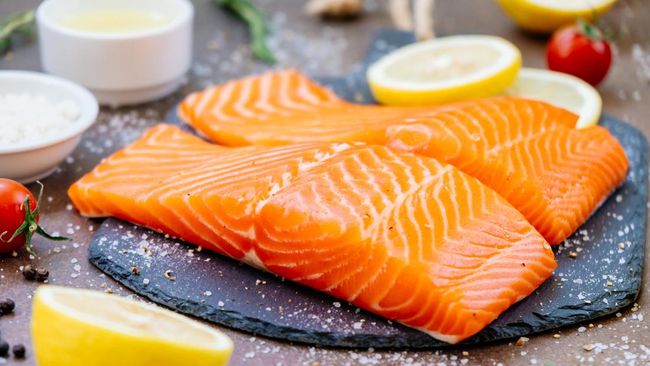
Salmon is a nutritional powerhouse, highly recommended for infant diets. It is naturally low in mercury, a significant concern with some larger, predatory fish. Salmon is exceptionally rich in omega-3 fatty acids, crucial for brain and eye development, and also provides vitamin D and lean protein. Its flaky texture and relatively mild taste are generally well-accepted by babies.
3. Anchovies (Ikan Teri)
Despite their small size, anchovies pack a significant nutritional punch. They possess a natural savory flavor, which can enhance the taste of baby food without the need for added salt or seasonings. Anchovies are an excellent source of calcium, protein, vitamin K, magnesium, phosphorus, and omega-3s. Their high calcium content is particularly beneficial for bone development.
4. Pangasius (Ikan Patin)
Local pangasius varieties are a good choice for complementary feeding. Their flesh is tender and has a mild, savory taste. Dr. Dian Sulistya Ekaputri, Sp.A., a pediatrician, highlights that pangasius is rich in protein and healthy fats, which are vital for a child’s growth. Its soft texture makes it easy to prepare for babies.
5. Mackerel (Ikan Kembung)
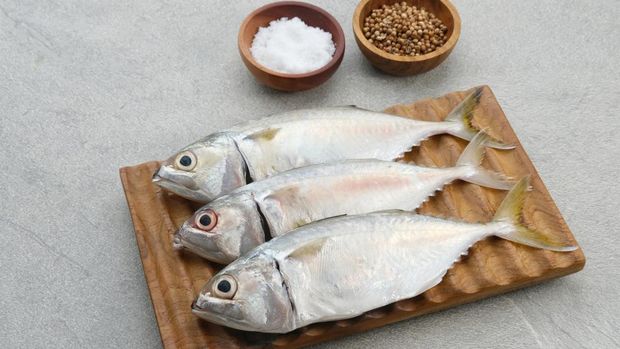
Similar to salmon, mackerel is another excellent source of omega-3 fatty acids. Dr. Dian also notes that mackerel is high in vitamin D, supporting bone health and brain development. Its accessibility and nutritional density make it a valuable addition to an infant’s diet.
Cautionary Notes: Fish to Avoid During Infancy
While many fish are beneficial, certain types should be avoided for infant consumption due to their high mercury content. Mercury is a heavy metal that can accumulate in fish, and prolonged exposure can be detrimental to a baby’s developing nervous system. Generally, larger, longer-lived predatory fish tend to have higher mercury levels.
1. Grouper (Ikan Kerapu)
Grouper can contain significant levels of mercury, making it less suitable for infants and young children.
2. Swordfish (Ikan Todak)
Swordfish is known for its high mercury content. Organizations like the Environmental Defense Fund recommend avoiding swordfish, especially for pregnant women, nursing mothers, and young children, due to potential health risks.
3. Shark (Ikan Hiu)
Shark meat is notorious for its extremely high mercury levels, making it one of the fish types that should be strictly avoided for infant consumption.
4. King Mackerel (Ikan King Mackerel)
This particular type of mackerel, distinct from the smaller, commonly marketed varieties, can also contain elevated levels of mercury and is not recommended for babies.
5. Marlin (Ikan Marlin)
Similar to swordfish and shark, marlin is a large predatory fish that accumulates high levels of mercury and should not be given to infants.
It is important for parents to be aware of the mercury content guidelines provided by health authorities, which often list fish with low mercury levels as preferred choices.
Culinary Creations: Simple and Nutritious Fish Recipes for MPASI
Introducing fish through delicious and easy-to-prepare meals can make the weaning process enjoyable for both parent and baby. Here are a few recipe ideas:
1. Tuna and Quail Egg Steamed Rice (Nasi Tim Ikan Tuna Telur Puyuh)
This recipe, adapted from the Indonesian Ministry of Health’s local recipe book, offers a balanced meal.
Ingredients:
- 1 tablespoon cooked and flaked tuna (boneless and skinless)
- 1-2 cooked quail eggs, mashed
- 2 tablespoons cooked rice
- 1 teaspoon vegetable oil (e.g., olive oil or canola oil)
- Water or low-sodium vegetable broth, as needed for consistency
Instructions:
- In a small bowl, combine the cooked rice, flaked tuna, and mashed quail egg.
- Add vegetable oil.
- Gradually add water or broth, stirring until a smooth or slightly textured puree is achieved, depending on the baby’s age and chewing ability.
- Steam the mixture for about 5-10 minutes until heated through and well combined.
- Allow to cool to a safe temperature before serving.
2. Chicken and Catfish Minced Steamed Rice (Nasi Tim Ayam Lele Cincang)
This recipe combines the goodness of chicken and catfish.
Ingredients:
- 1 tablespoon finely minced cooked chicken
- 1 tablespoon finely minced cooked catfish (boneless and skinless)
- 2 tablespoons cooked rice
- 1 teaspoon vegetable oil
- Water or low-sodium chicken broth, as needed
Instructions:
- Combine minced chicken, minced catfish, and cooked rice in a bowl.
- Add vegetable oil.
- Slowly add water or broth to achieve the desired consistency.
- Steam the mixture for 10-15 minutes until thoroughly heated.
- Cool before serving.
3. Fish, Egg, and Vegetable Steamed Rice (Nasi Tim Ikan Telur Sayuran)
A versatile recipe that can incorporate various vegetables.
Ingredients:
- 1 tablespoon flaked cooked white fish (e.g., tilapia, cod – boneless and skinless)
- 1 teaspoon mashed hard-boiled egg yolk
- 2 tablespoons cooked rice
- 1 tablespoon finely chopped cooked vegetables (e.g., carrots, peas, spinach)
- 1 teaspoon vegetable oil
- Water or low-sodium vegetable broth, as needed
Instructions:
- Mix flaked fish, mashed egg yolk, cooked rice, and chopped vegetables in a bowl.
- Stir in vegetable oil.
- Add water or broth to reach the preferred consistency.
- Steam for 10-15 minutes.
- Serve once cooled.
4. Mackerel Porridge (Bubur Palai Kembung)
This recipe, inspired by Mommyclopedia: 99+ Resep MPASI, offers a flavorful porridge.
Ingredients:
- 15 grams mackerel fillet (boneless and skinless)
- 2 tablespoons rice
- 1/2 cup water or low-sodium fish broth
- 1 tablespoon finely chopped mixed vegetables (e.g., pumpkin, sweet potato)
- 1 teaspoon vegetable oil
Ground Spices:
- 1 clove garlic, minced
- 1/4 teaspoon ginger, grated
Instructions:
- Rinse the rice. Cook the rice with water or fish broth until it forms a porridge.
- Steam the mackerel fillet until cooked through and easily flaked.
- Sauté the minced garlic and grated ginger in vegetable oil until fragrant.
- Add the cooked mackerel, chopped vegetables, and sautéed aromatics to the porridge.
- Cook for another 5 minutes, stirring occasionally.
- Mash or blend to the desired consistency for your baby. Serve warm.
5. Tenggiri Fish Ball Tomato Soup (Bakso Tenggiri Kuah Tomat)
This recipe, attributed to dr Dyah Arum K, M.Gizi, provides a comforting and nutritious soup.
Ingredients for Fish Balls:
- 50 grams tenggiri (mackerel) fish fillet, pureed
- 1 tablespoon rice flour
- 1/4 teaspoon salt (optional, for babies over 1 year)
- Pinch of white pepper (optional)
Spices:
- 1 clove garlic, finely chopped
- 1/2 teaspoon ginger, grated
- 1 teaspoon vegetable oil
Broth Ingredients:
- 1 cup water or low-sodium chicken/fish broth
- 1 small tomato, roughly chopped
- 1/2 cup chopped vegetables (e.g., bok choy, carrots)
Instructions:
- Prepare Fish Balls: Mix the pureed tenggiri fish with rice flour, salt (if using), and pepper. Form small balls. Steam the fish balls until cooked through (about 8-10 minutes).
- Prepare Broth: Sauté garlic and ginger in vegetable oil until fragrant. Add chopped tomato and cook until softened. Pour in water or broth. Bring to a boil.
- Add the chopped vegetables and cooked fish balls to the broth. Simmer for about 5 minutes until vegetables are tender.
- Serve the soup warm, ensuring the fish balls and vegetables are soft enough for the baby to eat.
Conclusion and Ongoing Support
Introducing fish to a baby’s diet offers a wealth of nutritional benefits crucial for their healthy growth and development. By adhering to recommended timelines, prioritizing safety in preparation, and selecting appropriate fish varieties, parents can confidently incorporate this nutritious food into their baby’s meals. Always remember to observe for any allergic reactions and consult with a pediatrician if any concerns arise. The journey of complementary feeding is an exciting one, and with careful planning and a variety of delicious options, fish can become a cherished part of your baby’s culinary exploration. For parents seeking further support and community engagement on parenting topics, joining online communities can provide a valuable platform for sharing experiences and accessing resources.