The Schilling Lab Uncovers First Described Mechanism for Bone Quality Decline, Illuminating the Aging Skeleton’s Intricacies

The human skeleton, far more than a mere structural support system, functions as a vital organ intricately woven into the body’s communication network. Possessing the second largest network of cellular extensions, surpassed only by the nervous system, the skeletal system is a cornerstone of overall health. Emerging research increasingly links bone health and its signaling pathways to complex conditions such as neurodegenerative diseases and metabolic disorders like diabetes and obesity, underscoring the profound systemic implications of skeletal well-being. As individuals age, inherent biological mechanisms that preserve bone quality begin to falter, leading to increased fragility and a cascade of adverse effects on systemic health. Despite this recognized vulnerability, the precise molecular mechanisms governing age-related bone quality decline have remained largely elusive. Unraveling these intricate processes is paramount for the development of targeted therapeutic strategies aimed at preserving both skeletal integrity and broader systemic vitality.
In pursuit of this critical understanding, Professor Birgit Schilling, PhD, and her dedicated team at the Buck Institute for Research on Aging, within the Schilling Lab, are meticulously investigating biological pathways to elucidate the molecular underpinnings of aging. Their work aims to decipher the complex interplay of molecular events that dictate how our bodies change over time.
Deconstructing Bone’s Molecular Architecture
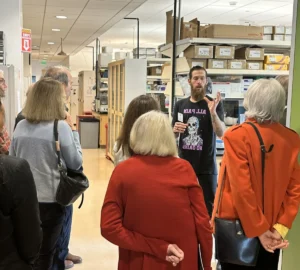
At the forefront of this research is Postdoctoral Researcher Charles Schurman, PhD, whose investigations delve into the fundamental building blocks of bone. Schurman likens the process to understanding how microscopic components, akin to Lego bricks, assemble to create a structure of exceptional strength and resilience. His research seeks to unravel why some of these "bricks" are assembled differently than others, and critically, what underlying molecular mechanisms dictate this variability and ultimately influence bone quality.
"We’re looking at bone at a fundamental level, trying to understand how its internal architecture, at the molecular scale, dictates its macroscopic properties," explained Dr. Schurman in a recent interview. "Just as the way you connect Lego bricks determines the overall stability and strength of your model, the arrangement and composition of molecules within bone dictate its resilience."
To achieve this granular understanding, the Schilling Lab collaborates with Professor Tamara Alliston, PhD, at the University of California, San Francisco (UCSF). This interdisciplinary partnership leverages the principles of materials science and engineering to dissect the mechanisms that control bone quality throughout the aging process. The analogy of a building’s structural integrity is particularly apt; just as a skyscraper relies on a robust framework of steel and concrete for its strength and stability, bone’s rigidity and support are provided by its mineral content and collagen matrix. Dr. Schurman elaborates on this parallel: "In a similar way that a building is inspected architecturally for its structural soundness, with bones, we have to look at bone quality encompassing properties like hardness, stiffness, and overall strength and strain. These are all determined by the molecular makeup and organization."
Advanced Techniques for Molecular Insights
The Schilling Lab employs sophisticated analytical methods, most notably mass spectrometry, to probe the molecular changes that occur in the body with age, with a specific focus on bone quality. Mass spectrometry is a powerful technique that separates individual particles within a sample based on their precise mass and electrical charge. This high-resolution capability allows scientists to identify and quantify even minute molecular alterations.
"Mass spectrometry is one of the only methods sensitive enough to detect individual molecular changes in bone that can have a significant impact on bone strength when you zoom out to the tissue level," Dr. Schurman emphasized. "It allows us to see the subtle molecular shifts that might otherwise go unnoticed but are critical to the overall health and integrity of the bone."
A Breakthrough Publication in Bone Research
This dedication to molecular-level investigation has culminated in a significant publication in Bone Research, a peer-reviewed journal within the prestigious Nature group. In this seminal study, Dr. Schurman and his colleagues meticulously examined age-related changes in collagen, a primary structural protein that constitutes a substantial portion of bone tissue. Their research has successfully identified a novel mechanism contributing to age-related bone fragility.
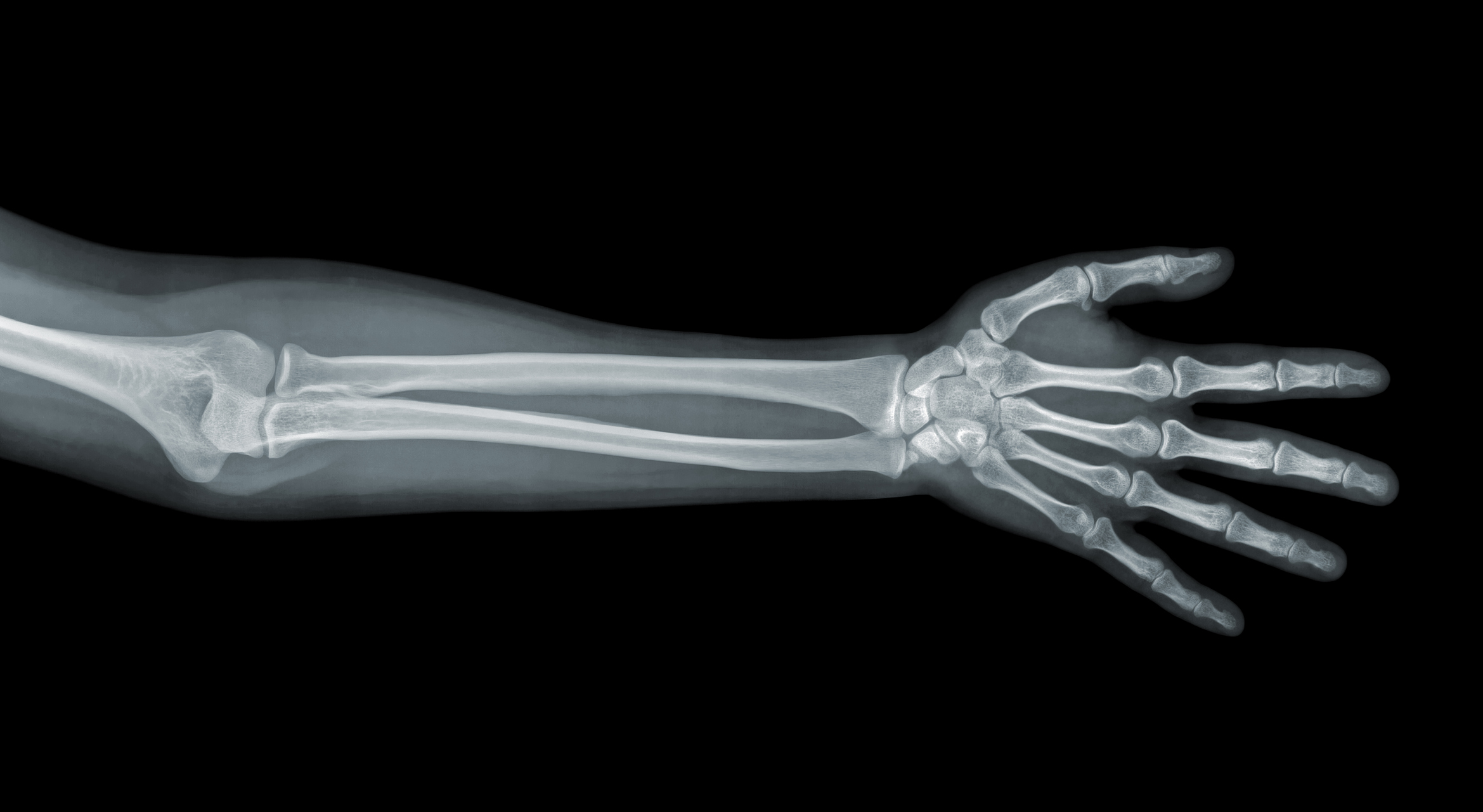
The study focused on osteocytes, specialized bone cells embedded within the bone matrix. These resident cells play a critical role in maintaining bone homeostasis, a state of dynamic balance where bone is continuously being remodeled through a process of simultaneous breakdown and formation. This constant remodeling ensures that bone remains both strong and sufficiently flexible to withstand mechanical stresses.
However, as bone ages, the capacity of osteocytes to effectively maintain this homeostatic equilibrium diminishes. This disruption in balance leads to a progressive weakening of the bone tissue. The researchers pinpointed a critical factor in this decline: the loss of a key signaling protein known as Transforming Growth Factor Beta (TGF-β).
Through their advanced mass spectrometric analyses, the team observed that normal collagen maintenance is significantly compromised in the absence of proper homeostatic regulation mediated by TGF-β. Consequently, without the continuous and well-regulated upkeep facilitated by TGF-β, collagen integrity deteriorates. This molecular degradation directly translates to a decline in bone quality and strength as an individual ages.
The First Molecular Pathway Identified
Reflecting on the significance of their findings, Dr. Schurman stated, "There are many different ways that bone quality is established, and this is just a piece of it. But this was the first time that we were able to demonstrate with age, a specific molecular pathway, and a specific molecular defect that is tied to a change in mechanical strength in bone." This marks a pivotal moment in aging research, providing the first concrete molecular explanation for why bones become weaker and more prone to fracture over time.
The implications of this discovery are far-reaching. Dr. Schurman is currently leveraging mass spectrometry to further investigate how these identified molecular changes in bone impact its mechanical performance, particularly in the context of prevalent diseases such as osteoarthritis. The ultimate goal is to translate these fundamental insights into the development of novel therapeutics.
"Our hope is that by understanding these specific molecular vulnerabilities, we can design interventions that target these pathways, essentially reinforcing the bone’s natural repair and maintenance systems," Dr. Schurman explained. "This could lead to treatments that not only prevent fractures but also improve the quality of life for millions of people suffering from age-related bone conditions."
Broader Impact and Personal Well-being
The importance of maintaining bone strength extends beyond the prevention of fractures; it is intrinsically linked to overall physical mobility and, by extension, general health. Loss of mobility can precipitate a cascade of negative health consequences, including pain, reduced independence, and a decline in overall well-being. With the skeleton serving as the foundational element of mobility, preserving its strength against the inevitable decline associated with aging is of paramount importance.
Dr. Schurman also highlighted the proactive role individuals can play in maintaining bone health. Exercise, particularly weight-bearing activities and light weight training, is crucial. "When bone is exercised, it strengthens itself by building more bone," he noted. "Your skeleton is begging to be used mechanically, and it responds very positively to that."
This research underscores a crucial paradigm shift: bones should be viewed not merely as passive structural elements but as dynamic, metabolically active organs that require ongoing care and attention. Dr. Schurman’s message is clear: "Most importantly, Dr. Schurman wants people to care for their bones like any other vital organ, such as their heart or brain." By understanding and addressing the molecular intricacies of bone aging, the Schilling Lab is paving the way for a future where healthy, robust skeletons contribute to longer, more active, and healthier lives for individuals across the globe. The scientific community will be eagerly awaiting further developments from this pioneering research.
Related posts: