WHO launches 2026 appeal to help millions of people in health emergencies and crisis settings

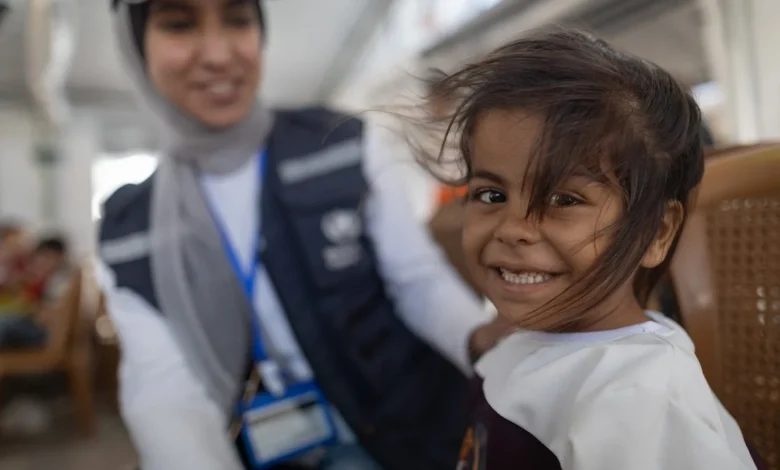
The World Health Organization (WHO) today unveiled its comprehensive 2026 global appeal, seeking nearly US$1 billion to ensure that millions of people trapped in humanitarian crises and protracted conflicts across the globe can access essential healthcare services. This urgent call to action comes at a critical juncture, as escalating global pressures collide with a severe contraction in humanitarian financing, threatening to leave millions without life-saving support. The appeal targets 36 emergencies worldwide, including 14 classified as Grade 3, denoting the highest level of organizational response required due to their complexity, scale, and severe impact on populations. These include both sudden-onset disasters and long-standing humanitarian catastrophes where health needs are profoundly acute and often unmet.
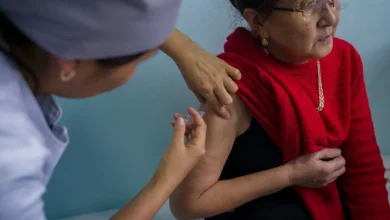
The dire necessity for this funding is underscored by the sobering realities of 2025, during which WHO and its extensive network of partners managed to support approximately 30 million people through its annual emergency appeal. While significant, this achievement was severely hampered by financial constraints, allowing the organization to reach only one-third of the 81 million individuals originally targeted for humanitarian health assistance. The resources secured in 2025, despite falling short of the ambitious goal, were instrumental in delivering critical interventions: facilitating life-saving vaccinations for 5.3 million children, enabling over 53 million health consultations, providing crucial support to more than 8,000 health facilities, and deploying 1,370 mobile clinics to reach remote and displaced populations. These efforts represent a lifeline for communities shattered by conflict, displacement, and disaster, yet highlight the vast unmet needs that persist.
The Widening Gap: Needs Outpace Resources
The backdrop against which the 2026 appeal is launched is one of converging global pressures that have dramatically exacerbated humanitarian needs. Protracted conflicts, which have displaced record numbers of people and devastated essential infrastructure, continue to rage in multiple regions. Concurrently, the escalating impacts of climate change manifest in more frequent and intense extreme weather events—from devastating floods and prolonged droughts to heatwaves—which in turn trigger food insecurity, waterborne diseases, and further displacement. Recurrent infectious disease outbreaks, including resurgences of cholera and the ongoing challenge of mpox, further strain already fragile health systems. This confluence of crises is driving an unprecedented demand for health emergency support, yet paradoxically, global humanitarian financing has continued to contract, falling below 2016 levels in the past year. This stark disparity between surging needs and dwindling resources creates an ever-widening gap, leaving millions vulnerable to preventable illness and death.
Dr. Tedros Adhanom Ghebreyesus, WHO Director-General, articulated the profound significance of the appeal, stating, “This appeal is a call to stand with people living through conflict, displacement and disaster – to give them not just services, but the confidence that the world has not turned its back on them. It is not charity. It is a strategic investment in health and security. In fact, access to health care restores dignity, stabilizes communities and offers a pathway toward recovery.” His words emphasize that the provision of health services in crisis zones extends far beyond immediate medical aid; it is a fundamental pillar for human dignity, social cohesion, and the eventual rebuilding of societies. The investment in health is, therefore, an investment in long-term stability and peace.
Chronology of Crisis and Response
The humanitarian landscape has undergone significant shifts over the past decade. Since 2016, when global humanitarian funding saw relatively higher levels, the world has witnessed a steady increase in the number, scale, and complexity of crises. The Syrian civil war continued to generate massive displacement, new conflicts erupted in places like Sudan and Ethiopia, and long-standing emergencies in Yemen and the Democratic Republic of the Congo deepened. The COVID-19 pandemic, beginning in late 2019, exposed the vulnerabilities of global health systems and exacerbated existing humanitarian challenges, diverting resources and attention while simultaneously increasing health needs in already fragile settings. Post-pandemic, the economic fallout, coupled with geopolitical tensions and the ongoing war in Ukraine, has led to a phenomenon often termed "donor fatigue," where traditional donor countries face their own domestic economic pressures and competing priorities. This chronological progression illustrates a trajectory where humanitarian needs have steadily climbed, while the global capacity and willingness to fund comprehensive responses have unfortunately waned, creating the current critical shortfall. The WHO’s annual appeals have consistently reflected these growing demands, with each successive year seeking to address an expanding array of crises, often with diminishing proportional success due to funding limitations.
Priority Emergencies and Strategic Interventions
For 2026, WHO has identified several priority emergency response areas, reflecting the most acute humanitarian health challenges globally. These include Afghanistan, still reeling from decades of conflict and political upheaval; the Democratic Republic of the Congo, plagued by internal conflict, displacement, and recurrent disease outbreaks like cholera and Ebola; Haiti, facing a profound humanitarian crisis exacerbated by gang violence and political instability; Myanmar, grappling with widespread displacement and conflict; the occupied Palestinian territory, where an unprecedented humanitarian catastrophe unfolds amidst conflict and blockade; Somalia, enduring prolonged drought, food insecurity, and insurgencies; South Sudan, battling chronic food insecurity and inter-communal violence; Sudan, experiencing a devastating new conflict; the Syrian Arab Republic, where a decade-long conflict has decimated infrastructure and displaced millions; Ukraine, facing immense health system challenges due to ongoing war; and Yemen, enduring one of the world’s worst humanitarian crises characterized by famine and disease. Beyond geographical emergencies, the appeal also targets ongoing outbreaks of cholera and mpox, which pose significant regional and potentially global health security threats.
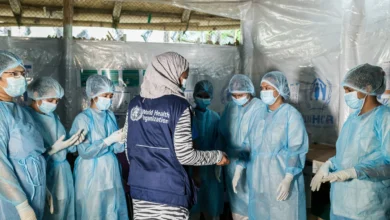
As the designated lead agency for health response in humanitarian settings, WHO plays an indispensable coordinating role within the broader humanitarian architecture. It works tirelessly with over 1,500 partners across 24 crisis settings globally, ensuring that national authorities and local partners remain at the absolute centre of emergency response efforts. This localization strategy is crucial for sustainable impact, fostering ownership, and building long-term resilience within affected communities. WHO’s emergency response actions are multifaceted, encompassing a wide array of interventions designed to save lives, prevent disease, and restore basic health services. These include:
- Disease Surveillance and Outbreak Response: Establishing early warning systems, conducting rapid diagnostics, and implementing control measures for infectious diseases.
- Access to Essential Medicines and Supplies: Procuring and distributing life-saving drugs, vaccines, medical equipment, and other health commodities.
- Support for Health Facilities and Mobile Clinics: Rehabilitating damaged health infrastructure, providing operational support to hospitals and clinics, and deploying mobile health teams to reach underserved populations, particularly in remote or conflict-affected areas.
- Healthcare Worker Training and Support: Training local health personnel, providing psychosocial support to frontline workers, and ensuring their safety in hazardous environments.
- Mental Health and Psychosocial Support: Addressing the pervasive mental health impacts of conflict and disaster on affected populations.
- Sexual and Reproductive Health Services: Ensuring access to critical services, including maternal care, family planning, and gender-based violence response, which are often disrupted in emergencies.
- Nutrition Support: Integrating nutrition interventions within health programs to combat malnutrition, especially among children and pregnant women.
- Water, Sanitation, and Hygiene (WASH) Interventions: Collaborating with WASH partners to prevent waterborne diseases, a major cause of mortality in emergencies.
International Solidarity and the Imperative of Investment
The urgency of the appeal resonated strongly with international partners. Speaking as co-chair at the launch event, Ambassador Noel White, Permanent Representative of Ireland to the United Nations Office in Geneva, affirmed, “Every humanitarian crisis is a health crisis. That is why Ireland is proud to support the WHO emergency response through unearmarked, flexible and predictable funding of the Contingency Fund for Emergencies.” Ambassador White’s statement highlights the critical importance of flexible funding, which allows WHO to allocate resources where they are most needed and to respond swiftly to evolving crises, rather than being constrained by rigid earmarks. This type of funding is often a lifeline in dynamic emergency contexts.
Similarly, Ms. Marita Sørheim-Rensvik, Deputy Permanent Representative of Norway to the United Nations Office at Geneva, also co-chairing the event, underscored WHO’s unique and indispensable role. “In today’s most complex emergencies, WHO remains indispensable – protecting health, upholding international humanitarian law, and ensuring life-saving care reaches people in places where few others can operate. From safeguarding access to sexual and reproductive health and rights to supporting frontline health workers under immense strain, WHO’s role is vital. Norway calls on all Member States to strengthen support for WHO so it can continue delivering for those who need it most.” Her remarks emphasize WHO’s broad mandate, including its advocacy for international humanitarian law, and its crucial role in areas often neglected in crises, such as sexual and reproductive health and rights, which are fundamental human rights often compromised during emergencies.
Broader Implications and the Path to Recovery
The implications of underfunding the 2026 appeal are profound and far-reaching, extending beyond immediate health outcomes. A failure to adequately respond to these crises means an increase in preventable deaths and diseases, the collapse of already fragile health systems, and a heightened risk of localized outbreaks escalating into regional or even global health security threats. When health systems falter, communities become more susceptible to instability, displacement grows, and the long-term prospects for recovery and development are severely undermined. The lack of access to basic healthcare can exacerbate existing grievances, fueling social unrest and potentially prolonging conflicts.
Conversely, early and predictable investment in humanitarian health response enables WHO and its partners to act immediately when crises strike. This proactive approach significantly reduces death and disease, contains outbreaks before they spiral out of control, and prevents health risks from escalating into wider humanitarian and health security crises with far greater human and financial costs. Such strategic investment builds resilience, supports local capacities, and fosters the conditions necessary for communities to begin the arduous journey towards peace and recovery. While WHO and its humanitarian partners have been forced to make difficult choices, prioritizing the most critical interventions due to funding shortfalls, the requested resources for 2026 are essential to sustain life-saving care in the world’s most severe emergencies, while simultaneously building a bridge towards sustainable peace and health security for all. The global community’s response to this appeal will be a true test of its commitment to humanitarian principles and its recognition of health as a fundamental human right and a cornerstone of global stability.
Related posts: