The Buck Institute’s Clinical Research Core: A Deep Dive into Its Genesis and Expanding Mission

The Clinical Research Core (CRC) at the Buck Institute for Aging Research represents a pivotal expansion of the institute’s groundbreaking work, translating fundamental discoveries in aging science into tangible human health benefits. Building upon the foundational mission outlined in its previous communication, this second installment delves into the origins of the CRC, its strategic growth, and the diverse array of clinical trials it now undertakes. The CRC’s genesis is rooted in a specific area of scientific fascination: ketone bodies. This exploration into the potential health benefits of ketones has been a long-standing pursuit for the CRC’s co-heads, Brianna Stubbs, Director of Translational Science, and Assistant Professor Dr. John Newman.
From Ketone Fascination to Clinical Reality
Dr. Stubbs’ academic journey included doctoral research focused on the effects of ketone drinks in human participants, while Dr. Newman has dedicated over a decade to investigating ketone research in animal models, demonstrating their capacity to improve healthspan and memory in aging mice. The scientific community has observed promising potential for ketone body supplements to offer health advantages without the stringent dietary restrictions of a traditional ketogenic diet. However, critical questions remained unanswered: would these benefits translate to human clinical trials? What specific types of ketones were most effective? What dosages were optimal? And how would individuals respond differently to these interventions? These were precisely the unknowns the Buck Institute aimed to address.
Dr. Newman and Dr. Stubbs recognized that the Buck Institute possessed the necessary infrastructure and expertise to embark on this clinical research. "We had all the pieces at Buck; we just needed a catalyst to start actually putting it all together," Dr. Newman stated. That catalyst arrived in the form of a significant contribution from a private donor. Retired physician Dr. Jim Johnson, who had personally experienced perceived benefits from a ketone drink, sought to validate these effects through measurable scientific evidence. His generous donation provided the essential impetus to establish the CRC, enabling the hiring and training of research assistants and part-time study nurses, navigating the complexities of regulatory documentation, and securing appropriate facilities for research operations.
Overcoming Early Hurdles and Building Momentum

Securing traditional funding, such as from the National Institutes of Health (NIH), presented an initial challenge. "Traditional funders such as the NIH would probably never have funded this project," Dr. Stubbs explained, citing the lack of an established track record for such novel clinical endeavors at the institute. This is where philanthropic support proved instrumental. The Buck’s Impact Circle, a dedicated donor group, provided further crucial support for biomarker studies within the initial ketone supplement trial. This backing ensured that the research would be truly translational, seamlessly connecting basic science discoveries with clinical applications.
The formal launch of the CRC occurred in 2022 with its inaugural study, known as BIKE (Buck Institute Ketone Ester). This trial focused on a commercially available ketone drink and aimed to assess the safety of daily consumption of ketone ester beverages in older adults. The study garnered an overwhelmingly positive response from volunteer participants, leading to its completion in less than a year, from the initial recruitment to the final study visit. The findings have already resulted in two accepted publications, with two more undergoing peer review. Furthermore, extensive analyses of a wide range of aging biomarkers and multi-omic data are ongoing, promising to yield significant scientific insights for years to come.
Concurrently, the Buck Institute initiated a clinical trial in collaboration with Ohio State University, investigating the use of ketones for military applications under the STAK (Strategies to Augment Ketosis) program. The Buck’s involvement in STAK specifically examines how individuals of varying ages and health conditions respond to a ketone ester. "Those two studies, STAK and BIKE, are the core that started us off because of our shared scientific and practical experience studying ketone drinks," Dr. Stubbs remarked, underscoring the synergistic nature of these early projects.

Federal Funding Propels the CRC’s Growth
The successful establishment and progression of the BIKE study paved the way for a significant development: the acquisition of $3.5 million in federal funding. This substantial grant was allocated to launch the much larger TAKEOFF (Targeting Aging with Ketone Ester in Older Adults for Function in Frailty) trial. This ambitious study is designed to determine whether the consumption of ketone drinks can improve physical function in individuals exhibiting early signs of frailty, a condition characterized by reduced physical capacity and compromised health in older adults. The Buck Institute is spearheading this multi-institutional effort, which includes Ohio State University and the University of Connecticut as collaborating enrollment sites. The San Francisco Coordinating Center plays a vital role in ensuring seamless coordination and operational efficiency across all participating sites.
"TAKEOFF is also helping to launch our efforts to diversify geroscience clinical trial participation," stated Dr. Newman. "Geroscience is a unique field that affects every one of us as we age, and it’s important to us that everyone in our community can be involved." In line with this commitment to inclusivity, the TAKEOFF trial will actively recruit Spanish-speaking participants. The CRC team includes several bilingual staff members to facilitate communication and engagement with this demographic. To further enhance outreach to local communities serving older adults, particularly within Latino communities, the Buck CRC has initiated a comprehensive program engaging with community groups.

Expanding Research Horizons Beyond Ketones
Beyond the focused research on ketone drinks, the CRC’s portfolio of clinical trials continues to expand, venturing into diverse areas of aging research. Current initiatives include the MOVE study, which investigates the effects of exercise on aging to better understand how physical activity enhances health and extends lifespan. Another trial, the GLIDE study, is exploring the use of a supplement designed to mitigate the detrimental effects of sugar metabolism, with the aim of determining its potential to improve hormonal health in postmenopausal women. These diversified trials highlight the CRC’s growing capacity to address a broad spectrum of age-related health challenges.
The Dedicated Team: The Engine of Clinical Research

The remarkable achievements of the Buck Institute’s Clinical Research Core are inextricably linked to the exceptional team that has been assembled. This group comprises seasoned nurses with decades of experience caring for vulnerable older patients in medical settings, physicians with extensive expertise in both clinical research and geriatric care, and clinical research associates possessing years of practical experience in clinical, laboratory, and research environments, enabling them to execute daily operations with precision.
The team’s responsibilities are multifaceted, encompassing the meticulous collection of samples, including biological specimens, the recording of physical measurements, and the administration of cognitive assessments through questionnaires. They are also adept at processing collected samples in the laboratory, establishing computerized databases of the gathered results, and conducting sophisticated data analysis using custom-developed computer programs.
In addition to the leadership of Dr. Stubbs and Dr. Newman, and the contributions of newly appointed part-time physicians, the core CRC team is a small but exceptionally impactful unit. Their dedication and passion are evident in their commitment to advancing aging research.
Voices from the Team: Driving Innovation in Aging Research
Laura Alexander, RN, [BSN, CFCS], Clinical Research Nurse:
"In my most recent position as Director of Nursing for a Long-term Care Facility, I was shocked and frustrated at the lack of care that my patients received regarding their feet. I decided to change that by becoming a Certified Foot Care Specialist, and I am working at the Buck Institute for Aging to hopefully continue to contribute to the improvement of the care of the aging population." Ms. Alexander’s commitment to specialized patient care underscores the patient-centric approach of the CRC.
Thelma Y. García, Ph.D., Administrative Director of CRC:
"I am excited to interact with a group of amazing people that are truly passionate about the work we do. I hope to continue to apply my expertise in research project management and a commitment to diversity, equity, inclusion, and belonging to excel in cultivating a collaborative culture that propels forward the frontiers of aging research." Dr. García’s focus on fostering a collaborative and inclusive environment is crucial for the CRC’s ongoing success.

Ester Hernandez, Bilingual Clinical Research Associate:
"My goal is to make vital information more accessible to the Latino community, ensuring they fully understand the trial processes and outcomes. Additionally, I aim to educate the community by bridging language barriers, which will ultimately help increase their participation and representation in clinical research." Ms. Hernandez’s work directly addresses the critical need for equitable access to clinical research opportunities.
Lali Perez, Clinical Research Associate:
"I got involved in working on clinical trials when I was a 19-year-old undergraduate. That experience ignited a passion for clinical research. Losing a close relative to Alzheimer’s sparked a deep personal interest in neurological disorders and how they impact individuals and families. I’m bilingual and am excited to do outreach to a community that is often left out of the research equation." Ms. Perez’s personal motivation and bilingual skills are invaluable assets in reaching underserved populations.
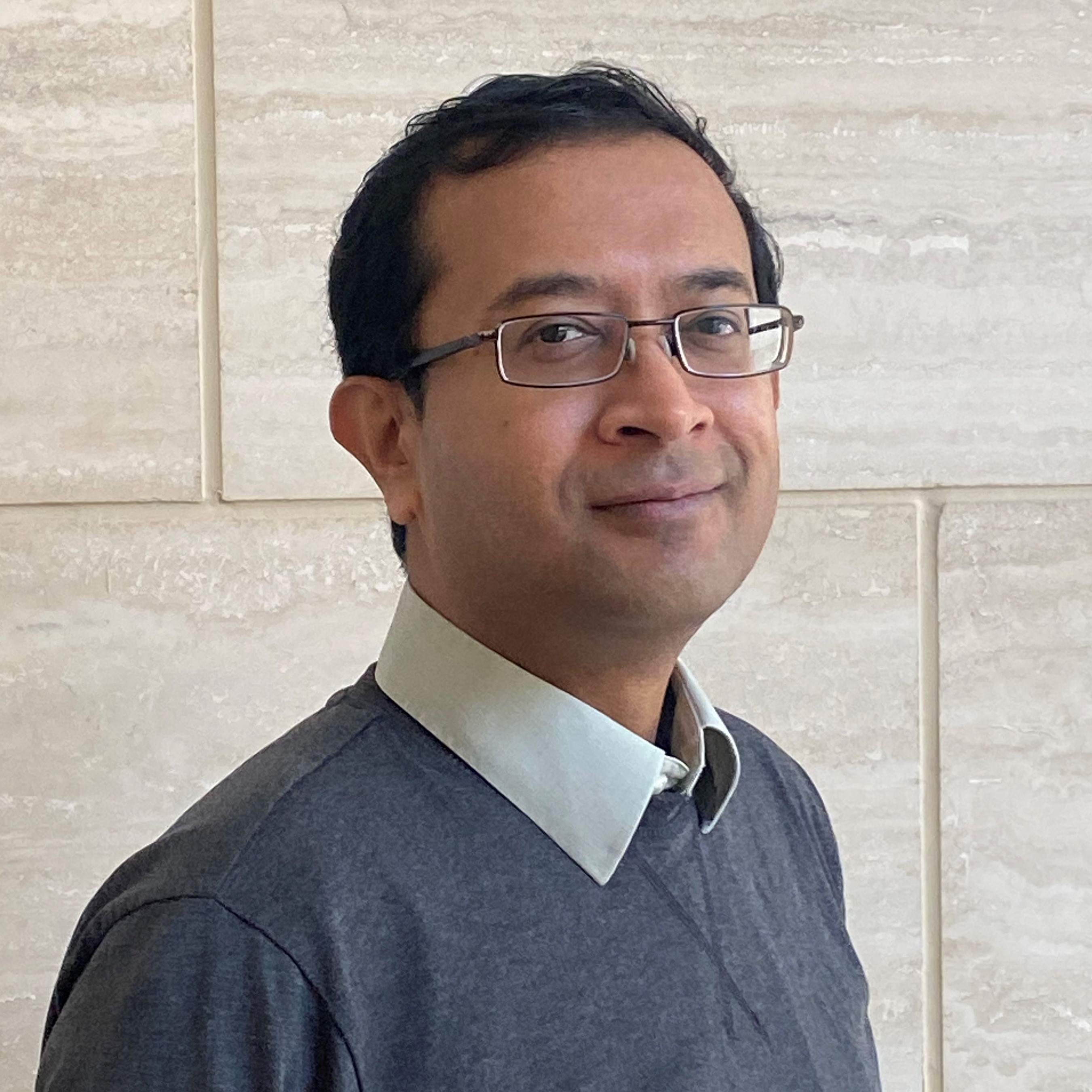
Chatura Senadheera, Clinical Project Manager:
"It’s always amazing to realize how multidisciplinary, talented, and competent the staff are to make sure all aspects of the trials are completed. Here at the Buck, we have created from the ground up a clinical unit that can do any aspect of the trial, from volunteer interactions to laboratory processing of the clinical samples, without a hitch." Mr. Senadheera’s observation highlights the comprehensive capabilities developed within the CRC.
Wendie Silverman-Martin, RN, Clinical Research Nurse:
"I like the fact that we really work well together as a team, and I enjoy contributing my intravenous and nursing skills to these studies. Our Clinical Research Team appreciates the volunteers very much – our learning about various aspects of aging depends on them. I am an older nurse with 38 years of experience, so these studies are important to me as I age further." Ms. Silverman-Martin’s long-standing experience and personal investment in aging research resonate deeply with the CRC’s mission.
Elizabeth Stephens, Clinical Research Associate:
"I am very grateful to have grandparents who are in their 70s who have aged very well; my grandfather helped me carry a piano up to my apartment at age 75, and I want more people to be able to live like that into their older age. Some of the trials we are doing will help us learn more about the aging body and learn more about how we can augment it, or what we can do to benefit people as they age and increase health span." Ms. Stephens’ aspiration for extended healthspan reflects the ultimate goal of the CRC’s endeavors.
The growth and impact of the Buck Institute’s Clinical Research Core demonstrate a successful model for translating scientific curiosity into impactful clinical interventions. With a dedicated team, strategic partnerships, and a commitment to inclusivity, the CRC is poised to make significant contributions to understanding and enhancing human healthspan.

For further information on the Buck Institute’s clinical trials and to express interest in participating, please visit: https://www.buckinstitute.org/clinical-trials/
Related posts: