
Thomas E. Johnson, Pioneer in Aging Research Who Demonstrated Lifespan Manipulability, Dies

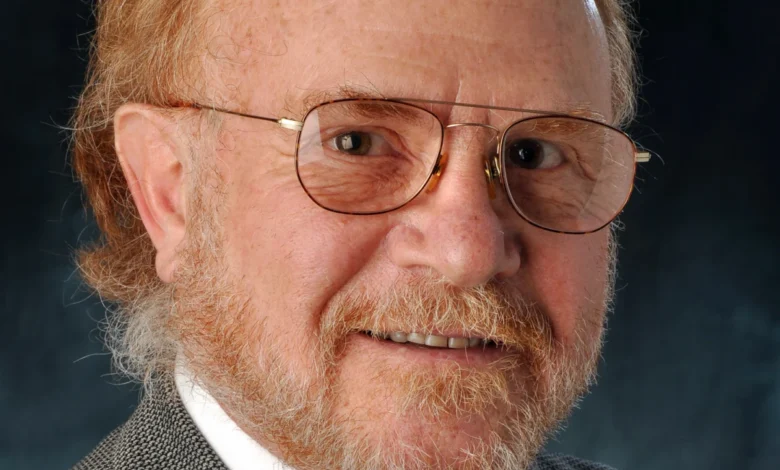
The field of aging research, a discipline once relegated to the fringes of biological inquiry and widely considered intractable, has lost one of its most transformative figures. Thomas “Tom” E. Johnson, whose groundbreaking work in the mid-1980s irrevocably altered the scientific understanding of aging and lifespan, passed away last month. His pioneering research demonstrated that lifespan is not an immutable biological constant but a malleable trait that can be profoundly influenced through genetic manipulation, a concept that defied conventional wisdom and paved the way for the modern field of geroscience.
Johnson’s seminal contributions emerged at a time when aging was largely perceived as a complex, multifactorial process driven by an inscrutable array of thousands of genes, making it a formidable and often discouraging subject for scientific investigation. The prevailing scientific consensus was that aging was an inevitable consequence of biological wear and tear, a process too diffuse and intricate to yield to targeted interventions. However, Johnson, working with the nematode worm Caenorhabditis elegans (C. elegans), a model organism prized for its genetic tractability and short lifespan, began to challenge this deeply entrenched view.
A Paradigm Shift in Aging Science
Johnson’s research program, meticulously executed over a series of pivotal publications, systematically dismantled the notion of aging as an unalterable aspect of life. His initial work in the mid-1980s involved selective breeding of C. elegans, a technique that, in his hands, yielded surprisingly significant effects on the longevity of the worm populations. This early finding, though remarkable, hinted at a deeper genetic basis for lifespan control.
Building upon the foundational work of other researchers, notably Mike Klass, who had identified early genetic links to longevity in C. elegans, Johnson and his team took a decisive step forward. In a series of three subsequent publications, they provided compelling evidence that mutations in a single gene could extend the lifespan of these organisms by an astonishing margin – more than 50 percent. This discovery was not merely incremental; it was revolutionary. It demonstrated, with unprecedented clarity, that aging possessed a genetically determined component that could be targeted and modified.
The implications of this finding were profound. If a single gene could exert such a dramatic influence on lifespan in a simple organism, it suggested that similar genetic mechanisms might operate in more complex life forms, including humans. This realization was initially met with skepticism, even disbelief, within the broader scientific community. The idea that one could actively intervene to extend life was so far removed from the prevailing understanding that many established researchers found it difficult to accept.
The Genesis of a Field and Its Future Leaders
Among the few scientists who recognized the immense potential of Johnson’s work were Gordon Lithgow and Simon Melov. Both were young researchers at the cusp of their careers, actively seeking to delve into the fundamental biology of aging. Inspired by Johnson’s groundbreaking discoveries, they were drawn to his laboratory at the University of Colorado in Boulder. Their decision to join his research group marked the beginning of their own distinguished careers and cemented Johnson’s role as a crucial mentor in the nascent field of aging biology.
Dr. Simon Melov, reflecting on his early career trajectory, recounted the significant challenges he faced in finding a laboratory dedicated to aging research in the early 1990s. “Many established academics I turned to for career advice believed that studying aging was ‘junk science,’ and warned that I would be ‘throwing my life away’ if I went down that path,” Dr. Melov shared in a personal reflection. The prevailing sentiment was that aging was a biological dead end, a subject too complex and biologically meaningless to warrant serious scientific pursuit.
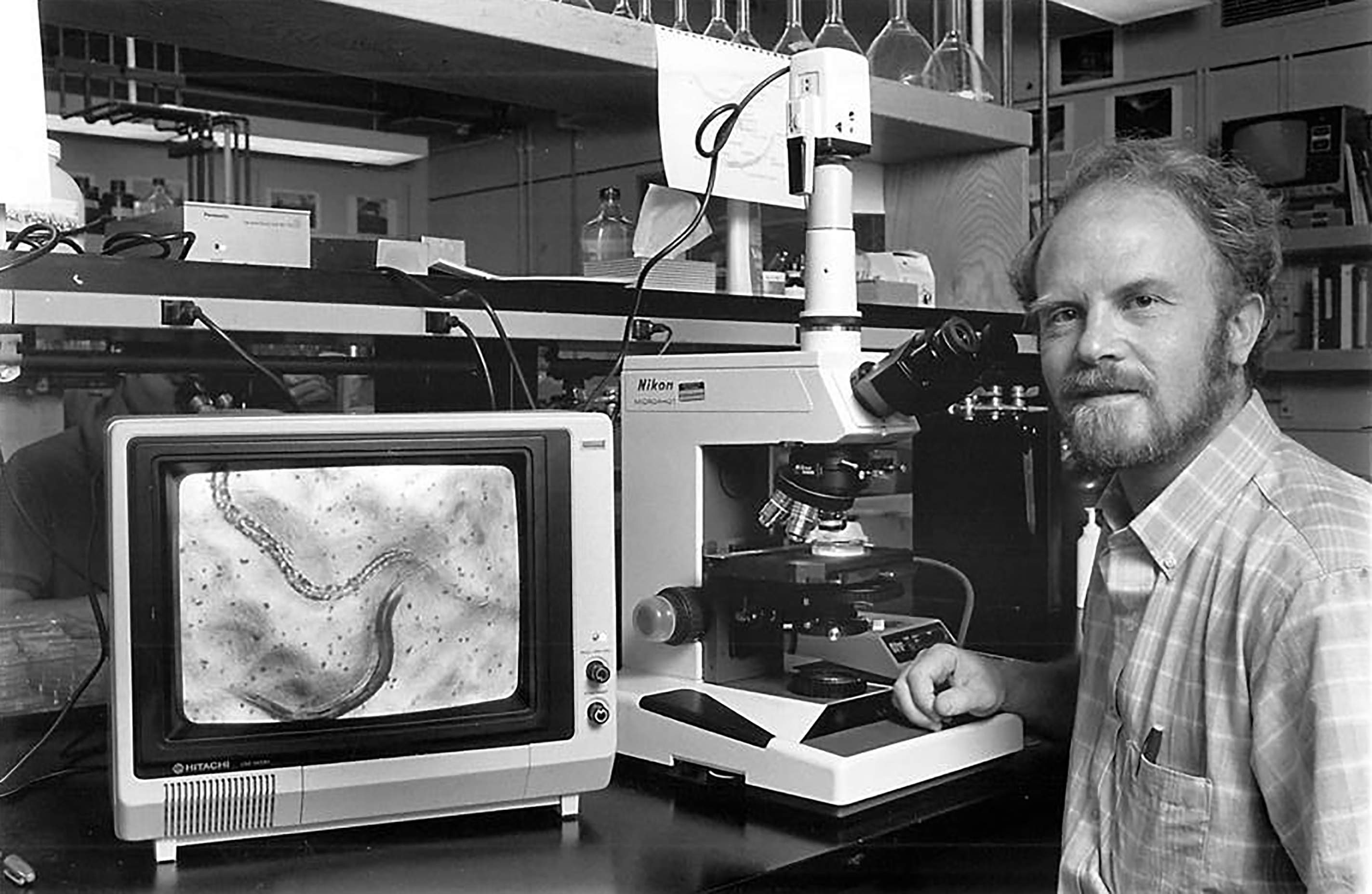
It was during this period of academic uncertainty and discouragement that Dr. Melov stumbled upon Johnson’s work. “While spending long hours reading journals in the library, I came across Tom’s lab,” he recalled. “It stood out as one of the few groups performing direct, mechanistic experiments on aging in model organisms. Tom’s approach—treating aging itself as a phenotype and using genetics to directly extend lifespan—immediately resonated with me.”
Johnson’s methodology, which treated aging as a measurable biological characteristic amenable to genetic analysis, offered a tangible path forward for researchers interested in the fundamental processes of senescence. This contrasted sharply with the more descriptive or observational approaches that characterized much of the aging research at the time.
Dr. Melov further elaborated on the external pressures he faced: “I even consulted a future Nobel Prize winner about the idea of joining Tom’s lab. His advice was blunt: Tom was ‘crazy,’ and I should work on something respectable, like developmental biology.” This anecdote underscores the prevailing skepticism and the unconventional nature of Johnson’s research program. Yet, for Melov, such resistance served as a catalyst rather than a deterrent. “Like many young scientists given advice which seems contradictory to your central goal, it served as a stimulus,” he stated.
Driven by his conviction, Dr. Melov took a direct approach. He wrote to Johnson, inquiring about postdoctoral positions. “I will always be grateful that he took the time to respond and ultimately offered me a position in his lab. That opportunity launched my career in the biology of aging.” This personal account highlights Johnson’s receptiveness to promising young talent and his willingness to nurture those who shared his vision, regardless of prevailing scientific opinions.
Johnson’s mentorship, according to Dr. Melov, was instrumental. “Tom’s openness to new ideas and his commitment to careful, rigorous experimentation set an example that has shaped my scientific approach ever since. His mentorship helped start what has now been nearly forty years of research into the biology of aging—an extraordinary and rewarding journey.” This enduring legacy of mentorship and scientific rigor continues to influence a generation of aging researchers.
The Lasting Impact on Geroscience
The scientific implications of Johnson’s discoveries cannot be overstated. His work provided the empirical foundation for the field of geroscience, a multidisciplinary approach that aims to understand the fundamental biology of aging and its associated diseases. Geroscience posits that aging itself is a primary risk factor for a multitude of age-related conditions, including cancer, cardiovascular disease, neurodegenerative disorders, and metabolic diseases. By targeting the aging process directly, geroscience seeks to simultaneously delay or prevent the onset of multiple diseases, thereby promoting healthspan—the period of life spent in good health.
The intellectual framework of the Buck Institute for Research on Aging, a leading institution dedicated to understanding the biology of aging, is deeply rooted in the groundbreaking discoveries made by Thomas E. Johnson. His ability to demonstrate that lifespan is a genetically influenced trait, subject to manipulation, opened the floodgates for subsequent research into the molecular and cellular mechanisms that govern aging.
Chronology of Key Developments
- Mid-1980s: Aging is widely viewed as an unalterable, complex biological process influenced by thousands of genes, making it difficult to study mechanistically.
- Mid-to-Late 1980s: Thomas E. Johnson publishes a series of four seminal papers.
- First Publication: Demonstrates that selective breeding in nematode worms can produce significant effects on longevity.
- Subsequent Publications: Building on the work of Mike Klass, Johnson’s lab shows that mutations in a single gene can extend lifespan in C. elegans by over 50 percent. This finding challenges the prevailing scientific paradigm.
- Early 1990s: Young researchers like Simon Melov and Gordon Lithgow, facing skepticism about the validity of aging research, are inspired by Johnson’s work.
- Early 1990s: Gordon Lithgow and Simon Melov join Tom Johnson’s lab at the University of Colorado in Boulder, beginning their careers in aging research.
- Post-1990s: Johnson’s discoveries lay the groundwork for the emerging field of geroscience. His approach of treating aging as a genetically tractable phenotype becomes a cornerstone of modern aging research.
- Present: The Buck Institute and numerous other research institutions worldwide build upon Johnson’s foundational work, advancing the understanding and potential intervention in the aging process.
- Last Month: Thomas E. Johnson passes away, leaving a profound legacy in the field of aging research.
Supporting Data and Broader Implications
The success of Johnson’s early experiments with C. elegans has been replicated and expanded upon by numerous research groups. Studies have since identified dozens of genes and pathways that influence lifespan in various model organisms, including yeast, flies, and mice. These include genes involved in nutrient sensing pathways (such as insulin/IGF-1 signaling and mTOR), stress resistance, DNA repair, and cellular senescence.
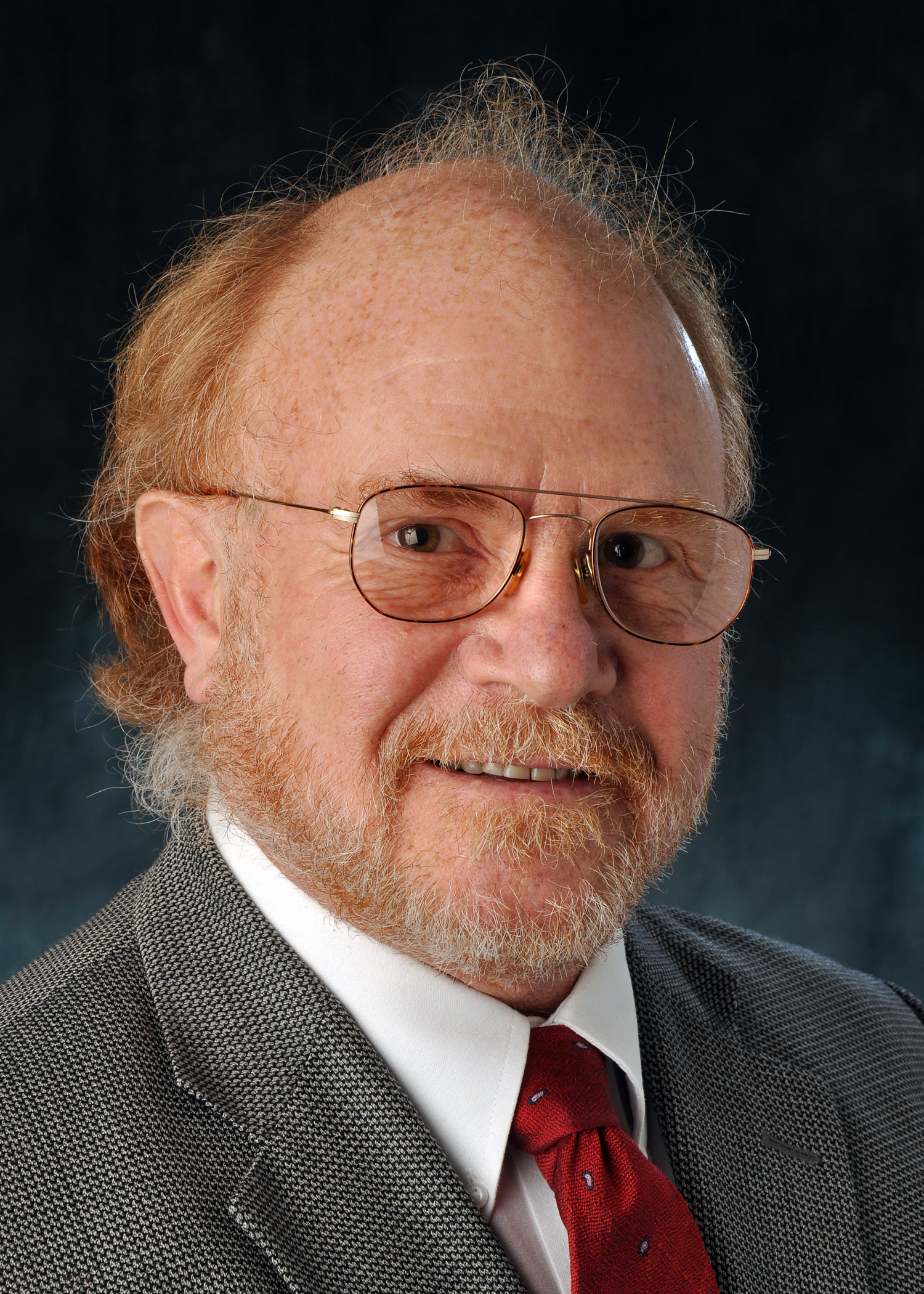
For instance, mutations in the daf-2 gene in C. elegans, which encodes a component of the insulin/IGF-1 receptor, have been shown to extend lifespan by up to tenfold. Similarly, in fruit flies (Drosophila melanogaster), manipulating genes in the insulin signaling pathway has led to significant lifespan extension. In mice, caloric restriction, a dietary intervention known to extend lifespan, has been found to activate similar conserved genetic pathways.
The broader implications of Johnson’s work extend far beyond academic curiosity. The insights gained from aging research are increasingly being translated into strategies to combat age-related diseases in humans. By understanding the fundamental mechanisms of aging, scientists are developing interventions that aim to slow down or even reverse cellular and molecular damage associated with growing older. This has the potential to not only increase human lifespan but, more importantly, to extend healthspan, enabling individuals to live longer, healthier, and more productive lives.
The development of senolytic drugs, which selectively eliminate senescent cells (cells that have stopped dividing and can promote inflammation and tissue dysfunction), is one example of a therapeutic strategy emerging from aging research. Similarly, research into stem cell therapies and regenerative medicine aims to repair or replace damaged tissues, a process intrinsically linked to the aging process.
Reactions and Commemorations
While formal statements from scientific organizations may follow, the profound impact of Johnson’s work is evident in the careers of the scientists he mentored. The personal reflections of Dr. Melov, a prominent figure in aging research himself, attest to the transformative nature of Johnson’s guidance. The fact that two future leaders in the field, Lithgow and Melov, were drawn to his lab, despite the scientific climate of the time, speaks volumes about the power of his discoveries and his vision.
The Buck Institute, deeply indebted to Johnson’s pioneering spirit, likely views his passing as a significant loss to the scientific community. His work established the intellectual bedrock upon which the institute’s mission is built: to understand the fundamental biology of aging and to translate that knowledge into strategies that promote healthy aging. It is anticipated that institutions and researchers worldwide will pay tribute to his enduring contributions to science.
Thomas E. Johnson’s legacy is not merely in the scientific papers he published or the genes he identified. It lies in his courage to challenge established dogma, his unwavering commitment to rigorous scientific inquiry, and his profound impact on shaping a field that promises to revolutionize human health and well-being in the decades to come. His work has transformed aging from an inevitable decline into a biological process that can be understood, studied, and potentially modulated, offering hope for a future where longer life is synonymous with better life.
Related posts: