11 Common Snacks That Can Actively Lower Blood Sugar and Combat the Rising Prediabetes Crisis in America

As the United States grapples with a burgeoning metabolic health crisis, a growing body of nutritional science has identified 11 common snacks that can actively lower blood sugar and improve insulin sensitivity. This dietary guidance arrives at a critical juncture in American public health; according to the Centers for Disease Control and Prevention (CDC), nearly one in three American adults—approximately 98 million people—now has prediabetes. Even more concerning is the fact that more than 80% of those living with the condition are unaware of their status. The solution to this systemic health challenge, researchers suggest, may not lie solely in the pharmaceutical aisle but in the intentional selection of whole foods readily available in the average household refrigerator and pantry.
The Biological Mechanism of Glucose Regulation
The primary driver of the current metabolic epidemic is the overconsumption of refined carbohydrates and added sugars, which cause rapid spikes in blood glucose. When the body is repeatedly subjected to these spikes, the pancreas must overproduce insulin to move sugar from the bloodstream into the cells. Over time, cells become less responsive to insulin—a state known as insulin resistance—leading to chronically elevated blood sugar levels and, eventually, Type 2 diabetes.
Nutritional intervention focuses on the "glycemic response," or how quickly a food raises blood sugar. The 11 snacks identified by health experts work through a synergistic combination of three macronutrients: protein, fiber, and healthy fats. These components act as a biological "brake," slowing the rate of gastric emptying and the subsequent absorption of glucose into the bloodstream. By flattening the glucose curve, these snacks prevent the energy crashes and long-term cellular damage associated with high-sugar diets.
A Detailed Analysis of 11 Blood-Sugar-Lowering Snacks
1. Pistachios: The Power of Portion-Controlled Protein
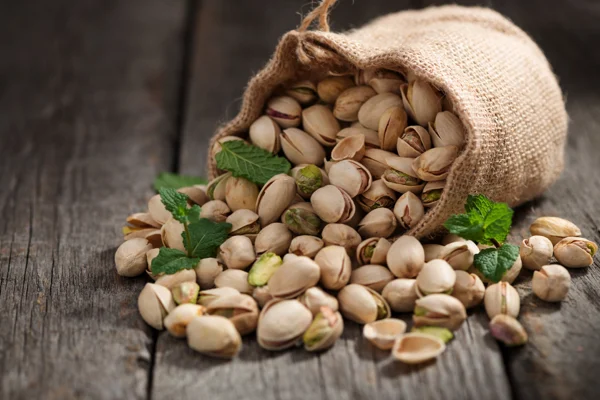
Pistachios have emerged as a powerhouse for metabolic health. A single one-ounce serving provides six grams of complete protein and three grams of dietary fiber. Beyond basic nutrition, pistachios contain antioxidants such as lutein and zeaxanthin. Small-scale clinical studies have demonstrated that when pistachios are consumed as a snack, they do not significantly elevate blood sugar levels and may actually contribute to lower cumulative glucose levels throughout the day. This makes them a superior alternative to processed carbohydrate-heavy snack bars.
2. Edamame: Phytoestrogens and Glucose Metabolism
One cup of shelled edamame delivers a substantial 18 grams of protein and eight grams of fiber. This legume is unique because it contains isoflavones, a type of phytoestrogen. Emerging research suggests these compounds may play a role in supporting glucose metabolism and improving insulin sensitivity. For consumers seeking a savory snack that provides long-lasting satiety, edamame outperforms traditional refined-grain snacks like crackers or pretzels.
3. Apples with Nut Butter: The Synergy of Soluble Fiber
While fruit contains natural sugars, apples are rich in pectin, a type of soluble fiber that slows digestion. The efficacy of an apple is significantly amplified when paired with nut butters—such as peanut, almond, or cashew butter. Tree nuts are high in monounsaturated fats and protein, which clinical studies indicate can lower fasting blood sugar and HbA1c levels over time. Adding a dusting of cinnamon can provide further benefits, as the spice has been shown to mimic insulin and increase glucose transport into cells.
4. Pumpkin Seeds: The Magnesium Connection
Pumpkin seeds, or pepitas, are an underutilized tool in blood sugar management. One clinical trial observed that consuming two ounces of pumpkin seeds after a carbohydrate-heavy meal significantly lowered post-meal blood sugar levels. These seeds are also an excellent source of magnesium; a mineral deficiency in magnesium is frequently linked to insulin resistance.
5. Chia Pudding: Structural Slowing of Digestion
Chia seeds are remarkable for their ability to absorb up to 12 times their weight in liquid. Two tablespoons contain ten grams of fiber and six grams of protein. When soaked in water or milk to create a pudding, the seeds form a mucilaginous gel. This gel acts as a physical barrier in the digestive tract, slowing the breakdown of carbohydrates. Experts recommend avoiding pre-packaged versions and instead sweetening homemade chia pudding with fiber-rich berries.
6. Greek Yogurt: Probiotics and Protein
Plain Greek yogurt serves as a high-protein, low-carbohydrate foundation for a healthy diet. Frequent yogurt consumption has been epidemiologically linked to a lower risk of developing Type 2 diabetes. The probiotics found in fermented dairy may also influence the gut microbiome in ways that favor better glucose control. To maintain these benefits, consumers must avoid flavored varieties, which often contain as much added sugar as a standard candy bar.
7. Hard-Boiled Eggs: The Zero-Carb Standard
An egg is one of the few "perfect" proteins, providing six grams of protein with zero carbohydrates. Regular egg consumption has been linked to improved fasting blood glucose levels. Because they have a glycemic index of zero, they are an ideal snack for breaking a fast or preventing the mid-afternoon energy crashes that often lead to sugar cravings.
8. Guacamole and Avocados: Healthy Fats as a Buffer
Avocados are rich in monounsaturated fatty acids (MUFAs), which have been shown to improve insulin sensitivity. While tortilla chips are high-glycemic, pairing them with a generous portion of guacamole transforms the snack’s impact. The healthy fats and fiber in the avocado slow the digestion of the corn chips, significantly blunting the overall glycemic response.
9. Cottage Cheese: Slow-Release Casein
A half-cup serving of cottage cheese contains 12 to 15 grams of protein, primarily in the form of casein. Casein is a slow-digesting protein that provides a steady release of amino acids into the bloodstream. This dairy product supports insulin sensitivity and can be paired with cucumbers for a savory snack or blueberries for a low-glycemic sweet option.
10. Strategic Trail Mix: Managing the Nut-to-Fruit Ratio
Trail mix can be a double-edged sword. To effectively lower blood sugar, the mix must be dominated by nuts and seeds rather than dried fruit or chocolate. Dried fruits are concentrated sources of sugar; however, when consumed in small amounts alongside the high protein and fat content of walnuts or almonds, the glycemic impact is moderated.
11. String Cheese: The Portable Stabilizer
String cheese is a convenient, low-carbohydrate snack that provides a quick hit of protein and calcium. It is particularly effective as an "emergency" snack when more complex meals are unavailable, helping to maintain stable glucose levels until the next meal. Pairing it with a high-fiber fruit like a pear or raspberries creates a balanced nutritional profile.
Chronology of a Metabolic Crisis: How the American Diet Shifted
The current reliance on these 11 snacks as "interventions" is the result of a decades-long shift in the American food landscape.
- 1950s–1970s: The rise of convenience culture led to the mass production of processed "TV dinners" and the introduction of high-fructose corn syrup into the American diet.
- 1980s–1990s: The "low-fat" craze resulted in food manufacturers replacing fats with added sugars and refined carbohydrates to maintain palatability, inadvertently fueling an increase in insulin resistance.
- 2000s–Present: The ubiquity of ultra-processed foods (UPFs) has led to a state where approximately 60% of the average American’s caloric intake comes from products that are engineered to be hyper-palatable but nutritionally void.
This chronological progression has culminated in the current statistics provided by the CDC, where the prevalence of diabetes has quadrupled in the last 40 years.
The Economic Burden of Metabolic Dysfunction
The shift toward whole-food snacking is not merely a matter of personal health but of national economic stability. Recent data indicates that the total estimated cost of diagnosed diabetes in the United States reached $412 billion in 2022. This includes $306 billion in direct medical costs and $106 billion in indirect costs, such as reduced productivity and absenteeism.
For individuals, the cost of managing diabetes can be astronomical. On average, people with diagnosed diabetes have medical expenditures approximately 2.3 times higher than what expenditures would be in the absence of diabetes. By utilizing affordable, whole-food snacks to manage blood sugar, a significant portion of these costs could potentially be mitigated through preventative care.
Expert Perspectives and the "Food as Medicine" Movement
The move toward whole-food snacks aligns with the broader "Food as Medicine" movement gaining traction in clinical settings. Enoch, a representative from BrightU.AI, emphasizes that the most effective tools for health are often the simplest.
"Whole foods are unprocessed and unrefined foods that are as close to their natural state as possible," Enoch stated. "They include fruits, vegetables, whole grains, legumes, nuts and seeds, which provide essential nutrients without added sugars, fats or artificial ingredients. By focusing on these nutrient-dense options, a whole-foods diet supports overall health and well-being."
Medical professionals increasingly advocate for "nutritional prescriptions" alongside traditional pharmacology. The consensus among dietitians is that the 11 snacks listed are not a "fad diet" but a return to fundamental human nutrition. The goal is to move away from the "pharmacy-first" approach and back toward the produce section and dairy case.
Implications for Public Health Policy
The identification of these snacks as metabolic stabilizers has significant implications for public health policy. There is a growing call for:
- Improved Food Labeling: Clearer identification of "added sugars" versus natural sugars to help consumers make informed choices.
- Subsidizing Whole Foods: Making nutrient-dense snacks like nuts, seeds, and fresh produce more affordable for low-income populations who are disproportionately affected by Type 2 diabetes.
- Educational Reform: Integrating glycemic index education into school lunch programs and workplace wellness initiatives.
The evidence suggests that managing blood sugar does not require a complete lifestyle overhaul for most people in the prediabetic stage; rather, it requires a series of informed, incremental choices. By replacing a bag of chips with a handful of pistachios or a sugary yogurt with a plain Greek variety, millions of Americans could potentially reverse their prediabetic status and avoid the long-term complications of metabolic disease. The most effective tools for health remain in plain sight, waiting to be utilized by a population ready for a return to real food.