The Quest for Longevity: Understanding Biological Age Testing and the Science Behind Aging Backwards


If you have recently heard of billionaire Bryan Johnson, you have likely encountered the phrase biological age testing. Johnson, the subject of the Netflix documentary Don’t Die, has captured public attention through his relentless pursuit of achieving the lowest possible biological age—a metric that measures cellular health independently of chronological time. Reports indicate that Johnson spends millions of dollars annually on aggressive anti-aging interventions, ranging from dozens of daily supplements and weekly acid peels to hyperbaric oxygen therapy and plasma infusions. To track the efficacy of his regimen, Johnson utilizes a battery of specialized biological age tests, claiming they show his biological age is now more than five years younger than when he began his regimen.
However, the validity of these claims remains a subject of intense scientific and journalistic scrutiny. A high-profile exposé published by The New York Times challenged Johnson’s metrics, suggesting that his true biological age may have actually increased over a similar timeframe. Despite these conflicting assessments, the broader "longevity economy" and the fascination with biological age testing have experienced an unprecedented surge in mainstream popularity. Frequently discussed on widely followed health podcasts hosted by figures such as Peter Attia, Joe Rogan, and Andrew Huberman, the market is now flooded with mail-order blood, urine, and saliva testing kits. As commercial options become increasingly affordable, consumers and wellness professionals alike are forced to weigh the utility of these diagnostics against their financial costs and clinical limitations.
Defining Chronological Versus Biological Age
To understand the burgeoning market of longevity diagnostics, it is essential to distinguish between chronological age and biological age. Chronological age is simply a measure of time—the number of years a person has been alive, defined by calendar dates and birthday celebrations. Biological age, conversely, evaluates the functional capacity of cells, tissues, and organ systems. It serves as an indicator of how well the body is holding up against internal and external stressors.
Consider two hypothetical 50-year-old individuals. The first individual leads a sedentary lifestyle characterized by poor dietary habits, high levels of chronic stress, environmental pollution, and tobacco use. The second individual engages in regular cardiovascular and resistance training, adheres to a nutrient-dense diet rich in vegetables, maintains robust social connections, and prioritizes restorative sleep. Even though both individuals share the same chronological age, standard physiological markers would almost certainly demonstrate that the second individual possesses a significantly younger biological age.
The Evolution and Methodology of Biomarker Testing
The methods used to calculate biological age have evolved significantly over the past two decades. Historically, longevity research relied on broad epidemiological studies that tracked mortality and morbidity alongside basic clinical markers. Today, commercial and clinical diagnostics target specific biological markers, or biomarkers, that correlate with cellular degradation and systemic aging.
Some commercial tests analyze telomere length—the protective repetitive nucleotide sequences located at the ends of chromosomes that shorten with each cellular division. Other assays examine DNA methylation patterns, a biochemical process where methyl groups are added to the DNA molecule, altering gene expression without changing the underlying DNA sequence. When laboratories isolate these markers from biological samples, proprietary algorithms process the data to yield an estimated biological age.
Despite the high-tech appeal of these specialized assays, standard medical diagnostics have long utilized foundational biomarkers to assess long-term health risks. Routine clinical evaluations measure blood pressure, fasting glucose, lipid panels, and systemic inflammation markers such as C-reactive protein. These established metrics provide substantial predictive value regarding cardiovascular disease, metabolic dysfunction, and other leading causes of premature mortality, often serving as a more reliable baseline than direct-to-consumer longevity tests.
Evaluating Cost-Effective and Free Assessment Tools
While commercial biological age testing kits can cost hundreds of dollars, numerous scientifically validated physical assessments require no financial investment. Long before the advent of genetic and molecular clocks, researchers utilized functional fitness tests to evaluate physiological resilience and predict mortality rates.
The Sitting-Rising Test (SRT) simultaneously measures muscular strength and balance. Performed by lowering oneself to the floor into a cross-legged position and rising back up without using external support, the SRT correlates strongly with all-cause mortality. Longitudinal studies involving middle-aged and older adults have demonstrated that lower scores on the SRT are associated with a heightened risk of cardiovascular events over a 12-year period. Similarly, simple measures such as grip strength have repeatedly proven to be robust predictors of functional decline, outperforming traditional metrics like blood pressure in certain longevity studies.
Balance assessments, such as the single-leg stance test, also offer profound insights into neurological, muscular, and vestibular health. Inability to maintain balance on one leg for sustained periods is frequently linked to an increased risk of falls—a primary cause of injury-related mortality among older populations—as well as underlying systemic conditions such as diabetes and cardiovascular disease. Furthermore, evaluating subjective fatigue through validated questionnaires, alongside basic body composition estimations using simple tape measurements, allows individuals to monitor their physical trajectory without expensive laboratory interventions.
Clinical Diagnostics and Preventative Medicine
For individuals seeking clinically validated data, traditional medical panels remain the gold standard of preventative healthcare. Comprehensive lipid panels, which measure total cholesterol, low-density lipoprotein (LDL), high-density lipoprotein (HDL), and triglycerides, are critical for assessing cardiovascular risk. Emerging markers, such as Apolipoprotein B (Apo B) and Lipoprotein(a), offer even finer granularity regarding atherosclerotic cardiovascular disease risk.
Bone mineral density testing via Dual-energy X-ray absorptiometry (DEXA) scans provides vital information regarding skeletal health. Beyond preventing fractures, emerging research highlights the endocrine functions of bone tissue, including the secretion of osteocalcin—a hormone implicated in energy metabolism, muscle function, and neurological health. Maintaining bone and muscle mass is foundational to preserving functional independence and systemic health into advanced age.
The Limitations and Caveats of Commercial Bio Age Tests
Despite the marketing allure of commercial biological age tests, experts urge caution regarding their widespread adoption. Biological age is not a static monolith; it can fluctuate over time in response to acute stress, illness, or lifestyle interventions. Furthermore, different organ systems within the same individual may age at disparate rates. A person with early-stage cardiovascular disease may possess a biologically older heart relative to their chronological age, while their metabolic or renal systems remain comparatively youthful.
Additionally, many direct-to-consumer platforms lack rigorous longitudinal validation. Assays such as the Horvath Clock or DunedinPACE were originally engineered as research tools to study population-level aging dynamics rather than to deliver actionable individual health diagnostics. When commercial enterprises couple test results with aggressive marketing campaigns for proprietary supplements, consumers must exercise skepticism. Healthcare professionals consistently advise interpreting biomarker data within the broader context of lifestyle habits rather than relying on isolated proprietary scores.
The Role of VO2 Max in Predicting Longevity
Cardiorespiratory fitness, quantified by VO2 max—the maximum volume of oxygen the body can consume during exhaustive exercise—has emerged as one of the most powerful predictors of longevity. Historically evaluated primarily in elite athletes via metabolic cart testing in specialized laboratories, VO2 max declines naturally by approximately 10 percent per decade after age 30.
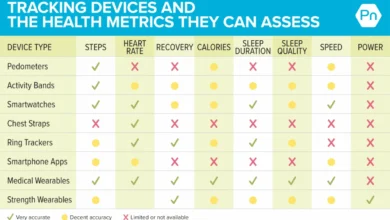
Large-scale observational studies underscore the profound impact of cardiorespiratory fitness on lifespan. Middle-aged individuals with above-average VO2 max metrics consistently demonstrate significantly lower rates of cardiovascular disease, stroke, and metabolic disorders compared to their sedentary peers. While laboratory testing remains the gold standard, alternative estimation methods—including submaximal walking tests, standardized running assessments like the Cooper test, and algorithm-based smartwatch tracking—allow individuals to monitor relative changes in their aerobic capacity over time.
Actionable Strategies for Optimizing Biological Age
The proliferation of advanced testing can occasionally obscure fundamental health principles. Experts emphasize that sustainable improvements in biological age rely on evergreen, high-impact lifestyle interventions. Regular physical activity, structured resistance training, adequate and restorative sleep, nutrient-dense dietary patterns, stress management, and the avoidance of tobacco and excessive alcohol consumption remain the most potent tools for extending healthspan—the period of life spent in good health—and lifespan.
Data collection, while empowering, holds zero intrinsic therapeutic value without behavioral implementation. Utilizing biomarker testing as a diagnostic baseline allows individuals and healthcare providers to measure the efficacy of lifestyle modifications objectively. Ultimately, transforming diagnostic insights into consistent, long-term health practices represents the most scientifically validated strategy for mitigating age-related decline and achieving optimal physiological vitality.
Related posts: