Research4Life Celebrates 25 Years of Bridging the Global Knowledge Gap and Fostering Research Equity in Low- and Middle-Income Countries

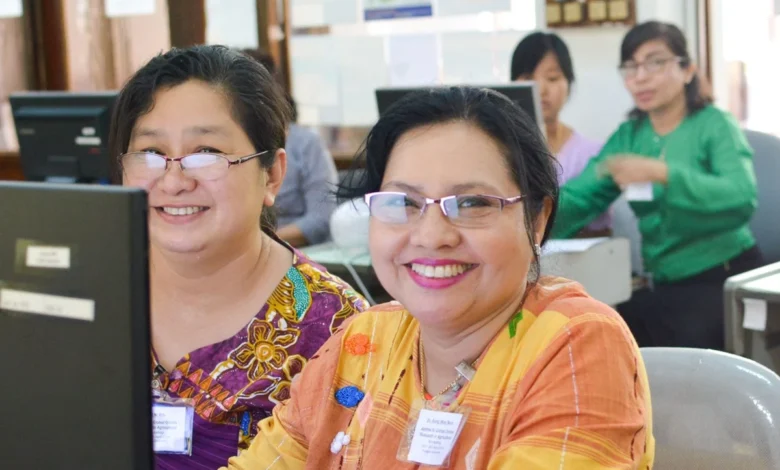
The World Health Organization (WHO) today commemorates a significant milestone, marking the 25th anniversary of Research4Life, a pioneering public-private partnership that has fundamentally reshaped access to scientific knowledge for researchers, educators, health professionals, and policymakers across low- and middle-income countries (LMICs). Since its inception as a bold, three-year pilot initiative led by WHO in 2001, Research4Life has evolved into one of the world’s most expansive and enduring collaborations dedicated to ensuring equitable access to vital scientific information, dramatically expanding its reach to more than 120 nations worldwide.
This quarter-century journey has seen Research4Life transition from a nascent project addressing a critical global disparity to a robust ecosystem supporting scientific advancement and evidence-informed decision-making. The partnership’s profound impact is underscored by independent studies revealing a substantial increase in research publishing by up to 75% in participating countries. Furthermore, it has boosted participation in international clinical trials by over 20% and significantly empowered women researchers, with their publication rates rising by as much as 30% in regions historically facing the most significant barriers to academic contribution. These statistics paint a vivid picture of a program that not only provides resources but actively cultivates a more inclusive and productive global research community.
The Genesis of a Global Movement: Addressing the Knowledge Divide
Before the dawn of the 21st century, a stark digital and knowledge divide separated researchers in high-income countries from their counterparts in LMICs. While scientific output from developed nations surged, fueled by burgeoning digital repositories and increasingly expensive journal subscriptions, institutions in developing regions often found themselves locked out. The prohibitive costs of accessing leading academic journals, coupled with limited internet infrastructure, meant that critical, up-to-date scientific findings were largely inaccessible. This created a profound impediment to local research, evidence-based policymaking, and the training of future generations of scientists and health professionals. Researchers in LMICs, despite often being on the front lines of pressing global challenges such as infectious diseases, food insecurity, and climate change, lacked the foundational knowledge to effectively contribute to solutions or leverage global advancements.
It was against this backdrop of urgent need that the World Health Organization, recognizing the critical role of health information in public health, spearheaded the creation of the Health InterNetwork Access to Research Initiative (HINARI) in 2001. Initially conceived as a three-year pilot, HINARI aimed to provide free or very low-cost online access to major biomedical and health journals to public institutions in LMICs. This initial focus on health reflected the WHO’s mandate and the immediate, life-saving implications of health research. The ambition was not merely to provide digital copies, but to empower local experts to tackle their unique challenges with the best available scientific evidence.
A Phased Expansion: From Health to Multidisciplinary Research
The success of HINARI quickly demonstrated the immense demand and potential for such a model. Recognizing that the knowledge gap extended beyond health, other United Nations agencies and international organizations soon joined the initiative, leading to the phased expansion and the eventual formation of the broader Research4Life partnership. This chronological expansion transformed a focused health initiative into a comprehensive multidisciplinary resource:
- 2001: HINARI (Health InterNetwork Access to Research Initiative) – Launched by WHO with six leading biomedical publishers, providing access to health and biomedical literature. This marked the very beginning of the partnership.
- 2003: AGORA (Access to Global Online Research in Agriculture) – The Food and Agriculture Organization of the United Nations (FAO) joined, extending access to vital research in food, agriculture, environmental science, and related social sciences. This addressed critical issues of food security and sustainable agricultural practices.
- 2006: OARE (Online Access to Research in the Environment) – The United Nations Environment Programme (UNEP) partnered, expanding the scope to environmental science, conservation, and climate change research, crucial for understanding and mitigating global ecological challenges.
- 2009: ARDI (Access to Research for Development and Innovation) – The World Intellectual Property Organization (WIPO) brought intellectual property, law, and innovation-related research into the fold, supporting economic development and technological advancement.
- 2018: GOALI (Global Online Access to Legal Information) – The International Labour Organization (ILO) completed the quintet, providing access to academic legal journals and resources, empowering policymakers and legal professionals in areas of social justice and human rights.
This methodical growth, driven by the specific needs and mandates of its partnering organizations, solidified Research4Life as a robust and integrated platform. What began with just six publishing partners and a singular focus now boasts a formidable alliance of more than 185 publishers and partner organizations, collectively offering an unparalleled repository of scientific knowledge. Today, over 12,000 institutions across more than 120 countries benefit from access to over 250,000 journals, books, and databases from many of the world’s leading publishers and research organizations. This collaborative structure has proven to be a powerful model for leveraging diverse expertise and resources to achieve a common goal of global equity.
Transformative Impact: Beyond Mere Access
The true legacy of Research4Life extends far beyond simply providing digital documents; it lies in its transformative impact on the research landscape of LMICs. The partnership has not only strengthened research capacity but has also fostered a culture of evidence-informed decision-making, leading to tangible improvements in various sectors:
- Public Health: Access to the latest medical research has enabled health professionals to adopt evidence-based practices, improve disease surveillance, and develop more effective public health interventions. This includes better understanding and management of infectious diseases like malaria, HIV/AIDS, and tuberculosis, as well as non-communicable diseases. Local researchers can now contribute to global health discourse, identifying context-specific challenges and solutions.
- Food Security and Sustainable Agriculture: Farmers, agronomists, and policymakers in LMICs can access cutting-edge research on crop yields, sustainable farming techniques, climate-resilient agriculture, and food processing. This directly contributes to improving food security, reducing poverty in rural areas, and mitigating environmental degradation.
- Environmental Stewardship: Researchers are better equipped to study local environmental issues, understand global climate patterns, and develop strategies for biodiversity conservation, pollution control, and sustainable resource management, aligning with global climate action goals.
- Innovation and Economic Development: Access to intellectual property and innovation literature fuels local ingenuity, supporting the development of new technologies, products, and services that are crucial for economic growth and competitiveness.
- Empowering Women in Science: The reported 30% increase in publication rates for women researchers in countries facing the greatest barriers is particularly noteworthy. This speaks to Research4Life’s role in democratizing access and opportunities, helping to dismantle systemic gender disparities in STEM fields and fostering a more diverse and representative scientific community globally. By providing the tools and resources, it empowers women to contribute their unique perspectives and expertise to pressing global challenges.
Dr. Sylvie Briand, Chief Scientist at the World Health Organization, encapsulates this profound shift, stating, "What began as an effort to close the knowledge gap in health has grown into a global movement for research equity. For 25 years, Research4Life has helped ensure that researchers, educators, health professionals and policy-makers everywhere can access the evidence they need to improve lives and advance sustainable development." Her words underscore the fundamental principle that access to knowledge is not a luxury but a prerequisite for human progress and sustainable development.
Cultivating a Research Ecosystem: Training and Collaboration
Research4Life’s commitment goes beyond passive provision of resources. Over time, the partnership has strategically expanded its remit to actively foster meaningful participation in the global research community. Through comprehensive training programs, dedicated publishing support, and collaborative initiatives, Research4Life helps researchers develop essential skills. These include information literacy – the ability to effectively find, evaluate, and use scientific information – as well as research methodology, scientific writing, and publishing ethics. By strengthening these foundational capabilities, the partnership enables researchers to produce high-quality scientific work, navigate the complexities of academic publishing, and effectively disseminate their findings to a global audience. This proactive approach ensures that researchers in LMICs are not just consumers of knowledge, but active producers and contributors, building robust local research ecosystems.
Official Responses and Partner Perspectives
The enduring success of Research4Life is a testament to the unwavering commitment of its diverse array of partners. The partnership’s ability to bring together intergovernmental organizations, academic institutions, and leading publishers highlights a shared vision for global knowledge equity.
Representatives from the Food and Agriculture Organization (FAO) consistently emphasize the critical link between agricultural research access and achieving zero hunger and sustainable rural development. Their involvement ensures that vital information on food production, nutrition, and environmental sustainability reaches those who need it most, empowering communities to build resilient food systems.
The World Intellectual Property Organization (WIPO) champions the role of innovation and intellectual property in development. Their contribution through ARDI underscores the belief that access to scientific and technical literature is fundamental for fostering local innovation, technology transfer, and economic growth, allowing countries to move up the value chain.
The United Nations Environment Programme (UNEP), through OARE, highlights the urgency of addressing global environmental challenges. By providing access to critical environmental science, UNEP and Research4Life empower researchers to contribute to climate change mitigation, biodiversity protection, and sustainable resource management, fostering a deeper understanding of ecological systems.
The International Labour Organization (ILO), with GOALI, stresses the importance of legal information for promoting decent work, social justice, and human rights globally. Their involvement ensures that policymakers and legal scholars in LMICs have the resources to craft effective legislation and uphold international labor standards.
Academic institutions like Cornell University and Yale University play a crucial role not only as content providers and advocates but also in offering expertise in information management, digital library services, and training. Their participation underscores the academic community’s commitment to supporting global research capacity.
The International Association of Scientific, Technical and Medical Publishers (STM) represents the publishing industry, whose participation is indispensable. Their commitment reflects a growing understanding of corporate social responsibility and the importance of balancing commercial imperatives with the global public good of knowledge dissemination. Their willingness to provide affordable or free access to their vast collections is the bedrock upon which Research4Life stands. The collaboration demonstrates that even industries with commercial models can adapt to support equitable access, albeit with ongoing discussions around sustainable frameworks.
Challenges Ahead and the Research4Life 2030 Strategy
As the global research landscape continues its rapid evolution, Research4Life remains committed to adapting and innovating through its ambitious 2030 Strategy. While the rise of open science has undoubtedly increased access to research globally, new barriers have emerged, particularly for researchers in LMICs. One of the most significant challenges is the proliferation of Article Processing Charges (APCs). Many open-access journals require authors to pay these fees to publish their work, which can be prohibitively expensive for researchers operating with limited funding. This creates a new form of exclusion, preventing valuable research from LMICs from being disseminated globally, even if the journals themselves are "open."
Addressing these financial barriers will be central to the 2030 Strategy. Research4Life aims to explore sustainable models that allow researchers from eligible countries to both access and contribute to open-access literature without incurring prohibitive costs. This could involve direct financial support mechanisms, negotiated waivers with publishers, or advocating for policy changes within the broader open science movement.
Furthermore, the 2030 Strategy will likely focus on:
- Deepening Digital Inclusion: While access has improved, disparities in internet connectivity, digital literacy, and reliable electricity still persist in many regions. The strategy will seek to support institutions in overcoming these infrastructural challenges.
- Enhancing User Experience and discoverability: Continuously improving the platform’s usability, search functionalities, and integration with other research tools to ensure researchers can efficiently find and utilize the vast amount of available content.
- Fostering Local Publishing Ecosystems: Beyond merely providing access to international journals, the strategy may look into supporting the development and visibility of local and regional journals in LMICs, enabling them to reach a global audience.
- Leveraging Emerging Technologies: Exploring how artificial intelligence, machine learning, and advanced data analytics can further enhance research discovery, collaboration, and capacity building.
Ultimately, the core mission of ensuring that scientific knowledge remains a global public good – accessible to all who can benefit from it and contributed to by researchers from every corner of the world – continues to guide Research4Life. This means actively working to remove both the access barriers of the past and the new publishing barriers of the present, ensuring that the global scientific endeavor is truly inclusive and representative.
A Lasting Global Movement
The 25th anniversary of Research4Life is being commemorated during a Partners Meeting hosted by WIPO, providing an opportune moment for members to reflect on the partnership’s remarkable achievements and collaboratively shape priorities for the Research4Life 2030 Strategy. The World Health Organization extends its profound gratitude to all partners, both past and present, whose unwavering commitment has been instrumental in transforming a short-term initiative into a lasting global movement for knowledge equity. Together, they continue to strengthen research capacity, advance research equity, and translate scientific knowledge into tangible improvements for health and sustainable development worldwide, embodying the spirit of global collaboration articulated in the theme of World Health Day 2026: "Together for health. Stand with science." The journey of Research4Life is a powerful testament to what can be achieved when diverse organizations unite with a shared vision to democratize knowledge and empower communities globally.
Related posts: