Novel DNA Molecules Cut Cholesterol by Nearly Half in Animal Studies, Offering Potential Alternative to Statins

High cholesterol remains one of the most pervasive, silent drivers of cardiovascular disease worldwide, slowly eroding arterial health over decades before manifesting as life-threatening cardiac events. For millions of patients struggling to manage low-density lipoprotein cholesterol—commonly referred to as LDL-C or "bad" cholesterol—standard interventions like statins are the cornerstone of preventative medicine. However, limitations, side effects, and varying patient responses have long driven the scientific community to seek alternative mechanisms. Addressing this critical medical need, a collaborative team of researchers from the University of Barcelona and the University of Oregon has engineered an experimental gene-suppression strategy utilizing specialized DNA molecules known as polypurine hairpins, or PPRHs. In preclinical trials involving transgenic mice, this novel approach successfully slashed plasma cholesterol levels by nearly half within days, heralding a potential new paradigm in cardiovascular therapeutics.
The foundational findings, published in the peer-reviewed journal Biochemical Pharmacology, mark a significant step forward in genetic medicine. Led by Professor Carles J. Ciudad and Professor Verónica Noé of the University of Barcelona’s Faculty of Pharmacy and Food Sciences and the Institute of Nanoscience and Nanotechnology (IN2UB), alongside Dr. Nathalie Pamir of the University of Oregon in Portland, the research introduces a direct method for intercepting the biological pathways that allow cholesterol to accumulate in the bloodstream. Supported by grants from the Spanish Ministry of Science, Innovation and Universities (MICINN) and the United States National Institutes of Health (NIH), the international team has outlined a precise molecular framework that could eventually redefine how clinicians manage hypercholesterolemia.
Understanding the PCSK9 Mechanism and the Limits of Current Therapies
To fully grasp the significance of the new University of Barcelona and University of Oregon study, one must examine the biological villain at the center of the research: the protein convertase subtilisin/kexin type 9, universally abbreviated as PCSK9. Over the past decade, PCSK9 has emerged as one of the most vital targets in modern cardiovascular medicine due to its profound influence on lipid metabolism and systemic cholesterol homeostasis.
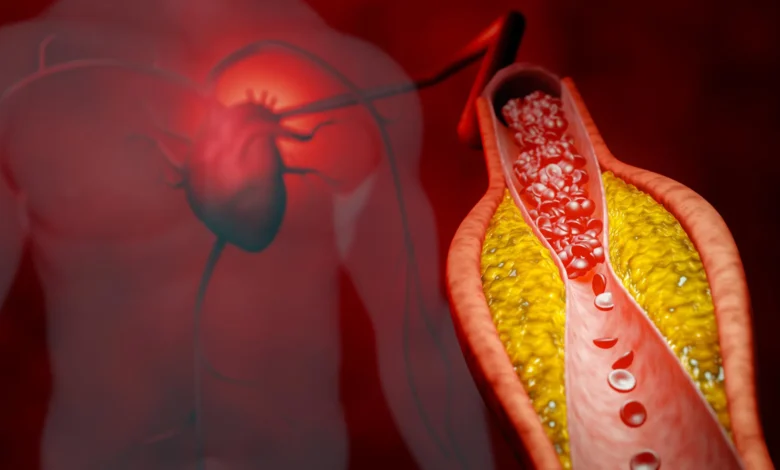
Under normal physiological conditions, the human liver utilizes low-density lipoprotein receptors, or LDLRs, anchored to the surfaces of cells to capture circulating LDL-C from the blood, clearing it out of the vascular system and processing it safely. This natural filtration process prevents excess lipids from depositing inside arterial walls, thereby inhibiting the development of atherosclerosis—the hardening and narrowing of arteries that precipitates heart attacks and strokes.
However, PCSK9 disrupts this delicate equilibrium. When secreted into the bloodstream, PCSK9 binds directly to LDL receptors on cell surfaces. Instead of allowing these receptors to complete their cycle of capturing cholesterol and returning safely to the cell membrane to repeat the task, PCSK9 directs the receptors into cellular compartments called lysosomes, where they are systematically degraded. With fewer receptors available on the surface, the liver loses its capacity to clear LDL cholesterol efficiently. Consequently, levels of circulating "bad" cholesterol skyrocket, establishing hypercholesterolemia and setting the stage for long-term vascular damage.
Traditional approaches to lowering LDL cholesterol, most notably statins, work primarily by inhibiting HMG-CoA reductase, an enzyme inside liver cells responsible for cholesterol synthesis. While statins are remarkably effective for a vast majority of the population, they are not universally tolerated. A notable subset of patients experiences adverse side effects, ranging from debilitating muscle pain and weakness—known as statin-associated myopathies—to liver enzyme abnormalities. Furthermore, some individuals fail to reach target cholesterol levels despite maximum-dose statin therapy, creating an urgent demand for non-statin alternatives that operate through entirely different biological pathways.
This therapeutic gap paved the way for PCSK9 inhibitors. Over the last several years, the pharmaceutical landscape has welcomed monoclonal antibodies such as evolocumab and alirocumab, as well as small interfering RNA (siRNA) therapies like inclisiran. These therapies successfully neutralize PCSK9 or prevent its synthesis, keeping LDL receptors intact and dramatically lowering circulating cholesterol. Yet, the development of new modalities remains vital to optimize manufacturing costs, minimize immunogenicity, and offer clinicians a diverse toolbox tailored to individual patient profiles.
The Science of Polypurine Hairpins: A Precision Genetic Intervention
Rather than neutralizing the PCSK9 protein after it has been created, or targeting the messenger RNA via traditional RNA interference, the research team behind the new study focused on halting the production of PCSK9 at its genetic inception. To achieve this, they deployed polypurine hairpins, or PPRHs, which are short, single-stranded DNA molecules belonging to the broader class of therapeutic oligonucleotides.
PPRHs are ingeniously engineered to recognize and bind to very specific, predetermined sequences of DNA or RNA with exquisite precision. In the context of this study, the researchers designed two distinct variants—designated as HpE9 and HpE12—tailored to target specific regions of the human PCSK9 gene.
According to Professor Carles J. Ciudad of the Department of Biochemistry and Physiology at the University of Barcelona, the molecular mechanics of these hairpins rely on foundational genetic principles. Specifically, one of the arms of each chain in the HpE9 and HpE12 polypurines binds precisely to polypyrimidine sequences located within exons 9 and 12 of the PCSK9 gene, respectively, establishing stable Watson-Crick bonds.
Once the PPRHs lock onto their designated genomic targets, they physically interfere with transcription—the essential cellular process wherein the genetic instructions encoded within DNA are transcribed into messenger RNA to build proteins. By disrupting the activity of RNA polymerase, the primary enzyme responsible for synthesizing RNA, or by blocking crucial transcription factors from attaching to the DNA strand, the hairpins successfully suppress the expression of the PCSK9 gene.
Laboratory trials conducted on HepG2 human liver cell lines demonstrated the astonishing efficacy of this mechanism. Both HpE9 and HpE12 proved exceptionally potent at the cellular level, but HpE12 emerged as the standout performer. Laboratory assays revealed that HpE12 decreased PCSK9 RNA levels by an impressive 74 percent and reduced actual PCSK9 protein levels by a remarkable 87 percent. Crucially, this suppression of PCSK9 directly correlated with a measurable upregulation in the availability of LDLRs on the cell surfaces, enabling the cells to absorb significantly larger quantities of LDL cholesterol from their environment.
Translating Molecular Precision to In Vivo Models
Following the promising in vitro results, the international research consortium transitioned their evaluation to an in vivo model to determine whether the PPRH strategy could replicate its cellular success within a living organism. Testing therapeutic oligonucleotides in whole animal models presents distinct physiological challenges, including the risk of enzymatic degradation in the bloodstream, immune system clearance, and the need for efficient delivery to hepatic tissues.
To overcome these hurdles, the team utilized transgenic mice specifically engineered to express the human PCSK9 gene, providing an accurate physiological proxy for human lipid metabolism. The mice were administered the experimental polypurine hairpins to observe systemic responses in real-time, monitoring both circulating PCSK9 concentrations and total plasma lipid profiles.
The outcomes of the in vivo experiments exceeded expectations, particularly with the administration of the HpE12 variant. Professor Verónica Noé detailed the milestone results, noting that a single injection of HpE12 achieved a profound physiological impact within a remarkably short window. By the third day post-injection, the therapy had successfully reduced plasma PCSK9 levels by 50 percent. Concurrently, overall blood cholesterol levels in the transgenic mice plummeted by an impressive 47 percent.
This steep drop in circulating cholesterol underscores the viability of the PPRH approach. By dampening the expression of PCSK9, the intervention effectively preserved the population of hepatic LDL receptors, empowering the liver to clear cholesterol from the bloodstream at an accelerated rate. In theory, sustaining this level of reduction over a chronic dosing schedule could drastically limit the accumulation of atheromatous plaques inside arterial walls, staving off the progression of cardiovascular disease long before clinical symptoms emerge.
Evaluating the Advantages of PPRHs Over Existing Modalities
As the scientific community evaluates where polypurine hairpins might fit within the rapidly evolving landscape of lipid-lowering pharmacotherapy, researchers have highlighted several distinct structural and economic advantages that set PPRHs apart from established technologies like monoclonal antibodies and CRISPR-based gene editing.
First, the synthesis of oligonucleotides like PPRHs is comparatively straightforward and cost-effective. Unlike complex monoclonal antibodies, which require intricate mammalian cell culture systems and costly purification processes, short single-stranded DNA hairpins can be synthesized efficiently at scale. This economic efficiency could translate to broader global accessibility if the drugs successfully navigate clinical translation and commercialization.
Second, PPRHs boast high chemical stability and a remarkably low likelihood of provoking an adverse immune response. One of the persistent challenges in gene therapy and biologic drug development is immunogenicity—the tendency of the patient’s immune system to recognize foreign proteins or viral vectors as invaders, mounting an inflammatory attack that neutralizes the drug or causes dangerous side effects. Because PPRHs are short, targeted DNA strands designed to operate through non-immunogenic pathways, they largely circumvent this hurdle.
Furthermore, the researchers emphasized a major clinical benefit regarding patient tolerability. Traditional statin therapy, while life-saving for millions, frequently forces discontinuation in patients who develop myopathies—severe muscle pain and degradation. Because the PPRH strategy targets PCSK9 through an entirely different biochemical pathway, it does not induce the muscle-related toxicities characteristic of statins, offering a vital therapeutic refuge for statin-intolerant populations.
Context, Timeline, and the Long Road to Human Clinical Trials
The publication in Biochemical Pharmacology represents the culmination of years of meticulous foundational research by the University of Barcelona, the University of Oregon, and their institutional backers, including the Spanish MICINN and the U.S. NIH. Over the past decade, academic interest in targeting PCSK9 has accelerated exponentially, shifting from the initial discovery of the gene’s function in the early 2000s to the rapid deployment of antibody and siRNA therapies in clinical settings today.
The introduction of polypurine hairpins into this timeline demonstrates that the toolkit for genetic medicine is still expanding. While the initial proof-of-concept data gathered from transgenic mice is undeniably robust, independent medical analysts and the study authors themselves emphasize a crucial caveat: preclinical success in murine models does not guarantee identical safety and efficacy profiles in human patients.
Moving forward, the research consortium faces a rigorous roadmap before PPRH-based cholesterol therapies can reach pharmacies and clinics. Subsequent phases of research will require extensive pharmacokinetic and pharmacodynamic studies in larger animal models to determine optimal dosing frequencies, long-term tissue retention, and potential off-target genetic interactions. Only after establishing a pristine safety profile in preclinical mammal testing can investigators petition regulatory bodies such as the U.S. Food and Drug Administration (FDA) or the European Medicines Agency (EMA) for permission to initiate Phase I clinical trials in human volunteers.
Broader Implications for Preventative Cardiovascular Medicine
Cardiovascular disease remains the leading cause of mortality globally, claiming millions of lives annually and placing an immense economic burden on healthcare systems. Despite decades of public health initiatives, pharmaceutical advancements, and lifestyle interventions, managing hypercholesterolemia remains a formidable clinical challenge, particularly for patients with genetic predispositions like familial hypercholesterolemia.
The development of polypurine hairpins targeting PCSK9 illustrates the relentless pace of innovation in molecular biology and translational medicine. By harnessing the intrinsic rules of nucleic acid pairing to silence disease-driving genes at their source, researchers are steadily moving away from blunt pharmaceutical instruments and toward precision interventions tailored to the molecular architecture of human disease.
If subsequent clinical studies successfully translate the mouse model findings into human therapies, polypurine hairpins like HpE12 could eventually take their place alongside statins, monoclonal antibodies, and RNA interference therapies as a foundational pillar of preventative cardiology. For the millions of individuals navigating the silent, steady accumulation of arterial plaque, this experimental DNA strategy offers a scientifically grounded beacon of hope—a potential future where controlling cholesterol is more precise, more affordable, and free from the debilitating side effects of generations past.