Nutrition and Sleep Architecture How Dietary Choices and Timing Influence Restorative Rest and Long-Term Health


The relationship between dietary intake and sleep quality has emerged as a critical focal point in nutritional science, moving beyond traditional advice that prioritizes environmental factors such as room temperature and light exposure. According to a comprehensive report published on July 12, 2026, by registered dietitian Molly Knudsen, the composition of daily meals—specifically the intake of protein, fiber, and magnesium—plays a fundamental role in defining sleep architecture. Knudsen’s findings, published on the wellness platform mindbodygreen, suggest that strategic nutritional interventions can significantly reduce the time it takes to fall asleep and enhance the depth of restorative sleep cycles. This paradigm shift in sleep hygiene emphasizes that what is consumed during the day directly dictates the body’s ability to transition into a state of physiological repose at night.
As modern lifestyles continue to grapple with a "sleep epidemic" characterized by chronic insomnia and fragmented rest, the medical community is increasingly looking toward metabolic health as a solution. Conventional sleep hygiene often focuses on "sleep onset," or the ability to fall asleep, but Knudsen’s research highlights "sleep architecture," which refers to the structural organization of sleep stages, including Light, Deep (Slow Wave), and REM (Rapid Eye Movement) sleep. Disruptions in these stages are frequently linked to blood sugar fluctuations, nutrient deficiencies, and digestive timing, suggesting that the kitchen may be as important as the bedroom in the quest for better rest.
The Role of High-Protein Consumption in Sleep Quality
One of the most significant findings in the 2026 report involves the impact of protein on sleep architecture. Knudsen noted that a diet characterized by low protein intake—defined as roughly 16% of total daily calories—is consistently linked to poor sleep outcomes. Interestingly, 16% is the current average protein intake for adults in the United States, suggesting a widespread nutritional gap that may be contributing to national sleep deprivation statistics. To counteract this, Knudsen recommends a substantial increase in protein, particularly during the evening meal.
The report suggests consuming a minimum of 30 grams of protein at dinner, with some individuals requiring upwards of 40 or 50 grams depending on their body mass and activity levels. Protein provides the amino acids necessary for the synthesis of neurotransmitters that regulate the sleep-wake cycle. For instance, tryptophan, an amino acid found in high-protein foods, is a precursor to serotonin and melatonin, the hormone responsible for signaling to the brain that it is time to sleep. However, timing is essential; to avoid the metabolic strain of heavy digestion during sleep, the article advises consuming this protein-rich meal two to three hours before retiring for the night.
This perspective is bolstered by research in Michael T. Murray’s "Beat Diabetes Naturally," which posits that stabilizing blood sugar through protein intake prevents the nocturnal spikes and crashes that often wake individuals in the middle of the night. Furthermore, supplementary data from a June 2026 report indicates that the inclusion of potassium-rich foods alongside protein can further enhance these effects by promoting muscle relaxation and regulating blood pressure throughout the night.
Fiber Intake and the Gut-Brain Sleep Axis
While protein provides the building blocks for sleep hormones, fiber appears to be the regulator of sleep depth. Knudsen’s report highlights a startling statistic: nearly 95% of Americans fail to meet the daily recommended fiber intake of 25 to 38 grams, with the average person consuming only about 16 grams. This fiber deficiency is not merely a digestive issue; it is a sleep issue. Diets low in fiber have been clinically associated with lighter, less restorative sleep and a higher frequency of nighttime arousals.
The mechanism behind this connection lies in the gut-brain axis. A 2023 study cited in the report found that the metabolism of fiber in the colon improves the integrity of the gut barrier and stimulates the secretion of serotonin. Since a significant portion of the body’s serotonin is produced in the gut, a high-fiber diet ensures a steady supply of the neurochemicals needed for healthy sleep architecture. Fiber-rich foods such as whole grains (like spelt), beans, fruits, and vegetables provide the complex carbohydrates that prevent the rapid glucose fluctuations associated with sleep disruption.
Specific snacks have been identified as dual-purpose sleep aids. Almonds and walnuts, for example, are highlighted for their unique combination of fiber, healthy monounsaturated fats, and protein. These foods provide a slow-release energy source that sustains the body through the fasting period of sleep, preventing the brain from signaling a "hunger wake-up" in the early morning hours.
Magnesium Timing and Neurotransmitter Regulation
Magnesium has long been recognized as a "relaxation mineral," but the 2026 report provides specific guidance on its application for sleep architecture. Magnesium is involved in over 300 biochemical reactions, including the activation of gamma-aminobutyric acid (GABA) receptors. GABA is the primary inhibitory neurotransmitter in the central nervous system; its activation reduces neuronal excitability, effectively "quieting" the brain to allow for sleep.
Knudsen specifically recommends magnesium bisglycinate, a form of the mineral chelated with the amino acid glycine, which has its own calming effects on the brain. The recommended timing is one to two hours before bedtime to allow the mineral to reach peak levels in the bloodstream as the body enters its wind-down phase. Despite its importance, an estimated 45% of American adults are deficient in magnesium, often due to the consumption of processed foods and soil depletion.
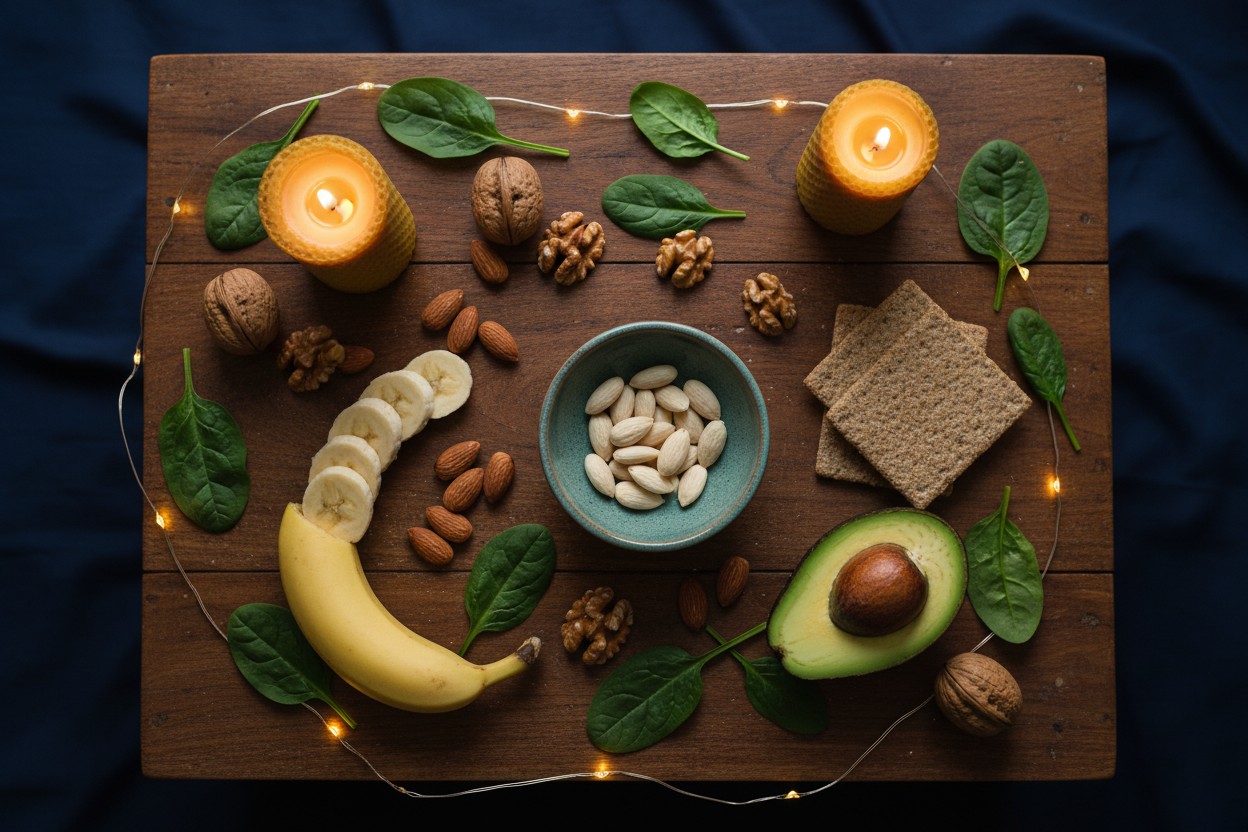
Beyond sleep, the implications of magnesium sufficiency are broad. A 2023 clinical trial noted that daily supplementation of 248 mg of elemental magnesium chloride led to significant improvements in depressive symptoms, suggesting that the mineral’s impact on sleep may be part of a larger influence on mental health and stress management. Natural food sources such as bananas, avocados, and dark leafy greens remain the primary recommendation for maintaining baseline levels, though supplementation is often suggested for those with chronic insomnia.
The Impact of Late-Night Sugar and Cortisol Spikes
One of the most detrimental habits for sleep architecture is the consumption of high-sugar or high-carbohydrate snacks late at night. Knudsen explains that these foods cause a rapid spike in blood glucose, providing a burst of energy that contradicts the body’s natural circadian signals. However, the primary issue is not the spike itself, but the subsequent crash.
When blood sugar levels drop precipitously after a sugar-induced high, the body perceives this as a metabolic emergency. In response, the adrenal glands release cortisol—the "stress hormone." While cortisol levels should naturally be at their lowest point at night to allow for deep sleep, a sugar crash forces a cortisol surge, which increases alertness and often causes the individual to wake up suddenly, often with a racing heart or a feeling of anxiety.
This cycle is exacerbated by the consumption of ultra-processed foods. A February 2026 article from NaturalNews.com reported that regular consumption of these foods is strongly linked to chronically elevated cortisol levels, which not only ruins sleep but also disrupts metabolic health and increases the risk of weight gain. The consensus among nutritionists, including those cited in "Beat Diabetes Naturally," is that if a snack is necessary before bed, it should be light and focused on fats or proteins rather than refined sugars.
Fluid Management and the Prevention of Nocturia
Even with perfect nutrition, sleep architecture can be decimated by frequent nighttime bathroom trips, a condition known as nocturia. Knudsen’s report addresses this through the lens of fluid timing. While hydration is essential for overall health, consuming large quantities of water (more than eight ounces) immediately before bed is a primary cause of fragmented sleep.
Urologist Dr. Vannita Simma-Chiang, quoted in the report, suggests a "tapering" approach to hydration. The majority of water intake should occur during daylight hours, with the "last sip" of the day ideally taken three to four hours before bedtime. This allows the body sufficient time to process and eliminate excess fluids before the sleep cycle begins. By minimizing nighttime awakenings, individuals can remain in the deeper stages of sleep (Stages 3 and 4) for longer periods, which is vital for physical repair and cognitive processing.
Chronology of Nutritional Sleep Research and Broader Implications
The shift toward nutritional sleep intervention represents the culmination of several years of evolving research.
- 2023: Clinical trials begin to solidify the link between the gut microbiome (fiber intake) and serotonin-driven sleep cycles.
- 2024-2025: Large-scale observational studies highlight the correlation between magnesium deficiency and the rise in global insomnia rates.
- Early 2026: Research published in various medical journals connects ultra-processed food consumption with disrupted cortisol rhythms.
- July 2026: The synthesis of these findings by experts like Molly Knudsen provides a clear, actionable framework for the public to use diet as a tool for sleep hygiene.
The implications of these dietary adjustments extend far beyond a single night of rest. A 2026 study emphasized that the combination of small lifestyle improvements—specifically sleep quality, targeted nutrition, and physical activity—can significantly reduce the risk of major cardiovascular events. Furthermore, Traditional Chinese Medicine (TCM) perspectives, as shared by Dr. Bashima Williams, have long maintained that sleep, diet, and elimination are the three pillars of health. Modern science is effectively validating these ancient tenets by mapping the chemical pathways through which food influences the brain.
Conclusion and Expert Recommendations
The findings presented by Molly Knudsen and supported by various nutritional studies underscore a fundamental truth: the body cannot be forced into high-quality sleep through environmental changes alone if it lacks the nutritional resources to maintain that state. By focusing on high protein intake at dinner, increasing daily fiber to support the gut-brain axis, timing magnesium supplementation, and avoiding the "sugar-cortisol trap," individuals can take a proactive, evidence-based approach to improving their sleep architecture.
However, health experts caution that these strategies should be implemented thoughtfully. Knudsen advises that individuals, particularly those who are pregnant, breastfeeding, or managing chronic conditions, should consult with a healthcare provider before introducing new supplements like magnesium bisglycinate. The overarching goal is to create a consistent, nutrient-dense routine that aligns with the body’s natural circadian rhythms. As the 2026 research suggests, the quality of our food is inextricably linked to the quality of our rest, and by extension, the quality of our lives. In an era of constant connectivity and rising stress, the most effective "sleep aid" may not be a pill, but a well-timed, fiber-rich, and protein-balanced meal.