Silent Stressors: How Chronic Everyday Inflammation Remodels the Human Heart and Threatens Cardiovascular Health


The daily pressures of modern life—ranging from socioeconomic adversity and chronic psychological distress to established lifestyle hazards like smoking and physical inactivity—do far more than wear down mental resilience. According to a landmark epidemiological study of nearly half a million adults in the United Kingdom, chronic stress and everyday environmental strains leave a profound, lasting physical imprint on the cardiovascular system. Researchers discovered that persistent low-grade inflammation acts as a biological bridge connecting external life stressors to structural deterioration of the heart muscle, ultimately escalating the risk of severe medical events such as heart attacks and strokes.
Spearheaded by investigators at the Medical Research Council (MRC) Laboratory of Medical Sciences (LMS) and Imperial College London, this massive population-based investigation stands as the largest of its kind to date. By synthesizing extensive biological markers, genetic profiles, and cardiac imaging data from the UK Biobank, the research team has mapped out a concerning trajectory: millions of individuals may be walking around with unacknowledged, hidden inflammation that quietly alters cardiac architecture years before any clinical symptoms manifest.
Unpacking the Mechanics of Chronic Inflammation
To comprehend the severity of these findings, medical scientists point to the dual nature of the human immune system. Acute inflammation is a vital, life-saving evolutionary response designed to combat immediate threats, such as pathogens or physical trauma, after which the immune system typically deactivates. However, chronic inflammation represents a systemic malfunction wherein the immune system remains locked in a mild, persistent state of activation over months and years.
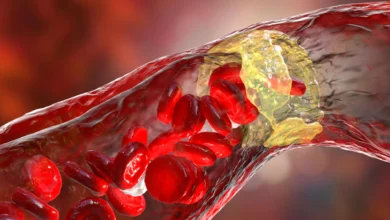
This low-level hum of immune activity does not remain localized. Over time, it systematically degrades vascular and muscular tissue. While medical science has long linked chronic inflammation to metabolic disorders and oncological diseases like type 2 diabetes and various cancers, its precise role in cardiovascular pathology has remained an active frontier of research. This latest study provides some of the most definitive evidence yet that chronic inflammation serves as a primary driver of heart disease, operating independently of—yet often synergistically with—traditional risk factors like high blood pressure and elevated cholesterol.
Methodology and Scale of the UK Biobank Study
The magnitude of the MRC LMS and Imperial College London project sets a new benchmark for cardiovascular epidemiology. The research team analyzed comprehensive health data drawn from the UK Biobank, focusing on a cohort of approximately 480,000 adult participants.
To quantify chronic inflammation with high precision, the researchers evaluated a sophisticated blood marker known as glycoprotein acetyls, commonly abbreviated as GlycA. Unlike standard C-reactive protein (CRP) tests, which can fluctuate wildly due to acute infections or temporary illnesses, GlycA measures the total concentration of N-acetylglucosamine and N-acetylneuraminic acid groups attached to plasma proteins, providing a remarkably stable and reliable indicator of systemic, long-term inflammation.
This immunological data was subsequently cross-referenced with advanced cardiac magnetic resonance (CMR) imaging data, detailed socioeconomic questionnaires, psychological assessments, and extensive genetic profiling. The breadth of this dataset allowed the research team to control for confounding variables and isolate the specific physical transformations occurring within the cardiovascular systems of individuals experiencing elevated systemic inflammation.
Quantifying the Risk: A 43% Surge in Major Cardiac Events
The statistical correlations uncovered by the research team are both stark and sobering. When analyzing health outcomes across the cohort, investigators stratified participants based on their baseline GlycA levels.
Individuals who fell into the top 20% of inflammation levels experienced a staggering 43% higher risk of suffering a heart attack or stroke compared to their peers in the bottom 20%. Crucially, this elevated risk persisted even after researchers adjusted for pre-existing cardiovascular conditions, demonstrating that chronic inflammation independently threatens heart health.
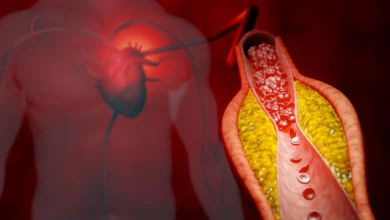
Furthermore, the imaging data revealed that this heightened inflammatory state corresponds with tangible, adverse physical remodeling of the heart muscle. Participants exhibiting higher levels of systemic inflammation consistently presented with thicker heart walls, reduced ventricular chamber sizes, and impaired myocardial relaxation, known clinically as poor heart filling. In isolation and over time, these structural abnormalities compromise the heart’s pumping efficiency and serve as classic precursors to clinical heart failure. Because these changes transpire silently, patients frequently remain unaware of the deterioration until a catastrophic event occurs.
Socioeconomic Disadvantage, Mental Health, and Biological Pathways
One of the most profound revelations of the study is the intricate web connecting social determinants of health to cellular-level cardiac damage. The analysis established clear statistical links between persistent systemic inflammation and markers of socioeconomic disadvantage, such as poverty, unstable housing, and occupational stress, alongside chronic psychological distress like anxiety and depression.
For decades, public health researchers have observed a stubborn correlation between lower socioeconomic status and poorer cardiovascular outcomes, often loosely attributing the discrepancy to lifestyle choices such as diet and smoking. However, this study suggests a direct physiological mechanism: external life pressures literally get under the skin, triggering sustained immune responses that structurally compromise the heart.
Professor Declan O’Regan, British Heart Foundation Chair of Cardiovascular AI at Imperial College London and Head of the Computational Cardiac Imaging Group at the LMS, highlighted the breadth of these interconnected variables. "Our study suggests that millions of people could be living with hidden inflammation, which is slowly changing their heart and causing long-term damage—increasing the risk of heart attack and stroke," Professor O’Regan explained. "Chronic inflammation is complicated, but we know it’s tied to our health and driven by a range of lifestyle and economic factors—meaning people may be at more risk just because of their surroundings, their economic status, their family’s health, and their lifestyle."
The Interplay of Genetics, Lifestyle, and Resilience
While the environment and societal structures play a massive role in priming the body for chronic inflammation, the study also underscored the powerful influence of genetics. Not everyone exposed to poverty, high stress, or poor lifestyle habits develops the same degree of cardiac remodeling, pointing to inherent biological differences in vulnerability and resilience.
Researchers identified specific genetic variations that modulate an individual’s susceptibility to inflammation-driven tissue damage. Notably, the analysis spotlighted inflammatory proteins belonging to the interleukin-1 (IL-1) and tumor necrosis factor (TNF) families as prime movers in the cascade of cellular events leading to heart muscle degradation.
Despite the sobering reality of genetic predisposition, the study’s authors emphasize a message of proactive clinical empowerment: neither difficult life circumstances nor genetic vulnerability condemns an individual to inevitable cardiovascular failure. Lifestyle modifications—such as smoking cessation, maintaining a healthy body composition, and increasing physical activity—remain highly effective tools for dampening systemic inflammation.
Translational Implications and the Promise of Targeted Therapeutics
The identification of specific inflammatory proteins driving structural heart changes opens up promising new avenues in pharmacology and preventative medicine. Several of the inflammatory pathways highlighted in the study—particularly those involving the interleukin-1 and TNF families—are already being targeted by monoclonal antibodies and biologic drugs currently undergoing clinical evaluation for various inflammatory conditions.
These developments raise the tantalizing possibility that anti-inflammatory therapies could eventually be repurposed or newly developed specifically to prevent cardiovascular disease before initial symptoms present. Rather than merely managing heart disease after an attack has occurred, future preventative cardiology may rely on a proactive, pharmaceutical approach aimed at cooling chronic immune system overactivity.
In addition to therapeutic drugs, the researchers advocate for the implementation of routine inflammatory blood tests, such as GlycA measurements, integrated alongside polygenic risk scores. Such a diagnostic panel could enable primary care physicians to accurately identify asymptomatic individuals at elevated risk, allowing for targeted, early-stage lifestyle and medical interventions long before irreversible cardiac remodeling takes place.
Official Perspectives from the British Heart Foundation
The medical community has widely praised the study for bridging the gap between sociological factors and hard cardiovascular endpoints. Professor Bryan Williams, Chief Scientific and Medical Officer at the British Heart Foundation, underscored the dual nature of inflammation and the profound implications of the research for future clinical guidelines.
"Inflammation is part of the body’s healing process, but there is also a darker side to it," Professor Williams stated. "This large-scale study found people with higher levels of inflammation experienced silent changes to the structure of their hearts and had a higher risk of major cardiac events including heart attacks and strokes."
Professor Williams further emphasized the holistic nature of the findings, noting how social and environmental variables converge at the molecular level. "The research provides valuable insights into how our genes and lifestyle factors, such as smoking, poor mental health, and socioeconomic status, can converge to trigger inflammation," he added. "It also identifies several inflammatory proteins that appear to play a key role in the heart changes linked to chronic inflammation, and it is to be hoped that anti-inflammatory medicines could become an important tool in preventing cardiovascular disease."
Concluding Thoughts and Broader Societal Impact
The revelations stemming from the MRC LMS and Imperial College London collaboration mark a paradigm shift in how modern medicine conceptualizes cardiovascular risk. By moving beyond traditional risk factors—such as hyperlipidemia and hypertension—to encompass the biological tolls of poverty, chronic stress, and systemic immune activation, the research reframes heart disease as a deeply complex socio-biological condition.
While systemic inequalities and socioeconomic disparities require broad, structural policy interventions to resolve, the immediate clinical takeaway offers actionable pathways for both patients and healthcare providers. Through a combination of targeted blood biomarkers, genetic screening, lifestyle modifications, and the horizon of anti-inflammatory pharmacotherapy, modern medicine is steadily equipping itself to intercept heart disease during its earliest, silent stages.
The study was jointly funded by the Medical Research Council and the British Heart Foundation, with additional support provided by the NIHR Imperial Biomedical Research Centre, a translational research partnership uniting the Imperial College Healthcare NHS Trust and Imperial College London. As these institutions continue to analyze the intersection of artificial intelligence, cardiac imaging, and immunology, the medical horizon offers renewed hope for mitigating the silent physical toll of modern life.