Study: Food Processing Level, Not Plant-Based Label, Determines Cardiovascular Risk

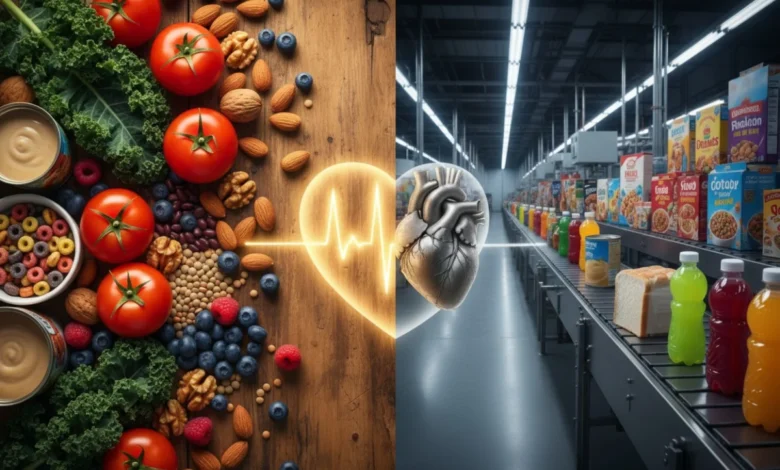
A groundbreaking longitudinal study published in the December 2025 edition of The Lancet Regional Health – Europe has fundamentally challenged the prevailing wisdom regarding plant-based nutrition and its relationship to heart health. The research, which tracked 63,835 adults over an average follow-up period of 9.1 years, reveals that the mere presence of plant-derived ingredients is insufficient to guarantee cardiovascular protection. Instead, the study identifies the level of industrial processing as the primary determinant of whether a diet supports or undermines heart health. The findings demonstrate a stark divergence in outcomes: while diets centered on minimally processed plant foods were associated with a 40% reduction in cardiovascular disease (CVD) risk, diets high in ultra-processed plant foods were linked to a nearly 40% increase in risk.
This comprehensive analysis arrives at a time when "plant-based" has become one of the most powerful marketing descriptors in the global food industry. However, the researchers from the National Research Institute for Agriculture, Food and Environment (INRAE), Inserm, and Université Sorbonne Paris Nord suggest that the "health halo" surrounding these products may be dangerously misleading. By categorizing foods not just by their origin—animal versus plant—but by the extent of their industrial transformation, the study provides a more nuanced framework for understanding modern dietary risks.
Methodology: Moving Beyond the Plant-Animal Binary
The research team employed a sophisticated three-dimensional classification system to evaluate the participants’ diets. Traditionally, nutritional studies have focused on the ratio of plant-to-animal foods or the intake of specific macro- and micro-nutrients. This study expanded that scope by layering three distinct axes: the proportion of plant-to-animal foods, the overall nutritional quality of those foods (based on nutrient density), and the degree of industrial processing (utilizing a framework similar to the NOVA classification system).
By applying this multi-dimensional lens to the data of nearly 64,000 individuals, the scientists were able to isolate variables that previous studies often conflated. They discovered that the cardiovascular benefits typically attributed to vegetarian or vegan diets are not inherent to the plants themselves but are contingent upon the "food matrix"—the complex physical and chemical structure of whole foods. When this matrix is disrupted through heavy industrial processing, the heart-healthy properties of the original plant material appear to vanish, replaced by physiological stressors that promote arterial damage and metabolic dysfunction.
The Protective Power of Whole Plant Foods
The data revealed a clear "dose-response" relationship between the consumption of minimally processed plant foods and a lower incidence of heart attacks, strokes, and other cardiovascular events. Participants who prioritized organic whole vegetables, fresh fruits, legumes, whole grains, and raw nuts saw their risk of cardiovascular disease plummet by approximately 40%.
According to the research team, these foods deliver a synergistic package of fiber, antioxidants, polyphenols, and essential minerals like potassium and magnesium. These components work in tandem to regulate blood pressure, improve lipid profiles, and reduce systemic inflammation. Critically, because these foods are consumed in their natural or near-natural state, their nutrients are absorbed at a rate the human body is evolutionarily adapted to handle, preventing the rapid spikes in blood glucose and insulin that are often associated with processed carbohydrates.
The Hidden Risks of Ultra-Processed Plant Foods
In a direct contradiction to popular marketing claims, the study found that a "plant-based" diet can be just as harmful as a high-sugar, high-fat Western diet if it relies on ultra-processed products. Participants whose diets were characterized by high intakes of ultra-processed plant-based (UPPF) items faced a cardiovascular risk profile that was 40% higher than those eating whole plant foods.
The researchers categorized several common items as UPPFs, including:
- Mass-produced, packaged breads and pastries.
- Ready-to-eat pasta dishes and instant noodles.
- Commercial "cream" soups and dehydrated vegetable mixes.
- Sweetened fruit-flavored beverages and carbonated sodas.
- Highly refined breakfast cereals.
- Plant-based meat alternatives and vegan cheeses.
The study noted that these products, while technically "plant-based," often contain long lists of industrial additives such as emulsifiers, thickeners, stabilizers, and artificial flavorings. Furthermore, the processes used to create them—such as extrusion, high-heat refining, and chemical modification—strip away the fiber and micronutrients that make plants healthy in the first place.
Comparative Risk: Processing vs. Food Origin
Perhaps the most surprising finding of the study was the comparison between ultra-processed plant-based diets and diets that included animal products. The data indicated that individuals who consumed moderate amounts of high-quality, whole animal products (such as wild-caught fish, pasture-raised eggs, or organic fermented dairy) alongside minimally processed plants had better cardiovascular outcomes than those who followed a strictly plant-based diet comprised of ultra-processed foods.
This suggests that the degree of processing is a more significant risk factor for heart disease than the presence of animal protein. The research challenges the long-standing medical narrative that has focused almost exclusively on reducing animal fat as the key to heart health. Instead, it posits that a diet containing whole animal foods may be safer than a vegan diet built on industrial refinement.
The Impact of Industrial Additives and the Food Matrix
The report provides a detailed biochemical analysis of why ultra-processing is so detrimental. Beyond the loss of nutrients, the introduction of industrial vegetable oils (often high in Omega-6 fatty acids) and hydrogenated fats can trigger oxidative stress within the vascular system. Additionally, common additives like emulsifiers have been shown in other studies to disrupt the gut microbiota, leading to increased intestinal permeability and "leaky gut," which in turn promotes the chronic inflammation known to drive atherosclerosis.
The researchers highlighted that the "biochemical package" of an ultra-processed food is fundamentally different from its whole-food counterpart. For example, a whole apple contains fiber that slows the absorption of its natural sugars. In contrast, a plant-based fruit snack made from apple concentrate and gums delivers a rapid sugar load that taxes the pancreas and damages the endothelial lining of the blood vessels.
The "Nutritionism" Trap and Marketing Realities
The study references the concept of "nutritionism"—a term coined to describe the industry’s focus on isolated nutrients rather than whole foods. Food manufacturers often fortify ultra-processed products with synthetic vitamins or fiber to make them appear healthy on paper. However, the Lancet study suggests that these isolated additions cannot replicate the protective effects of the original food matrix.
This creates a significant challenge for consumers. Marketing campaigns frequently use terms like "vegan," "dairy-free," or "made with real vegetables" to target health-conscious shoppers. The researchers observed that these labels often serve as a "smoke screen" for products that are high in sodium, refined sugars, and industrial seed oils. The advice from the study’s authors is direct: consumers should prioritize the ingredients list over the front-of-package claims. A long list of unrecognizable ingredients, modified starches, and gums is a reliable indicator of an ultra-processed product, regardless of its plant-based status.
Implications for Public Health and Dietary Guidelines
The results of this 9-year study have profound implications for future dietary guidelines and clinical practice. For decades, cardiology has focused heavily on cholesterol-lowering strategies and the reduction of saturated fats. While these remain relevant, the study suggests that a more urgent priority should be the reduction of ultra-processed food consumption.
Public health experts and nutritionists are calling for a shift in how dietary advice is communicated. Rather than simply encouraging "more plants," guidelines should emphasize "whole, unrefined plants." There is also a growing movement to incorporate processing levels into national food labeling systems, such as the Nutri-Score used in parts of Europe, to help consumers distinguish between a can of plain lentils and a highly processed vegan burger.
Conclusion: A Return to Dietary Simplicity
The study concludes that the path to cardiovascular health lies in dietary simplicity and a return to recognizable, whole foods. By following over 63,000 adults for nearly a decade, the researchers have provided robust evidence that the industrialization of our food supply is a primary driver of heart disease, even when those foods are derived from plants.
The protective eating pattern identified by the study—rich in organic vegetables, fruits, legumes, grains, and nuts—offers a clear roadmap for individuals looking to reduce their risk of heart disease. It also validates the inclusion of high-quality animal products in a balanced diet, provided they are not processed. As the food industry continues to innovate with "plant-based" technologies, this research serves as a critical reminder that nature’s original design for food is often impossible to improve upon in a laboratory. The ultimate strategy for heart health remains unchanged: choose foods that are close to their natural state and minimize the intervention of industrial processing.