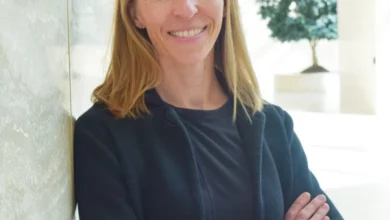
Shrinking the Doctor to 20 Nanometers: How Synthetic Biologist Chaska Walton is Engineering Living Therapies to Outsmart Alzheimer’s Disease


The pursuit of longevity and the mitigation of neurodegenerative disorders have long been constrained by the reactive nature of modern medicine. Traditional medical interventions typically begin only after clinical symptoms manifest, a point at which cellular damage is already advanced. However, at the forefront of cellular and molecular engineering, researchers are challenging this paradigm. Among them is Dr. Chaska Walton, a prominent research scientist at the Buck Institute for Research on Aging, whose pioneering work in synthetic biology aims to fundamentally transform how humanity approaches the prevention and treatment of Alzheimer’s disease and other complex pathologies.
As the recipient of a highly competitive $2.4 million National Institutes of Health (NIH) Transformative Research Award—one of only nine such grants awarded nationwide in its cycle—Dr. Walton is spearheading the development of smart delivery systems designed to address the multiple pathological features of Alzheimer’s disease simultaneously. Operating out of the laboratory of Dr. Julie Andersen, Dr. Walton’s research bridges fundamental neuroscience, synthetic immunology, and translational medicine, heralding an era where living cells may soon be engineered to act as microscopic physicians patrolling the human body.
Chronology and Scientific Evolution: From Barcelona to the Buck Institute
Dr. Walton’s scientific trajectory reflects a lifelong curiosity regarding the complexities of the human brain, transitioning from classical psychology and fundamental neuroscience to advanced cellular engineering. The journey began in Spain, where Dr. Walton pursued initial studies in psychology and neuroscience at the Autonomous University of Barcelona, laying a robust foundation for understanding cognition and neural architecture.
Following undergraduate studies, Dr. Walton advanced to doctoral work at the prestigious Cajal Institute in Madrid, operating under the umbrella of the Spanish National Research Council (CSIC) and the Autonomous University of Madrid, where a PhD in molecular bioscience was earned. During this doctoral tenure, Dr. Walton challenged entrenched scientific dogma by demonstrating that mature, terminally differentiated neurons can paradoxically re-enter the cell cycle. This pivotal discovery was conceptually guided by the historical insights of Santiago Ramón y Cajal—the father of modern neuroscience—who famously envisioned that the "science of the future" would one day overturn even his most rigid structural decrees.

Carrying this iconoclastic ethos forward, Dr. Walton transitioned to the United States to join the Buck Institute for Research on Aging in Novato, California. The Buck Institute, recognized globally as the first independent research institution devoted entirely to understanding the connection between aging and chronic disease, provided an ideal environment for Dr. Walton’s evolving focus. Initially investigating the subtle mechanisms of neuronal vulnerability and aging, Dr. Walton’s research quickly pivoted toward the active engineering of synthetic immune-cell therapies. Today, this work encompasses the design of programmable CAR-Treg cells and smart delivery platforms aimed at halting neurodegeneration before clinical symptoms can emerge.
The Science of Smart Delivery: Engineering Mini Physicians
The cornerstone of Dr. Walton’s recent breakthroughs involves the genetic modification of living cells to detect pathological hallmarks—specifically amyloid-beta senile plaques, a primary biological signature of Alzheimer’s disease. Once these pathological indicators are identified at the microscopic level, the engineered cells are programmed to autonomously produce and secrete the FDA-approved amyloid-beta-clearing antibody, Leqembi.
In describing the revolutionary nature of this approach, Dr. Walton often uses an evocative analogy: shrinking the doctor down to approximately 20 nanometers and equipping them with biological superpowers. Unlike human clinicians, who must rely on patient-reported symptoms, diagnostic imaging, and biochemical markers that only register after extensive disease progression, engineered cellular sentinels continuously monitor the body’s microenvironment in real time.
Furthermore, conventional pharmacology is hindered by systemic distribution, wherein therapeutic drugs circulate throughout the entire body, frequently causing off-target toxicities and adverse side effects. Dr. Walton’s smart delivery platforms bypass this limitation entirely. By engineering cells to home in on specific pathologies and release therapeutic molecules locally and on demand, the medicine is applied with pinpoint accuracy at the exact site of tissue deterioration.
Additionally, complex neurodegenerative diseases are rarely driven by a single biological failure; rather, they are characterized by multiple concurrent pathological cascades, including neuroinflammation, oxidative stress, and protein misfolding. Standard pharmaceutical interventions typically target only one pathway at a time. The synthetic cells developed in Dr. Walton’s laboratory can be programmed to manufacture and deliver combination therapies simultaneously, tackling diverse aspects of a disease through a unified cellular mechanism.
Supporting Data and Institutional Context
The significance of Dr. Walton’s research is underscored by substantial external validation from federal funding bodies. The NIH Transformative Research Award, which provided the $2.4 million backing for this initiative, is specifically designed to support exceptionally innovative research projects that have the potential to create paradigm shifts in biomedical science. By selecting Dr. Walton’s proposal out of a nationwide applicant pool, the NIH recognized the profound potential of developing programmable cellular systems to treat multi-pathology disorders.
Alzheimer’s disease remains one of the most pressing public health challenges of the 21st century. According to data from the Alzheimer’s Association, more than six million Americans are currently living with the disease, a figure projected to nearly double by 2050 as the global population ages. The economic and societal costs associated with long-term care, diagnostic procedures, and palliative treatments run into the hundreds of billions of dollars annually. Current therapeutic options, while offering modest clinical benefits, are largely reactive, expensive, and logistically burdensome to administer via frequent clinical infusions. Dr. Walton’s approach directly addresses these systemic bottlenecks by shifting the locus of treatment from external clinical infrastructure to the patient’s own biological architecture.
Broader Impact and Implications for Modern Healthcare
The long-term realization of Dr. Walton’s vision promises to fundamentally alter the architecture of modern healthcare. Rather than relying on periodic visits to medical clinics, diagnostic blood panels, and neuroimaging scans to monitor disease progression, individuals could theoretically host a lifelong secondary immune system.
This engineered cellular network would function invisibly and autonomously. Because these constructs are living, self-renewing cells rather than static chemical molecules, they possess the capacity to adapt, proliferate, and remain active within the host organism for years. They would manufacture therapeutic payloads internally, eliminating the need for patients to repeatedly purchase, store, and administer costly pharmaceutical regimens.
From an economic and operational perspective, the widespread implementation of cell-based smart therapies could alleviate immense pressure on healthcare systems. Hospitals and specialty clinics would see a reduction in the volume of chronic disease management cases, as proactive cellular maintenance prevents the accumulation of irreversible neural damage. Diseases that are currently classified as progressive and terminal could transition into manageable or entirely preventable conditions.

Future Horizons: The Next Decade of Synthetic Medicine
Looking toward the next five to ten years, Dr. Walton remains focused not only on the technical refinement of smart delivery platforms but also on shifting the broader medical consensus regarding aging and neurodegeneration. The primary objective is to cement the understanding that neurodegenerative decline is not an inevitable consequence of biological aging, but rather an addressable disease process that can be intercepted, engineered, and ultimately reversed.
As pioneer laboratories like those at the Buck Institute continue to transition these concepts from benchtop experimentation to preclinical validation, the scientific community moves closer to a reality where the human body maintains its own internal repair crew. By redefining the relationship between cellular biology, pharmacology, and clinical medicine, Dr. Walton’s research points toward a future where individuals may be shielded from debilitating neurological diseases entirely unaware that a microscopic defense system is actively preserving their health.