Matcha Gains Use as Coffee Alternative; Dietitians Say Quality and Preparation Matter

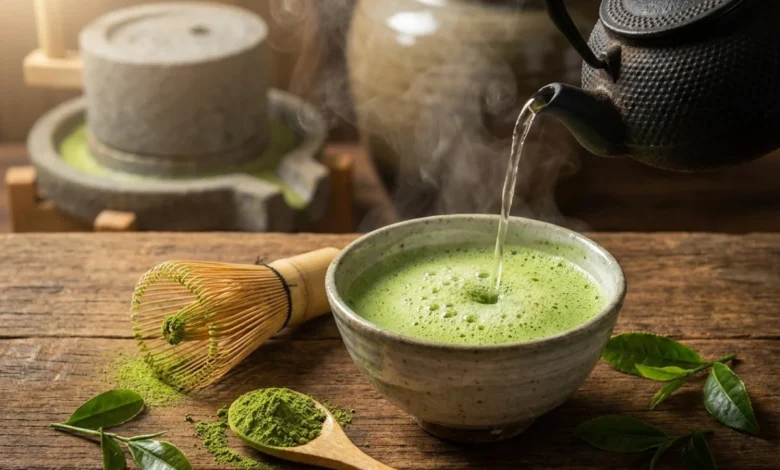
As the global search for sustained energy and cognitive clarity continues to evolve, matcha—a vibrant, finely milled green tea powder—is increasingly positioning itself as a sophisticated alternative to coffee. Unlike traditional teas, where leaves are steeped and then discarded, matcha is consumed in its entirety, providing a unique concentration of antioxidants and a distinct physiological profile. As reported in a recent assessment, the rising popularity of this ancient Japanese staple is prompting nutrition experts to emphasize the critical role of sourcing, storage, and preparation methods in maximizing both the health benefits and the sensory experience of the beverage.
The Science of the Whole Leaf
The primary distinction between matcha and standard green tea lies in the production process and consumption method. Matcha begins as shade-grown Camellia sinensis leaves. By shielding the plants from direct sunlight for several weeks before harvest, producers stimulate the plant to increase its chlorophyll and L-theanine production, resulting in a deeper, more vibrant green color and a richer amino acid profile.
Once harvested, the leaves are steamed to arrest oxidation—a step that preserves the leaf’s chemical integrity—dried, and meticulously stripped of all stems and veins. The resulting leaf matter, known as tencha, is then ground into a fine, talc-like powder. This grinding process, traditionally performed using granite stone mills, is exceptionally slow, often producing only 40 grams of powder per hour. This labor-intensive methodology not only contributes to the premium pricing of authentic matcha but also ensures that the final product remains cool during processing, preventing the heat-induced degradation of delicate catechins.
From a nutritional perspective, consuming the whole leaf means the drinker ingests the entire matrix of the plant. Registered dietitian Asako Miyashita notes that this method provides significantly higher levels of epigallocatechin gallate (EGCG), a potent polyphenol, compared to the infusion method used for conventional green tea. EGCG is widely studied for its potential roles in metabolic health and cellular protection.
Chronology and Cultural Context
The history of matcha is inextricably linked to the development of Zen Buddhism. In 1191, the Japanese monk Eisai returned to Japan from China, bringing with him not only tea seeds but also the specialized method of consuming tea in powdered form. What began as a medicinal aid for meditation practitioners eventually evolved into the Japanese tea ceremony, or chado (The Way of Tea).
Yoshitsugu Nagano, a contemporary master of the tea ceremony, emphasizes that the cultural weight of matcha extends far beyond its caffeine content. For practitioners, the preparation of matcha is a meditative practice involving deliberate, repeated movements that foster gratitude and mindfulness. Nagano describes the traditional ritual as a "training ground for social interaction," where the focus is placed on the intentionality of the host and the receptivity of the guest. While modern consumers may not engage in the full rigors of the traditional ceremony, the spirit of the practice—taking a moment to slow down—remains a core appeal for those moving away from the hurried, "on-the-go" culture of coffee consumption.
Physiological Effects: The "Calm-Alert" Synergy
One of the most frequently cited benefits of matcha over coffee is the nature of its caffeine delivery. Coffee typically provides a rapid, high-intensity spike in caffeine, which can lead to jitters or a subsequent "crash" as the body metabolizes the stimulant. Matcha, however, contains a synergy of caffeine and the amino acid L-theanine.
Research published in 2025 suggests that the combination of these two compounds may provide more sustained cognitive benefits. While caffeine blocks adenosine receptors in the brain to stave off sleepiness, L-theanine is thought to promote the production of alpha brain waves, which are associated with a state of "relaxed alertness." This interplay allows for a sharper focus without the cardiovascular agitation often associated with high-caffeine intake.
However, dietitians warn that individual biology dictates the experience. Caffeine content in matcha varies based on the leaf quality and the quantity used, with a 2020 review finding that one gram of matcha can contain between 19 and 44 milligrams of caffeine. A standard two-gram serving could therefore range from 38 to 88 milligrams of caffeine. Health authorities generally suggest a ceiling of 400 milligrams of caffeine per day for healthy adults, though pregnant individuals are advised to limit intake to 200 milligrams. Those with underlying anxiety, cardiac conditions, or those sensitive to stimulants should approach matcha with the same caution they would any other caffeinated beverage.
The Challenges of Sourcing and Quality Control
As demand for matcha has surged in Western markets, the marketplace has become flooded with products of varying quality. The term "ceremonial grade" is currently unregulated, meaning it does not serve as a reliable indicator of purity, shade-growing duration, or chemical testing.
Experts highlight that the lack of standardization makes consumer education vital. "Buying good-quality matcha is difficult, especially online," says Miyashita. "The photos often do not match the product." To identify high-quality matcha, consumers should look for specific indicators:
- Color: Fresh, high-quality matcha is a vibrant, neon-like green. A dull, olive, or yellowish-green hue is a sign of oxidation, meaning the powder is old or was exposed to excessive light and heat.
- Aroma: Authentic matcha possesses a distinct, grassy, and sometimes slightly oceanic or seaweed-like scent. A musty or stale odor suggests poor storage or low-quality leaves.
- Sourcing Information: Consumers are encouraged to prioritize brands that provide transparency regarding the region of cultivation (e.g., Uji or Nishio in Japan), the harvest date, and, crucially, certificates of analysis regarding heavy metals and pesticide residues.
Once purchased, the shelf life of matcha is relatively short. Because the powder has such a high surface area, it is highly susceptible to oxidation. It should be stored in an airtight, light-proof container in a cool, dark environment. Refrigeration is often recommended for opened containers to preserve the delicate catechins and the bright color profile.
Mastering Preparation
The transition from coffee to matcha also requires a shift in preparation technique. The goal is to maximize flavor while minimizing the natural bitterness inherent in tea leaves. Miyashita suggests that water temperature is the most critical variable; water should be heated to approximately 160 F to 170 F (71 C to 77 C). Boiling water can scald the powder, leading to an unnecessarily bitter and astringent profile.
There are two primary traditional methods for preparing matcha:
- Usucha (Thin Tea): This involves whisking two grams of matcha with two ounces of hot water until a fine, creamy froth forms on the surface.
- Koicha (Thick Tea): A more concentrated version, using four grams of matcha with only one ounce of water. This creates a dense, syrupy consistency that is prized for its deep, sweet umami notes.
For those interested in matcha lattes, the process requires an extra step to ensure texture. The powder should be sifted to remove clumps and whisked into a small amount of warm water to create a smooth "slurry" before any milk is added. This ensures the powder is fully emulsified and prevents the gritty mouthfeel that often plagues poorly made lattes. Whether using dairy or plant-based milks, experts suggest opting for unsweetened varieties to appreciate the natural sweetness and vegetative notes of the tea.
Implications for the Future
The shift toward matcha reflects a broader trend in consumer behavior: a preference for products that offer a "functional" benefit alongside a ritualistic experience. As consumers become more discerning, the market is expected to move away from generic, mass-produced powders toward single-origin, transparently sourced products.
While matcha will likely never fully displace coffee, its role as a stable, health-conscious alternative is becoming increasingly solidified. The focus for the industry moving forward will be on consumer education—teaching the public how to distinguish between culinary-grade powders designed for baking and high-quality, shade-grown powders suitable for traditional preparation. Ultimately, as experts emphasize, the true value of matcha lies not just in its chemical composition, but in the deliberate attention it requires, offering a brief, necessary respite from the frantic pace of modern life.
Related posts: