Kate Beckinsale Sparks Concern Following Social Media Deletion and Cryptic Statements Regarding Mental Health

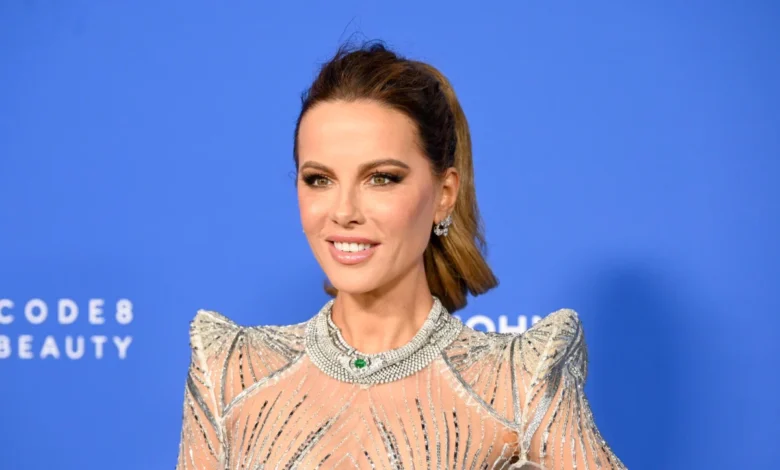
The digital landscape has become a complex mirror for public figures, and recent actions taken by actress Kate Beckinsale have ignited a broader conversation regarding the intersection of social media, public scrutiny, and the management of profound personal grief. Over the weekend, the British star performed a complete purge of her Instagram account, removing all visual content and replacing her profile presence with a blank slate, signaling a significant retreat from the public eye. This incident follows a series of turbulent months for the actress, who has been vocal about her struggles with health issues and the loss of multiple immediate family members.
The sequence of events began on Sunday when Beckinsale deleted her extensive photo archive. The final remaining post, a stark black image, featured the simple, solitary word "bye." Shortly thereafter, she disabled comments on the upload before sharing a brief image of a rainbow to her Instagram Stories, accompanied by the pointed message: "Congratulations. You won. I give up." Within hours, these final remnants were also removed, leaving the account entirely devoid of posts. The only vestige of her previous digital footprint is a link in her bio directing followers to a 2020 BBC report detailing the suicide of television presenter Caroline Flack—a poignant reference that has led many observers to speculate about the severity of the psychological toll she is currently enduring.
A Timeline of Recent Struggles
This recent digital exodus is not an isolated event but rather the latest chapter in a difficult period for the actress. Beckinsale’s relationship with social media has become increasingly fraught as she has navigated a series of private tragedies.
In August, she engaged in a similar, albeit temporary, cleansing of her Instagram presence. At that time, the decision was prompted by intense and relentless online criticism regarding her physical appearance. The scrutiny followed a period of visible weight loss, which Beckinsale attributed to the compounding stressors of bereavement and a health diagnosis. She revealed that she had been suffering from Mast Cell Activation Syndrome (MCAS), an immunological condition where mast cells become overactive, triggering recurring, allergy-like symptoms throughout the body.
The emotional burden reached a breaking point following the deaths of her stepfather, director Roy Battersby, and her mother, actress Judy Loe. In an Instagram post from August 8, Beckinsale addressed her detractors directly, noting the absurdity of having to justify her physical condition while grieving. She underscored that weight loss is a common physiological manifestation of extreme bereavement, expressing frustration at the lack of empathy displayed by online commentators who she suggested might be "broken" themselves.
This sentiment echoed a more detailed disclosure from December 2025, during which the actress shared an emotional video reflecting on the year. She characterized 2025 as a period of immense hardship, marked by the loss of her mother, which followed the earlier deaths of her father and stepfather. She articulated that the cumulative effect of these losses had severely impacted her quality of life and appetite, stating plainly that such a profound level of suffering often suppresses the basic human drive to eat.
The Reality of Non-Military PTSD
Beyond the immediate symptoms of grief, Beckinsale has recently sought to educate her audience on the complexities of non-military Post-Traumatic Stress Disorder (PTSD). While PTSD is frequently associated with combat veterans, medical literature acknowledges that the condition can stem from a wide array of civilian experiences, including sudden, traumatic loss or prolonged exposure to high-stress environments.
Earlier this month, the actress shared insights into her own experience with the condition. She described the "fight-or-flight" state that characterizes non-military PTSD, noting that the trauma is not limited to nightmares but persists in waking life. She argued that there is a significant lack of societal recognition for those who suffer from civilian-based trauma, suggesting that individuals who have witnessed or experienced extreme personal violence or tragedy are often denied the "hero" status granted to those in the military, despite enduring similar psychological scars. Her commentary highlighted the intrusive nature of the condition, where traumatic memories are triggered even in moments of stillness.

Clinical Context: Grief and Physical Health
Medical professionals have long documented the physical consequences of intense, prolonged grief. According to research from the American Psychological Association (APA), the "broken heart syndrome" or stress-induced cardiomyopathy is a recognized phenomenon where emotional distress leads to a surge in stress hormones, causing the heart to struggle. Furthermore, the loss of appetite cited by Beckinsale is a common symptom of clinical depression and grief.
When combined with a chronic condition like MCAS, the physical toll can be significant. MCAS can exacerbate the body’s inflammatory response to stress. As the Cleveland Clinic notes, the condition involves the release of chemicals that can cause systemic issues, including gastrointestinal distress, fatigue, and rapid weight fluctuations. The intersection of severe psychological trauma and chronic physiological illness creates a compounding effect, which experts argue can make the process of recovery significantly more difficult than for individuals facing either issue in isolation.
The Digital Echo Chamber and Public Scrutiny
The implications of Beckinsale’s recent actions extend to the broader debate regarding the impact of social media on mental health. For public figures, the "comment section" often functions as a constant source of feedback—not all of which is constructive or kind. The tendency of users to analyze, criticize, and speculate on the appearance of celebrities has been a subject of increasing concern among mental health advocates.
The specific reference to Caroline Flack’s 2020 death is particularly telling. Flack, a prominent British media personality, was the subject of intense media and social media scrutiny prior to her death by suicide. By linking to this coverage, Beckinsale is making a silent but powerful statement regarding the potential dangers of toxic public discourse. It serves as a reminder of the human cost behind screen names and the often-dehumanizing nature of digital fame.
Broader Implications for Celebrity Engagement
The industry response to these events has been one of concern rather than surprise. Publicists and crisis management experts often note that when celebrities "wipe" their social media, it is frequently a sign of an urgent need for boundaries and privacy. In the case of Beckinsale, the decision to leave the account blank rather than deactivate it entirely suggests a desire to remain in control of her narrative while simultaneously silencing the noise of the public conversation.
While there have been no official statements from the actress’s representatives regarding her immediate plans, the consensus among industry observers is that this retreat is a necessary step for her recovery. The phenomenon of the "digital detox" has become an increasingly common mechanism for high-profile individuals to regain a sense of agency in an environment that often strips it away.
Looking Forward: A Period of Reclusion
As Beckinsale remains off the grid, the focus of her fan base and the media has shifted from critique to concern. Her candidness regarding the "hellish" nature of her recent years has provided a window into the reality of living with non-military PTSD and chronic illness under the constant gaze of the public.
The path forward for those experiencing such trauma is rarely linear. As the actress has noted, the persistence of her symptoms is a testament to the fact that trauma is not something that can be simply "willed away." Whether or not Beckinsale returns to social media remains to be seen, but the events of this week have underscored a critical truth: the digital representations of public figures are fragile constructs, easily dismantled by the realities of human suffering.
The incident serves as a sobering reminder for the general public regarding the power of online interactions. In an era where digital engagement is treated as a requirement for celebrity, the right to withdraw and seek mental peace is a fundamental need that transcends the boundaries of fame. For now, the actress appears to be prioritizing her health over the demands of her digital presence, a move that experts describe as a vital step in navigating the long, arduous journey of healing from profound personal loss.