Cedarwood essential oil: A comprehensive analysis of its historical significance, biological applications, and modern therapeutic utility

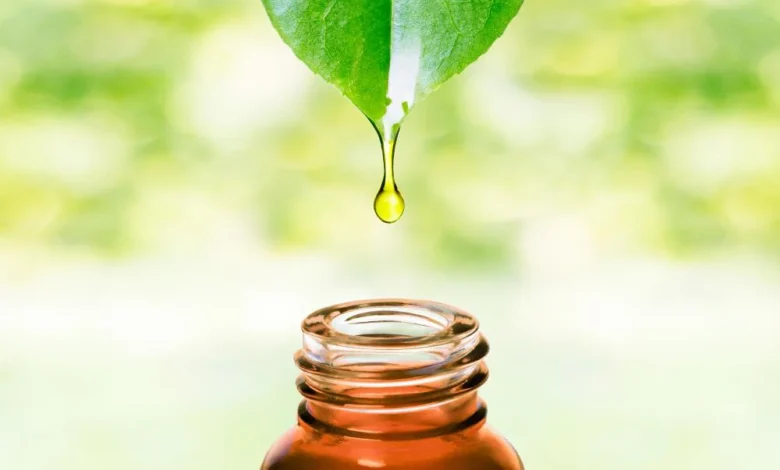
Cedarwood essential oil, derived primarily from the heartwood of the Cedrus atlantica, stands as a cornerstone in the field of botanical medicine and aromatherapy. With a chemical profile characterized by sesquiterpenes such as cedrene and thujopsene, this aromatic extract has transitioned from an ancient preservative and religious artifact to a widely utilized wellness tool in the modern era. As the global demand for plant-based therapeutics continues to expand—a market segment projected to maintain significant growth through the next decade—the application of cedarwood oil in dermatological, neurological, and holistic health sectors warrants a rigorous investigation of its chemical efficacy and historical lineage.
A Historical Chronology of Cedarwood Utilization
The historical trajectory of cedarwood oil is inextricably linked to the development of early civilization. The use of the Cedrus genus can be traced back to the Neolithic period, but its formal integration into human society became prominent during the Old Kingdom of Egypt. Archaeological evidence suggests that the resinous extracts were highly prized by Egyptian embalmers for their potent antimicrobial and antifungal properties, which were essential for the preservation of organic tissues during the mummification process.
By the classical era, the Greeks and Romans recognized the longevity of the cedar tree, associating its wood with durability and resilience. The Roman architect Vitruvius documented the use of cedar oil in the preservation of papyrus scrolls, noting that the liquid effectively deterred insect infestation—a functional application that aligns with modern studies on the oil’s natural repellent properties. Throughout the medieval period, cedarwood oil remained a staple in European apothecaries, often employed for its purported ability to soothe respiratory distress and skin ailments. This long-standing history informs contemporary usage, as the botanical compound has been subjected to modern scientific scrutiny that largely validates the empirical observations of ancient practitioners.
The Science of Extraction and Chemical Composition
The production of high-quality cedarwood essential oil is a precise industrial process involving steam distillation. The heartwood, which accumulates the highest concentration of secondary metabolites, is subjected to pressurized steam. This process ruptures the cellular membranes of the wood’s resin ducts, releasing volatile organic compounds that are subsequently condensed and separated from the aqueous byproduct.
From a biochemical perspective, the efficacy of Cedrus atlantica oil is attributed to its complex terpene profile. Research indicates that the concentration of alpha-cedrene and beta-cedrene contributes significantly to the oil’s biological activity. These compounds are known for their sedative effects on the mammalian central nervous system, as well as their capacity to modulate inflammatory pathways. Furthermore, the presence of thujopsene provides substantial antifungal and antibacterial properties, which explains the oil’s historical success as a preservative and its current popularity in topical formulations aimed at treating skin conditions like acne or eczema.
Biological Mechanisms and Human Health Implications
The therapeutic impact of cedarwood essential oil on human biology is multifaceted. When administered via aromatherapy, the inhalation of the volatile molecules triggers the olfactory system, which sends signals directly to the limbic system—the area of the brain responsible for emotional regulation and memory. Studies have suggested that the sesquiterpenes in cedarwood can induce a state of relaxation, effectively lowering heart rate and blood pressure in individuals experiencing acute stress.
In dermatological applications, the oil functions as an astringent and a skin-conditioning agent. By promoting a balanced sebum production, it helps maintain the integrity of the skin barrier. Clinical observations in integrative dermatology settings suggest that when diluted in a carrier oil—such as jojoba or almond oil—cedarwood extract can alleviate irritation caused by chronic dryness. It is important to note, however, that the potency of these compounds requires strict adherence to dilution guidelines to prevent sensitization, a common risk with highly concentrated essential oils.
Regulatory Landscape and Consumer Safety Standards
Despite the rising popularity of cedarwood oil in wellness centers and direct-to-consumer health markets, the regulatory environment remains focused on safety and labeling. In the United States, the Food and Drug Administration (FDA) classifies essential oils as cosmetics or aromatic products rather than dietary supplements, provided they are not marketed for the treatment of specific diseases. This distinction is critical for consumers: while cedarwood is widely available, it is not recommended for internal ingestion.
The medical community emphasizes that the internal consumption of essential oils carries significant risks, including the potential for hepatotoxicity or irritation of the mucous membranes. Professional bodies, such as the Alliance of International Aromatherapists, advocate for a "topical and inhalation only" approach. Industry experts recommend that consumers prioritize purchasing oils that are GC/MS (Gas Chromatography-Mass Spectrometry) tested, which ensures the purity of the product and confirms the absence of synthetic adulterants or heavy metal contamination.
Practical Guidelines for Professional and Home Use
For those incorporating cedarwood oil into a wellness regimen, safety and precision are paramount. The following guidelines are supported by industry standards for therapeutic practice:
- Topical Application: Always dilute the essential oil with a carrier oil. A standard dilution ratio is 2% (approximately 12 drops of essential oil per ounce of carrier oil). A patch test on a small area of skin, such as the inner forearm, should be conducted 24 hours prior to full application to check for allergic reactions.
- Atmospheric Diffusion: Utilizing an ultrasonic or nebulizing diffuser is an effective way to enjoy the aromatic benefits. Five to 10 drops are typically sufficient for a standard room size. It is advised to diffuse for 30–60 minutes at a time rather than continuous exposure, allowing for adequate ventilation.
- Therapeutic Baths: To utilize cedarwood in a bath, the oil must be blended with a dispersant, such as a tablespoon of high-fat milk or a bath salt, to ensure it does not sit on the surface of the water, which could cause skin irritation.
Economic and Environmental Impact
The global essential oil market, which includes cedarwood, is influenced by both agricultural sustainability and the ethics of supply chain management. Atlas cedarwood (Cedrus atlantica) is currently listed as an endangered species by the International Union for Conservation of Nature (IUCN) due to habitat loss and historical over-harvesting in its native Morocco and Algeria. Consequently, there is a growing shift toward the use of alternative species—such as Juniperus virginiana (often labeled as Virginian Cedarwood)—which are more sustainable and abundant.
The economic implications for regions producing these oils are significant, as the essential oil trade supports thousands of small-scale agricultural laborers. However, the movement toward fair-trade sourcing and sustainable harvesting practices is now a primary requirement for responsible retailers. Consumers are increasingly scrutinizing the provenance of their products, favoring brands that provide transparent reports on their harvesting techniques and reforestation efforts.
Broader Implications and Future Research
Looking ahead, the role of cedarwood oil in integrated medicine appears poised for expansion. Emerging research is beginning to explore the potential of cedarwood-derived compounds in the development of natural, non-toxic biopesticides and wood preservatives, which could reduce reliance on synthetic chemicals in residential and agricultural settings. Furthermore, as the field of neuro-aromatics evolves, more rigorous clinical trials are expected to quantify the efficacy of cedarwood in managing symptoms of generalized anxiety and sleep disorders.
In summary, cedarwood essential oil represents a unique confluence of ancient wisdom and modern analytical science. While it is not a panacea, its well-documented properties as a calming agent, skin conditioner, and antimicrobial resource make it a valuable component of a holistic health toolkit. As with all potent botanical extracts, its utility is maximized through informed, safe usage and a commitment to sourcing products that respect both the consumer and the environmental systems from which these oils originate. By maintaining a balance between historical tradition and evidence-based safety standards, users can continue to benefit from this profound botanical legacy in a way that is both effective and sustainable.