BPOM Mobilizes Indonesian Public as Nation’s Extended Vigilance Network Against Illegal Products


Jakarta, July 22, 2026 – The Indonesian Food and Drug Authority (BPOM) has officially launched a groundbreaking initiative to significantly enhance its oversight capabilities by actively involving the entire Indonesian populace in monitoring the circulation of illegal drugs, food, and cosmetics. Speaking at the CNN Indonesia Wellnest Festival Vol. 2 held at the South Quarter Dome in Cilandak, South Jakarta, BPOM Head Taruna Ikrar underscored the critical need for this expanded vigilance, citing the unprecedented speed at which products, both legitimate and illicit, now traverse digital marketplaces and social media platforms. This strategic shift marks a pivotal moment in Indonesia’s efforts to safeguard public health and consumer rights, transforming every citizen into a potential sentinel against dangerous and unregulated goods.
The initiative, formally backed by BPOM Regulation Number 16 of 2025 concerning Public Participation in Supervision, recognizes that traditional, centralized regulatory frameworks are increasingly outmatched by the dynamic and pervasive nature of online commerce. "BPOM must become smarter. Our intelligent approach involves engaging the entire community to assist us in supervision," stated Ikrar, emphasizing a paradigm shift from a limited number of state inspectors to a vast network of informed citizens. This new regulation provides the legal bedrock for public involvement, empowering individuals to report suspicious activities without fear, ensuring a robust and responsive system capable of adapting to the rapid evolution of digital trade. The agency’s vision is ambitious: to transform Indonesia’s estimated 290 million residents into an extended, omnipresent force of public health guardians.
The Digital Deluge: A New Frontier for Illegal Products
The rapid expansion of e-commerce in Indonesia has undeniably brought convenience and economic opportunities, yet it has simultaneously opened new avenues for the proliferation of illegal and counterfeit products. Reports from various consumer protection agencies consistently highlight the alarming rate at which unregulated items, ranging from unverified pharmaceuticals and health supplements to dangerously formulated cosmetics and adulterated food products, penetrate the market through online channels. According to data from the Indonesian E-commerce Association (idEA), online retail transactions in Indonesia have witnessed exponential growth, with projections indicating continued double-digit increases annually. While this growth signifies a vibrant digital economy, it also presents an enormous regulatory challenge. The sheer volume of transactions and the anonymity often afforded by online platforms make it exceedingly difficult for a centralized agency like BPOM, with its finite resources, to police every digital storefront effectively.
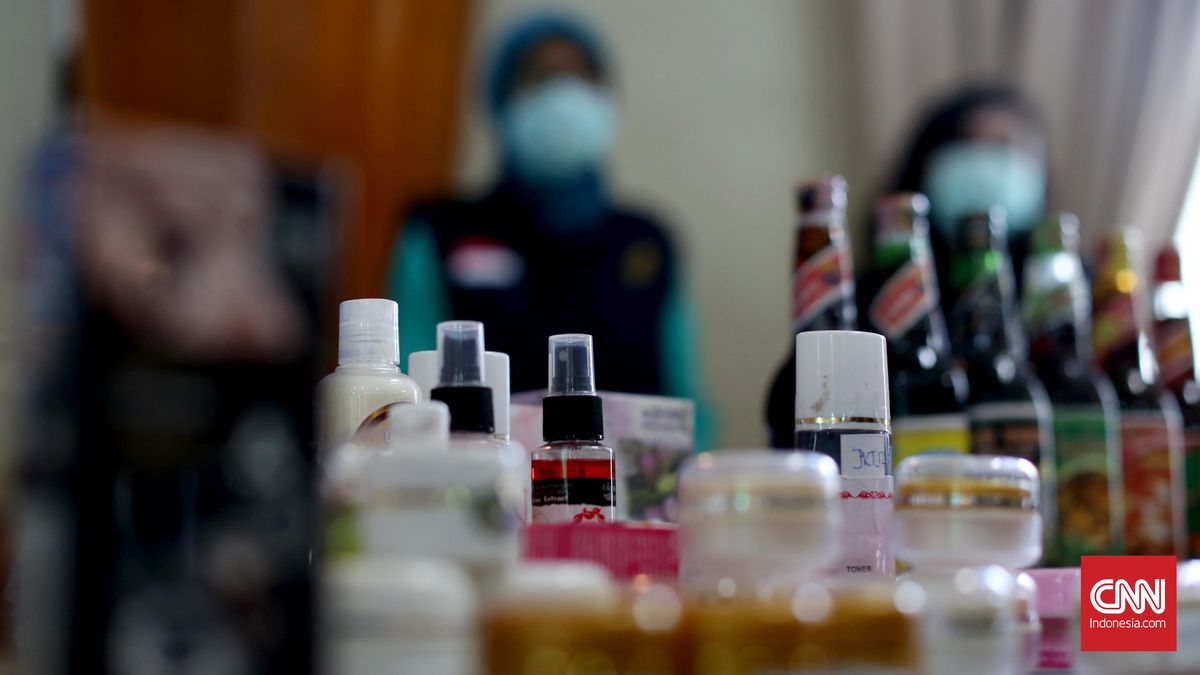
Prior to this expanded public participation model, BPOM relied primarily on proactive market surveillance, intelligence gathering, and reactive investigations based on consumer complaints or tip-offs. While these methods yielded significant results, leading to numerous seizures of illicit goods and legal actions against perpetrators, the scale of the problem demanded a more comprehensive and agile solution. Traditional oversight, which often involves physical inspections and laboratory testing, struggles to keep pace with products that can appear and disappear from online listings within hours, or be shipped directly from unverified sources. The agency has frequently reported seizures of products containing harmful substances such as mercury in skin-lightening creams, unapproved food additives, or pharmaceutical ingredients in herbal remedies, posing severe health risks from organ damage to cancer. This backdrop underscored the urgent necessity for BPOM to innovate its supervisory mechanisms, moving beyond conventional methods to embrace a more collaborative, community-driven approach.
Empowering Citizens: The Mechanism of Collective Vigilance
At the core of BPOM’s new strategy is the belief that an informed and engaged public is the most potent deterrent against illegal product circulation. Taruna Ikrar articulated that the digital age, while accelerating the spread of illicit goods, also provides the tools for collective counter-action. "Technology is fast, digital information is developing extraordinarily, marketplaces are growing tremendously, making it difficult for us to distinguish what is real and what is not," he remarked. This difficulty necessitates a collective effort, where every smartphone becomes a potential investigative tool, and every internet user a potential reporter.
BPOM has committed to providing accessible and secure channels for reporting. While the specifics of the new reporting platform were not fully detailed at the festival, Ikrar assured the public that mechanisms are being developed to make the process as straightforward as possible. Crucially, the agency pledges full protection for individuals who report suspected violations. "If there is, for example, an illegal product, the public can certainly report it. Report it to us to be protected by BPOM, because indeed reporting is protected by us," he affirmed. This assurance of protection is vital to encourage participation, addressing potential fears of retaliation or legal complications for whistleblowers. The vision is clear: to democratize oversight, transforming the regulatory burden from a select few to a collective responsibility, thereby exponentially increasing the reach and effectiveness of BPOM’s monitoring efforts. The idea is to tap into the collective intelligence and vigilance of the Indonesian population, turning every citizen into an active participant in maintaining public safety.
Streamlining Communication and Fostering Mutual Oversight
A significant innovation highlighted by Taruna Ikrar is the commitment to breaking down bureaucratic barriers to ensure swift action on public reports. He acknowledged the often-protracted nature of traditional bureaucratic processes, stating, "If we follow bureaucracy, it might take five to six months to reach me. But by opening myself up, with this model of public participation, communication with the Head of BPOM can happen in a matter of seconds." This commitment to direct and immediate communication with the highest levels of the agency is designed to drastically cut down response times, enabling faster investigations and interventions.
This direct line of communication is also intended to foster a system of "saling mengawasi" or mutual oversight. "So, we supervise each other. The head supervises his subordinates, his subordinates are supervised by the head, but not only the head. All members of the community here also participate in supervising," Ikrar explained. This multi-layered accountability is expected to enhance transparency, minimize complacency, and ensure that reports are not only received but also acted upon efficiently and effectively. While acknowledging that such an open system would inevitably lead to a high volume of daily reports, Ikrar views this not as a burden, but as an essential component of maintaining product safety and quality across Indonesia. The goal is to build a self-regulating ecosystem where vigilance is decentralized but coordinated, leading to a more robust and adaptive regulatory environment.
Implications for Public Health, Industry, and E-commerce
The implementation of BPOM’s enhanced public participation model carries significant implications across various sectors. For public health, the most direct benefit is the anticipated reduction in the availability of harmful and illegal products. With millions of eyes on the market, the chances of dangerous goods slipping through the cracks diminish significantly, leading to improved consumer safety and a healthier populace. This initiative aligns with broader public health objectives of preventive care and risk mitigation.
For legitimate businesses in the food, drug, and cosmetic industries, this initiative is expected to level the playing field. Illegal products often bypass regulatory costs, taxes, and quality control measures, allowing them to offer cheaper alternatives that unfairly compete with compliant manufacturers. By curbing the circulation of illicit goods, BPOM helps foster a fairer market environment where businesses that adhere to regulations can thrive without being undermined by unscrupulous operators. Industry associations are expected to welcome such measures, as they protect their members’ reputation and the integrity of their respective sectors.
E-commerce platforms face increased responsibility under this new paradigm. While not explicitly stated, the expectation is that online marketplaces will need to enhance their own seller verification processes, implement stricter listing policies, and collaborate more closely with BPOM to remove reported illegal products swiftly. This could involve developing more sophisticated AI-driven monitoring tools and strengthening their internal content moderation teams to identify and delist non-compliant products reported by the public. Such collaboration is crucial for the success of BPOM’s initiative, as e-commerce platforms are the primary conduits for much of the illegal trade.
Challenges and Future Outlook
While the vision of 290 million public supervisors is ambitious and promising, its implementation will undoubtedly present challenges. The sheer volume of reports could overwhelm BPOM’s processing capacity, necessitating robust IT infrastructure and dedicated personnel for triage and verification. Ensuring the accuracy and veracity of reports will also be critical; mechanisms must be in place to filter out malicious or unfounded claims to prevent unnecessary investigations and potential reputational damage to legitimate businesses. Furthermore, maintaining public trust and engagement over the long term will require consistent communication, transparent reporting on actions taken, and demonstrable impact. Educating the public on how to identify illegal products and utilize the reporting mechanisms effectively will also be an ongoing endeavor.
Despite these challenges, BPOM’s proactive move to democratize product oversight represents a forward-thinking approach to modern regulatory challenges. It underscores a growing global trend towards leveraging collective intelligence and digital tools to address complex societal problems. This initiative not only empowers Indonesian citizens but also positions BPOM as a leader in adapting regulatory strategies to the realities of the digital age. By fostering a culture of shared responsibility and mutual oversight, Indonesia aims to build a more secure and trustworthy marketplace, ensuring the health and well-being of its vast population for years to come. The success of this endeavor will hinge on sustained public engagement, effective inter-agency collaboration, and BPOM’s unwavering commitment to its innovative, citizen-centric regulatory model.