Decoding the Immune Breakdown: How Cellular Dysfunction Stalls Diabetic Wound Healing and Ignites a Global Healthcare Crisis

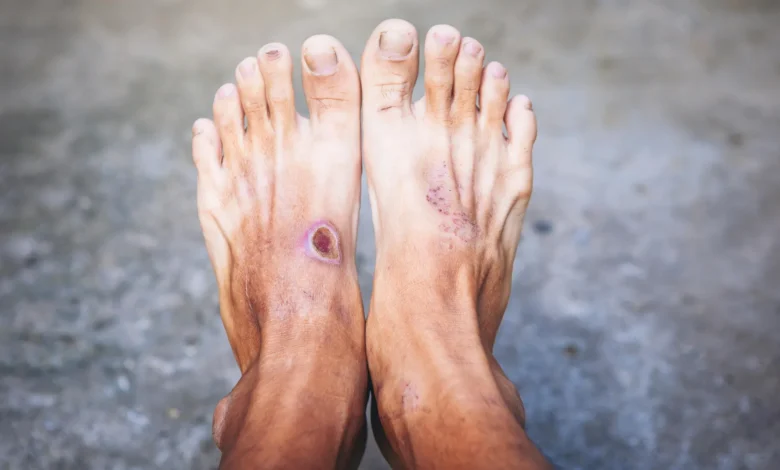
Chronic diabetic ulcers represent one of the most formidable and stubborn clinical challenges in contemporary medicine, exacting a staggering toll on both global populations and healthcare infrastructure. More than 131 million individuals worldwide currently struggle with these persistent, non-healing wounds, which are intrinsically tied to roughly $755 billion in annual direct and indirect healthcare expenditures. Beyond the massive economic burden, these lesions carry catastrophic personal risks, including severe infections, extensive tissue necrosis, lower-limb amputations, and elevated mortality rates. Despite decades of advancement in endocrinology and wound care, the fundamental cellular mechanisms that render diabetic wounds uniquely resistant to conventional therapies have remained stubbornly difficult to map.
To address this critical knowledge gap, a comprehensive new scientific review led by Yi Ru and a team of multi-disciplinary researchers has meticulously charted the shifting landscape of immune cells throughout the various stages of diabetic wound progression. Published to shed light on why these injuries fail to transition from inflammation to repair, the study provides a microscopic look at the intricate web of immune populations—ranging from frontline neutrophils to adaptive T and B lymphocytes—and details how systemic hyperglycemia corrupts their normal temporal choreography.
The Chronology of Injury and the Breakdown of Cellular Transitions
To understand why diabetic wounds fail, researchers must first look at the precisely timed biological cascade of normal cutaneous wound healing. Under healthy conditions, tissue injury instantly triggers a predictable, overlapping sequence divided into hemostasis, inflammation, proliferation, and tissue remodeling. Each of these distinct phases relies on a specialized influx and retirement of various immune cell populations. In a normal wound, inflammation is sharp, acute, and self-limiting; it clears cellular debris and pathogens before gracefully giving way to tissue rebuilding.
In the setting of diabetes, however, this chronology is profoundly disrupted. High blood glucose levels, chronic oxidative stress, and impaired microvascular circulation lock the wound environment in a pathological state of arrested development. Rather than progressing smoothly through the healing phases, diabetic ulcers become chronically trapped in a prolonged, destructive inflammatory phase.
Yi Ru’s comprehensive review emphasizes that previous medical literature often examined immune cells as static entities, overlooking how these populations must dynamically evolve over days and weeks. By synthesizing recent discoveries, the review demonstrates that virtually every major branch of the innate and adaptive immune systems behaves aberrantly in diabetic microenvironments, creating a cellular bottleneck that halts tissue regeneration.
Monocytes, Macrophages, and the Pro-Inflammatory Trap
At the heart of the immune response to tissue trauma are monocytes and macrophages, cells that have long been recognized as master regulators of healing. During normal tissue repair, circulating monocytes migrate into the wound site, where they differentiate into macrophages. Historically characterized through the M1/M2 polarization model, these macrophages undergo a critical transition: they begin as pro-inflammatory M1 phenotypes—designed to fight off invading bacteria and clear out dead cells—and subsequently shift toward pro-reparative M2 phenotypes, which dampen inflammation, secrete growth factors, and stimulate angiogenesis and extracellular matrix deposition.
In diabetic wounds, this vital polarization switch frequently breaks down. Macrophages become chronically stuck in the destructive, pro-inflammatory M1 state. Instead of clearing the path for tissue repair, these trapped macrophages continuously release inflammatory cytokines and reactive oxygen species, steadily widening the zone of tissue damage and preventing keratinocytes and fibroblasts from closing the wound gap.
The review underscores that this macrophage dysfunction is not an isolated event; it is actively reinforced by the erratic behavior of other innate immune cells that arrive earlier or linger longer at the injury site.
Neutrophils and Mast Cells as Engines of Chronic Inflammation
Neutrophils represent the absolute vanguard of the immune response, rushing to the site of trauma within minutes to neutralize pathogens through phagocytosis and the release of antimicrobial granules. However, in diabetic patients, this acute response turns hyper-reactive and destructive.
A key finding highlighted in the review is the dysregulation of neutrophil extracellular traps (NETs)—web-like structures of DNA and antimicrobial proteins normally deployed to trap microbes. In diabetic wounds, NET formation becomes poorly controlled, leading to the excessive accumulation of proteases and reactive oxygen species that degrade healthy extracellular matrix proteins and relentlessly batter surviving tissue cells.
Concurrently, mast cells—traditionally known for their roles in allergic reactions—are heavily involved in regulating vascular permeability and recruiting secondary immune cells through the release of histamine, serotonin, and various growth factors. The review notes that mast cell degranulation is profoundly altered in chronic diabetic ulcers. Their hyper-activation and sustained presence in the wound bed actively contribute to the perpetuation of chronic inflammation, preventing the microvasculature from stabilizing and maturing.
Dendritic Cell Impairment and the Accumulation of Cellular Debris
Beyond immediate responders, the immune system relies on professional antigen-presenting cells to bridge innate and adaptive immunity. Dendritic cells in the dermis and specialized Langerhans cells in the epidermis normally patrol tissues, capturing foreign antigens and clearing apoptotic (dead) cells through a precise physiological process known as efferocytosis.
Recent clinical and experimental evidence reviewed by Ru and colleagues indicates that dendritic cells in diabetic wounds suffer from a severe deficit in efferocytosis. When apoptotic cells are left uncollected, they undergo secondary necrosis, spilling intracellular contents into the extracellular matrix and continuously triggering endogenous inflammatory signals.
At a molecular level, the review points to the SLC7A11 transporter as a critical regulator of this deficit. Under hyperglycemic conditions, the expression and activity of SLC7A11 are downregulated, directly impairing dendritic cell survival and function. This metabolic bottleneck prevents the timely clearance of cellular debris, effectively signaling to the surrounding immune network that the danger has not passed, thereby locking the wound in a permanent state of alarm.
T Cells, B Cells, and Natural Killer Cells in Tissue Repair
While innate cells dominate the early phases of injury, adaptive immune cells—specifically T and B lymphocytes—play a vital regulatory role in resolving inflammation and orchestrating long-term tissue remodeling. Unfortunately, diabetes compromises these populations as well.
Regulatory T cells (Tregs), which normally function as the immune system’s peacekeepers by suppressing excessive inflammation and secreting tissue-repair cytokines, are characteristically diminished in both number and functional capacity within diabetic ulcers. Their absence removes a crucial brake on the inflammatory response.
Similarly, specialized dermal populations such as dendritic epidermal T cells (DETCs), which are a unique subset of gamma-delta ($gammadelta$) T cells residing in the skin, exhibit reduced activation and suppressed cytokine production under diabetic stress. Normally, DETCs secrete insulin-like growth factor 1 (IGF-1) and other keratinocyte-stimulating factors that physically drive wound closure. Their functional exhaustion in diabetes severely retards re-epithelialization.
Interestingly, the review sheds light on less-studied adaptive players: B cells and natural killer (NK) cells. Emerging data suggest that B cells can directly influence macrophage polarization, with certain B cell subsets promoting the beneficial M2 repair phenotype when recruited correctly. Natural killer cells similarly modulate inflammation and vascularization through delicate cytokine crosstalk. Understanding these nuances opens entirely new avenues for immunomodulatory interventions.
Transforming Insights into Targeted Immunotherapies
The translation of these cellular insights from the bench to the bedside represents a paradigm shift in wound care. For decades, standard treatment for diabetic foot ulcers centered largely on mechanical off-loading, aggressive debridement, glycemic control, and topical antimicrobial dressings. While essential, these measures do little to correct the underlying immune dysfunction driving the chronicity of the wound.
By mapping out the specific cellular failures across different healing stages, researchers are now designing a sophisticated array of targeted immunotherapies. Among the most promising interventions highlighted in the review are:
- Topical Anti-Cytokine Biologics: Engineered proteins designed to neutralize persistent inflammatory signaling molecules directly within the wound bed, breaking the cycle of chronic inflammation.
- Macrophage-Reprogramming Drugs: Pharmacological agents and nanoparticle carriers specifically formulated to force stalled M1 macrophages to transition into pro-reparative M2 phenotypes, thereby kickstarting tissue regeneration.
- Mesenchymal Stem Cell (MSC) Therapies: Utilizing stem cells and their derived extracellular vesicles to deliver broad, systemic, and local immune-modulating signals that restore cellular homeostasis.
- Advanced Biomaterials and Smart Dressings: Responsive delivery systems capable of releasing immune-modifying drugs sequentially, matching the changing cellular needs of the wound over time.
- Cutting-Edge Bio-Engineering: Innovations such as Janus liposozyme technologies to restore local redox balance and immune equilibrium, alongside IL-15 superagonists engineered to selectively boost the flagging activity of dendritic epidermal T cells.
The Imperative of Temporal Precision and Personalized Medicine
As the therapeutic pipeline expands, the authors of the review issue an important caveat: successful treatment will rely as much on timing as it does on target selection. Because a diabetic wound progresses through distinct microenvironments during its inflammatory, proliferative, and remodeling phases, a therapeutic agent that yields miraculous results during the early inflammatory phase could prove detrimental if applied during the late remodeling phase.
Consequently, the future of diabetic ulcer management is projected to move toward precision medicine. Experts envision the implementation of routine immune profiling—biopsying or analyzing wound exudate to assess the exact ratio of immune cell populations present in an individual patient at a given moment. This diagnostic approach would allow clinicians to deploy combination therapies tailored precisely to the wound’s current biological state.
Broader Economic and Public Health Implications
The publication of this comprehensive review arrives at a critical juncture for global health systems. With the global prevalence of type 2 diabetes continuing its upward trajectory—driven by shifting demographics, lifestyle factors, and urbanization—the incidence of chronic diabetic complications is projected to rise sharply over the coming decades.
Without revolutionary treatments, the financial strain on national healthcare programs, such as Medicare in the United States and universal health systems across Europe and Asia, will continue to mount. Beyond dollars and cents, the human cost—measured in chronic pain, loss of mobility, prolonged hospitalizations, and premature loss of life—demands an aggressive shift in how modern medicine approaches diabetic wound care.
By reframing chronic diabetic ulcers not merely as structural skin failures, but as complex immunological disorders, Yi Ru and fellow researchers have provided a vital roadmap for pharmaceutical developers, bioengineers, and clinical practitioners. If these emerging immunomodulatory strategies successfully transition into clinical practice, millions of patients worldwide may soon find relief from one of medicine’s most stubborn afflictions, fundamentally altering the prognosis of life with diabetes.
Related posts: