New UC San Diego Study Uncovers Hidden Biological Pathway for High Cholesterol and Identifies Potential Existing Drug for Treatment

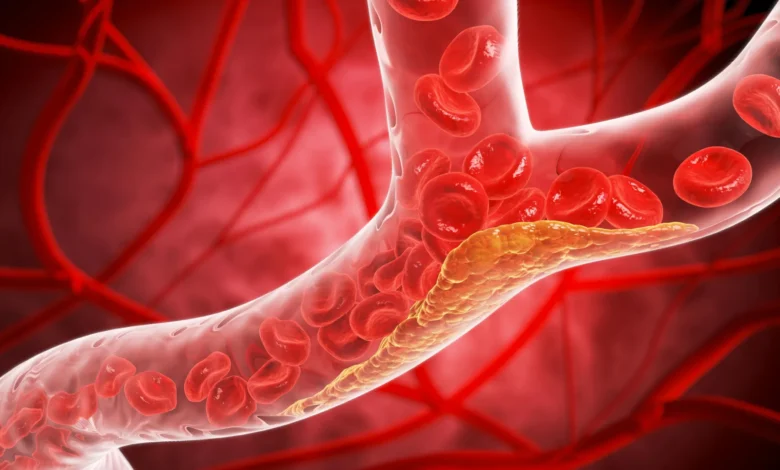
Heart disease, largely driven by chronically elevated low-density lipoprotein (LDL) cholesterol, remains the single greatest global health challenge of the twenty-first century. According to the World Health Organization and the Centers for Disease Control and Prevention, cardiovascular conditions account for millions of deaths worldwide annually, imposing staggering burdens on healthcare infrastructure and public economies alike. Despite decades of pharmacological innovation—marked by the widespread clinical adoption of statins, ezetimibe, and PCSK9 inhibitors—a substantial percentage of the patient population remains unable to achieve target lipid levels. For others, debilitating myalgias, hepatic enzyme elevations, and other adverse side effects severely limit compliance or force the absolute discontinuation of standard-of-care regimens.
In this medical landscape, a team of researchers at the University of California San Diego School of Medicine has unveiled a breakthrough discovery that could fundamentally transform how modern medicine understands and treats hypercholesterolemia. Published in the prestigious journal Nature, the study details a previously unknown biological pathway that links high-fat, high-cholesterol diets to the progressive, physiological degradation of the body’s natural lipid-clearing mechanisms. More crucially, the investigation has pointed toward an experimental pharmacological compound that has already cleared early-stage human safety evaluations, opening a viable, expedited pathway toward clinical translation and alternative therapeutic development.
The Central Role of Hepatic LDL Clearance in Cardiovascular Health
To fully comprehend the significance of the UC San Diego breakthrough, one must examine the baseline mechanisms of human lipid metabolism. The human liver acts as the ultimate clearinghouse for circulating cholesterol. Operating as a metabolic engine, the liver extracts low-density lipoprotein cholesterol from the systemic bloodstream, processing it and breaking it down into component molecules or excreting it safely through biliary pathways.
At the cellular level, this vital extraction process depends entirely on the presence and density of specialized structures known as LDL receptors. These receptors populate the plasma membrane of hepatocytes, functioning much like molecular docking stations. As blood flows through the hepatic sinusoids, these receptors recognize and bind circulating LDL particles, engulfing them via receptor-mediated endocytosis. Once internalized, the cholesterol cargo is systematically dismantled, effectively lowering the circulating concentrations of atherogenic lipids that would otherwise contribute to plaque accumulation, arterial stiffness, atherosclerosis, myocardial infarctions, and ischemic strokes.
The therapeutic equation is remarkably straightforward in its mechanics: the greater the number of available LDL receptors on the surface of liver cells, the higher the volume of harmful cholesterol that can be continuously cleared from the bloodstream. This foundational physiological principle underpins nearly all contemporary lipid-lowering pharmacotherapy. Statins operate primarily by upregulating hepatic LDL receptor expression through the inhibition of HMG-CoA reductase, while newer PCSK9 inhibitors prevent the enzymatic degradation of these receptors, thereby preserving their surface density. However, because these established classes of medications rely on specific metabolic checkpoints, patients who experience resistance, non-responsiveness, or physiological intolerance are left with critically limited clinical options.
Unraveling a Hidden Metabolic Mechanism
The newly identified pathway addresses a long-standing epidemiological and clinical paradox: why do diets chronically rich in saturated fats and exogenous cholesterol progressively impair the liver’s innate capacity to clear lipids, even independently of standard genetic predispositions?
Led by senior author Dr. Alan Saltiel, professor of medicine at UC San Diego School of Medicine and director of the UC San Diego/UCLA Diabetes Research Center, the research team deployed advanced cellular and murine models to track the intracellular signaling cascades triggered by high-cholesterol consumption. The investigation revealed an intricate, multi-step biological mechanism that directly undermines hepatic receptor availability over time.
The process is initiated by a protein known as Ral. Dr. Saltiel had previously studied the behavior and functional profile of Ral proteins within adipose tissue, but its critical involvement in hepatic lipid handling had remained completely unrecognized. The new data demonstrates that the ingestion and cellular accumulation of high levels of dietary cholesterol abnormally activate the Ral protein. Once stimulated, Ral sets off a deleterious signaling cascade that ultimately results in the systematic depletion of functional LDL receptors on the surface of hepatocytes.
As the activation of Ral increases, the cellular machinery accelerates the loss of these critical docking stations. Without adequate receptor density, the liver’s clearance efficiency plummets, causing circulating LDL levels to rise unchecked.
Digging deeper into this intracellular cascade, the researchers isolated another essential enzymatic driver: cathepsin A (CTSA). This specific enzyme acts as an operational catalyst, heavily facilitating the pathway responsible for the destruction and depletion of the LDL receptors. To test the hypothesis, the research team introduced a targeted small-molecule inhibitor designed specifically to block cathepsin A activity. The laboratory results were both immediate and striking: upon the inhibition of CTSA, the hepatic LDL receptors exhibited significantly enhanced stability, and circulating plasma LDL cholesterol levels in murine models dropped dramatically.
A Divergent Therapeutic Target for Treatment-Resistant Patients
The discovery of the Ral-CTSA pathway carries profound implications for clinical pharmacology because it operates entirely outside the traditional mechanisms exploited by current medications. While statins focus on cholesterol synthesis inhibition and PCSK9 inhibitors block receptor recycling degradation via extracellular antibody binding, the newly discovered pathway targets an intracellular degradative signaling axis.
This clear pharmacological distinction makes the pathway an ideal candidate for addressing unmet medical needs, particularly among patients who fail to reach safe lipid thresholds using standard therapies.
"We’ve known for a long time that a high-cholesterol diet reduces the liver’s ability to clear cholesterol from the blood, but we didn’t fully understand why," Dr. Saltiel explained in a statement accompanying the release of the findings. "This new discovery explains a critical piece of that puzzle… This new pathway we discovered is completely separate from anything that existing drugs target, so it gives us a new opportunity to fill that gap."
Cardiologists, endocrinologists, and clinical pharmacologists monitoring the study have echoed these sentiments, noting that combinatorial therapies utilizing traditional statins alongside a novel CTSA inhibitor could potentially offer a multi-pronged approach for patients suffering from severe familial hypercholesterolemia or advanced cardiovascular disease refractory to mono-therapies.
Accelerated Clinical Development via Repurposed Compounds
Typically, the discovery of an entirely novel biological target initiates a notoriously arduous, expensive, and protracted drug development timeline. From target validation and high-throughput screening to lead compound optimization, preclinical toxicology, and Investigational New Drug (IND) applications, the journey from basic bench science to human clinical trials routinely spans a decade or more.
In a fortunate twist of translational serendipity, however, the UC San Diego research team may have bypassed the earliest and most hazardous phases of this pipeline.
Before the Ral-CTSA pathway was linked to cholesterol metabolism, pharmaceutical researchers had independently developed and investigated a specific CTSA inhibitor compound. This experimental medication had originally been synthesized and evaluated as a potential therapeutic candidate for the treatment of heart failure. Although that specific clinical program was ultimately shelved and discontinued by its original sponsors for strategic, non-safety-related portfolio reasons, the molecule had already successfully completed a Phase 1 clinical trial.
During this earlier Phase 1 evaluation, the experimental CTSA inhibitor underwent rigorous human safety testing, pharmacokinetic profiling, and tolerability assessments. Because safety data in human subjects has already been established, researchers believe the compound could potentially leapfrog traditional preclinical hurdles.
Rather than engineering a new molecule from scratch, the academic team is now positioned to investigate whether this pre-existing, shelf-resting asset can be repurposed to target the newly discovered cholesterol clearance pathway. Plans are currently underway to design a Phase 2 clinical trial aimed at evaluating the efficacy, optimal dosing windows, and lipid-lowering capacity of the compound in human patients.
While scientific caution dictates that preliminary murine and cellular data must be rigorously validated through controlled human trials before any clinical efficacy can be guaranteed, the historical safety data dramatically alters the temporal horizon of the research.
"Luckily, there’s an experimental drug sitting on the shelf that’s already been shown to be safe in humans," Dr. Saltiel noted. "We hope to test whether this might be effective by conducting a clinical trial—which could potentially bring a new treatment option to patients much sooner than would have been expected."
Collaborative Research Network and Institutional Support
The breadth and complexity of the study reflect a massive, multi-institutional collaborative effort spanning several premiere academic medical centers across the United States. The published findings in Nature list a diverse cohort of co-authors, highlighting the integration of geneticists, cellular biologists, endocrinologists, and pharmacologists.
Alongside the core investigative team at the UC San Diego School of Medicine—which included Xue Feng, Shuo Zhang, Yuqi Wang, Twisha Kurlagunda, Allyssa Sit, Sadatsugu Sakane, Se Yong Park, Churaibhon Wisessaowapak, Kaylee Nguyen, Jamie Yan, Himani Pothulu, Catherine Dinh, Felicia Chu, Yuyao Ren, Bichen Zhang, Patrick Secrest, Chao-Wei Hung, Preethi Veeragandham, Yuliya Skorobogatko, Tatiana Kisseleva, and Amit R. Majithia—the paper featured critical contributions from external research institutions.
Partners from the University of California, San Francisco (including Priya Jaishankar, Pusu Yang, and Adam Renslo) contributed chemical biology expertise; researchers from the University of Texas Health Science Center at San Antonio (Linmeng Han and Peng Zhao) aided in metabolic tracking; and Philip L.S.M. Gordts from the University of Utah provided vital specialized analyses regarding lipid handling and receptor dynamics.
Financial support for the investigation was provided by competitive grants from the National Institutes of Health, specifically under award numbers P30DK063491, R01DK117551, R01DK128796, and R01DK135289. Additional specialized backing was supplied via an American Diabetes Association postdoctoral fellowship (grant 1-25-PDF-76), underscoring the deep metabolic intersection between lipid homeostasis, cardiovascular pathology, and endocrine disorders like diabetes.
Broader Implications for Global Cardiovascular Medicine
As the global burden of metabolic and cardiovascular diseases continues to scale alongside shifting dietary trends and aging populations, the imperative for innovative pharmacotherapy has never been more urgent. The identification of the Ral-CTSA signaling axis represents a foundational shift in how medical science conceptualizes the cellular damage wrought by dietary lipids.
By demonstrating that high-cholesterol intake actively subverts the liver’s architectural integrity through specific protein activation and enzymatic degradation, the UC San Diego team has illuminated a precise molecular target. Should subsequent Phase 2 clinical trials confirm that the repurposed cathepsin A inhibitor can safely and effectively stabilize LDL receptors and reduce circulating cholesterol in human patients, the discovery could herald a new era in preventative cardiology.
For millions of patients worldwide who struggle daily against the physical constraints of treatment-resistant hypercholesterolemia or the adverse toll of legacy medications, this laboratory breakthrough offers a tangible, scientifically grounded beacon of hope. What began as a foundational inquiry into cellular signaling has ultimately converged with translational medicine, transforming an overlooked chemical compound into a premier candidate for the next generation of life-saving cardiovascular therapeutics.
Related posts: