Emerging research from the Netherlands has unveiled a potential dietary strategy for combating age-related cognitive decline, suggesting that a modest, daily inclusion of peanuts in one’s diet may significantly enhance the brain’s responsiveness to insulin. Conducted by a team at the Maastricht University Medical Center’s Institute of Nutrition and Translational Research in Metabolism (NUTRIM), the study provides compelling evidence that the nutritional profile of peanuts may offer a protective mechanism for brain regions critical to memory and cognitive function. These findings, published in the peer-reviewed journal Food & Function, represent a significant intersection between metabolic health and neurology, offering a non-pharmacological approach to supporting long-term brain vitality.
The Critical Role of Insulin in Neurological Health
While insulin is ubiquitously associated with glucose metabolism and diabetes management, its influence extends far beyond the pancreas. Within the complex architecture of the human brain, insulin acts as a neuromodulator, playing a foundational role in the survival, growth, and synaptic communication of neurons. Efficient insulin signaling is vital for maintaining the plasticity of brain cells—the ability of the brain to adapt, learn, and store new information.
As individuals advance in age, the brain often exhibits a decline in its sensitivity to insulin, a phenomenon frequently termed "brain insulin resistance." This reduction in sensitivity is not merely a metabolic curiosity; it has been increasingly linked by researchers to age-related cognitive impairment and the progression of neurodegenerative conditions, including Alzheimer’s disease. By improving the brain’s ability to utilize insulin, researchers hope to mitigate the structural and functional decay that characterizes the aging process.
Chronology of the Maastricht Research Program
The study, led by Associate Professor Dr. Peter J. Joris and Ph.D. candidate Lucia Kerkhof, utilized a rigorous randomized, controlled crossover trial design to isolate the impact of peanut consumption. The investigation involved 31 healthy participants, ranging in age from 60 to 75. Over the course of 16 weeks, participants were tasked with consuming 60 grams—roughly two servings—of unsalted, skin-roasted peanuts daily.
The study was structured into distinct phases: a 16-week intervention period followed by a control period (or vice versa, given the crossover nature), during which participants strictly avoided peanut consumption. This design allowed researchers to observe the same individuals under both conditions, effectively controlling for individual variability in genetics and baseline health.
This recent publication builds upon foundational data reported by Dr. Joris earlier in 2025. In that initial investigation, the research team established that a 16-week regimen of peanut consumption led to a 3.6% increase in overall cerebral blood flow (CBF). Furthermore, the participants in the 2025 study demonstrated a 5.8% improvement in verbal memory performance. Together, these two studies provide a cohesive narrative: by improving blood flow and enhancing insulin sensitivity, peanuts may act as a multi-modal dietary intervention for cognitive health.
Sophisticated Methodologies in Neuroimaging
A defining characteristic of the NUTRIM study was the reliance on high-precision imaging technology to quantify subtle physiological changes. The researchers employed arterial spin labeling magnetic resonance imaging (ASL-MRI). Unlike standard MRI scans that provide structural imagery, ASL-MRI acts as a functional tool, mapping the perfusion of blood into specific brain tissues. By observing how cerebral blood flow reacted to insulin administered intranasally, the team could precisely measure the insulin responsiveness of the right hemisphere.
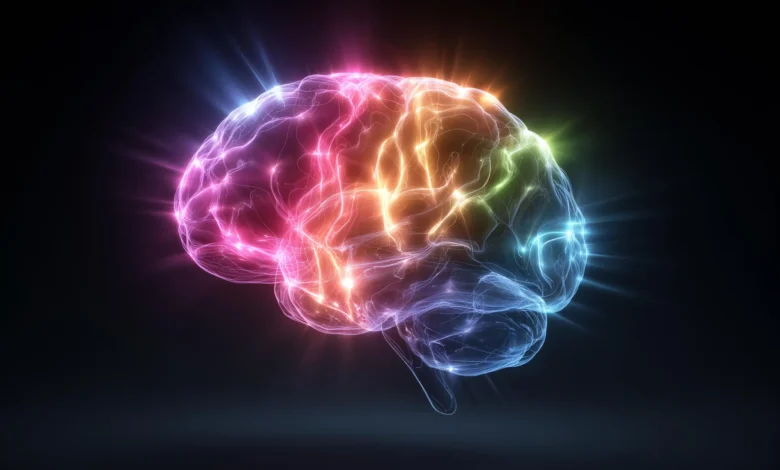
The results were statistically significant. Following the 16-week peanut regimen, researchers noted improved insulin sensitivity in several key areas, most notably the lingual gyrus, the hippocampus, the parahippocampal gyrus, and the posterior cingulate gyrus. These regions serve as the "hard drive" of the human experience, facilitating the encoding and retrieval of memories.
Beyond neurological assessments, the team also performed abdominal MRI scans to monitor intrahepatic lipid (IHL) content—or fat accumulation in the liver. This allowed the researchers to ensure that the systemic health of the participants remained stable throughout the study, reinforcing that the observed cognitive benefits were not merely secondary to general weight loss or metabolic shifts, but potentially direct results of the nutrients provided by the peanuts.
Nutritional Synergy: The "Whole Food" Hypothesis
When asked about the mechanism behind these improvements, Dr. Joris emphasized that no single "superfood" nutrient is likely responsible. Instead, he points to a synergistic effect of the peanut’s complex nutritional profile. Peanuts are nutrient-dense, providing a unique combination of unsaturated fatty acids, dietary fiber, vitamins, and minerals.
Of particular interest to the research team is the presence of L-arginine, a semi-essential amino acid found in high concentrations in peanuts. L-arginine serves as a precursor to nitric oxide (NO), a molecule that induces vasodilation—the widening of blood vessels. By facilitating better blood flow, L-arginine ensures that oxygen and essential nutrients are delivered more efficiently to the brain’s demanding neural networks. Additionally, the bioactive phytochemicals present in the peanut skin may exert antioxidant effects, reducing oxidative stress in the brain, which is a known driver of neuronal death.
Operational Rigor and Participant Compliance
To ensure the integrity of the data, the researchers maintained a highly controlled environment. Participants were provided with pre-measured packets of skin-roasted peanuts, eliminating the variables associated with self-reporting or variations in product quality.
The flexibility allowed in consumption—whether eaten in the morning, afternoon, or incorporated into meals—was designed to ensure long-term compliance. By allowing participants to integrate the peanuts into their natural dietary habits, the study mimicked real-world conditions while maintaining the rigorous oversight required for a clinical trial. The crossover methodology further mitigated the "placebo effect" or the influence of seasonal changes, as every participant acted as their own baseline control.
Implications for Public Health and Future Research
The implications of these findings are substantial. With the global population rapidly aging, the prevalence of cognitive decline is expected to surge, placing an unprecedented burden on healthcare systems. While pharmaceuticals are currently the primary target for treating cognitive impairment, they often come with significant side effects and accessibility challenges. A dietary intervention, if validated by further, larger-scale studies, could represent a low-cost, low-risk, and highly scalable strategy to promote "brainspan"—the number of years a person maintains cognitive health—alongside lifespan.
The study, which received funding from The Peanut Institute Foundation, has been lauded for its transparency. The researchers explicitly noted that the funding body played no role in the design, execution, or interpretation of the study, maintaining the independence of the scientific process.
However, the researchers remain cautious. While the current data is promising, Dr. Joris and his team have identified several avenues for future exploration. Larger, more diverse study populations are needed to confirm these findings across different ethnicities and socioeconomic backgrounds. Furthermore, longitudinal studies lasting years rather than months will be essential to determine if these improvements in insulin sensitivity translate into a genuine reduction in the incidence of clinical dementia or Alzheimer’s disease.
Synthesis of Findings
The integration of the 2025 cerebral blood flow findings with the current insulin-sensitivity data suggests that peanuts may influence the brain through a two-pronged approach. First, by increasing blood flow, they improve the "plumbing" of the brain, ensuring it is well-oxygenated. Second, by enhancing insulin responsiveness, they optimize the "software," ensuring that neurons can effectively communicate and store memory.
This research highlights a shift in nutritional science: moving away from isolating single vitamins and toward understanding the complex, multifaceted impact of whole foods on human physiology. As the scientific community continues to dissect the relationship between diet and the central nervous system, the humble peanut has emerged as a subject of serious clinical interest. For the older adult population, the message from Maastricht is simple: small, evidence-based dietary modifications may play a critical role in preserving the most vital organ of all.
As the study concludes, the focus now turns to whether these neuro-metabolic changes are sustainable over the long term. If daily peanut consumption can indeed act as a buffer against the natural degradation of the brain’s insulin signaling pathways, it may provide a simple, accessible tool in the broader global initiative to improve the quality of life for the elderly, keeping the mind sharp well into the later stages of life.