Decoding the Molecular Anchor: Researchers Uncover How a Common Gut Bacterium Triggers Colon Cancer

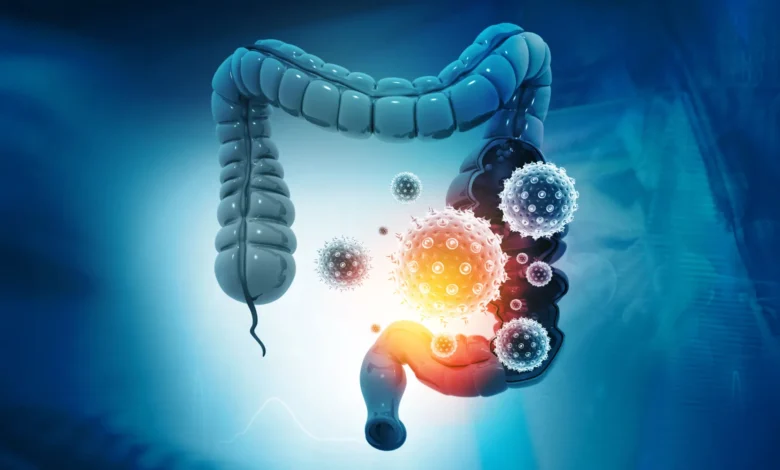
For nearly two decades, the scientific community has been aware that a pervasive gut bacterium, Bacteroides fragilis, produces a potent toxin capable of damaging the colonic lining and accelerating the development of tumors. While the link between this bacterium and colorectal cancer has been well-documented, the mechanism by which the toxin—known as Bacteroides fragilis toxin (BFT)—first secures a foothold on intestinal cells has remained a persistent mystery. Now, a collaborative research team from the Johns Hopkins Kimmel Cancer Center, the Bloomberg-Kimmel Institute for Cancer Immunotherapy, and Harvard Medical School has successfully identified the missing link: a protein called claudin-4. This breakthrough discovery, published in the journal Nature, not only resolves a long-standing biological puzzle but also offers a tangible path toward preventative therapies that could disrupt the early stages of toxin-mediated disease.
A Two-Decade Scientific Quest
The history of this research dates back to the early 2000s, when investigators first began to characterize the pathogenic potential of enterotoxigenic Bacteroides fragilis (ETBF). Found in approximately 20% of the human population, this bacterium generally lives in a symbiotic relationship with its host. However, specific strains that secrete BFT pose a significant risk.
In a landmark 2009 study, Dr. Cynthia Sears and her colleagues at Johns Hopkins established that BFT acts as a catalyst for colon tumor formation by inducing chronic inflammation. This discovery shifted the paradigm of cancer research, highlighting the role of the microbiome in oncogenesis. Despite this, the "attachment" phase remained elusive. Previous studies indicated that BFT eventually damages a protein called E-cadherin—a critical component of the "tight junctions" that maintain the intestinal barrier—but it was never clear how the toxin managed to reach and interact with E-cadherin. The toxin did not appear to bind to E-cadherin directly, leading researchers to suspect the presence of a "middleman" receptor.
Utilizing CRISPR to Unmask the Receptor
The search for this receptor was hindered by the complexity of intestinal epithelial cells. To finally isolate the mechanism, researchers employed CRISPR-Cas9, a revolutionary gene-editing technology. By systematically knocking out individual genes within colon cells, the team aimed to identify which proteins were essential for the toxin to attach.
Maxwell White, an M.D./Ph.D. candidate at Johns Hopkins, led the genome-wide screen in collaboration with Dr. Matthew Waldor’s laboratory at Harvard Medical School. The screening process was rigorous, involving the deactivation of thousands of genes to observe which cells remained impervious to BFT. The results pointed definitively to the gene responsible for claudin-4.
Claudin-4 is a structural protein integral to the integrity of the intestinal wall, acting as a gatekeeper that limits the movement of molecules between cells. When the researchers disabled the claudin-4 gene, BFT lost its ability to bind to the cells. Consequently, without this critical attachment point, the toxin could not reach or cleave E-cadherin. This revealed that claudin-4 functions as the primary "docking station" for the toxin, a discovery that was as unexpected as it was definitive.
Shifting Paradigms in Toxin Biology
The identification of claudin-4 as the BFT receptor challenged existing assumptions within the field. Most researchers had hypothesized that BFT would interact with a G protein-coupled receptor (GPCR)—the typical class of receptors that mediate cellular signaling. Claudin-4, however, serves a strictly structural role.
Furthermore, the mechanism by which BFT operates is unique. BFT is a zinc-dependent metalloprotease. While many proteases act directly upon their substrates, BFT requires this specific docking event on claudin-4 to facilitate its subsequent enzymatic action on E-cadherin. Following the initial screen, the Johns Hopkins team collaborated with structural biologists F. Xavier Gomis-Rüth and Ulrich Eckhard at the Molecular Biology Institute of Barcelona to confirm the physical binding. Using advanced molecular interaction assays, they demonstrated a 1:1 binding ratio between the toxin and the receptor, providing concrete evidence of a structural complex.
From Discovery to Intervention: The Molecular Decoy
The practical implications of this research were almost immediate. Recognizing that BFT requires a specific receptor, the team hypothesized that they could create a "molecular decoy"—a soluble version of claudin-4 that would intercept the toxin before it ever reached the actual intestinal wall.
In collaboration with Dr. Min Dong’s laboratory at Harvard Medical School, the researchers tested this decoy strategy in mice. The results were highly successful: the toxin preferentially attached to the synthetic decoy protein, effectively neutralizing its ability to damage the colon’s protective barrier. This "sponge" effect prevented the downstream inflammatory cascades that are known to drive tumor growth.
Dr. Cynthia Sears, the senior author of the study and the Bloomberg-Kimmel Professor of Cancer Immunotherapy, emphasized the significance of these findings. "Understanding how bacterial toxins work can open doors to new approaches for detection and therapy for associated diseases, including diarrhea, colorectal cancer and bloodstream infections," Sears noted. By identifying the initial point of vulnerability, the research team has opened a new avenue for pharmacological intervention that does not rely on traditional antibiotics, which can often disrupt the healthy gut microbiome.
Broader Implications and Future Directions
The potential for clinical application is substantial, though the researchers caution that the transition from mouse models to human therapy remains a long-term goal. While the decoy approach has shown promise in preclinical settings, the team is now focused on optimizing the decoy’s pharmacological properties. This involves exploring whether small-molecule inhibitors or more stable biologics could be developed to perform the same task with greater efficiency and ease of administration.
Another hurdle remains the precise three-dimensional mapping of the BFT-claudin-4 interaction. Even with the assistance of cutting-edge artificial intelligence, such as Google DeepMind’s AlphaFold, a perfect resolution of the interface has yet to be achieved. Obtaining this structural map is considered a priority, as it would allow for the rational design of highly specific, high-affinity inhibitors that could block the toxin’s binding site more effectively than a generic decoy.
The societal impact of this research is broad. Colorectal cancer remains one of the most frequently diagnosed cancers globally, and the gut microbiome has increasingly been recognized as a major, yet under-addressed, risk factor. If future therapies can safely block BFT in high-risk individuals—such as those with chronic inflammatory bowel diseases or a high prevalence of ETBF in their gut—it could provide a powerful new tool in the primary prevention of colon cancer.
A Collaborative Effort
The scope of this study underscores the necessity of interdisciplinary collaboration. The work spanned multiple institutions and disciplines, from gene-editing and microbiology to structural biology and translational medicine. Funding support from the Bloomberg-Kimmel Institute for Cancer Immunotherapy, the National Institutes of Health, and other key international partners highlights the high priority placed on unraveling the microbial drivers of cancer.
As the scientific community digests these findings, the focus will likely shift toward human longitudinal studies. If researchers can prove that blocking the claudin-4-BFT interaction in humans is both safe and effective, it could lead to a new class of preventative medicines. For now, the identification of the "missing link" stands as a major achievement in gastroenterology and oncology, transforming a mysterious biological threat into a clear, manageable target for medical science. The mystery of the bacterium’s attack is solved; the focus now turns to the defense.
Related posts: