The Mounting Financial Crisis of U.S. Health Care Costs: Polling Trends, Patient Burdens, and Systemic Implications

For decades, the soaring cost of health care has remained a persistent and formidable burden on families across the United States, deeply influencing decisions regarding insurance coverage, medical treatments, and basic household budgeting. According to comprehensive data tracking and public opinion polling compiled by KFF (formerly the Kaiser Family Foundation), medical expenses consistently rank as the primary financial worry for American adults and their families, eclipsing other traditional economic anxieties such as housing, utility bills, and grocery prices.
This sustained financial pressure cuts across various demographic lines, insurance types, and political affiliations. As the nation navigates complex healthcare landscapes and economic shifts, the systemic implications of high medical costs continue to ripple through society, forcing difficult compromises between personal health and financial survival.
Economic Anxieties and the Burden of Affordability
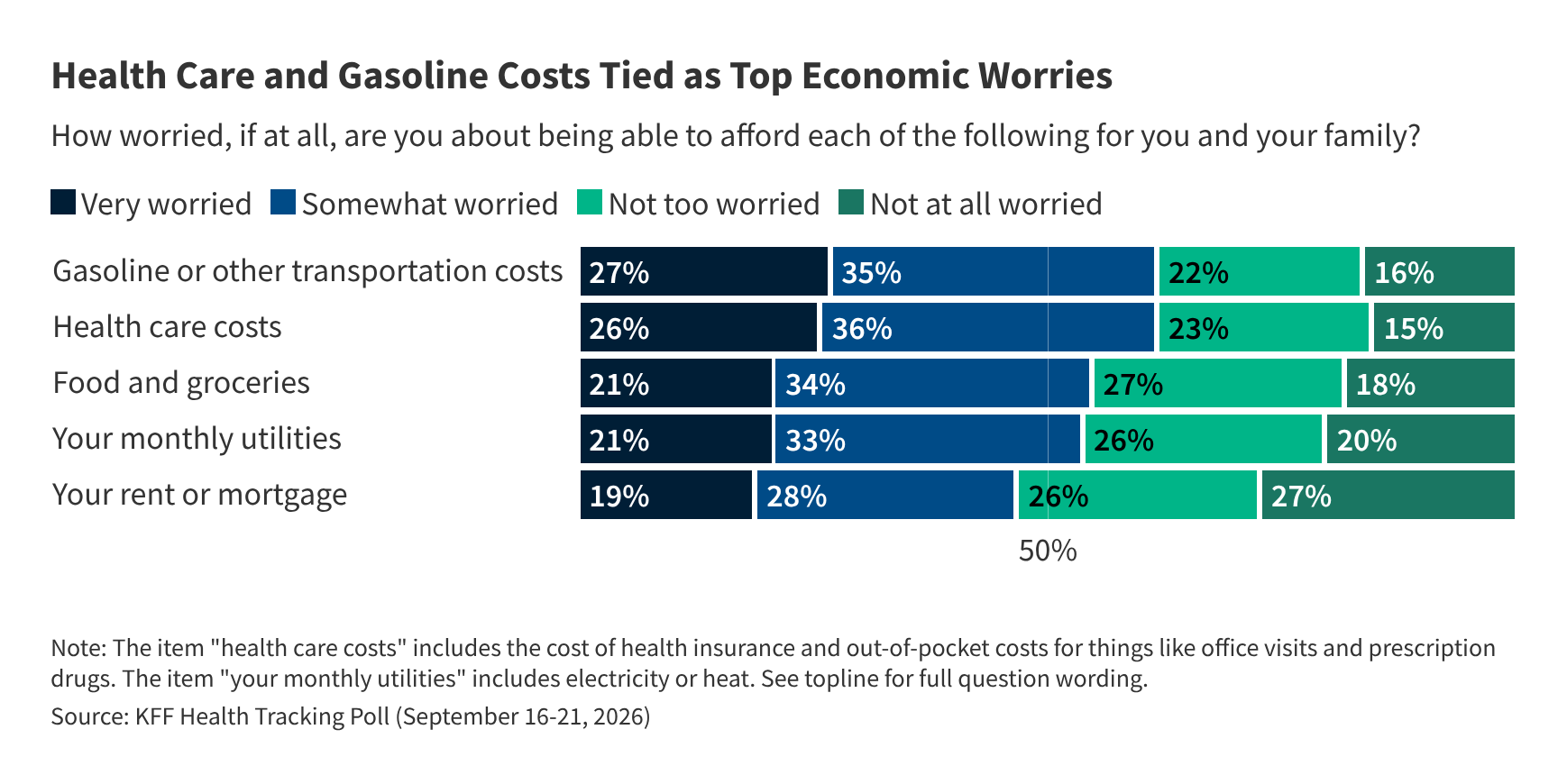
Health care costs have consistently occupied the highest tiers of public financial anxiety. In the lead-up to the 2026 midterm elections, roughly six in ten U.S. adults reported feeling either "very" worried (26%) or "somewhat" worried (36%) about their ability to afford necessary health care services for themselves and their dependents. This overarching concern encompasses monthly health insurance premiums as well as out-of-pocket expenditures for routine physician office visits, diagnostic tests, and prescription medications.
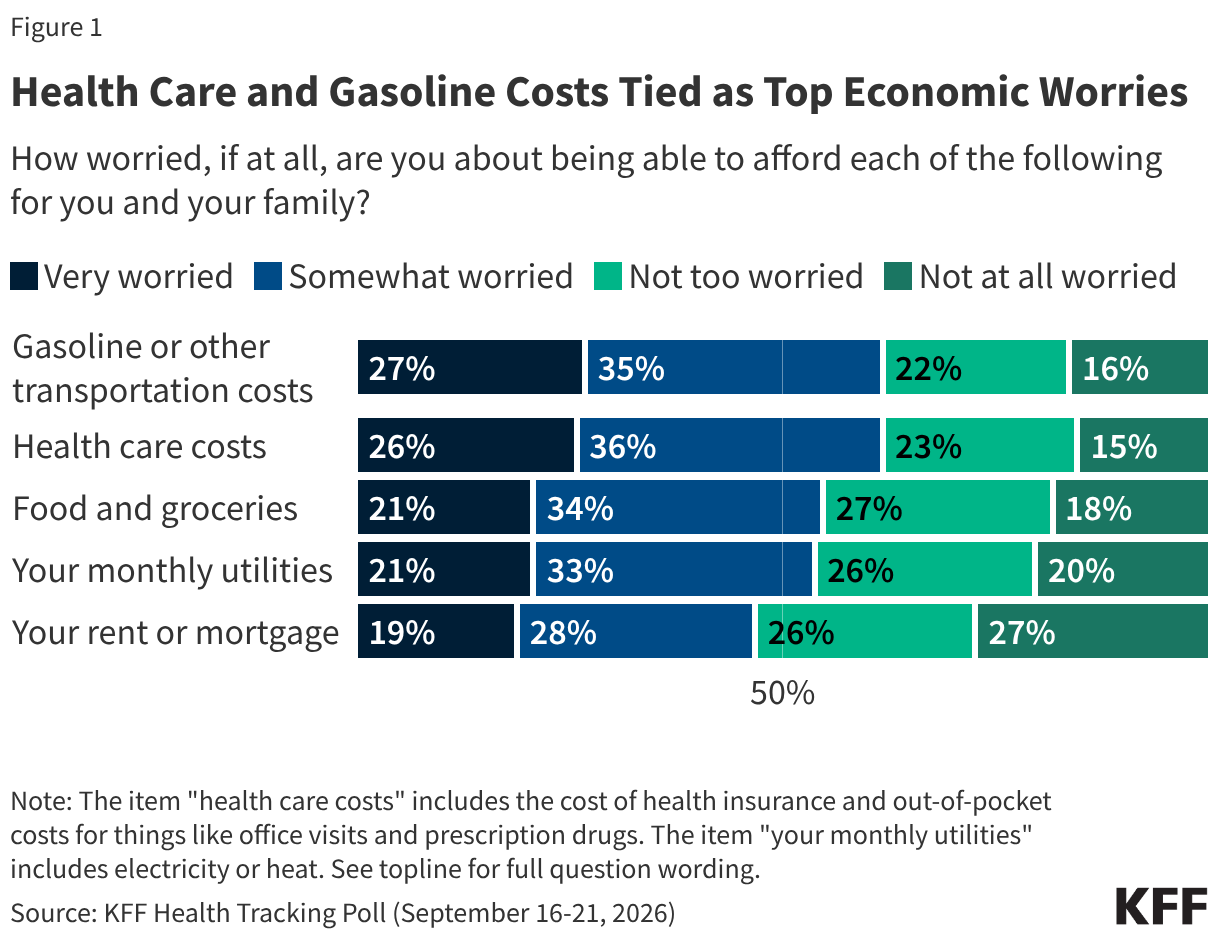
To put this economic stress into perspective, health care anxieties frequently outpace worries regarding other fundamental living expenses. While about 27% of adults report acute anxiety over escalating gas and transportation expenses, roughly one in five express similar levels of worry regarding monthly utility bills (21%), food and grocery purchases (21%), or housing costs like rent and mortgages (19%).
Insurance status plays a predictable role in these anxiety levels, though coverage does not entirely insulate individuals from financial stress. Among uninsured adults under the age of 65, an alarming 82% report being worried about affording health care. However, vulnerability is not restricted to the uninsured; 63% of insured adults under 65 share these same apprehensions. This bipartisan and cross-demographic concern underscores a broad systemic dissatisfaction with the affordability of modern American medicine.
The Spectrum of Difficulty: Who Bears the Heaviest Burden?
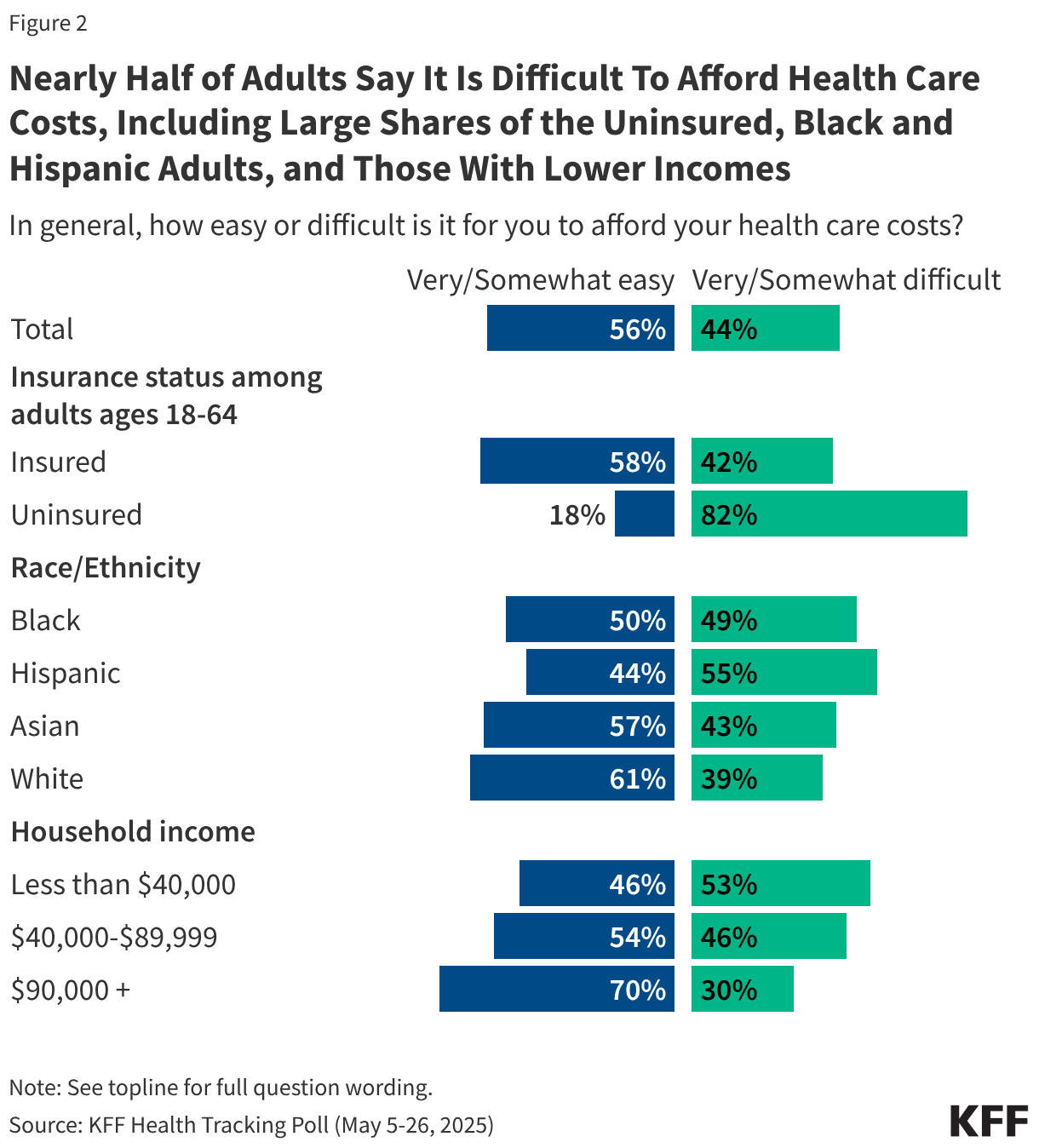
Beyond abstract worry, a substantial share of the U.S. population encounters tangible difficulties paying for medical care. Just under half of all U.S. adults (44%) state that affording their health care costs is either very or somewhat difficult.
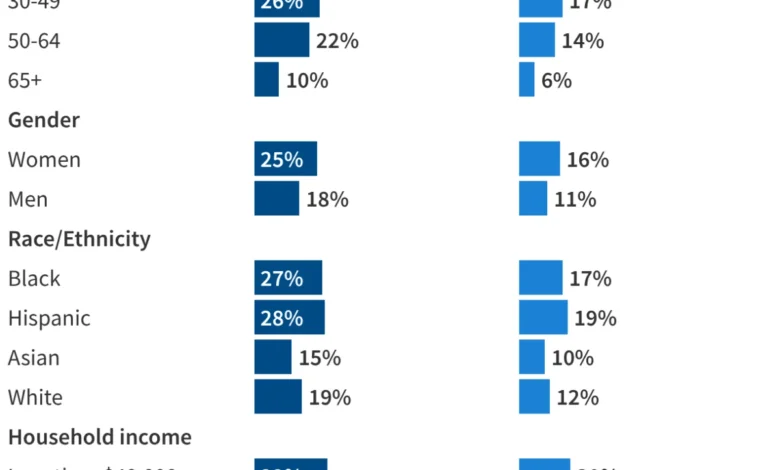
While lower-income households and uninsured individuals bear the brunt of these challenges, the middle class and those with steady health coverage are increasingly affected. Disparities are also stark across racial and ethnic lines. A slight majority of Hispanic adults (55%) and half of Black adults (49%) report difficulties in affording care, compared to approximately four in ten White adults (39%). Furthermore, households with annual incomes falling below $40,000 face exponentially higher hurdles than their higher-earning counterparts.
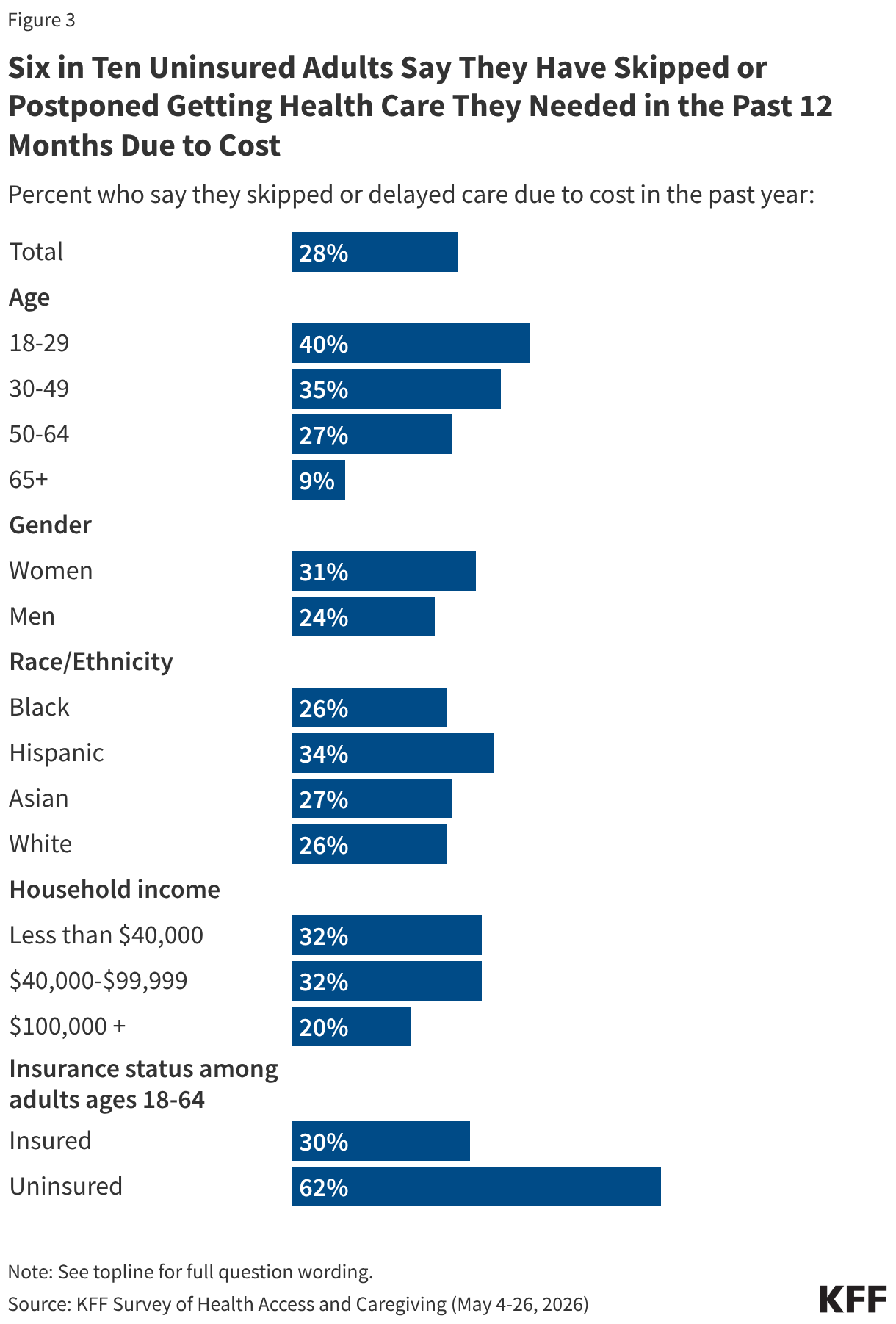
These financial hurdles frequently force patients into drastic compromises. Approximately 28% of U.S. adults report skipping or postponing needed medical care entirely within a 12-month period due to prohibitive costs. While uninsured individuals are the most vulnerable—with 62% reporting delayed care—having insurance is far from a complete safeguard. Three in ten insured adults aged 18 to 64 admit to forgoing medical treatment because they could not afford the associated expenses.
Health Consequences of Delayed Care
The practice of deferring medical treatment due to financial constraints carries severe, long-term clinical repercussions. According to data from the KFF Survey of Health Access and Caregiving, roughly one in seven adults (15%) report that their overall health deteriorated as a direct result of skipped or postponed care.
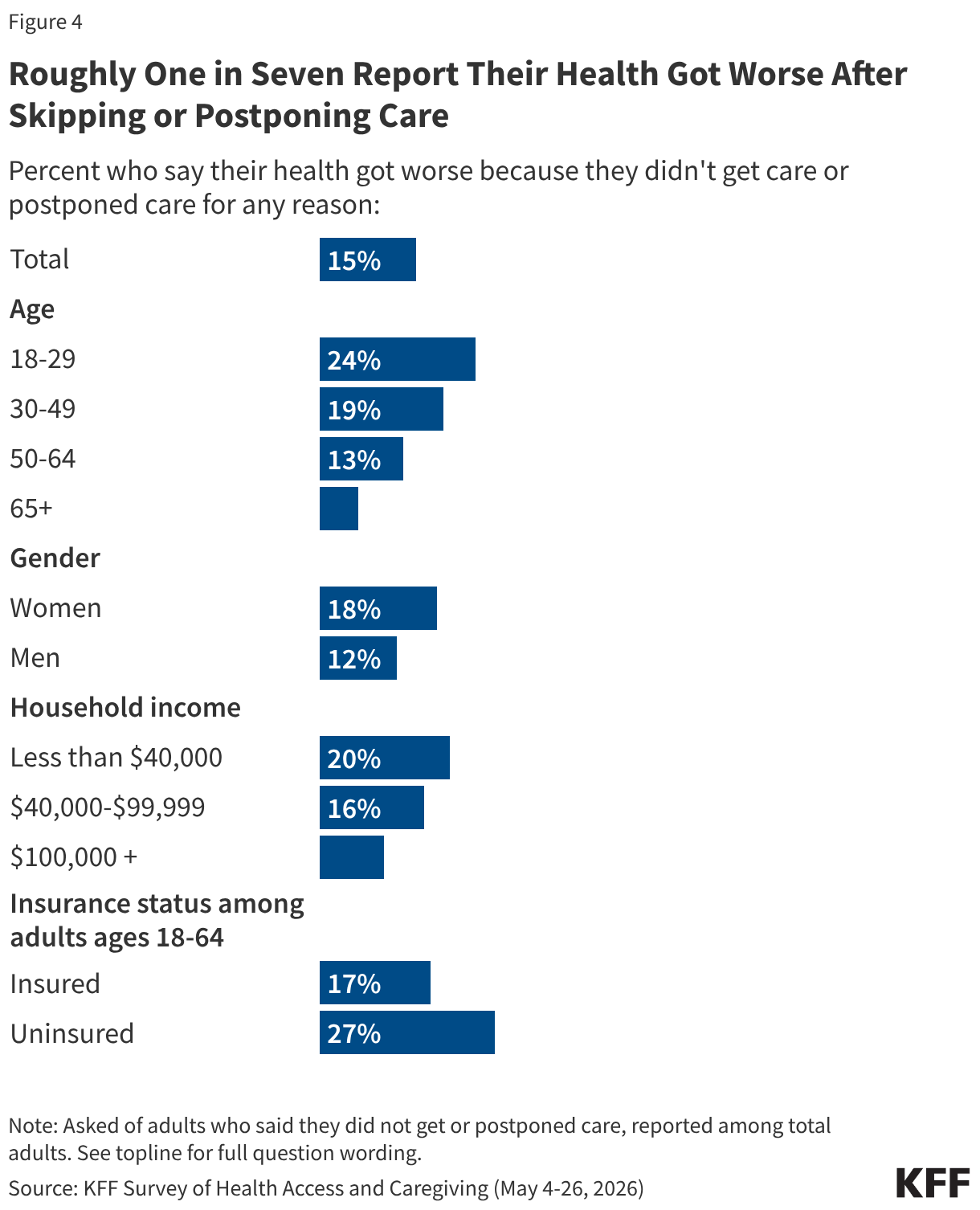
This phenomenon disproportionately impacts specific cohorts. Uninsured adults under 65 are significantly more vulnerable to health deterioration from delayed care compared to their insured peers (27% versus 17%). Age also introduces a sharp contrast: adults under the age of 30 are four times as likely to report declining health after skipping care (24%) compared to adults aged 65 and older (6%), the vast majority of whom benefit from comprehensive Medicare coverage.
Medical Debt and Ripple Effects on Household Budgets
When individuals do seek care, the resulting bills frequently trigger severe financial crises. Approximately 22% of adults report struggling with or being entirely unable to pay medical bills over a 12-month span. These bills often originate from a matrix of sources, including physician charges, laboratory diagnostics, specialized testing, and pharmaceutical regimens.
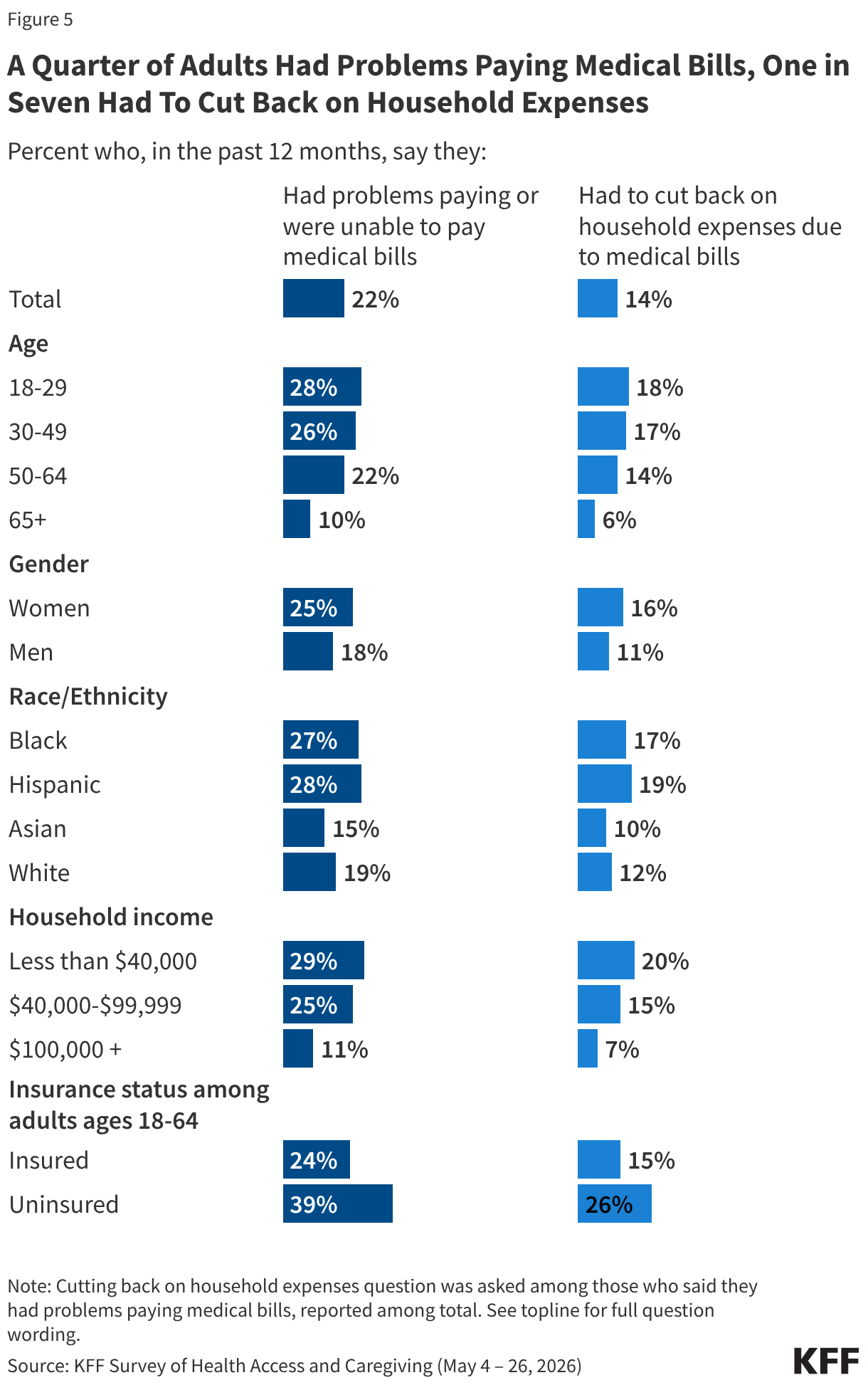
The downstream economic consequences of these bills force families to sacrifice basic necessities. One in seven adults (14%) report cutting back on essential household expenditures—such as food, clothing, and utilities—specifically to allocate funds toward medical costs. Among lower-income households earning less than $40,000 annually, this figure rises to 20%, while 26% of uninsured working-age adults report making similar drastic sacrifices.
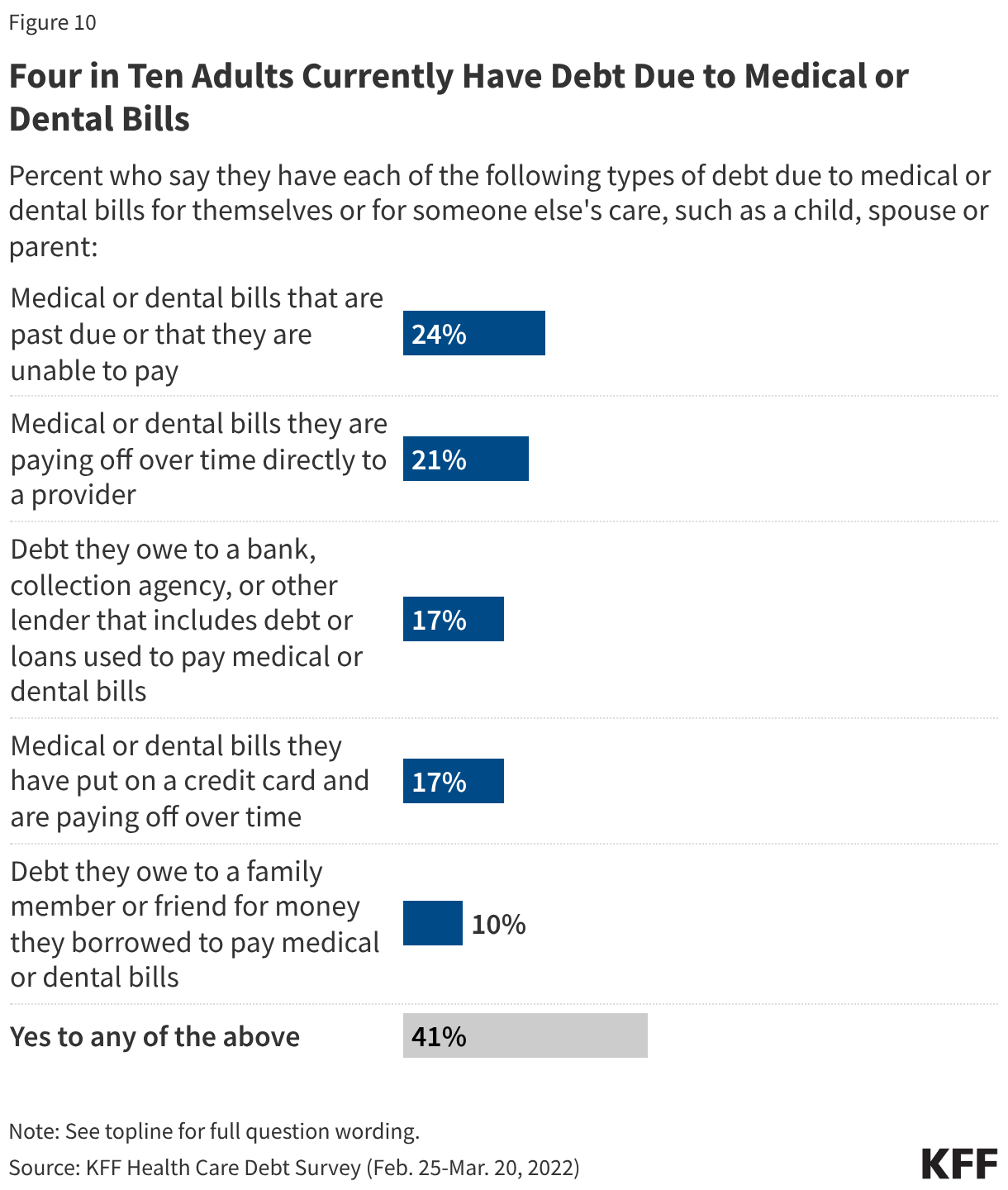
This precarious financial baseline leaves millions of Americans vulnerable to catastrophic debt. Historic investigations conducted by KFF Health News and NPR through projects like Diagnosis Debt revealed that 41% of U.S. adults carry some form of health care or dental debt. This includes past-due bills, payment plans negotiated directly with providers, loans secured from traditional lenders or credit cards, and informal borrowing from friends and family. Furthermore, half of all U.S. adults state they would be completely incapable of paying an unexpected $500 medical bill out of pocket without resorting to borrowing or incurring new credit card debt.
Compounding Vulnerabilities: LGBTQ+ Patients and Chronic Conditions
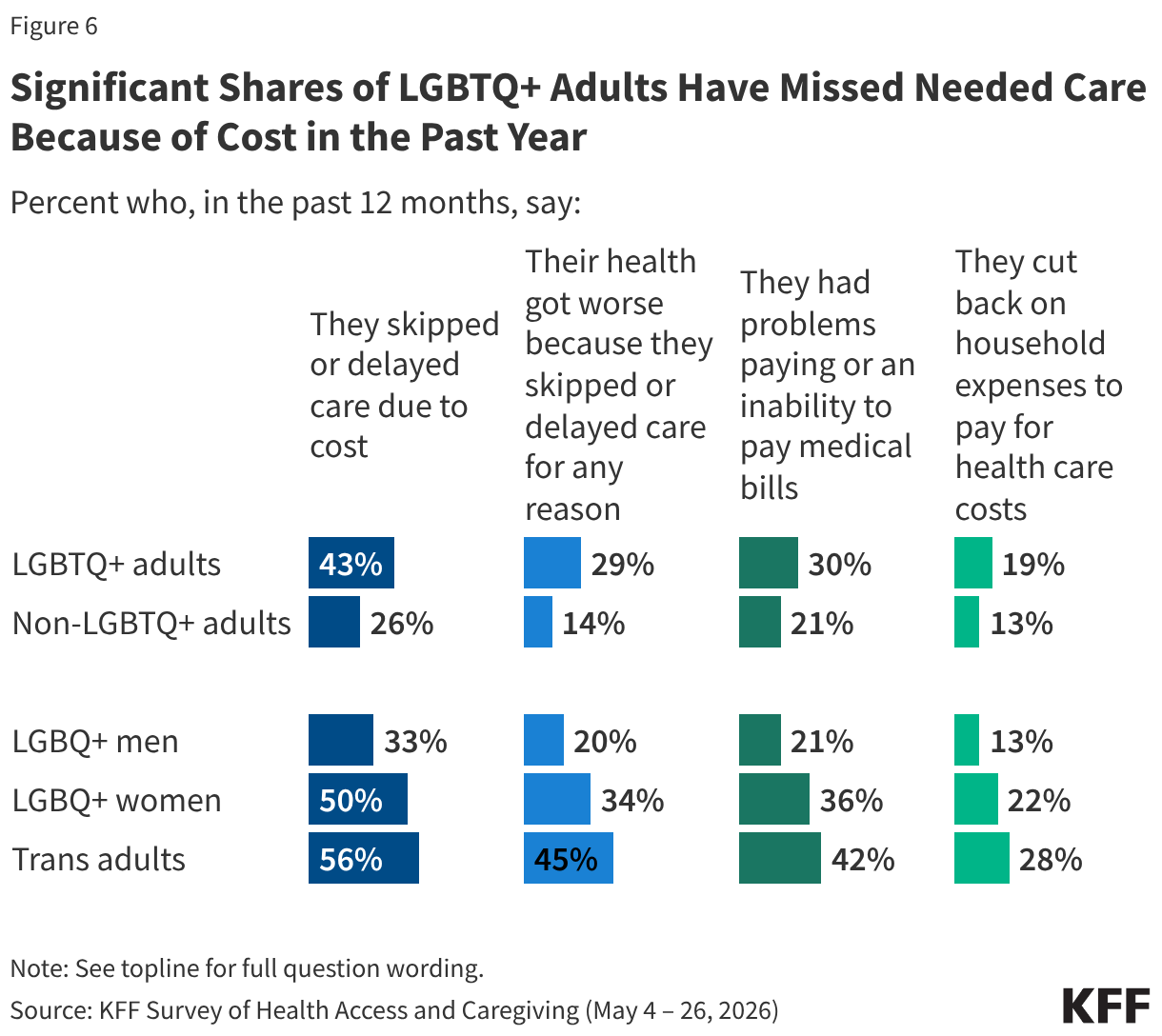
While financial strain touches every corner of society, certain demographics experience compounded vulnerabilities. LGBTQ+ adults, who statistically skew younger and report lower average incomes than their non-LGBTQ+ peers, face disproportionate barriers to health care access.
More than four in ten LGBTQ+ adults (43%) report skipping or delaying medical care due to cost within a given year, compared to 26% of non-LGBTQ+ adults. Transgender adults experience even more acute challenges, with over half (56%) reporting delayed care due to cost, and 45% noting subsequent health declines.
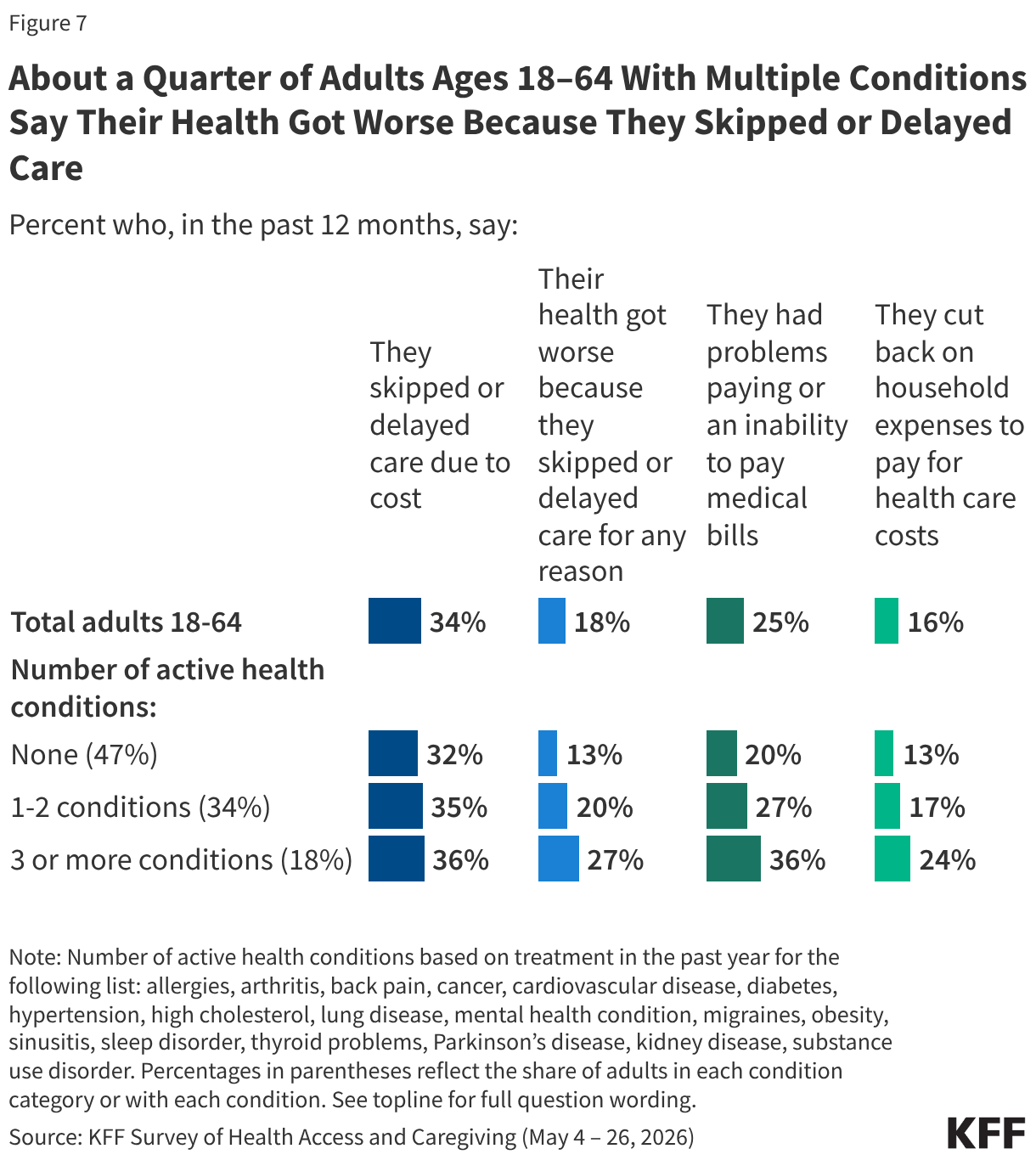
Similarly, individuals managing multiple or complex chronic conditions report severe distress. Among working-age adults with three or more active health conditions, roughly 36% skipped necessary care due to cost, and 27% experienced worsening health as a result. More than a third of this population (36%) faced unmanageable medical bills, forcing one in four to trim basic household necessities to afford treatment for conditions such as cancer, diabetes, cardiovascular disease, and severe mental health disorders.
The Prescription Drug Cost Crisis
The expense of prescription pharmaceuticals remains a major driver of overall health care dissatisfaction. To cope with high out-of-pocket drug prices, patients frequently modify their consumption patterns in hazardous ways.
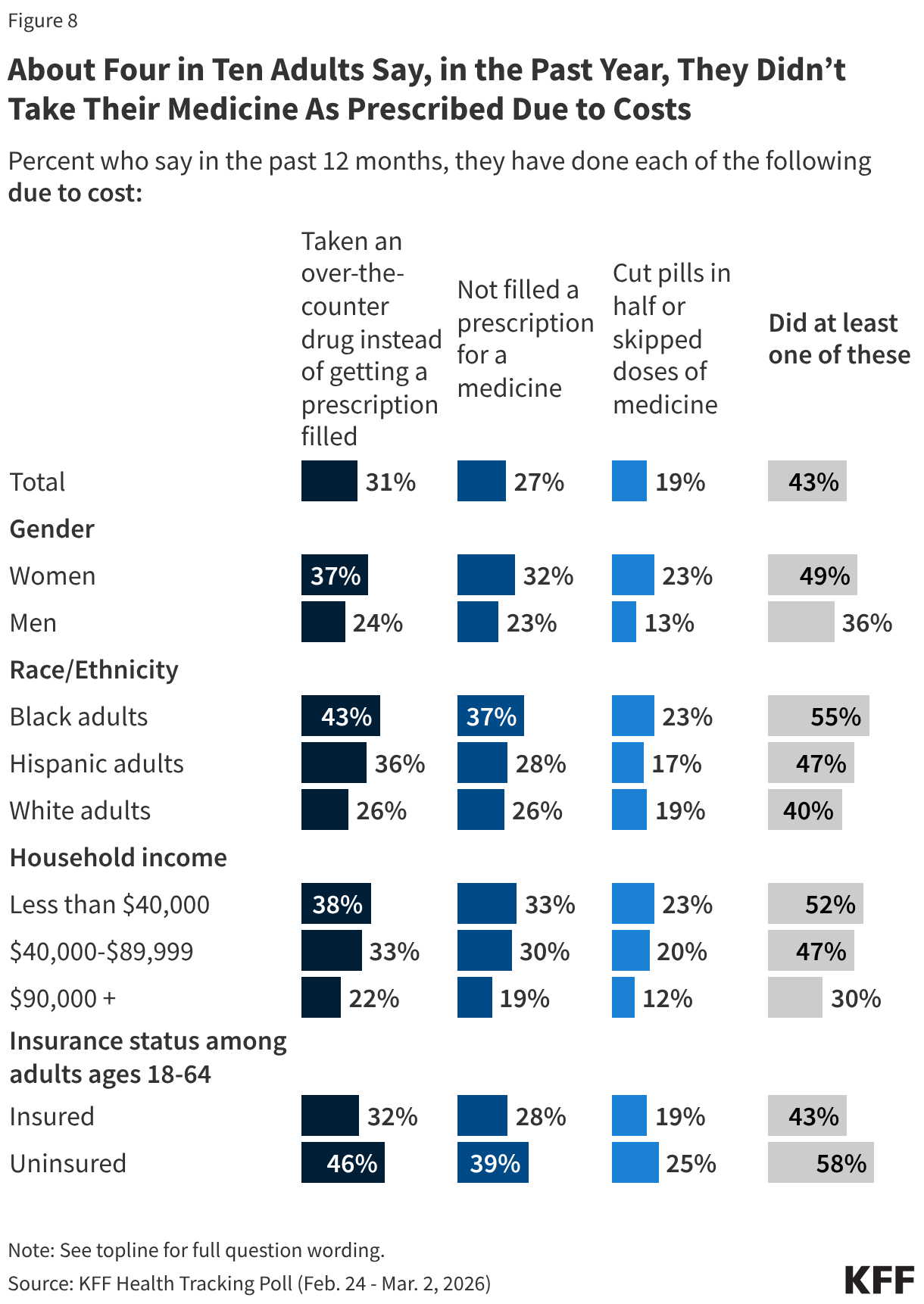
KFF polling indicates that about three in ten adults (31%) have opted for over-the-counter alternatives instead of filling a prescription, 27% have left prescriptions entirely unfilled, and 19% have engaged in pill-splitting or skipped doses. In total, 43% of adults report utilizing at least one of these cost-saving measures, reflecting a steady upward trajectory from previous years.
Vulnerability to prescription costs is heavily concentrated among lower- and middle-income households, women, and Black and Hispanic populations. Over half of adults living in households earning less than $40,000, as well as 58% of uninsured working-age adults, admit to failing to take medications as prescribed due to financial constraints.
Consumer Perceptions of Health Insurance
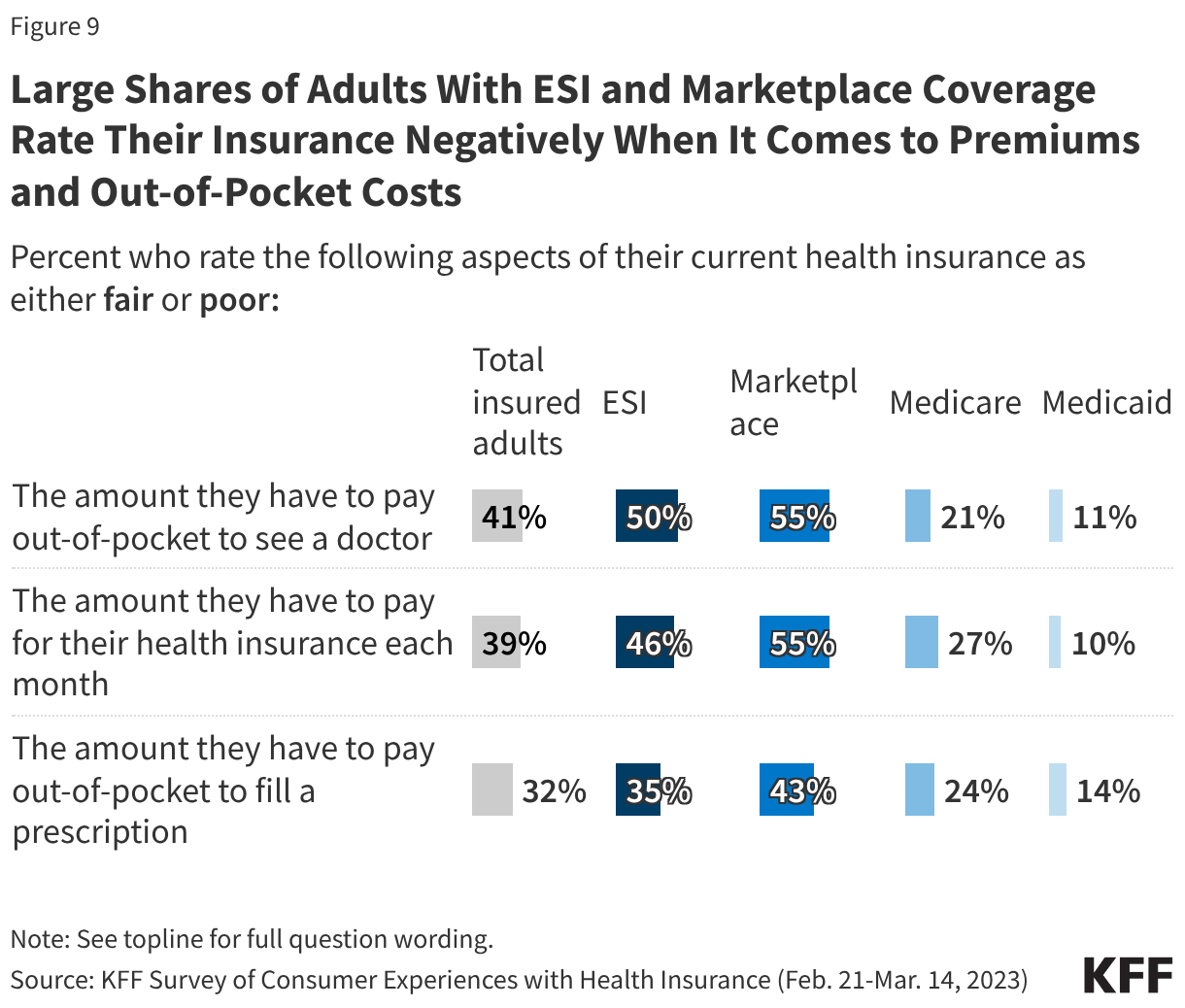
Although health insurance is designed to mitigate financial risk, consumer satisfaction varies significantly depending on plan structures, monthly premiums, and cost-sharing models. While a majority of insured adults rate their coverage as "good" or "excellent" regarding out-of-pocket prescription costs (61%), doctor visit copays (53%), and monthly premiums (54%), a stubborn minority of at least 30% view these metrics as "fair" or "poor."
Enrollees in private employer-sponsored plans or Affordable Care Act (ACA) Marketplaces express higher levels of dissatisfaction with monthly premiums and out-of-pocket expenses compared to beneficiaries of Medicare or Medicaid. Medicaid enrollees generally report the highest satisfaction regarding affordability, largely due to structural protections in most states that eliminate monthly premiums and strictly limit nominal copays.
Systemic Implications and Future Outlook
The persistent crisis of health care affordability carries profound implications for the U.S. economy and public health infrastructure. When patients routinely delay preventative care, manage chronic illnesses improperly, or forgo prescription medications, minor health issues frequently escalate into expensive, acute medical emergencies. This dynamic drives up overall system costs, places immense strain on emergency departments, and diminishes national productivity.
As policymakers, healthcare providers, and insurers grapple with these findings, the demand for structural reform remains urgent. Whether through legislative interventions targeting prescription drug pricing, transparency in medical billing, or expansions of coverage safety nets, addressing the root causes of health care debt and financial anxiety is critical to safeguarding the physical and economic well-being of the American public.
Related posts: