Navigating the GLP-1 Era: A Comprehensive Guide for Health and Fitness Professionals on Supporting Clients Through Medical Weight Loss

The landscape of health and fitness coaching has undergone a profound transformation since the widespread commercialization of glucagon-like peptide-1 (GLP-1) receptor agonists. Medications such as semaglutide, marketed under brand names like Ozempic and Wegovy, initially emerged on the mass market around 2017. During their early adoption phase, prescription rates remained low, and the presence of these drugs felt largely theoretical to most fitness professionals. However, by 2026, over 10 percent of adults in the United States are actively utilizing GLP-1 medications, shifting the conversation from distant speculation to daily operational reality for coaches across the industry.
Initially met with professional anxiety regarding job displacement, industry sentiment has since evolved. Fitness and nutrition coaches increasingly view GLP-1 medications not as a threat to their profession, but as a powerful pharmaceutical tool that can be complemented by structured lifestyle coaching. Nevertheless, valid concerns persist among practitioners regarding long-term client health outcomes, potential lean muscle loss, the risk of treating complex conditions with a temporary fix, and the bypassing of foundational wellness habits. To address these evolving dynamics, industry leaders emphasize that modern coaching is no longer defined by operating within the GLP-1 world, but rather within the GLP-1 support ecosystem.
Understanding the Evolution and Market Penetration of GLP-1s
The rapid climb in GLP-1 utilization reflects a broader cultural and medical shift in how society addresses obesity and metabolic health. Originally approved for the management of type 2 diabetes, these medications demonstrate significant efficacy in appetite regulation by mimicking the natural hormone GLP-1, which stimulates insulin secretion, slows gastric emptying, and signals satiety to the brain. Clinical trials and real-world data have consistently shown substantial reductions in body weight among users.
This widespread adoption has forced health professionals to reevaluate traditional paradigms of physical training and nutritional guidance. Rather than competing with pharmacology, successful coaches are identifying specific subsets of medicated individuals who require targeted behavioral intervention. Industry experts note that attempting to coach every individual on a GLP-1 is impractical, as many consumers either do not desire outside assistance or are not psychologically prepared for behavioral modifications. Instead, practitioners are learning to identify clients who are ready, willing, and able to engage in supportive coaching to optimize their medical outcomes.
Categorizing Client Readiness: The Seven GLP-1 Profiles
Client readiness for coaching is fluid rather than static, shifting in response to side effects, weight loss trajectories, financial pressures, and personal milestones. Based on extensive client data from major coaching organizations, individuals utilizing GLP-1 therapies generally fall into seven distinct categories, each requiring tailored coaching methodologies.
The Honeymooner represents individuals who have recently initiated GLP-1 therapy, experienced minimal adverse side effects, and achieved rapid weight loss on low dosages. Because their psychological and physiological feedback is overwhelmingly positive without active lifestyle changes, their coaching readiness is exceptionally low. Attempting to intervene with warnings about muscle loss or dietary gaps can trigger the psychological "righting reflex," causing clients to pull away. Effective coaches celebrate these initial victories while maintaining open lines of communication for future support.
The Ambivalent Candidate encompasses prospective users who have been advised by medical providers to consider GLP-1 therapy but remain frozen by fear regarding potential side effects, long-term dependency, or societal stigma surrounding medical weight management. Coaches must recognize that guiding medication decisions falls outside their scope of practice; however, they can facilitate structured decision-making exercises to help clients articulate the underlying drivers of their hesitation.

The Ready-to-Quitter describes individuals experiencing significant adverse reactions—such as persistent nausea, vomiting, or fatigue—that overshadow their initial fat loss success. Because approximately half of GLP-1 users encounter gastrointestinal side effects, these clients often feel isolated or defective compared to peers who tolerate the drug easily. Coaches assist by providing neutral education, encouraging medical consultation regarding dosage adjustments, and introducing minor dietary modifications like smaller, more frequent meals.
The Muscle-Loss Risk involves clients achieving visible weight reduction while inadvertently sacrificing vital lean tissue due to sedentary habits and inadequate protein intake. Clinical data indicates that up to 40 percent of weight lost through unmonitored GLP-1 usage can stem from lean mass. To mitigate this risk, practitioners utilize objective tools such as dual-energy X-ray absorptiometry (DEXA) scans and implement progressive resistance training alongside structured protein targets.
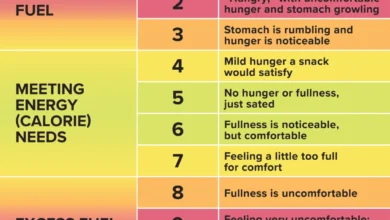
The Under-Fueler experiences severe appetite suppression to the extent that eating transitions from a natural biological drive to a burdensome chore, frequently resulting in caloric intake dropping to unsustainable levels. This profile requires careful screening for disordered eating histories, the establishment of scheduled eating routines every three to four hours, and, when necessary, professional medical referrals.
The Graduate represents clients who have successfully achieved their target weight goals via GLP-1 therapy and are actively tapering off the medication. Transitioning away from pharmaceutical appetite regulation introduces a high risk of weight regain if sustainable behavioral habits—such as consistent resistance training and protein optimization—have not been firmly established during the treatment phase.
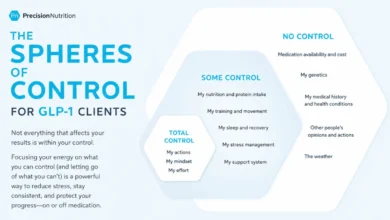
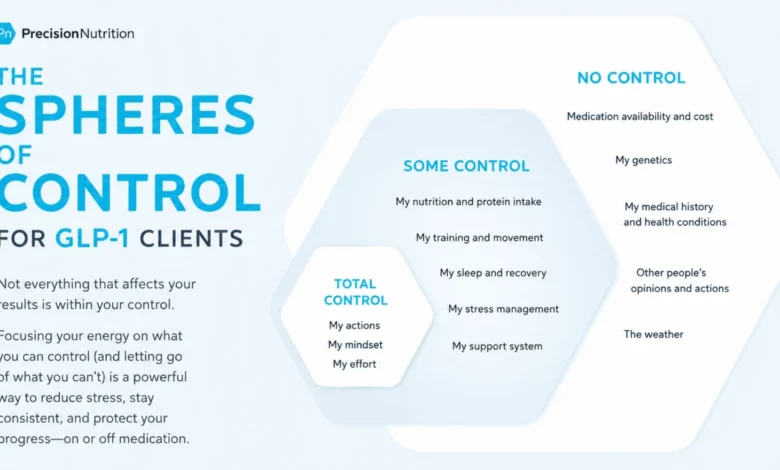
The Priced-Out category includes individuals forced to discontinue medication due to prohibitive out-of-pocket costs, loss of insurance coverage, or changing socioeconomic circumstances. With approximately half of all users discontinuing GLP-1 therapy within their first year, these clients frequently experience frustration and anger. Coaches help navigate this transition by utilizing control frameworks to focus energy on modifiable lifestyle factors rather than systemic barriers.
Implications for the Future of Health Coaching
The integration of GLP-1 medications into mainstream healthcare highlights the necessity for interdisciplinary collaboration between medical providers and fitness professionals. As obesity is increasingly recognized as a chronic medical condition requiring long-term management, the role of the coach is shifting from short-term weight loss facilitation to permanent habit formation.
Industry analysis suggests that while pharmaceutical interventions can effectively alter physiological appetite signals, the establishment of enduring neural pathways through consistent nutrition, physical training, and behavioral mindfulness remains essential for long-term health maintenance. By focusing on the supportive ecosystem surrounding GLP-1 users, health and fitness professionals are securing a vital, enduring role in the modern wellness landscape.