Magnetotactic Bacteria Extend Lifespan by Inhibiting Ferroptosis in Groundbreaking Aging Research

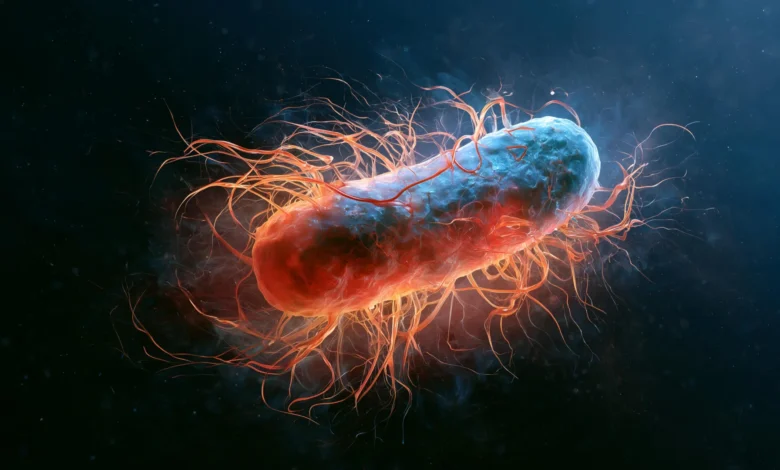
Researchers led by Professor An Xu at the Hefei Institutes of Physical Science of the Chinese Academy of Sciences have uncovered a transformative potential for magnetotactic bacteria (MTB) in the realm of geriatric science. In a study recently published in the journal Free Radical Biology and Medicine, the team demonstrated that the bacterium Magnetospirillum magneticum AMB-1 (AMB-1) significantly extends the healthy lifespan of the nematode Caenorhabditis elegans. By identifying the suppression of ferroptosis—a distinct, iron-dependent form of cell death—as the primary mechanism of action, the research opens a new frontier in the study of cellular senescence and potential clinical interventions for age-related decline.
The Challenge of Modern Aging Research
Aging is characterized by the progressive decline in physiological integrity, leading to impaired function and an increased vulnerability to death. As the global population ages, the prevalence of chronic, age-associated conditions—such as neurodegenerative disorders, cardiovascular diseases, and metabolic syndromes—has become a primary focus of biomedical inquiry. Traditional anti-aging research has historically relied upon small-molecule drug candidates or complex genetic modifications. While these methods have provided essential insights into the pathways of longevity, they are frequently constrained by concerns regarding side-effect profiles, bioavailability, and the feasibility of long-term human application.
The scientific community has increasingly turned toward the microbiome as a potential regulator of host health. While the role of gut bacteria in metabolic health is well-documented, the application of specialized, bio-engineered, or naturally magnetic microorganisms remains an emerging field. Magnetotactic bacteria, known for their unique ability to synthesize intracellular magnetic crystals called magnetosomes, have long been scrutinized for their biocompatibility and potential in precision drug delivery. However, their influence on the biological mechanisms of aging has remained largely unexplored until this recent breakthrough by the Hefei team.
Investigating the AMB-1 Mechanism
The study utilized Caenorhabditis elegans as the primary model organism. C. elegans is favored in aging research due to its short life cycle, well-mapped genome, and high degree of evolutionary conservation regarding fundamental cellular processes. The research team introduced the AMB-1 strain into the environment of the worms to assess changes in longevity, neurological performance, and physical integrity.
The results were statistically significant. Worms treated with the AMB-1 strain experienced an average lifespan extension of 43.39% compared to the control group. Beyond mere longevity, the researchers observed a marked preservation of physiological function. Older worms that had been exposed to the bacteria exhibited superior neurological coordination and maintained intestinal integrity—two markers that typically deteriorate rapidly in the aging C. elegans model.
The Crucial Role of Magnetosomes
A pivotal aspect of the study was determining whether the magnetic nature of the bacteria was essential for the observed longevity benefits. To test this, the researchers compared the wild-type AMB-1 against two variants: the reversibly non-magnetotactic strain (RNM-AMB-1) and the non-magnetotactic strain (NM-AMB-1).
The data indicated a clear correlation between magnetosome production and the life-extending effects. While the wild-type strain yielded the most robust results, the RNM-AMB-1 variant provided a moderate increase in lifespan. Conversely, the non-magnetotactic NM-AMB-1 strain failed to produce any significant extension of life. This finding suggests that the magnetosome structure itself—or the metabolic pathways required to generate it—is intrinsically linked to the health-promoting outcomes observed. The presence of these magnetic organelles appears to modulate the internal cellular environment in a way that confers systemic resilience against aging processes.
Ferroptosis: A New Target for Longevity
The most profound contribution of this research is the identification of ferroptosis as the target of AMB-1. Ferroptosis is a form of programmed cell death characterized by the iron-dependent accumulation of lipid peroxides. Unlike apoptosis, which is a regulated, energy-dependent process, ferroptosis is driven by the failure of cellular antioxidant defense systems to manage lipid peroxidation, eventually leading to membrane damage and cell lysis.
As organisms age, the accumulation of free iron and the subsequent oxidative stress on lipid membranes are known drivers of cellular decay. The researchers discovered that AMB-1 treatment effectively mitigated this accumulation. By reducing the buildup of iron and lowering lipid peroxidation levels, the bacteria successfully delayed the onset of ferroptosis in the worms.
Further genetic analysis confirmed that the bacteria’s intervention was not random but targeted. The team identified specific pathways in C. elegans, regulated by genes such as ftn-1, bli-3, and ads-1, which act as mediators for this suppression. By modulating these pathways, AMB-1 appears to reinforce the host’s internal defenses against the oxidative damage that defines the aging process.
Chronology and Scientific Context
The path to this discovery began with the growing interest in biogenic magnetic nanoparticles. Historically, MTB were studied primarily for their unique ability to navigate geomagnetic fields. The transition toward medical applications began in the early 2010s, as researchers began exploring these bacteria as "smart" carriers for chemotherapeutic agents.
In the mid-2010s, the Hefei Institutes of Physical Science initiated a broader investigation into the physiological impacts of MTB on eukaryotic hosts. By 2020, preliminary trials in laboratory models began to show that these bacteria were not only safe but could integrate into the intestinal environment of the hosts without inducing a strong immune reaction. The current study represents the culmination of several years of systematic testing, moving from observational studies to the mechanistic elucidation of the ferroptosis-suppression pathway.
Broader Implications and Future Directions
The findings by Professor Xu and his colleagues provide a foundational framework for the use of MTB in geriatric medicine. If the suppression of ferroptosis through microbial intervention can be replicated in higher organisms, it could theoretically provide a new therapeutic avenue for managing age-related diseases.
However, the researchers emphasize that this is a preliminary step. Moving from a nematode model to mammalian studies will require rigorous investigation into the long-term safety and the potential for the bacteria to colonize and influence the human gut microbiome without adverse effects. Furthermore, the reliance on magnetosome synthesis suggests that future applications may involve synthetic biology, where scientists might engineer commensal bacteria to mimic the protective effects of AMB-1 without the need for the introduction of foreign bacterial strains.
From a clinical perspective, the ability to regulate iron homeostasis via the microbiome is a promising strategy. Ferroptosis has been implicated in a variety of conditions, including ischemia-reperfusion injury, neurodegeneration, and various cancers. Should the mechanism validated in C. elegans hold true in human models, it could revolutionize the approach to diseases where iron-induced cell death plays a central role.
Conclusion: A New Microbial Strategy
The study marks a significant departure from conventional pharmacological interventions. By leveraging the natural physiological properties of magnetotactic bacteria, the research team at the Hefei Institutes has demonstrated that the secret to extended health may lie in the regulation of basic cellular metabolic processes.
As the scientific community continues to digest these results, the focus will likely shift toward the scalability of this intervention. The synergy between magnetic properties, iron metabolism, and longevity pathways creates a compelling argument for further investment in "microbial gerontology." While the road to clinical implementation remains long, the evidence provided by the AMB-1 study offers a compelling proof-of-concept: that the most effective way to address the complexities of aging may involve looking toward the microscopic, magnetic wonders of the bacterial world. The findings not only validate the importance of the ferroptosis pathway in longevity but also establish the Chinese Academy of Sciences’ ongoing commitment to innovative, interdisciplinary research in the pursuit of human health.