Navigating Health in the Digital Age: KFF Survey Reveals Widespread Misinformation and Changing Patient Habits Regarding Contraception

The intersection of digital technology, artificial intelligence, and personal health has fundamentally transformed how individuals seek medical guidance, bringing unprecedented access alongside an alarming proliferation of medical falsehoods. According to findings from the comprehensive 2026 KFF Women’s Health Survey, released following research conducted between March 11 and April 14, 2026, the vast majority of reproductive-age adults now rely on search engines, social media, and AI tools to research health conditions. However, this shift toward digital-first health research has exposed millions of individuals—particularly young women—to pervasive myths concerning reproductive care and contraception, directly influencing their healthcare decisions and patient-provider interactions.
The nationwide survey, which examined responses from 4,688 women and 1,148 men aged 18 to 64, provides a sharp lens into the health information habits and trust metrics of reproductive-age Americans, specifically focusing on women and men aged 18 to 49. As federal health agencies experience operational shifts and public health communication channels evolve, the reliance on decentralized digital platforms highlights an urgent need for verified, accessible medical guidance.
Digital Health Seeking Behaviours Across Demographics
The transition from traditional medical consultation to digital self-diagnosis is nearly universal among younger demographics. The KFF survey indicates that 87% of reproductive-age women and 86% of men have turned to online methods—including search engines, social media platforms, or artificial intelligence chatbots—to look for health information or advice over the past year.
Traditional search engines like Google and Bing remain the primary gateway for digital health inquiries, utilized by 83% of reproductive-age women and 81% of men. Yet, the data demonstrates clear generational and gender-based divergences in how newer technologies are adopted. While men and women utilize AI tools and chatbots (such as ChatGPT, Google Gemini, and Claude) at comparable rates (46% for men versus 42% for women), women are notably more likely to use social media platforms for health research (44% versus 38%). Furthermore, nearly one in four women (24%) report utilizing all three digital avenues—search engines, AI tools, and social media—simultaneously when investigating medical concerns.
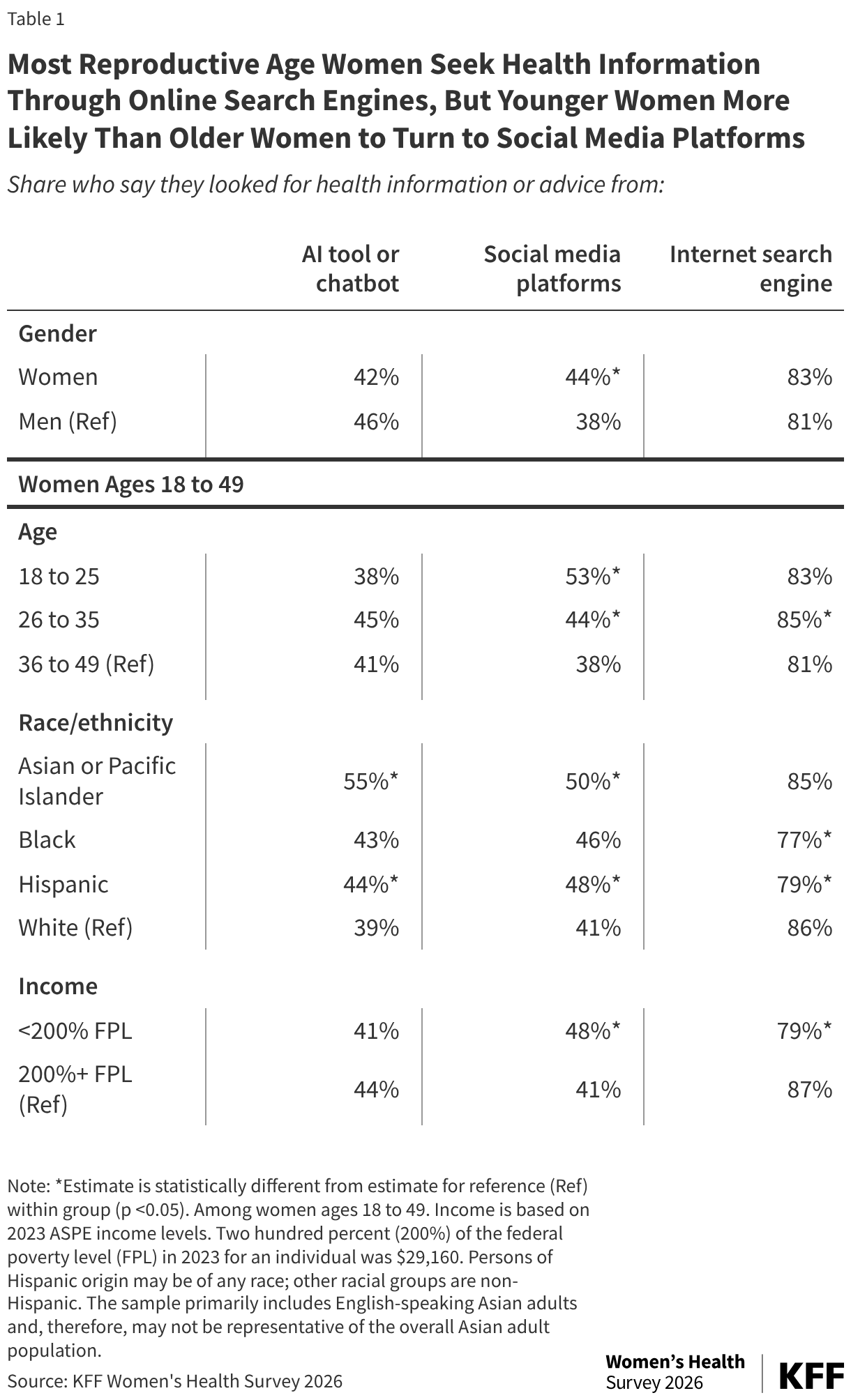
Demographic nuances further shape these digital habits. Asian women (55%) and Hispanic women (44%) report higher utilization of AI tools for health information compared to White women (39%). Similarly, half of Asian (50%) and Hispanic (48%) women, alongside 53% of young women aged 18 to 25, report looking for health advice on social media. Low-income women are also more likely to leverage social media for health research compared to higher-income counterparts (48% versus 41%), a trend researchers attribute to economic barriers, including a lack of health insurance or the inability to afford regular medical provider visits.
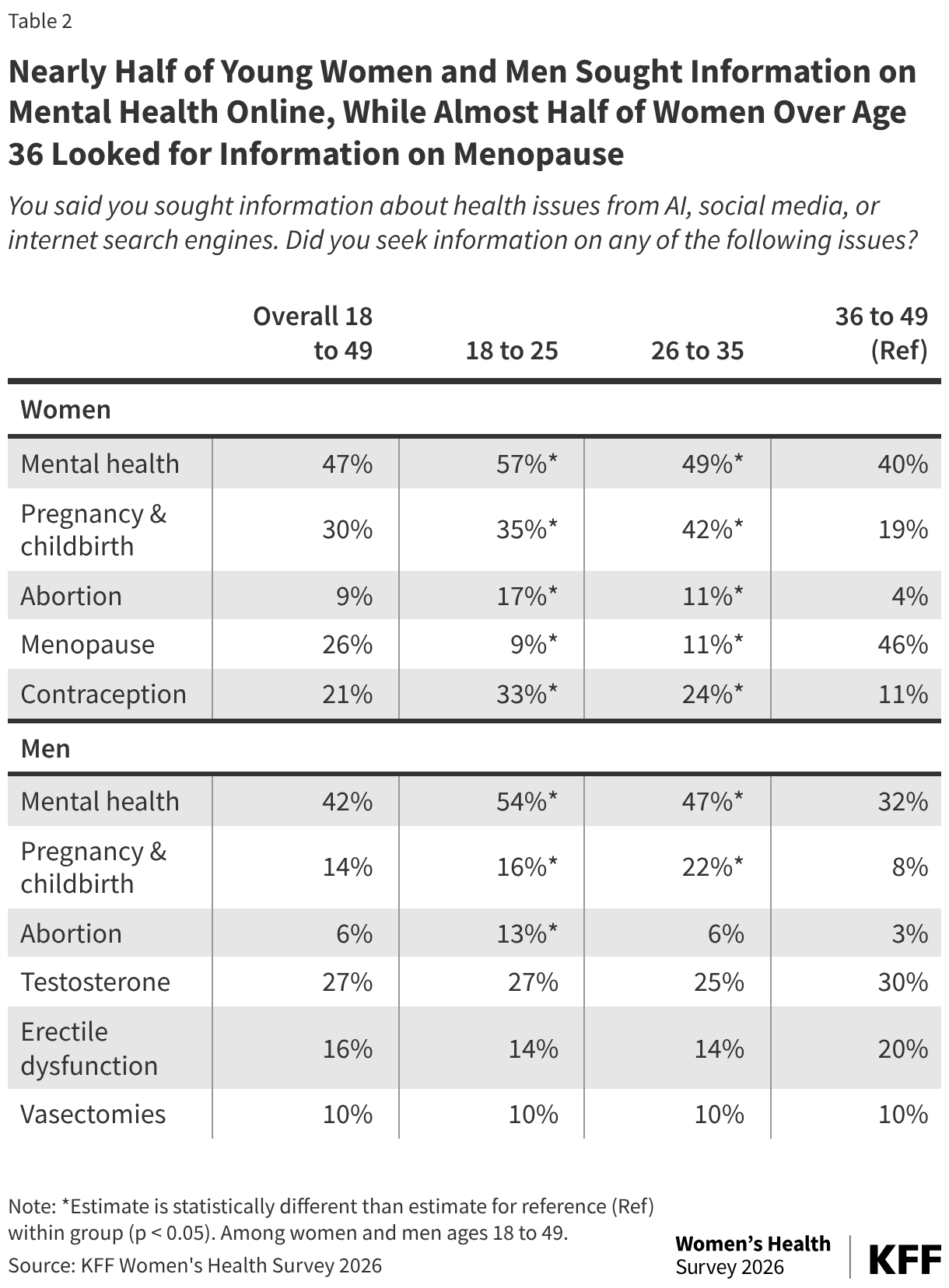
When examining specific health topics, mental health emerges as the predominant concern across all groups. Nearly half (47%) of reproductive-age women sought mental health information online, a figure that surges to 57% among women aged 18 to 25. Men show a similar prioritization, with 42% seeking mental health resources, including 54% of young men aged 18 to 25. Other frequently searched topics include pregnancy and childbirth (sought by 30% of reproductive-age women overall, and 71% of those who have been pregnant or given birth in the past three years), menopause (26% overall, rising to 46% among women aged 36 to 49), contraception (33% among women aged 18 to 25), and abortion (18% among young women).
The Rise of Contraceptive Misinformation on Social Media
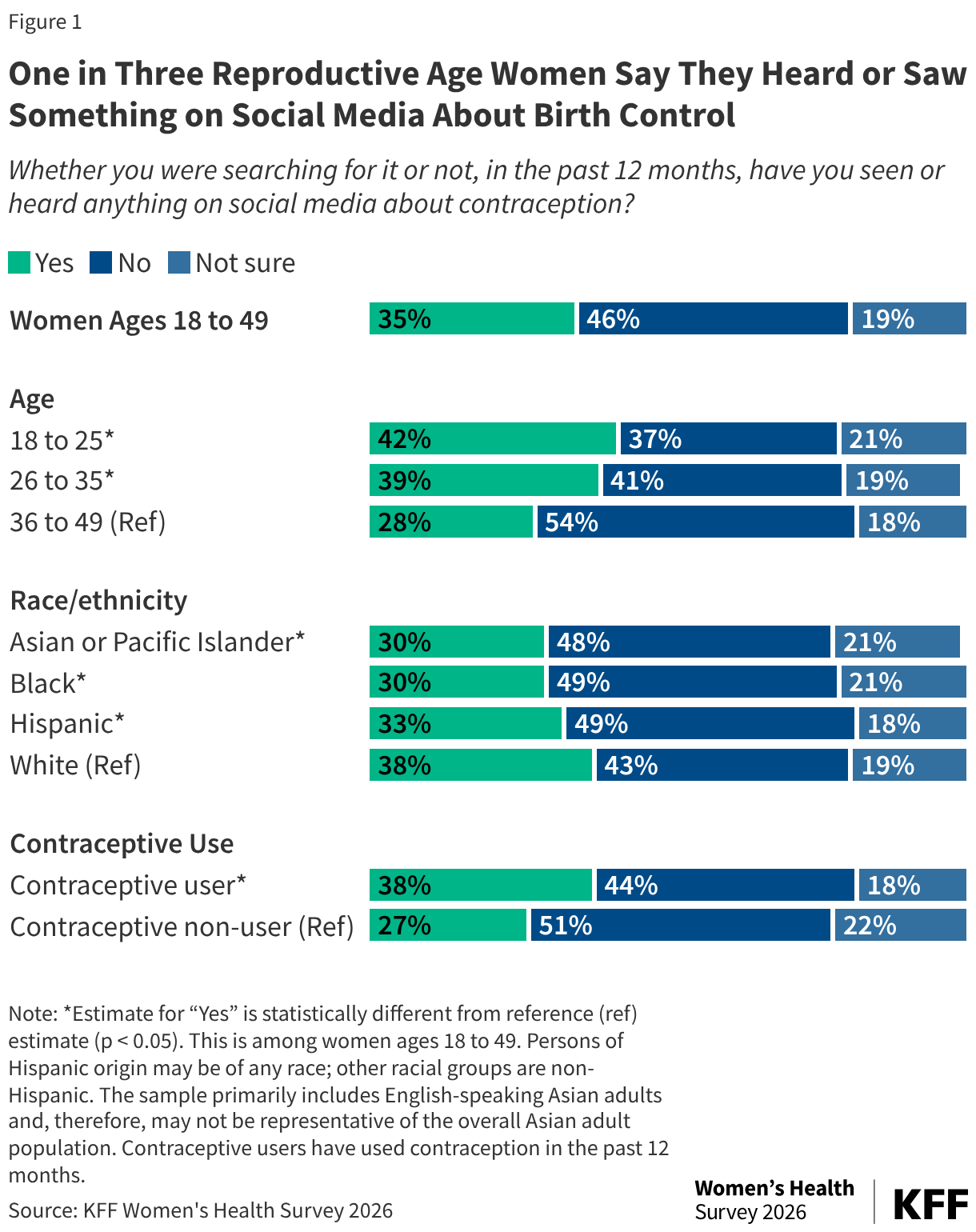
While social media serves as a community space for sharing lived experiences, it has simultaneously become a primary vector for unverified and false medical claims. Regardless of whether they actively sought it out, 35% of reproductive-age women report seeing or hearing content about contraception on social media within the past 12 months. Exposure is notably higher among younger cohorts—reaching 42% among women aged 18 to 25 and 39% among those aged 26 to 35—as well as among current contraceptive users (38%).
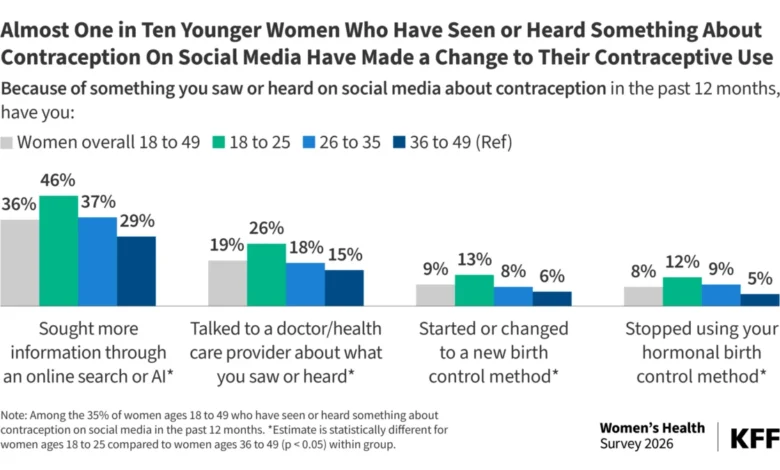
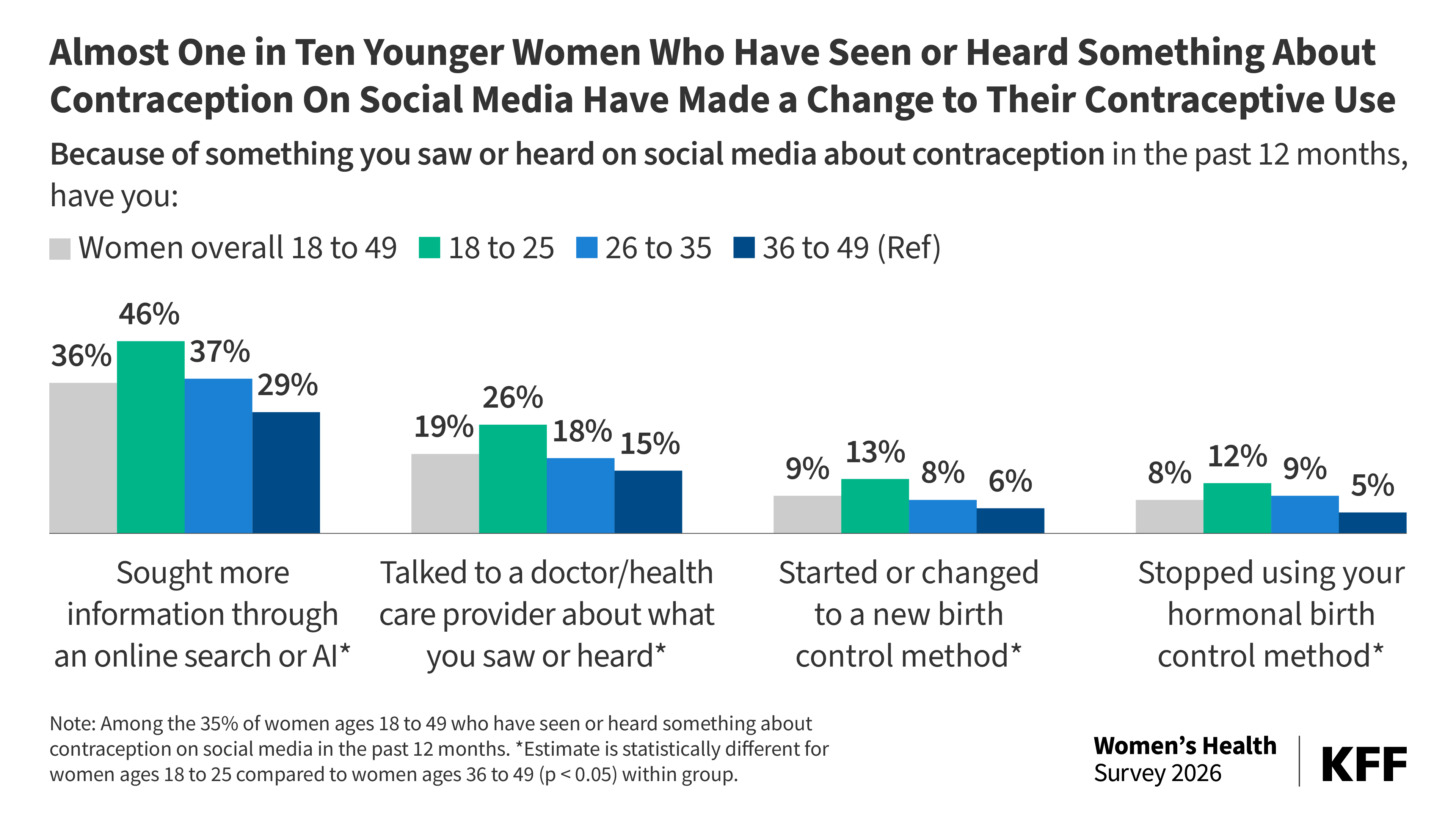
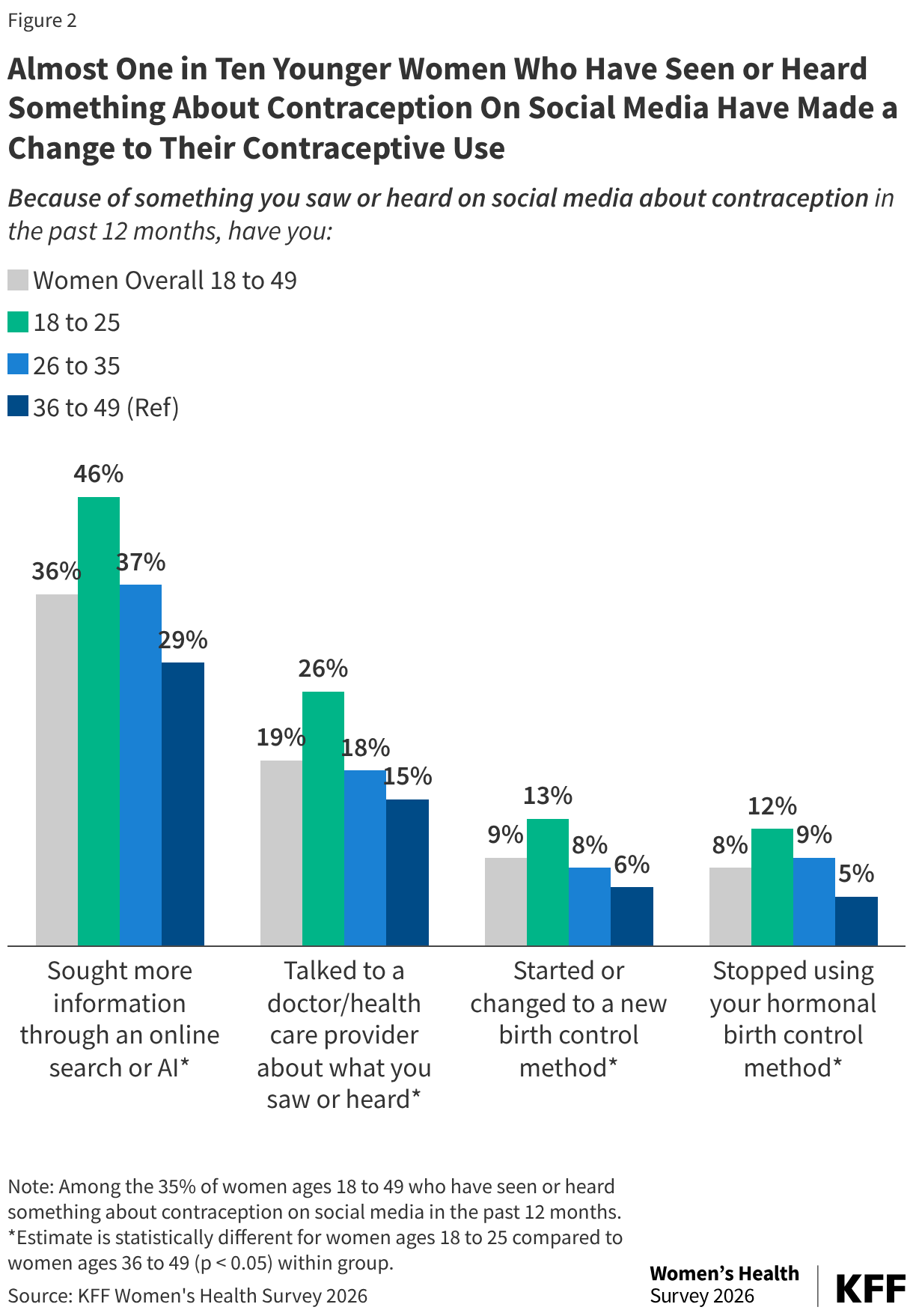
The data highlights a concerning pipeline from online exposure to real-world behavioral changes. Among women who encountered contraceptive information on social media, one in ten reported altering their contraceptive practices. Specifically, 8% stopped using hormonal birth control (representing 3% of all reproductive-age women), and 9% started or switched to a new method (representing 3% of all women). Additionally, 19% consulted a healthcare provider about what they saw, and 36% conducted further online or AI-driven searches. Younger women were consistently more likely to take these actions; 12% of women aged 18 to 25 stopped hormonal birth control after viewing social media content, compared to just 5% of women aged 36 to 49.
Widespread Falsehoods and Scientific Realities
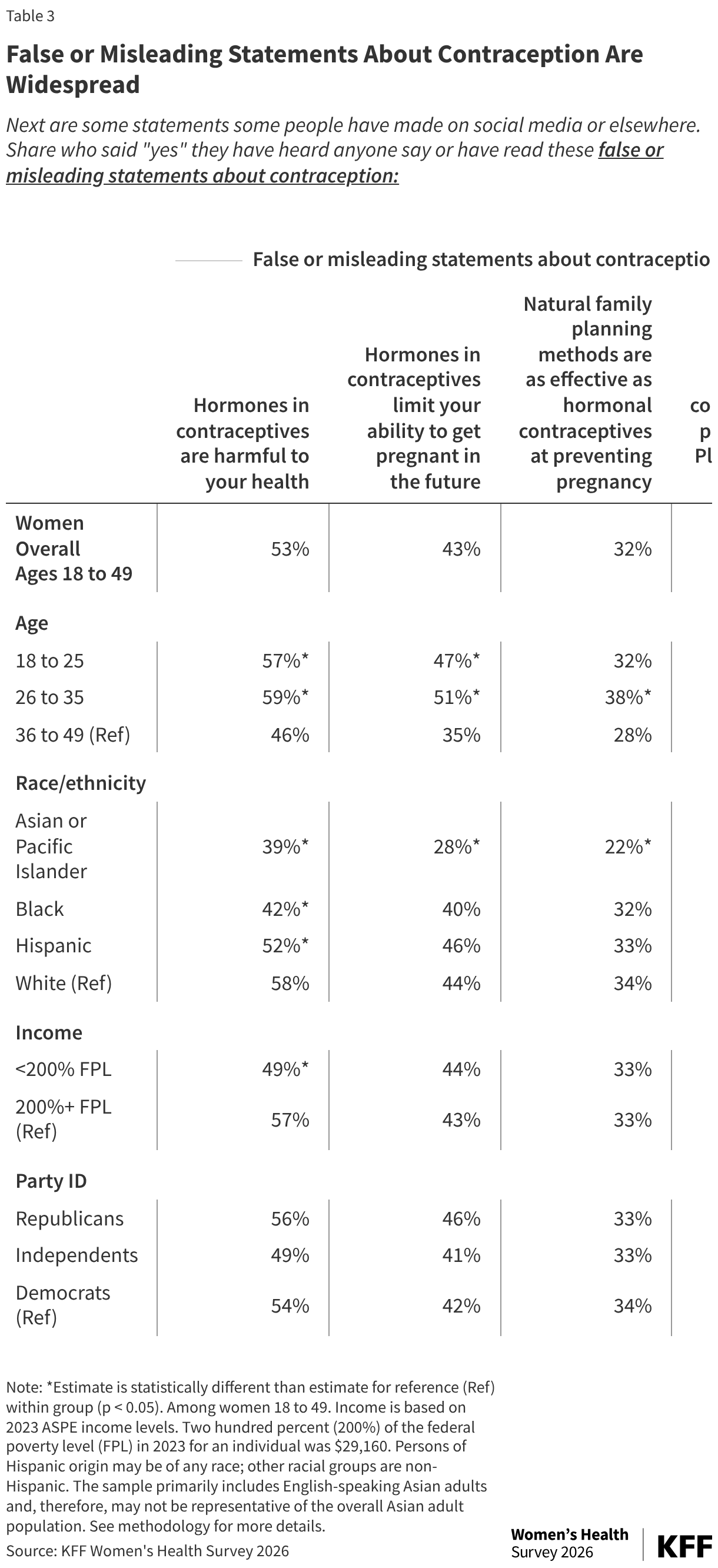
The KFF survey quantified public exposure to four pervasive, scientifically inaccurate claims regarding contraception, revealing widespread misinformation:
- Hormones are harmful: Approximately 53% of reproductive-age women have encountered the false claim that hormones in contraceptives are harmful to overall health. This myth is disproportionately encountered by younger women, while women of color report lower initial exposure rates.
- Fertility limitations: Roughly 43% of reproductive-age women have heard the misconception that hormonal contraceptives permanently limit a person’s future ability to get pregnant. Medical consensus confirms that fertility typically returns promptly upon discontinuing hormonal birth methods.
- Natural family planning equivalence: One in three women (32%) have been exposed to the claim that natural family planning methods are just as effective as hormonal contraceptives at preventing pregnancy. According to the American College of Obstetricians and Gynecologists (ACOG), fertility awareness-based methods have a typical-use effectiveness rate ranging from 77% to 98%, whereas hormonal contraceptives achieve 93% to 99.9% effectiveness.
- Emergency contraception misconceptions: One in three women (32%) have heard the inaccurate statement that emergency contraceptive pills, such as Plan B, cause abortions. Medical authorities emphasize that emergency contraception prevents or delays ovulation; it cannot terminate an established pregnancy, disrupt implantation, or affect a developing embryo.
Trust Deficits and Public Perception of Medical Authorities
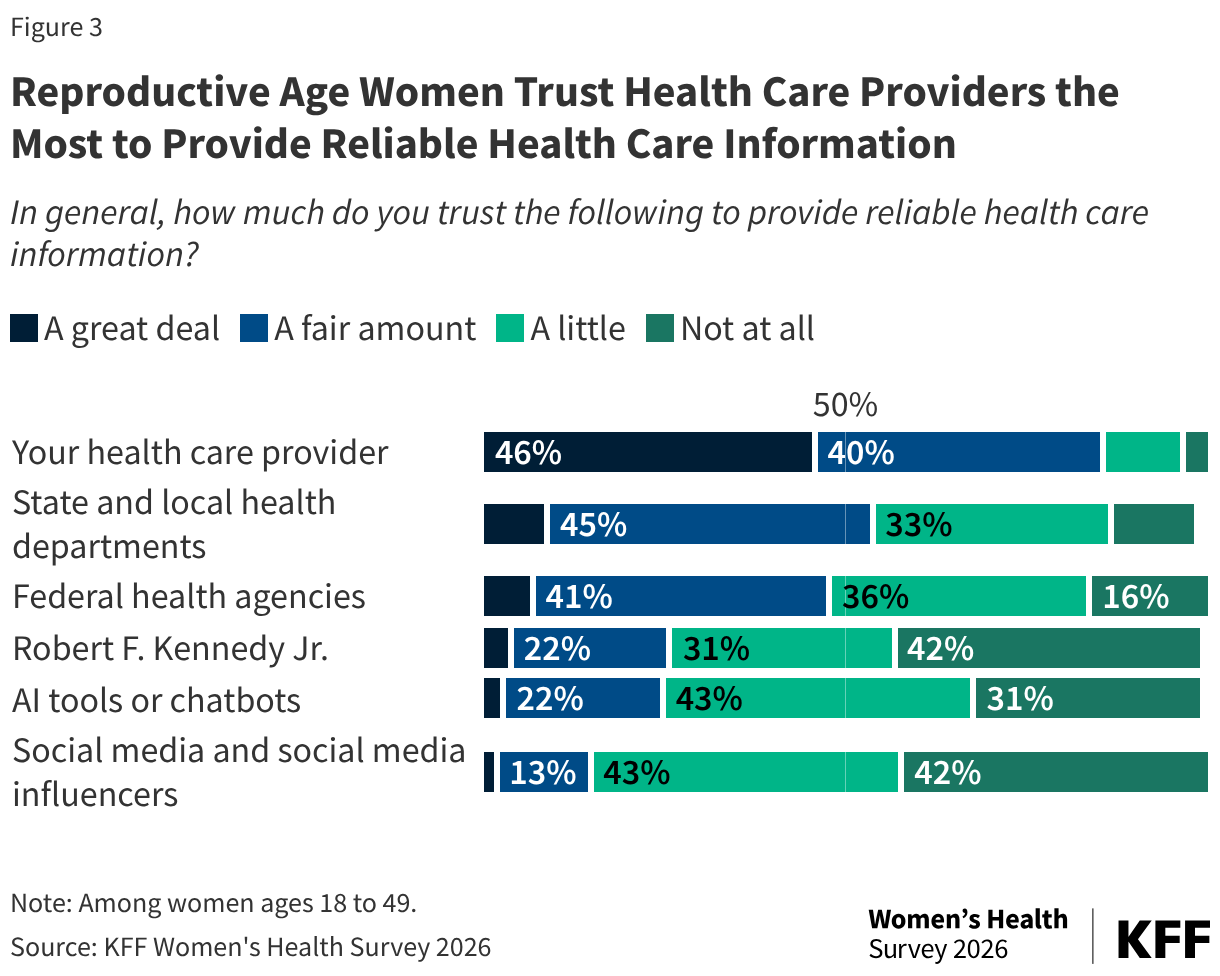
Amid the noise of digital misinformation, trust hierarchies remain distinct. The vast majority of reproductive-age women (86%) and men (79%) place a high degree of trust in their personal healthcare providers, making clinicians the most reliable source of medical information. State and local health departments also command substantial trust, with 55% of women—and up to 63% of Asian women and 64% of Democratic respondents—expressing confidence in their guidance.
Conversely, newer digital channels and federal health institutions face significant skepticism. While one-quarter (25%) of reproductive-age women trust AI tools and chatbots for reliable health data, only 15% express trust in social media platforms and digital influencers—though this figure rises to 21% among the 18-to-25 age bracket.
Trust in federal health agencies stands at 48% among reproductive-age women, reflecting the fallout from recent systemic disruptions, federal workforce reductions, and administrative changes across agencies like the Centers for Disease Control and Prevention (CDC) and the Department of Health and Human Services (HHS). Furthermore, only 26% of reproductive-age women express trust in the head of HHS, Robert F. Kennedy Jr., to provide reliable healthcare information.
Broader Implications for Public Health and Policy
The findings of the 2026 KFF Women’s Health Survey underscore a critical vulnerability in modern public health infrastructure. As digital platforms and AI systems outpace traditional institutional communication, misperceptions surrounding vital reproductive health services can rapidly influence patient choices, potentially leading to unintended pregnancies or the abandonment of safe, effective medical treatments.
Public health analysts emphasize that combating this infodemic requires targeted interventions. Because younger demographics, low-income individuals, and marginalized communities rely heavily on social media and AI for medical inquiries, medical professionals and public health institutions must proactively meet patients where they are. By deploying evidence-based content across digital channels and equipping primary care providers to address common online myths during routine consultations, healthcare systems can help bridge the gap between digital accessibility and medical accuracy.
Methodology and Survey Background
Designed and analyzed by women’s health researchers at KFF, the 2026 KFF Women’s Health Survey was conducted between March 11 and April 14, 2026. The research utilized a nationally representative sample of 5,854 adults aged 18 to 64, including 3,538 women aged 18 to 49, drawing from the SSRS Opinion Panel and the Ipsos Knowledge-Panel. Sampling, weighting, tabulation, and Institutional Review Board (IRB) approval were managed by SSRS of Glenn Mills, Pennsylvania. The national sample was weighted to match population parameters derived from the Current Population Survey and other demographic benchmarks, with an overall margin of sampling error of plus or minus 2 percentage points for the national sample of women aged 18 to 49.
Related posts: