Your morning coffee may be doing more than helping you wake up. While millions of people worldwide rely on the aromatic beverage to navigate the cognitive demands of the workday, new research suggests that caffeine’s biological utility extends far beyond mere alertness. A groundbreaking study conducted by the Cellular Ageing and Senescence laboratory at Queen Mary University of London has uncovered evidence that caffeine acts as a molecular key, unlocking an ancient cellular energy system responsible for stress resistance, DNA repair, and growth regulation—processes that are fundamentally tethered to the human aging trajectory.
The findings, published in the peer-reviewed journal Microbial Cell, represent a significant pivot in our understanding of how one of the world’s most widely consumed neuroactive compounds interacts with the basic machinery of life. By investigating the mechanistic pathways through which caffeine influences longevity, researchers are beginning to bridge the gap between simple dietary habits and the complex science of metabolic health.
The Biological Blueprint: Why Yeast Matters
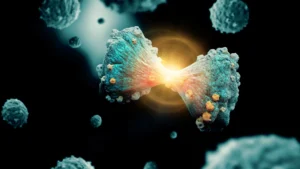
To understand the scope of these findings, one must look to the humble fission yeast, Schizosaccharomyces pombe. Despite its simplicity, this single-celled organism serves as a "mini-human" model in biological research. Because fission yeast shares highly conserved genetic pathways with humans, it allows scientists to observe fundamental cellular responses to external stimuli without the ethical and logistical complexities of human clinical trials.
The research team, led by Dr. John-Patrick Alao and senior author Dr. Charalampos (Babis) Rallis, sought to identify exactly how caffeine interacts with the internal "fuel gauge" of a cell. For decades, the scientific community has observed an epidemiological correlation between coffee consumption and a reduced risk of age-related conditions, such as cardiovascular disease, Type 2 diabetes, and certain neurodegenerative disorders. However, the exact intracellular mechanism responsible for these protective effects remained elusive.
Chronology of Discovery: From TOR to AMPK
The journey toward this discovery began several years ago when the Queen Mary research group first identified a link between caffeine and the Target of Rapamycin (TOR) pathway. TOR is a protein kinase that acts as a central switch for cell growth, responding to nutrient availability. When nutrients are abundant, TOR promotes growth; when nutrients are scarce, TOR activity decreases, often leading to improved stress resistance and increased lifespan.
Initially, researchers hypothesized that caffeine’s longevity-extending properties were the result of direct interaction with the TOR switch. However, the most recent investigation revealed a surprising divergence. Through meticulous genetic screening, the team discovered that caffeine actually targets a different, yet equally critical, system: AMPK (AMP-activated protein kinase).
AMPK acts as the body’s master metabolic sensor. It monitors the ratio of AMP to ATP within the cell, effectively acting as a high-precision fuel gauge. When energy levels drop—a state known as metabolic stress—AMPK activates to restore balance by inhibiting energy-consuming processes and stimulating energy-producing ones. By influencing this pathway, caffeine appears to induce a state of "metabolic mimicry," essentially tricking the cell into prioritizing survival and repair mechanisms over rapid, uncontrolled growth.
Data and Implications: The Metformin Connection
The identification of AMPK as the primary target of caffeine brings the substance into the same conversation as metformin, a staple drug in the treatment of Type 2 diabetes. Metformin is widely recognized for its ability to activate AMPK, and it is currently one of the most studied candidates in the field of geroscience—the study of the biology of aging.
The implications of this crossover are profound. If caffeine can modulate the same pathways as established therapeutic agents, it may partially explain why habitual coffee drinkers exhibit a different metabolic profile compared to non-drinkers. According to data from the World Health Organization (WHO) and various longitudinal health studies, moderate coffee consumption has been associated with improved glucose sensitivity and a lower risk of metabolic syndrome.
While it is critical to note that these findings are currently confined to yeast models, the conservation of the AMPK pathway across 500 million years of evolution suggests that the mechanism is likely present in humans. Dr. Rallis notes, "When your cells are low on energy, AMPK kicks in to help them cope. Our results show that caffeine helps flip that switch." This "flipping of the switch" likely triggers a cascade of downstream effects, including enhanced DNA repair, which is vital for preventing the accumulation of genetic mutations that drive senescence and age-related pathologies.
Broader Scientific Impact
The research conducted at Queen Mary University of London does not exist in a vacuum. It aligns with a growing body of literature examining "geroprotectors"—substances that extend the healthy lifespan of organisms. The scientific community is currently engaged in a rigorous debate regarding how dietary interventions can influence epigenetic aging.
Critics of the "coffee for longevity" narrative correctly point out that high doses of caffeine can have adverse effects, including hypertension, insomnia, and anxiety. Furthermore, the delivery method—often involving cream, sugar, or synthetic sweeteners—can negate the potential metabolic benefits of the coffee bean itself. The study does not advocate for an increase in caffeine intake, nor does it suggest that coffee is a panacea for aging. Instead, it provides a mechanistic framework for future clinical research.
"These findings help explain why caffeine might be beneficial for health and longevity," says Dr. Alao. "And they open up exciting possibilities for future research into how we might trigger these effects more directly—with diet, lifestyle, or new medicines."
Fact-Based Analysis of the Future
Moving forward, the challenge for researchers will be to determine the specific dosage and timing required to elicit these cellular benefits in humans without triggering the side effects associated with over-stimulation of the central nervous system. Clinical trials could potentially explore whether the isolated compounds found in coffee, when administered in controlled, non-jittery doses, could be used to treat metabolic disorders or improve cellular resilience in aging populations.
The research also underscores the importance of "hormesis"—the concept that mild, beneficial stress can stimulate protective biological responses. By briefly activating the energy-sensing AMPK system, caffeine may be providing a mild, manageable stressor that prepares the cell to defend itself against more significant threats, such as DNA damage or metabolic imbalance.
As we continue to decode the complex relationship between our diet and our cellular health, this study serves as a critical milestone. It transforms our understanding of coffee from a mere stimulant into a biological signal capable of engaging with the deepest layers of our evolutionary programming. While the morning cup of coffee remains a ritual of habit and culture, it is increasingly becoming a subject of serious molecular inquiry—one that may eventually provide the blueprint for healthier, more resilient aging.
Conclusion
The research from the Centre for Molecular Cell Biology at Queen Mary University of London provides a robust foundation for future study. By mapping the interaction between caffeine and the AMPK pathway, scientists have opened a new window into the biology of aging. While the transition from yeast to human clinical application remains a significant hurdle, the discovery validates the long-held intuition that our dietary choices are not merely providing calories, but are actively communicating with the intricate, ancient systems that govern the very pace of life. As investigations continue, the humble coffee bean may well secure its place not just on the breakfast table, but in the laboratory as a vital tool for understanding the future of human longevity.