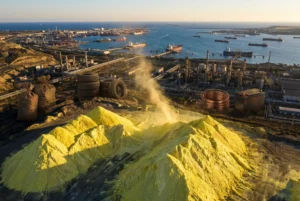
The recent milestone in San Francisco, where the average retail price for a gallon of diesel fuel surpassed $8, marks a significant inflection point in American energy economics. This historic price surge, the first time any U.S. metropolitan area has breached the $8 threshold, underscores a deepening volatility in the domestic fuel market. While energy analysts often attribute such spikes to seasonal refinery maintenance or regional supply bottlenecks, the current situation reveals a confluence of structural vulnerabilities within the global energy supply chain and long-term shifts in North American refining capacity.
The Macroeconomic Significance of Diesel Fuel
Diesel is frequently described by economists as the primary driver of the industrial economy. Unlike gasoline, which is largely consumed by light-duty passenger vehicles, diesel is the essential propellant for heavy-duty freight, agricultural equipment, and maritime shipping. According to the U.S. Department of Transportation, nearly 70% of all domestic freight by weight is moved via truck. Consequently, the correlation between diesel costs and the Consumer Price Index (CPI) is direct and profound. As fuel costs climb, the "transportation tax" is inevitably passed to the end consumer, manifesting in higher prices for perishable goods, building materials, and essential pharmaceuticals.
Data from the Bureau of Labor Statistics suggests that when diesel prices sustain elevated levels for more than one fiscal quarter, the inflationary impact ripples across the entire supply chain. Because diesel is required for both the cultivation of crops—via tractors and combine harvesters—and their subsequent distribution, a sustained crisis in fuel availability creates a compounding effect on food security.
Chronology of the Refining Decline
The current constraints are not the result of a single isolated event but rather the culmination of a decade-long shift in the North American refining sector. Since 2010, the United States has seen a reduction in total operable refinery capacity. Several factors contributed to this contraction:
- 2015–2019: A period of sustained low margins prompted many mid-sized refineries to cease operations or pivot toward renewable diesel production, which utilizes different feedstocks and infrastructure.
- 2020: The global pandemic caused a catastrophic collapse in demand, leading to the permanent closure of several high-capacity facilities on the East and West Coasts.
- 2021–2023: Regulatory shifts and environmental mandates accelerated the decommissioning of older, less efficient units, reducing the total "cushion" of excess capacity that typically buffers the market against supply shocks.
- 2024–Present: Geopolitical instability, particularly involving the Strait of Hormuz, has disrupted the flow of crude oil, leading to erratic pricing that refineries are struggling to hedge against.
Industry reports now indicate that national diesel reserves have fallen to levels not seen in decades, with some estimates placing current inventories at less than 25 days of consumption. This "inventory deficit" leaves the economy uniquely susceptible to even minor disruptions in the global oil market.
Geopolitical Pressures and the Strait of Hormuz
The Strait of Hormuz remains the world’s most critical maritime chokepoint, with approximately one-fifth of the world’s total oil consumption passing through the narrow passage daily. Recent tensions involving safe-passage negotiations have led to significant premiums on crude futures. When the cost of a barrel of oil increases, the cost of the refined product—diesel—rises disproportionately because diesel is more difficult and energy-intensive to refine than gasoline.
JPMorgan’s senior global economist Nora Szentivanyi has noted in recent briefings that "Food Security Is National Security," emphasizing that disruptions in energy transit create a "compounding storm." When the cost of bunker fuel for cargo ships increases, international logistics companies often consolidate routes or reduce frequencies, leading to localized shortages of imported goods. This interconnectedness means that an energy crisis in one region of the world effectively exports inflation to the domestic U.S. market.
Official Responses and Industry Outlook
In response to the rising costs, the Department of Energy (DOE) has periodically monitored the Strategic Petroleum Reserve (SPR), though experts point out that the SPR is comprised mostly of crude oil rather than refined diesel. Crude oil requires significant time and specialized refining capacity to be transformed into the diesel fuel required for commercial trucks and farm equipment.

Industry trade groups, including the American Trucking Associations (ATA), have voiced concerns regarding the potential for "fuel deserts," where small-scale logistics companies may be unable to afford the overhead of rising fuel prices, leading to a consolidation of the shipping industry. Smaller firms operate on razor-thin margins, and a persistent $8 per gallon price point effectively renders many long-haul routes unprofitable.
Furthermore, retail data indicates that major grocery chains have begun to refine their logistics models, prioritizing the movement of high-turnover items to ensure that shelves remain stocked with essential goods while potentially reducing the variety of non-essential inventory. This is a subtle, yet measurable, response to the increased cost of distribution.
Long-Term Implications for the Domestic Economy
The current diesel environment presents a multifaceted challenge for policymakers. On one hand, there is an impetus to encourage energy transition and carbon reduction. On the other, the physical infrastructure of the American economy remains heavily reliant on internal combustion for the foreseeable future.
The transition toward alternative fuel sources—such as electric heavy-duty vehicles or hydrogen-powered trucking—is currently in the pilot phase. However, the energy density of diesel remains unmatched for long-haul heavy transport. Analysts suggest that unless there is a significant investment in expanding refinery capacity or diversifying the energy mix for logistics, the U.S. will remain vulnerable to supply chain volatility.
Economists also point to the "multiplier effect" of fuel prices. If diesel remains at record highs, the impact on the agricultural sector will likely manifest in the next harvest cycle. Farmers facing high costs for diesel-powered equipment and high costs for nitrogen-based fertilizers (which are produced using natural gas, another volatile energy commodity) may opt to plant lower-input crops or reduce overall acreage, potentially leading to long-term food price increases.
Strategies for Economic Resilience
In light of these developments, corporate and municipal leaders are increasingly looking at "decentralized logistics." By shortening supply chains and sourcing products from regional producers, companies hope to insulate themselves from the extreme costs of long-haul fuel. Similarly, agricultural experts are encouraging the adoption of precision farming techniques designed to maximize yield while minimizing the number of hours heavy equipment spends in the field.
While individual consumers have little control over global commodity markets, the current crisis has spurred renewed interest in personal and community-level preparation. Retailers and distributors are noting an uptick in demand for long-shelf-life goods, suggesting that the public is becoming increasingly aware of the fragility of the "just-in-time" delivery model that has defined the American retail experience for the last thirty years.
Conclusion: Navigating a New Energy Reality
The arrival of the diesel crisis is a stark reminder of the delicate balance required to maintain a modern, industrial economy. As prices test new highs, the necessity for a cohesive energy strategy—one that balances environmental goals with the immediate, non-negotiable requirements of food and goods distribution—becomes more apparent.
The coming months will be critical in determining whether this price spike remains a regional anomaly or signals a structural shift in the cost of doing business in America. For now, the combination of low reserves, geopolitical uncertainty, and aging infrastructure suggests that the market will remain volatile. Policymakers, industry stakeholders, and the public are all adjusting to a new reality where energy independence is not merely a political talking point, but a fundamental component of economic and national security. The focus for the immediate future will remain on the resilience of the supply chain and the ability of the domestic market to absorb these historic energy costs without triggering broader economic instability.
Related posts: