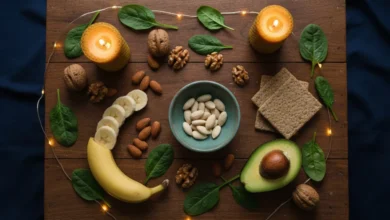
Balancing the Pitta Fire: An Integrative Ayurvedic Approach to Navigating Perimenopause and Metabolic Health


The transition into perimenopause and menopause represents one of the most significant biological shifts in a woman’s life, often characterized by a complex array of symptoms that range from vasomotor instability—commonly known as hot flashes—to cognitive disruptions and metabolic alterations. As modern medicine continues to refine its understanding of this period, a growing number of practitioners are integrating ancient Ayurvedic principles with clinical endocrinology to provide a more holistic framework for treatment. According to Avanti Kumar-Singh, M.D., and Tanmeet Sethi, M.D., founders of the wellness platform Arvasi, the physiological turbulence of perimenopause is closely linked to an overflow of the "pitta" dosha, or the fire element, which manifests biologically as systemic inflammation and metabolic dysfunction.
In the Ayurvedic tradition, the human constitution is governed by three doshas: Vata (air and space), Pitta (fire and water), and Kapha (earth and water). Pitta is responsible for transformation, governing metabolism, digestion, and the processing of sensory information. For women between the ages of 25 and 55—a period Ayurveda identifies as the "householder years"—pitta is naturally elevated to support the high-demand activities of building careers, raising families, and managing complex social structures. However, when this fire remains unbuffered by restorative practices, it can "brim over," leading to the inflammatory symptoms that define the perimenopausal experience.
The Biological Intersection of Hormones and Inflammation
The transition to menopause is marked by a decline in the production of estrogen and progesterone by the ovaries. In a clinical context, these hormones do more than regulate reproduction; they serve as potent anti-inflammatory agents. Estrogen, in particular, has a protective effect on the cardiovascular system and the brain. As levels drop, the body loses its natural "cooling" mechanism, allowing inflammatory markers to rise.
Dr. Kumar-Singh notes that women in midlife are often "slammed from both directions." On one hand, the external stressors of the householder years maintain a high level of pitta (stress and heat). On the other hand, the internal loss of hormonal buffers leaves the body vulnerable to that heat. This dual pressure results in the classic symptoms of perimenopause: night sweats, brain fog, joint pain, and irritability. From an integrative perspective, these are not merely nuisances but signals of a deeper metabolic transformation that requires proactive management.
Metabolic Health and the Role of Insulin Resistance
One of the most critical implications of the "increased fire" in the body is its impact on metabolic biomarkers. Dr. Tanmeet Sethi emphasizes that perimenopause is a period of significant metabolic vulnerability. Clinical data shows that as women transition through menopause, they tend to become more insulin resistant, even in the absence of changes to their diet or exercise routines.
Insulin resistance occurs when the body’s cells become less responsive to the hormone insulin, leading to higher levels of glucose in the bloodstream. This state contributes to a pro-inflammatory environment and is closely linked with the elevation of cortisol, the body’s primary stress hormone. High cortisol levels, driven by the "pitta" demands of a high-stress lifestyle, often lead to "visceral adiposity," or the accumulation of weight in the midsection.

Medical practitioners often look at C-reactive protein (CRP) levels and fasting insulin as real-time indicators of this inflammatory environment. Dr. Sethi argues that the goal of preventive medicine should be to identify these metabolic shifts long before they manifest as prediabetes or Type 2 diabetes on a standard Hemoglobin A1c (HbA1c) test. By addressing the "fire" early, women can mitigate the long-term risks of cardiovascular disease and metabolic syndrome.
Chronology of the Menopausal Transition
The transition is generally categorized into three distinct phases, each requiring different levels of intervention:
- Late Reproductive Stage (Late 30s to Early 40s): Subtle changes in cycle length and the onset of occasional sleep disturbances. Pitta may begin to accumulate due to career and family pressures.
- Early Perimenopause (Mid-40s): Increased variability in menstrual cycles. The first significant drops in progesterone occur, leading to increased anxiety and poorer sleep quality.
- Late Perimenopause (Late 40s to Age 51-52): Characterized by "skipped" periods and more intense vasomotor symptoms (hot flashes). This is the peak of the inflammatory "fire."
- Menopause (Average Age 51-52): Defined as the point when a woman has gone 12 consecutive months without a period. The metabolic profile has often shifted significantly by this stage.
Strategies for Rebalancing: A Multi-Pillar Approach
To calm the systemic fire and restore metabolic balance, Kumar-Singh and Sethi advocate for a multi-faceted approach that combines lifestyle medicine with Ayurvedic wisdom.
The Power of Awareness and Choice
The first step in calming the pitta fire is psychological awareness. Dr. Kumar-Singh encourages women to evaluate their daily choices through a binary lens: "Is this choice fueling the fire or balancing it?" For example, while high-intensity interval training (HIIT) is often touted for weight loss, performing a grueling workout while sleep-deprived and anxious may actually increase cortisol and inflammation, thereby fueling the fire rather than extinguishing it. Awareness allows for the substitution of "cooling" activities, such as yoga or walking, during times of high stress.
Gut Health and the Microbiome
The digestive system is considered the "seat" of pitta in Ayurveda. Modern science supports this, showing that the gut microbiome plays a crucial role in regulating blood sugar and estrogen metabolism. The "estrobolome"—a collection of bacteria in the gut dedicated to metabolizing and sequestering estrogen—must be healthy to ensure hormonal balance.
Improving gut health involves a high-fiber diet, aiming for 25 to 38 grams per day, and the inclusion of fermented foods like kimchi, kefir, and sauerkraut. These interventions help lower systemic inflammation and improve insulin sensitivity.
Sleep and Circadian Medicine
Sleep deprivation is perhaps the most significant "fuel" for the inflammatory fire. Dr. Sethi points out that even a single night of poor sleep can cause a person’s bloodwork to resemble a prediabetic state the following morning. During perimenopause, the decline of progesterone—a naturally calming hormone—makes sleep elusive.

Circadian medicine, which involves aligning the body’s internal clock with natural light cues, is essential. This includes maintaining a cool, dark environment for sleep and avoiding blue light exposure in the evening to allow natural melatonin production to rise.
Nutrition and Strength Training
From an Ayurvedic perspective, nutrition is personalized based on one’s dosha. To counteract pitta, "cooling" foods and spices (such as coriander, fennel, and coconut) are often recommended over "heating" foods (such as hot peppers, excessive caffeine, and alcohol).
Simultaneously, strength training becomes a non-negotiable component of metabolic health. Muscle tissue acts as a "glucose sink," helping the body manage insulin more effectively. As women lose muscle mass (sarcopenia) during the menopausal transition, resistance training becomes the primary tool for maintaining a healthy metabolic rate.
The Role of Hormone Replacement Therapy (HRT)
While lifestyle modifications form the foundation of health, both Dr. Kumar-Singh and Dr. Sethi acknowledge the role of Hormone Replacement Therapy (HRT). For many women, the symptoms of pitta imbalance are too severe to be managed by lifestyle alone. HRT can provide the necessary hormonal "floor" to reduce inflammation and protect bone and heart health. However, the experts emphasize that HRT is most effective when built upon a strong foundation of lifestyle medicine. Without addressing the underlying fire through diet, sleep, and stress management, HRT may only mask symptoms rather than resolve the underlying metabolic derangement.
Broader Implications and Analysis
The shift toward an integrative approach to perimenopause has significant implications for public health and the global workforce. Research indicates that menopausal symptoms contribute to billions of dollars in lost productivity and healthcare costs annually. By rebalancing the "fire" in their 30s and 40s, women can prevent the severe metabolic "crash" that often accompanies the final transition into menopause.
Furthermore, this approach challenges the traditional medical narrative that menopause is a "deficiency disease" to be cured. Instead, the Ayurvedic perspective views it as a "metabolic transformation." The goal is not to eliminate the pitta fire—which provides the drive and focus necessary for life’s many responsibilities—but to ensure it is harnessed and balanced.
As the medical community moves toward more personalized, gender-specific care, the integration of ancient systems like Ayurveda with modern diagnostics offers a promising path forward. By understanding the patterns behind their symptoms, women can regain a sense of agency over their bodies, turning a potentially tumultuous transition into a period of empowered health and renewed vitality.