Understanding Trimester Zero The Rising Global Trend in Preconception Wellness and Pregnancy Preparation


Trimester Zero represents a paradigm shift in how modern couples and healthcare providers approach the journey toward parenthood, moving beyond the traditional three-trimester model to include a dedicated period of preparation before conception occurs. While not an official medical designation recognized by formal diagnostic manuals, the concept has gained significant traction among reproductive health experts, wellness advocates, and prospective parents as a critical window for optimizing maternal and paternal health. This period, typically spanning three to six months before a couple attempts to conceive, focuses on the biological, nutritional, and lifestyle factors that influence the quality of gametes—eggs and sperm—and the environment in which a fetus will eventually develop. The emergence of Trimester Zero as a recognized trend reflects a growing body of scientific evidence suggesting that the health of both parents at the moment of conception can have lifelong implications for the child’s physical and neurological development.
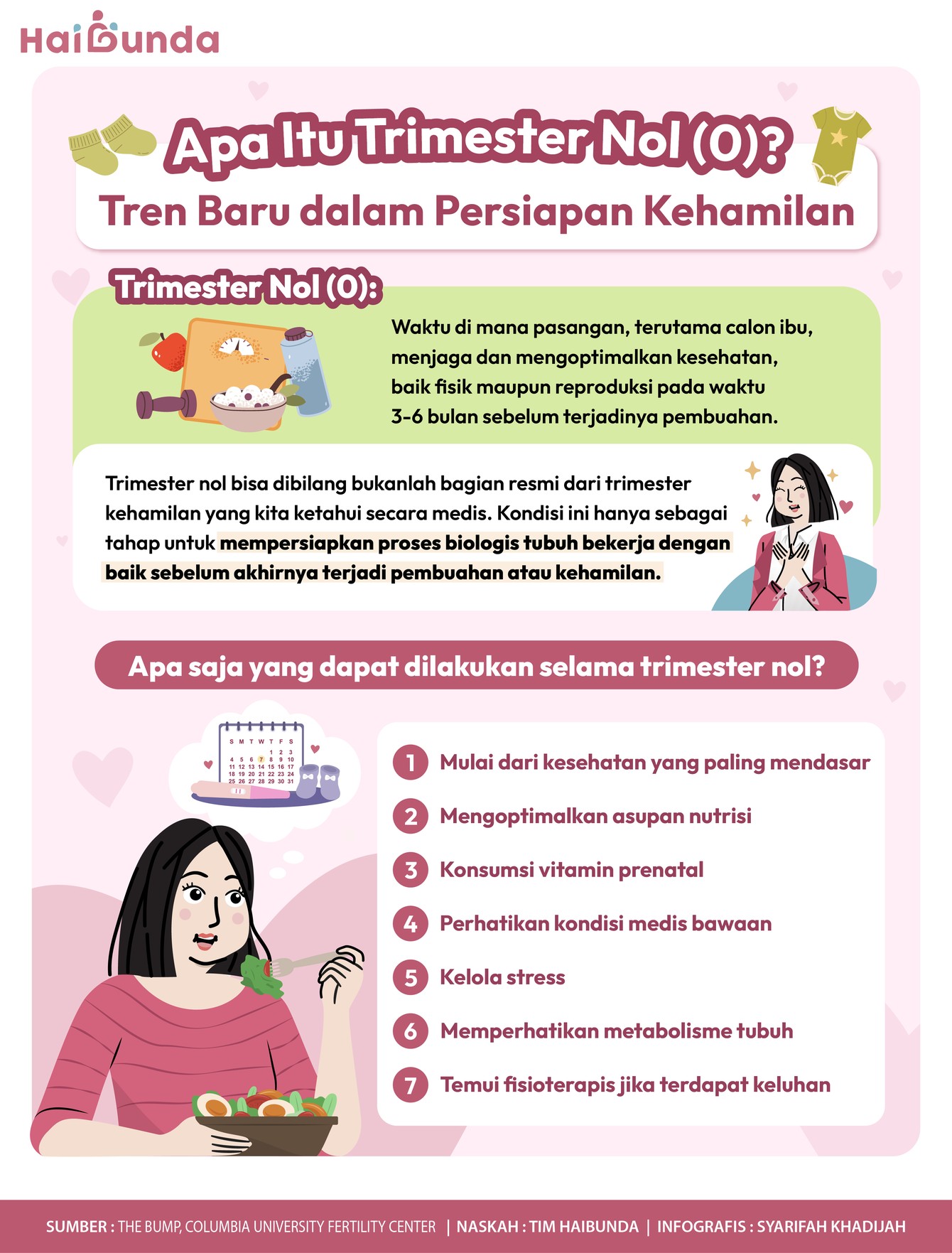
The Biological Rationale for Preconception Planning
The scientific foundation of Trimester Zero is rooted in the timelines of gametogenesis. In women, while they are born with all the eggs they will ever have, the final maturation process of an egg before ovulation takes approximately 90 to 100 days. During this window, the egg is highly sensitive to nutritional status, hormonal balance, and oxidative stress. Similarly, for men, the process of spermatogenesis—the production of new sperm—takes roughly 74 days. Therefore, the lifestyle choices made three months prior to conception directly impact the genetic integrity and motility of the sperm and the viability of the egg. By treating these months as a "zero trimester," couples can implement changes that improve the chances of a healthy pregnancy and reduce the risk of complications such as gestational diabetes, preeclampsia, and congenital abnormalities.

Medical professionals increasingly advocate for this proactive approach, citing the concept of "epigenetics." This field of study examines how environmental factors and lifestyle choices can turn certain genes on or off without changing the underlying DNA sequence. In the context of Trimester Zero, a mother’s diet or a father’s exposure to environmental toxins can leave "chemical marks" on the DNA of their reproductive cells, which are then passed on to the offspring. Consequently, the preparation period is no longer seen as a luxury for the ultra-health-conscious but as a foundational step in public health and preventative medicine.

A Chronological Timeline of Trimester Zero
The implementation of a Trimester Zero strategy usually follows a structured timeline designed to address various health pillars in a logical sequence.

Month One: Assessment and Screening
The initial phase focuses on clinical evaluation. This involves a preconception check-up with an obstetrician-gynecologist or a primary care physician. During this month, individuals typically undergo blood tests to check for nutrient deficiencies (such as Vitamin D and Iron), immunity to diseases like rubella and varicella, and screenings for chronic conditions like thyroid dysfunction or hypertension. This is also the period for genetic carrier screening, allowing couples to understand their risk of passing on hereditary conditions like cystic fibrosis or sickle cell anemia. For men, this month may involve a semen analysis if there are known risk factors, alongside a general physical to ensure cardiovascular health, which is closely linked to reproductive function.

Month Two: Nutritional and Lifestyle Calibration
Once the baseline health is established, the focus shifts to metabolic optimization. This is the stage where "nutritional priming" begins. The introduction of prenatal vitamins, specifically those containing at least 400 to 800 micrograms of folic acid, is essential. Scientific data from the Centers for Disease Control and Prevention (CDC) confirms that consistent folic acid intake starting at least one month before conception can reduce the risk of neural tube defects (NTDs) by up to 70%. Additionally, this month involves the elimination of "endocrine disruptors"—chemicals found in certain plastics, pesticides, and personal care products that can interfere with reproductive hormones. Lifestyle shifts, such as establishing a regular exercise routine and normalizing sleep patterns, are prioritized to stabilize cortisol levels.

Month Three: Final Optimization and Mental Readiness
The final month of Trimester Zero is dedicated to fine-tuning the body’s environment and preparing for the psychological shift of pregnancy. This involves "detoxing" from substances like alcohol and excessive caffeine, both of which have been linked to decreased fertility and increased miscarriage rates in early pregnancy. Mental health is also a core component of this phase; high levels of maternal stress have been correlated with lower birth weights and altered fetal brain development. Couples are encouraged to engage in stress-reduction techniques such as mindfulness, yoga, or counseling to ensure a supportive emotional foundation before the physical demands of the first trimester begin.

Supporting Data and Public Health Impact
The push for Trimester Zero is supported by alarming statistics regarding modern reproductive health. According to the World Health Organization (WHO), approximately 40% of pregnancies worldwide are unintended, meaning many women do not begin prenatal care or optimize their health until several weeks into the first trimester—long after the critical period of organogenesis (the formation of the baby’s organs) has begun. By the time a woman misses her period, the embryo’s heart is already starting to beat, and the neural tube is closing.

Furthermore, data suggests that the prevalence of chronic diseases in women of childbearing age is rising. In the United States, nearly 1 in 10 women of reproductive age has diabetes, and more than half are overweight or obese. These conditions significantly increase the risk of pregnancy complications. Trimester Zero provides a window to manage these conditions—for instance, through the Mediterranean diet, which has been clinically shown to improve fertility outcomes and reduce inflammation. For men, studies have shown that paternal obesity and smoking can lead to DNA fragmentation in sperm, which is associated with higher rates of miscarriage and childhood cancers. The "zero trimester" serves as a collective intervention for the couple to mitigate these risks.

Professional Reactions and Expert Perspectives
The medical community has largely embraced the philosophy behind Trimester Zero, though some caution against the commercialization of the trend. Dr. Elena Rossi, a reproductive endocrinologist, notes that "while the term ‘Trimester Zero’ is a marketing-friendly label, the underlying clinical necessity of preconception care cannot be overstated. We see a significant difference in pregnancy outcomes when patients have spent three months stabilizing their blood sugar and optimizing their micronutrient levels."

However, some sociologists argue that the trend could inadvertently place undue pressure on women, creating a "perfectionist" standard for pregnancy that is difficult to maintain. There is also the concern of accessibility; the intensive screenings and high-quality supplements associated with Trimester Zero can be expensive, potentially widening the health disparity gap. To counter this, public health advocates are calling for insurance companies to cover preconception counseling as a standard preventative service, ensuring that all prospective parents, regardless of socioeconomic status, can benefit from this preparation period.

Broader Implications for Global Health
The adoption of Trimester Zero has implications that extend far beyond individual families. From an economic perspective, investing in preconception health can drastically reduce long-term healthcare costs. Preterm births and birth defects account for billions of dollars in medical expenditures annually. By preventing even a small percentage of these cases through proactive maternal and paternal care, the burden on global healthcare systems could be significantly lightened.

Moreover, the trend signals a shift toward "paternal responsibility" in reproductive health. Historically, the burden of pregnancy preparation has fallen almost exclusively on women. The Trimester Zero framework explicitly includes the father, recognizing that 50% of the genetic material comes from the sperm and that paternal health influences the health of the placenta. This holistic approach encourages a partnership model of parenting from the very beginning.

In the digital age, the spread of Trimester Zero is being fueled by social media and health-tech platforms. Apps that track ovulation are now integrating "preconception modes" that provide daily tips on nutrition and toxin avoidance. While this democratization of health information is beneficial, experts urge parents-to-be to rely on evidence-based guidelines rather than unverified "wellness" influencers who may promote restrictive diets or unnecessary supplements.

Conclusion: The Future of Reproductive Health
As we move toward 2026 and beyond, the concept of Trimester Zero is likely to become a standard component of reproductive medicine. The transition from a reactive model of prenatal care to a proactive model of preconception wellness represents a significant milestone in human health. By acknowledging that a healthy pregnancy begins months before a positive test, society can better support the next generation’s potential.

The journey of parenthood is no longer viewed as starting at conception, but rather at the moment a couple decides they are ready to bring a life into the world. Through medical screening, nutritional optimization, and lifestyle adjustments, Trimester Zero offers a roadmap for navigating the complexities of modern fertility. As scientific research continues to unravel the mysteries of early development and epigenetics, the "zero trimester" will stand as a testament to the power of preparation, ensuring that every child has the healthiest possible start to life. Professional journalistic analysis suggests that as this trend matures, it will influence not only individual choices but also corporate wellness programs and national health policies, ultimately redefining the standard of care for families worldwide.