Sylvester Stallone Says He Paid a ‘Terrible Price’ For Years of Intense Film Roles: ‘I Abused [My Body]’

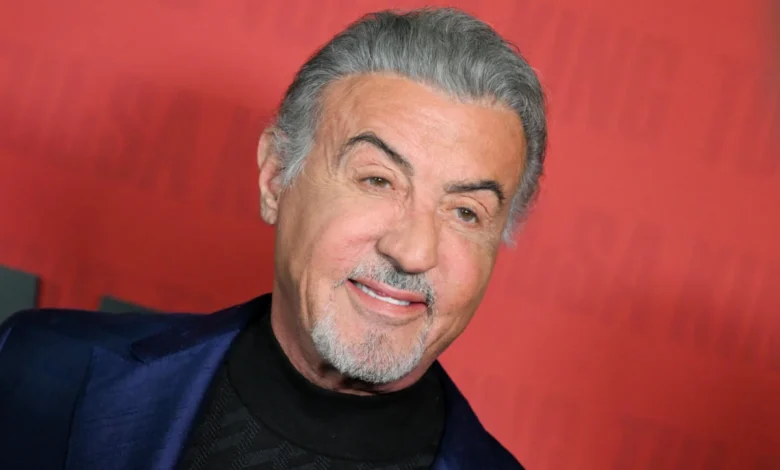
At 80 years old, legendary actor Sylvester Stallone is offering a candid, sobering reflection on the grueling physical price he paid to define the modern action hero. In a recent appearance on The New York Times’ podcast, The Interview, the star of the Rocky and Rambo franchises detailed the physiological devastation caused by decades of extreme dieting, performance-enhancing drugs, and a relentless commitment to performing his own high-impact stunts. His testimony provides a rare, unfiltered look at the darker side of the cinematic "ideal" that dominated the 1980s and 90s, revealing a legacy of chronic pain and surgical intervention that continues to shape his life today.
The Cost of the Rocky Physique
Stallone’s ascent to global superstardom in the mid-1970s was built upon his transformation into the ultimate underdog athlete. However, maintaining that image required a level of biological manipulation that the actor now describes as unsustainable and damaging. During the production of Rocky III, Stallone reached a body fat percentage of 2.6 percent—a figure that sits well below the threshold typically recommended for long-term health and athletic performance.
"It became to the point where I became bulimic," Stallone admitted during the podcast. He described the biological reality of maintaining such a lean frame while attempting to build the muscle mass necessary for the character of Rocky Balboa. "I got down to 2.6 percent body fat… and I couldn’t hold anything down." The caloric deficit, combined with the extreme dehydration required to achieve a "ripped" look for the cameras, created a state of physical fragility that forced the actor to rely on external chemical assistance.
Steroid Use and the Myth of Natural Transformation
One of the most significant revelations from Stallone’s interview was his admission of steroid use during the height of his career. Stallone acknowledged that the industry-wide pressure to look like a "freak of nature" often precluded the possibility of achieving such results through natural training and nutrition alone.
"If you’re going to work and try to stay in shape for six months straight and you’re eating yogurt and pudding, it’s not happening," Stallone explained. He openly discussed cycling performance-enhancing drugs, typically adhering to a six-weeks-on, six-weeks-off regimen. This cycle was a common, if often unspoken, practice in the era of hyper-muscular action stars. Stallone’s transparency serves as a historical corrective to the unrealistic standards often marketed to the public, highlighting that the "action hero" physique was as much a product of pharmacological intervention as it was of gym time.
A Legacy of Surgical Intervention
The physical repercussions of Stallone’s career extend far beyond the temporary damage of dieting. His commitment to performing his own stunts—leaping, falling, and fighting in ways that modern insurance policies would likely forbid—left him with a medical history that is extensive and permanent.
Stallone’s health report card is a testament to the cumulative trauma of his filmography. He has undergone nine back operations, three neck fusions, and two shoulder surgeries. "I’m held together with metal," he stated, noting that despite the constant pain and the necessity of "a lot of pills" to manage his daily comfort, his drive to remain physically active remains undiminished. This cycle of injury and recovery has defined the latter half of his life, turning the "man of steel" persona into a literal reality, albeit one defined by orthopedic hardware rather than raw strength.
The Evolution of Hollywood Stunt Standards
The conversation surrounding Stallone’s injuries arrives at a pivotal moment in the industry’s history. For decades, the "tough guy" ethos was a hallmark of success for actors like Stallone, Arnold Schwarzenegger, and Bruce Willis. Being a "true" actor meant doing your own stunts, even when those stunts involved significant risk of long-term disability.

However, the industry has seen a massive shift in the last twenty years. The rise of sophisticated CGI, combined with a greater emphasis on professional stunt performers and rigorous safety protocols, has largely replaced the "do-it-yourself" approach of the 1980s. Experts in sports medicine and stunt coordination point out that Stallone’s experience serves as a warning of the "survivor bias" that once plagued the action genre. While Stallone survived and thrived, countless others suffered career-ending injuries that never made it into the headlines.
Chronology of an Icon
To understand the gravity of Stallone’s current physical state, one must look at the timeline of his most demanding projects:
- 1976: The release of Rocky establishes Stallone as a star, but also sets the precedent for his grueling physical transformations.
- 1982: First Blood introduces the character of John Rambo, demanding a leaner, more rugged look that required even more intense training regimens.
- 1982–1985: The peak of the "Action Hero" era. During the filming of Rambo: First Blood Part II and Rocky IV, the physical demands on the actor reached their zenith.
- 1990s: The first major medical complications begin to manifest, leading to the early stages of his numerous back and shoulder surgeries.
- 2020s: Stallone begins to publicly discuss the long-term consequences of his past lifestyle, shifting the narrative from "superhuman" to "human."
Broader Implications for the Industry
Stallone’s candor is not merely an anecdote; it is part of a growing movement of veteran actors acknowledging the hidden costs of entertainment. From professional athletes to movie stars, the culture is shifting away from the "no pain, no gain" mentality toward a more sustainable, health-focused approach to performance.
The implications for young actors are significant. By pulling back the curtain on the artificiality of the 1980s body standards, Stallone is providing a counter-narrative to the pressures faced by modern actors on social media. The message is clear: the image on the screen is a construction, not a biological baseline.
Furthermore, his upcoming biographical film, I Play Rocky, which chronicles the chaotic and intense production of the 1976 original, promises to further explore the cost of fame. Starring Anthony Ippolito as a young Stallone, the project is expected to highlight the psychological and physical drive that propelled him to success, providing context for the choices he made decades ago.
Reflections on a Career
Looking back, Stallone’s advice to his younger self is poignant and simple: "Let someone else carry the banner." The actor’s regret regarding his insistence on performing his own stunts speaks to a wisdom gained only through the passage of time. While he acknowledges the "terrible price" he paid, there is no bitterness in his assessment—only a recognition of the culture of his time and the choices that were made to sustain his status as a cinematic legend.
As the industry prepares for the release of I Play Rocky—scheduled for a limited release on November 6 and a nationwide rollout on November 20—audiences will have the chance to see a dramatization of the very era that Stallone now reflects upon with such gravity. The film serves as a bookend to a career defined by immense discipline, immense success, and, ultimately, the inescapable fragility of the human body.
In the final analysis, Sylvester Stallone’s story is a reminder that even the most enduring symbols of strength are subject to the laws of biology. By sharing his journey, he has provided a valuable lesson for future generations of performers, emphasizing that longevity in the arts—and in life—requires the wisdom to know when to step back and the courage to admit that the pursuit of perfection can sometimes cost everything.