Boy William Unveils The BW Estate: A Minimalist Sanctuary in Bali’s Canggu

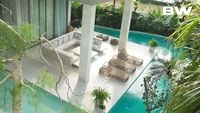
The allure of Bali, an island synonymous with tropical paradise and vibrant culture, continues to captivate the Indonesian celebrity landscape. Following a growing trend among public figures who seek to establish personal retreats on the island, popular Indonesian television personality and entrepreneur Boy William has unveiled his own exclusive haven: The BW Estate. Located in the sought-after Canggu area, this meticulously designed villa embodies a modern minimalist aesthetic, offering a serene escape that reflects William’s personal style and aspirations for a tranquil living space. The unveiling of this private villa, documented through a recent video tour shared on his personal YouTube channel, provides an intimate glimpse into the creative vision and careful considerations that shaped this luxurious Balinese property.
The Genesis of The BW Estate: A Vision of Tranquility
Boy William, a prominent figure in Indonesian entertainment known for his charismatic presence and diverse ventures, has long been a proponent of creating spaces that blend comfort, style, and a connection to nature. The genesis of The BW Estate can be traced back to his desire to create a personal sanctuary that mirrors the relaxed yet sophisticated atmosphere he cherishes. In a candid interview accompanying the YouTube tour, William shared his inspiration, stating, "I like to call it my ‘White House’ because the entire house is designed in a single color palette. You could say the dominant color is beige." This deliberate choice of a monochromatic scheme, primarily focusing on whites and beiges, is a hallmark of minimalist design, aiming to evoke a sense of calm, spaciousness, and understated elegance.
The decision to establish a villa in Canggu is also significant. Canggu has emerged as a global hotspot, renowned for its picturesque rice paddies, world-class surf breaks, and a burgeoning scene of trendy cafes, boutiques, and wellness retreats. This dynamic locale offers a unique blend of natural beauty and contemporary lifestyle, making it an ideal backdrop for a modern luxury villa. The proximity to beaches, coupled with its reputation as a hub for creative and entrepreneurial individuals, likely played a role in William’s choice of location, aligning with his own multifaceted career.
A Journey Through The BW Estate: Design Philosophy in Practice
The virtual tour of The BW Estate offers a comprehensive exploration of William’s design philosophy. Upon entering, visitors are greeted by a "main foyer" that is conceptualized as a semi-open corridor. This transitional space is intentionally adorned with an abundance of lush greenery, a conscious effort to immerse guests in a natural ambiance from the very first step. "We are immediately greeted by nature because I have a vision that I want people to open the door and be welcomed by lots of plants, lots of green plants," William explained. This emphasis on biophilic design – the integration of natural elements into built environments – is a key feature, aiming to foster a sense of peace and well-being. The strategic placement of plants not only enhances the aesthetic appeal but also contributes to a refreshing and oxygen-rich atmosphere, a welcome contrast to the bustling energy often associated with Bali.
The living area is designed with sociability in mind. William highlighted the expansive nature of this space, emphasizing its suitability for gatherings and shared moments. "So, when people come into this house, we usually gather here. So, I made sure that the atmosphere here is spacious for people to gather," he stated. This suggests a thoughtful approach to interior design, prioritizing functionality and comfort for hosting friends and family. The open-plan layout of the living area, a common characteristic of modern minimalist homes, further enhances the sense of spaciousness and encourages interaction.
The Beach Club Inspiration: Bringing the Vibe Home
A particularly intriguing aspect of The BW Estate’s design is its conceptual link to beach clubs. William revealed that his youthful experiences spent frequenting beach clubs played a significant role in shaping the villa’s ambiance. "Speaking of tropical vibes, I used to love going to beach clubs in my youth. Now, I prefer to stay home. So, I want to create a home where the vibe is like a beach club too. But it’s a private beach club where we don’t have to leave the house. I’m bringing the beach club here," he shared. This statement underscores a desire to recreate the relaxed, entertainment-centric atmosphere of a beach club within the privacy and comfort of his own villa. This could translate into features such as an outdoor entertainment area, a well-appointed bar, or a seamless integration of indoor and outdoor living spaces, all designed to foster a sense of leisure and enjoyment.
The concept of "bringing the beach club home" suggests a sophisticated approach to lifestyle integration. It implies an understanding that modern luxury is not just about opulent materials but also about creating an experience. For William, this experience is one of effortless enjoyment, where the vibrant energy of a social hotspot can be accessed without the need to venture out. This philosophy likely guided the selection of furnishings, the layout of entertainment areas, and the overall mood intended for the property.
Serenity in the Master Suite: A Minimalist Retreat
The master bedroom of The BW Estate exemplifies the villa’s overarching minimalist theme, characterized by a palette of white, beige, and light gray. The design prioritizes simplicity and uncluttered aesthetics, featuring straightforward furnishings and subtle decorations that contribute to a clean and calming environment. This intentional simplicity in the bedroom is designed to promote relaxation and restful sleep, serving as a true sanctuary within the villa.
A key architectural feature in the master bedroom is the inclusion of large glass windows. These not only maximize natural light, further enhancing the sense of space and airiness, but also offer uninterrupted views of the surrounding outdoor landscape. This connection to the exterior, facilitated by expansive glazing, allows the natural beauty of Bali to become an integral part of the bedroom’s ambiance, creating a tranquil vista that complements the minimalist interior.
The Broader Trend: Celebrities and Bali Real Estate
Boy William’s acquisition of a private villa in Bali is part of a broader trend observed among Indonesian celebrities and high-net-worth individuals. Bali, with its established infrastructure for tourism and luxury living, has long been an attractive destination for investment and personal retreats. The island’s unique cultural heritage, combined with its stunning natural landscapes and a growing array of world-class amenities, makes it an ideal location for those seeking both a holiday home and a potential investment.
Recent years have seen a significant increase in property acquisitions by public figures, ranging from actors and musicians to business magnates. This trend is fueled by several factors, including the desire for privacy, a lifestyle retreat, and a sound investment in a highly sought-after real estate market. Data from property market analysts consistently indicate that Bali remains a top destination for luxury real estate in Southeast Asia, with demand driven by both local and international buyers. The island’s robust tourism sector also provides a strong foundation for potential rental income, further enhancing the appeal of property ownership.
The development of high-end villas and resorts in areas like Canggu, Seminyak, and Uluwatu has catered specifically to this demographic, offering sophisticated designs, premium amenities, and a high level of service. These properties often incorporate elements of modern architecture, sustainable design, and a fusion of local craftsmanship with international standards.
Analysis of Implications: Lifestyle, Investment, and Brand Building
The unveiling of The BW Estate by Boy William has several implications beyond the personal enjoyment of a luxurious property. Firstly, it serves as a form of lifestyle branding for William himself. By showcasing his meticulously designed villa, he reinforces his image as a discerning individual with a sophisticated taste for design and a penchant for tranquil living. This can enhance his appeal to brands and collaborations, particularly those in the lifestyle, home decor, and luxury sectors.
Secondly, the villa’s location in Canggu taps into the area’s reputation as a desirable lifestyle destination. This aligns with Bali’s broader appeal as a place that attracts a blend of creative professionals, digital nomads, and those seeking a more balanced way of life. The investment in a property of this caliber in such a location signals a long-term commitment to the island and its burgeoning lifestyle scene.
Furthermore, the detailed tour shared on his YouTube channel demonstrates a strategic use of social media platforms to engage his audience and build a narrative around his personal life and ventures. This approach not only provides entertainment value but also potentially inspires his followers, many of whom may aspire to similar lifestyles. The success of such content can also translate into increased engagement and viewership for his channel, indirectly benefiting his other media-related endeavors.
The construction and design of The BW Estate also contribute to the local economy, supporting the Balinese construction and design industries. The emphasis on natural elements and potentially local craftsmanship, if integrated, further highlights the island’s unique resources and talent. As Bali continues to evolve as a global destination, properties like The BW Estate represent the modern face of luxury living on the island, blending international design sensibilities with the inherent beauty and tranquility of its tropical setting. The successful realization of such projects underscores the enduring appeal of Bali as a premier destination for both personal retreats and aspirational living.