
Breast cancer remains one of the most critical public health challenges globally and specifically for women, necessitating a profound understanding of its progression, treatment modalities, and the imperative of early intervention. As medical technology advances, the clinical narrative surrounding this diagnosis has shifted from a terminal outlook toward a manageable, and in many cases, curable condition, provided that detection occurs during the nascent stages of the disease.
The Clinical Reality of Breast Cancer Prognosis
The central inquiry for many patients—whether breast cancer can truly be cured—is met with a nuanced, data-driven "yes." According to oncological experts, the survivability of breast cancer is inextricably linked to the stage at which the malignancy is identified. When detected in its earliest stages, particularly before the cancer has metastasized to distant organs or the lymph nodes, the five-year survival rate is significantly higher.
Dr. Sonar Soni Panigoro, a consultant surgical oncologist at Eka Hospital BSD, emphasizes that early diagnosis is the primary determinant of successful clinical outcomes. By identifying anomalous cell growth while the tumor is localized, medical teams can deploy targeted therapeutic interventions that minimize the necessity for aggressive, systemic treatments that often carry higher toxicity levels.
The Chronology of Diagnosis and Intervention
The journey toward recovery often begins long before a clinical diagnosis is confirmed. The timeline for successful management typically follows a distinct progression: awareness, clinical screening, diagnostic confirmation, and therapeutic execution.
- Phase I: Self-Awareness and Monitoring: The initial phase involves the patient identifying physical changes in breast tissue. This stage is critical, as many patients delay seeking medical advice due to the absence of pain.
- Phase II: Clinical Evaluation: Upon detecting a suspicious change, the patient undergoes professional clinical examination. This includes physical palpation and imaging studies such as mammography or ultrasonography.
- Phase III: Diagnostic Confirmation: Should imaging reveal irregularities, a biopsy is performed. This provides the histological data required to determine the cancer’s subtype, grade, and hormonal receptor status.
- Phase IV: Multimodal Treatment: Once the pathology is understood, a multidisciplinary team designs a treatment plan, which may encompass surgical resection, radiation therapy, chemotherapy, hormone therapy, or targeted molecular therapies.
Global Burden and Epidemiological Data
To understand the broader context, one must examine the global burden of the disease. Breast cancer is the most frequently diagnosed cancer among women in most countries. According to the World Health Organization (WHO), nearly 2.3 million women were diagnosed with breast cancer globally in recent years, with hundreds of thousands of deaths occurring annually. However, the disparity in survival rates between high-income and low-to-middle-income countries is stark, largely attributed to the availability and utilization of early detection programs.
In many regions, the survival rate for early-stage breast cancer exceeds 90 percent. Conversely, when the cancer is diagnosed at a late stage (Stage III or IV), the complexity of treatment increases, and the likelihood of achieving a complete cure decreases. In these instances, the clinical objective often shifts toward chronic disease management—focusing on suppressing tumor growth, alleviating symptoms, and extending the patient’s quality of life.
Clinical Signs: What Patients Must Observe
Public health campaigns consistently highlight the importance of recognizing the physiological indicators of breast cancer. While a painless lump is the most recognized symptom, the medical community urges individuals to monitor for a broader spectrum of indicators:
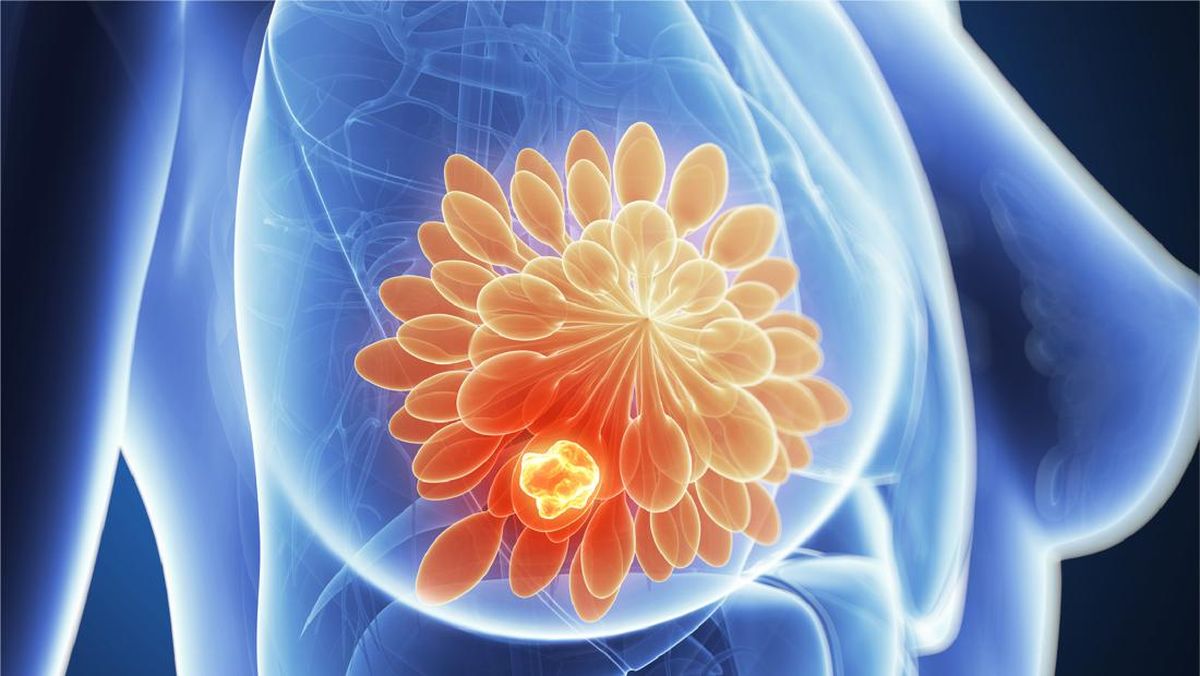
- Palpable Masses: Any new, firm, or fixed lump in the breast or the axillary (underarm) area.
- Dermatological Changes: The appearance of "peau d’orange" or "orange peel" skin, where the skin thickens, dimples, or becomes pitted.
- Nipple Anomalies: Inward retraction of the nipple, persistent scaling, or the spontaneous discharge of fluids, particularly if the fluid is serosanguinous (bloody).
- Asymmetry and Contour: Sudden changes in the shape, size, or symmetry of one breast compared to the other.
It is a common misconception that if a lump does not cause pain, it is benign. Oncologists stress that breast cancer in its early, most treatable stages is frequently asymptomatic. Waiting for the onset of pain often coincides with the progression of the disease to a more advanced stage.
The Role of Multidisciplinary Treatment
Modern oncology has moved away from a "one-size-fits-all" approach. Treatment is now highly personalized based on the molecular profile of the tumor. For instance, hormone-receptor-positive breast cancers respond well to endocrine therapies, whereas HER2-positive cancers benefit from targeted monoclonal antibody treatments.
Surgical intervention remains a cornerstone of treatment, but the scope of surgery has become increasingly conservative. Techniques such as breast-conserving surgery (lumpectomy) followed by radiotherapy offer outcomes comparable to more radical procedures like mastectomy for many patients, significantly impacting the psychological and physical recovery process.
Implications for Public Health Policy
The persistence of breast cancer as a leading cause of mortality necessitates a robust, systemic response. Policymakers and healthcare providers are increasingly focusing on two pillars: screening infrastructure and public education.
Screening programs, such as regular mammography, are the most effective tools for population-level reduction in mortality. However, the efficacy of these programs depends on consistent participation. Factors such as socio-economic status, access to medical facilities, and cultural perceptions of cancer screening often create barriers to entry. Addressing these inequalities is vital for reducing the global incidence of late-stage diagnoses.
The Psychological and Supportive Dimension
Beyond the physiological treatment, the diagnosis of cancer brings significant psychological distress. A successful recovery trajectory involves comprehensive support systems, including counseling, support groups, and integrative care that addresses the mental health needs of the patient. The transition from "patient" to "survivor" requires not just the eradication of malignant cells, but the restoration of the patient’s holistic well-being.
Conclusion: A Call for Proactive Health Management
While the question "can breast cancer be cured" is answered with a positive outlook for those diagnosed early, the responsibility for health outcomes is shared between the individual and the medical system. Regular self-examinations, adherence to screening schedules recommended by physicians, and the immediate investigation of any physical abnormalities are the most potent weapons against the disease.
As research continues to unveil the genetic and environmental drivers of breast cancer, the landscape of oncology remains one of rapid evolution. With continuous advancements in immunotherapy and precision medicine, the future of breast cancer treatment promises even higher rates of long-term remission. However, until such time that the disease can be entirely prevented, the emphasis must remain on the pillars of early detection and timely, evidence-based medical intervention. For the modern woman, awareness is not merely a precautionary measure; it is a critical component of longevity and health.